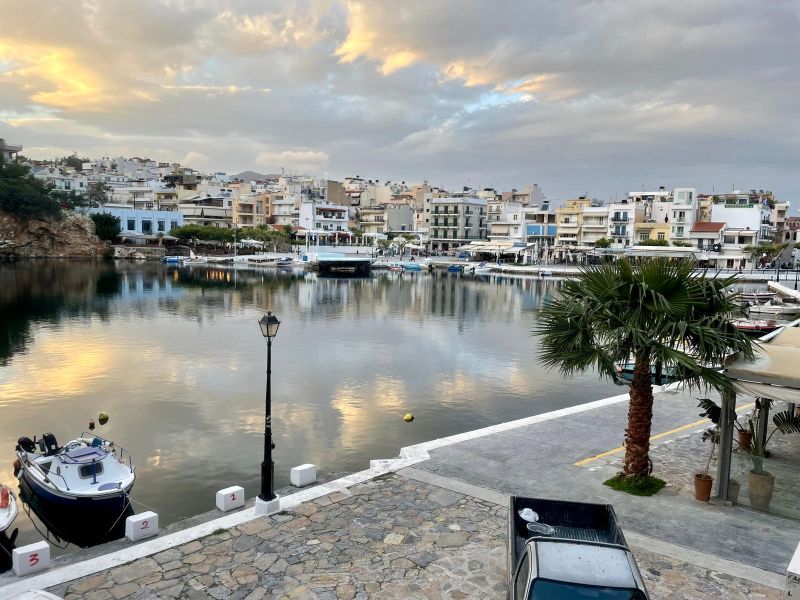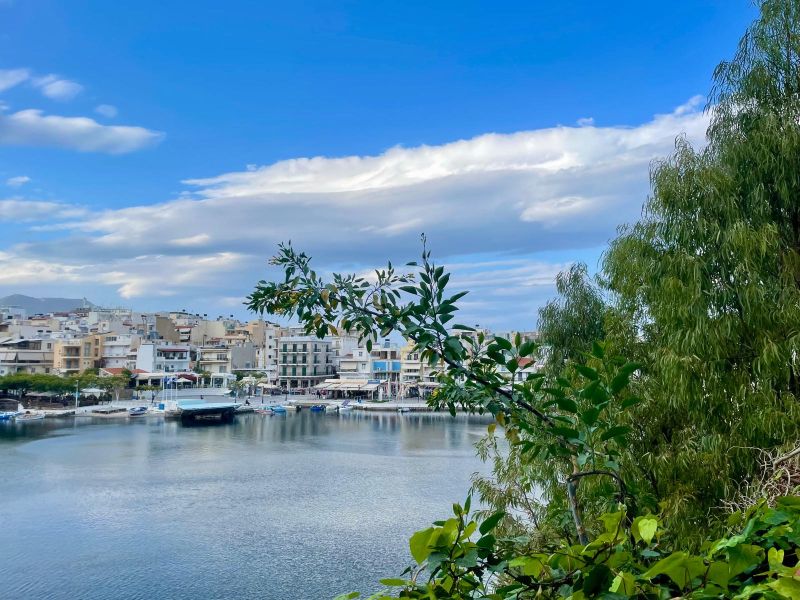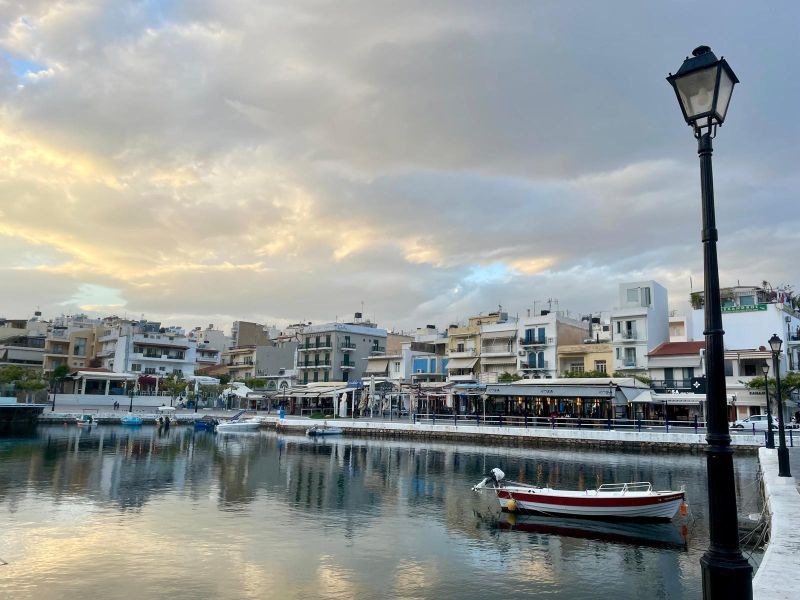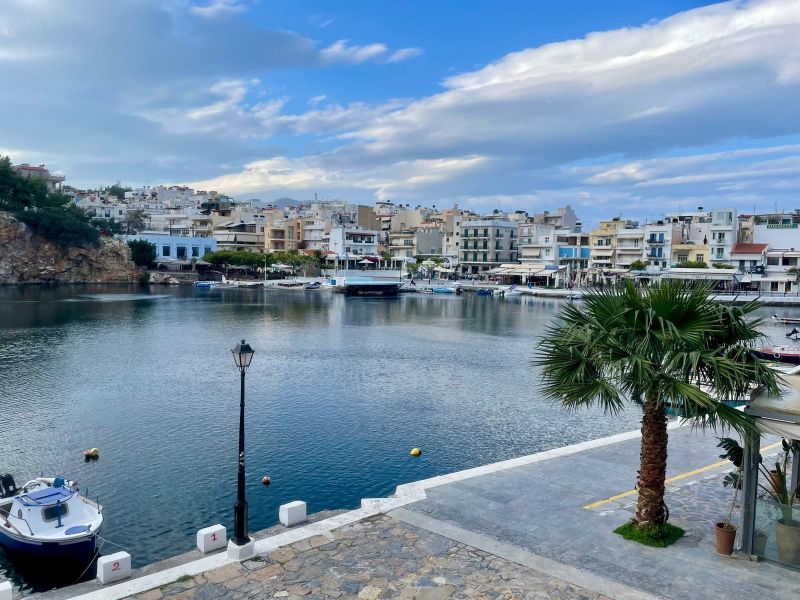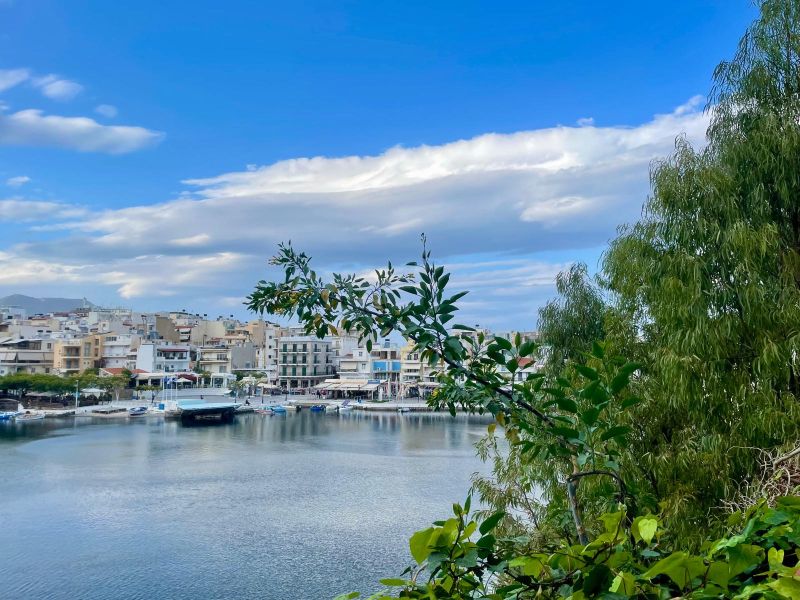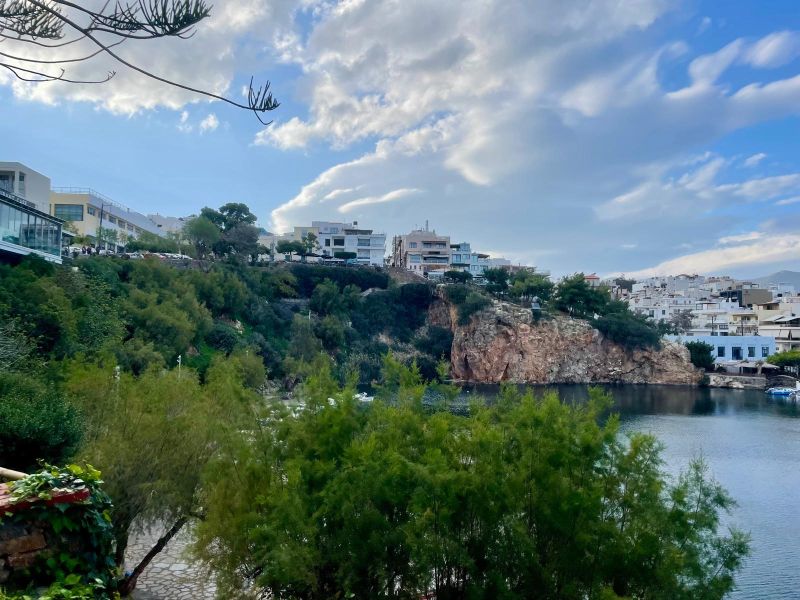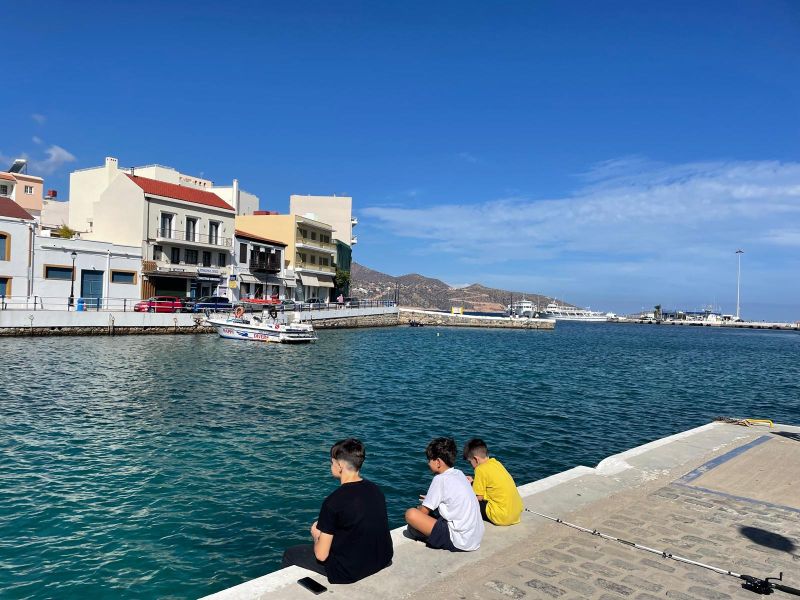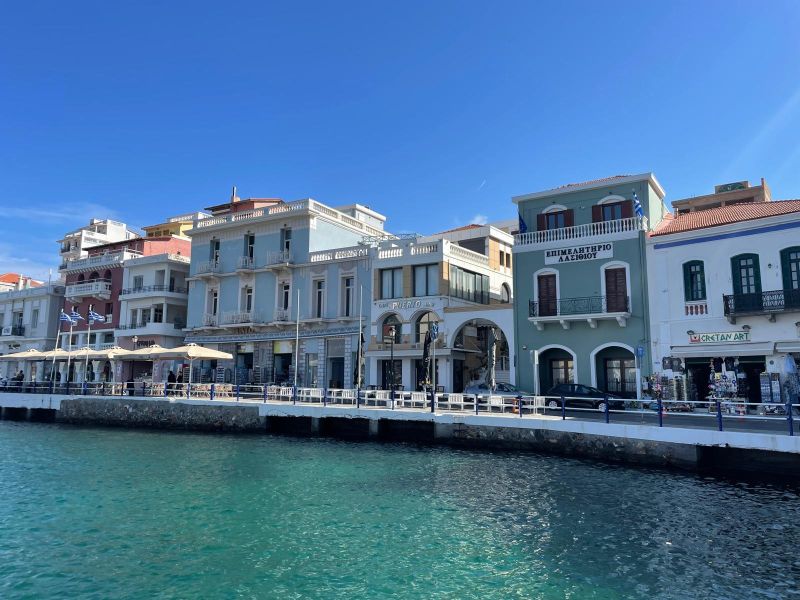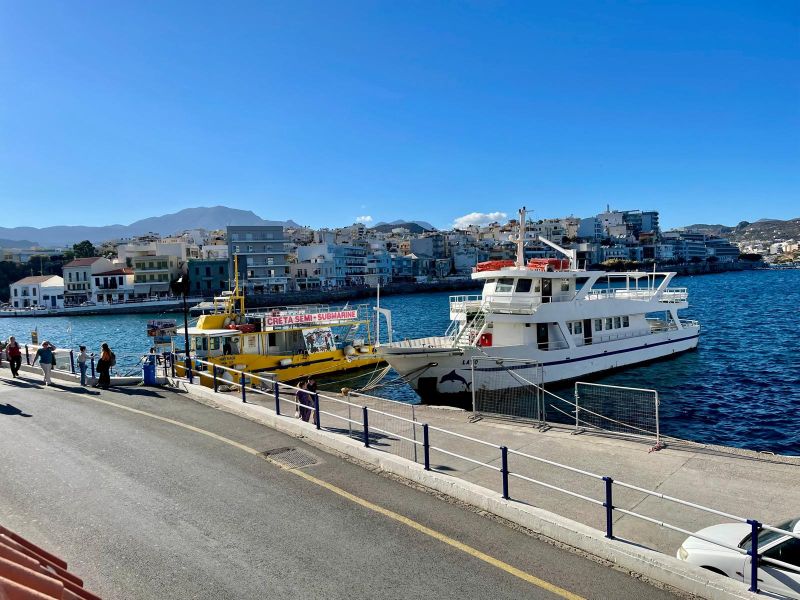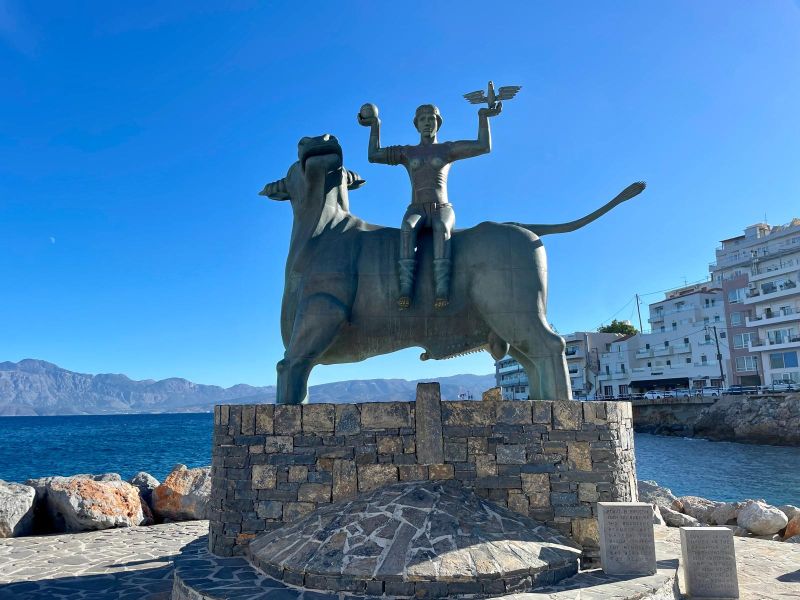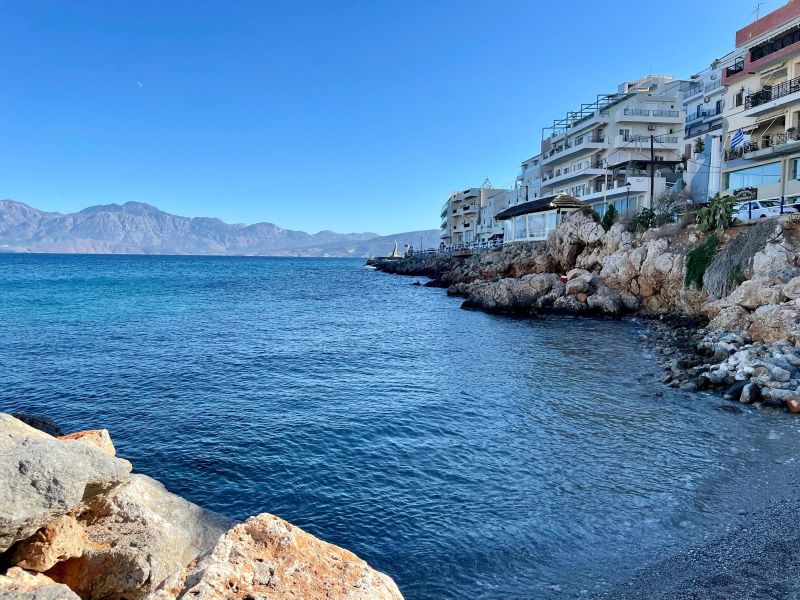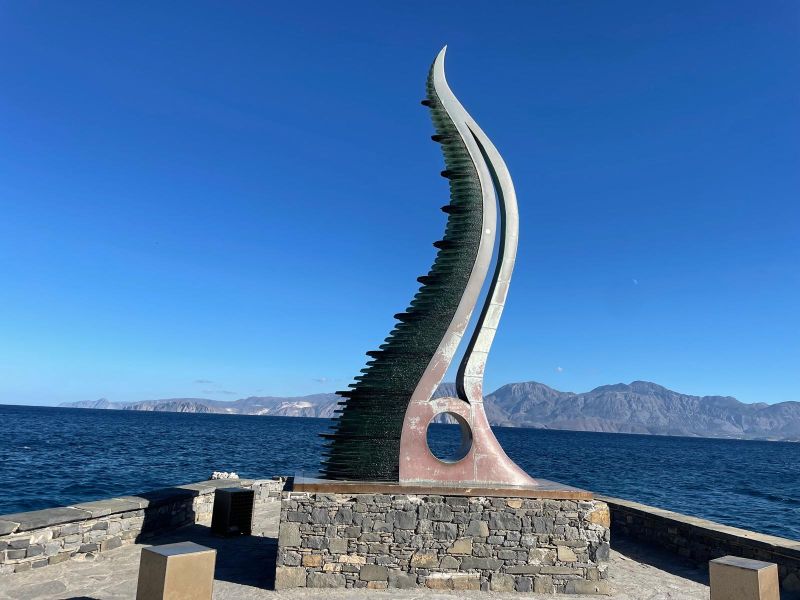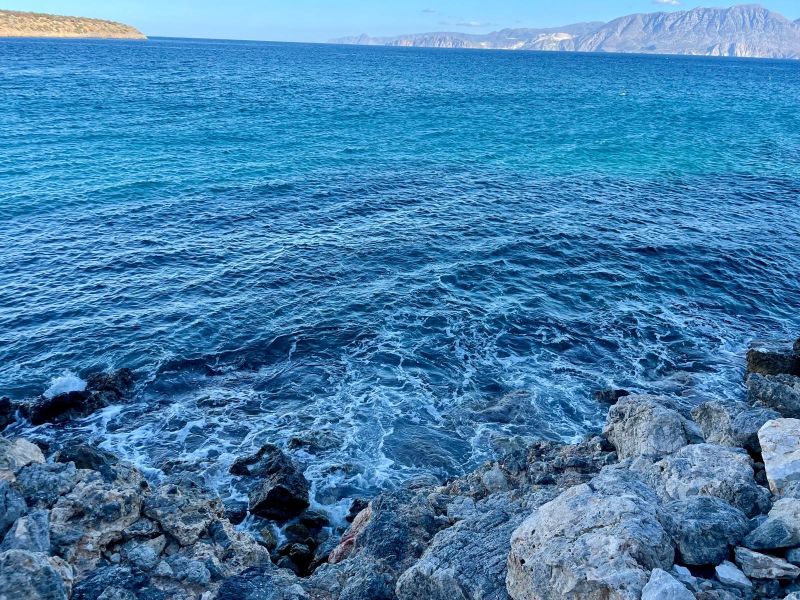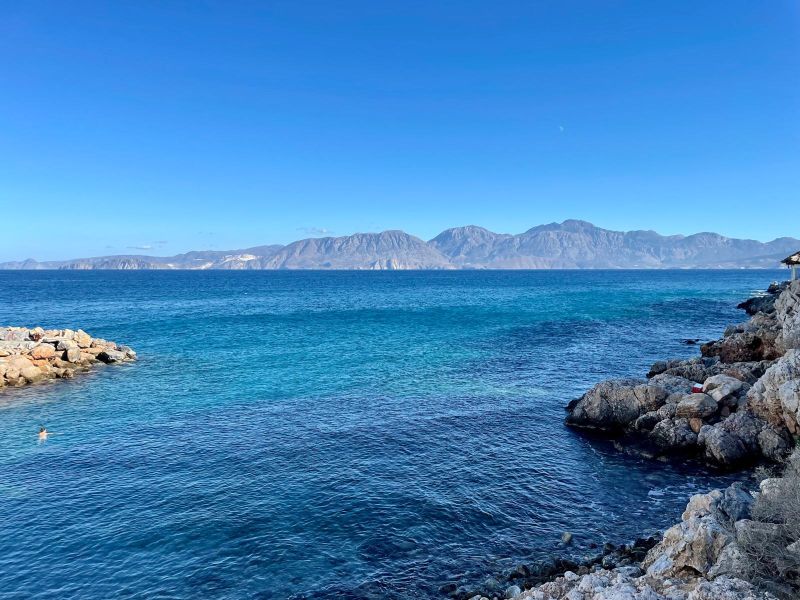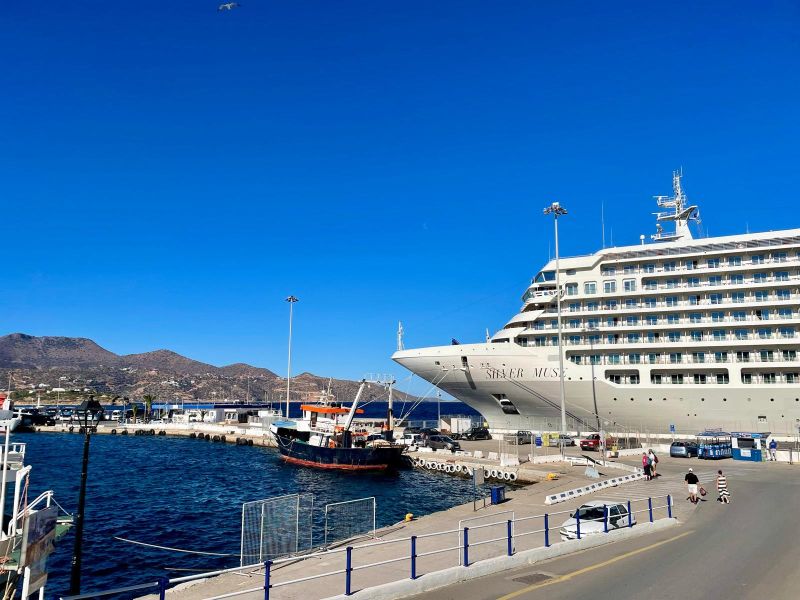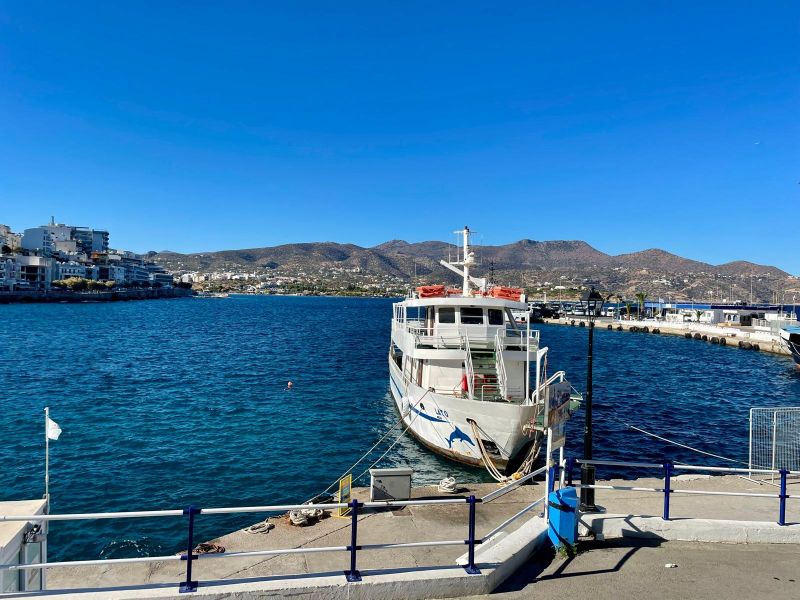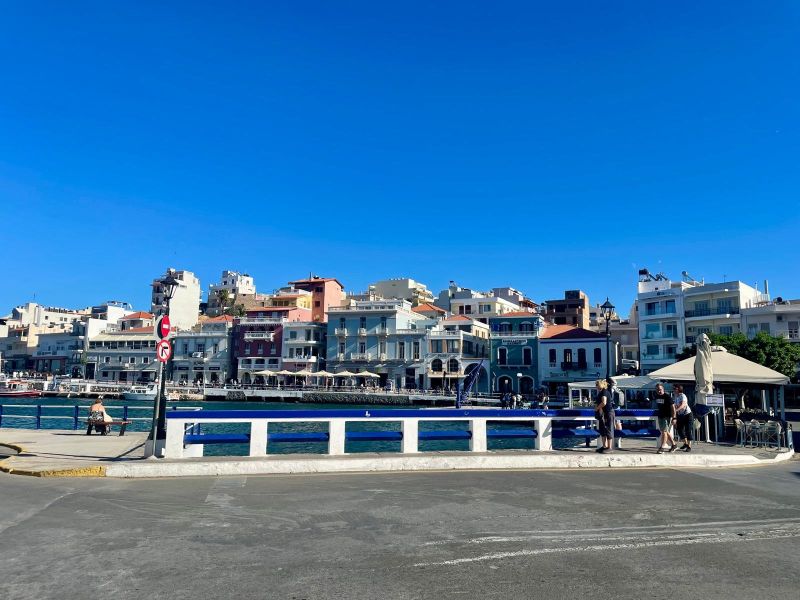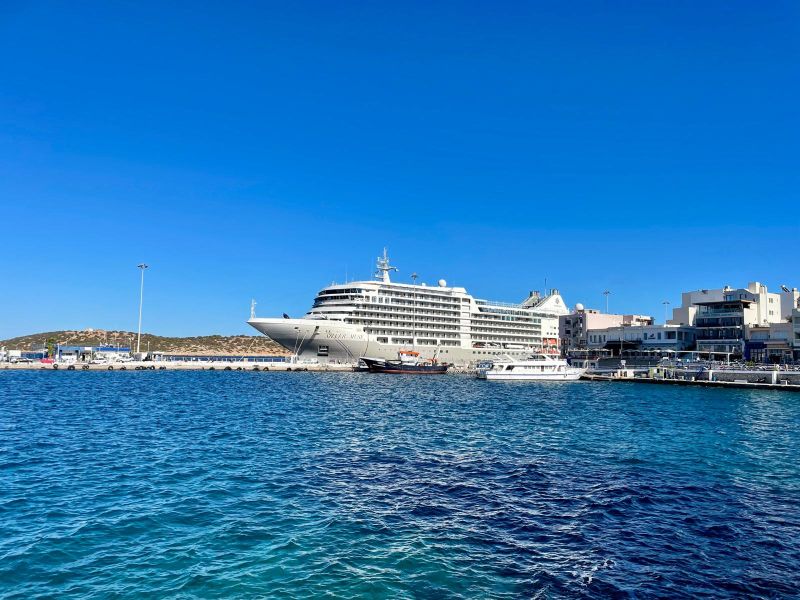
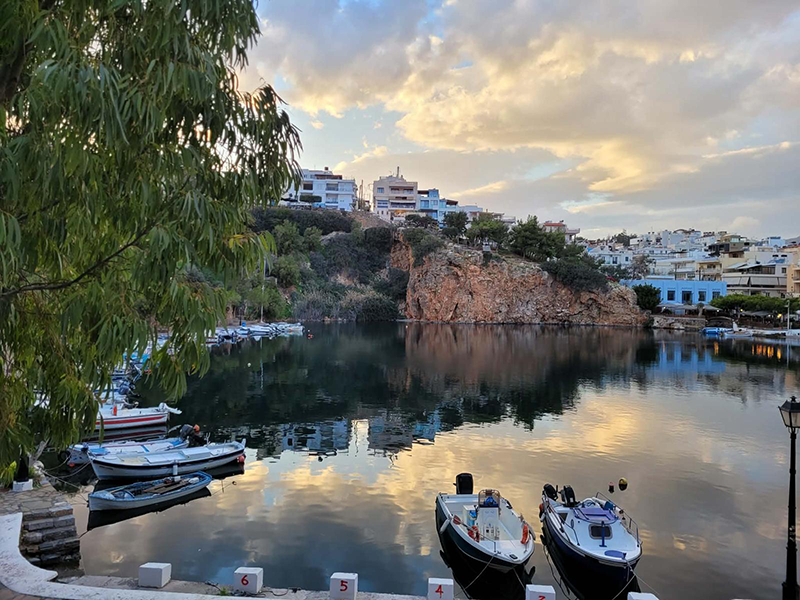
A port on the northeastern coast of Crete, where tradition blends with modernity. It is also the cosmopolitan capital of the Lasithi region, combining contemporary architecture with the history of the Dorian era.
The history of the town begins in the 3rd century BC, when it became part of the Dorian city of Lato, located to the south. Until the 6th century AD, it served as an important trading point and a centre for recruiting mercenaries.
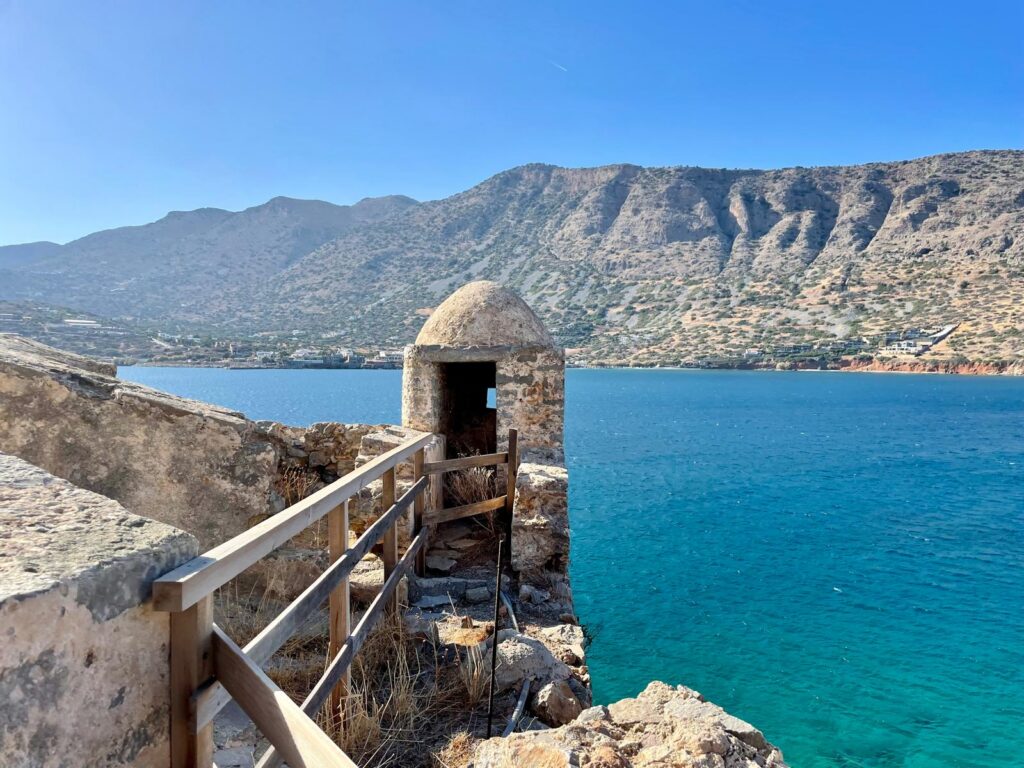
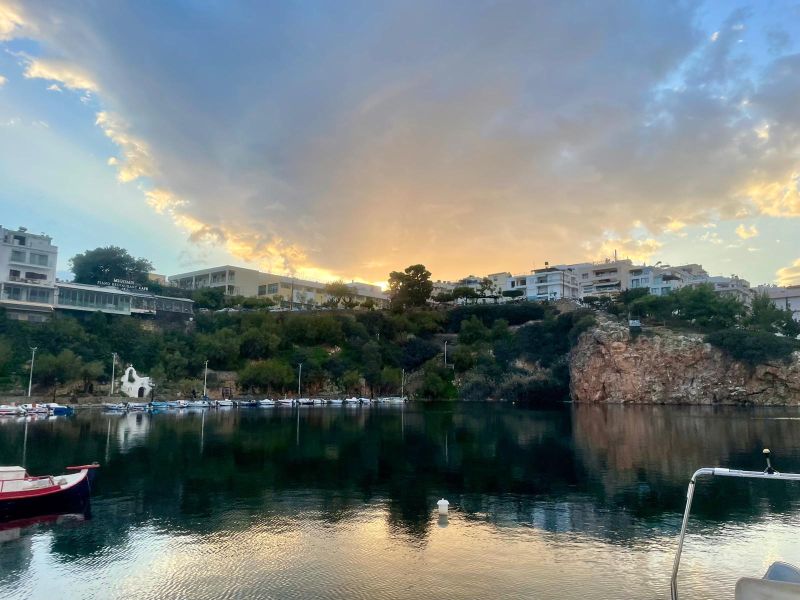
In 1206, the Genoese pirate Henrico Pescatore built the Mirabello fortress on the highest point of today’s Agios Nikolaos, on Kefali Hill. He did not enjoy the castle for long, as the entire island was soon purchased by the Venetians. The fortress did not survive, and today the regional government offices stand in its place. Historical sources mention that it housed a salt warehouse, with salt brought from the Elounda area. The Venetians were determined to maintain a complete monopoly on salt supplies throughout the Mediterranean, which explains the strong protection of this resource. The Mirabello fortress was destroyed several times (in the 1303 earthquake and by pirates in 1537), yet it was always rebuilt. Only at the end of the 17th century, when the Ottomans besieged the town, did the Venetians blow it up as they surrendered — and it was never rebuilt.
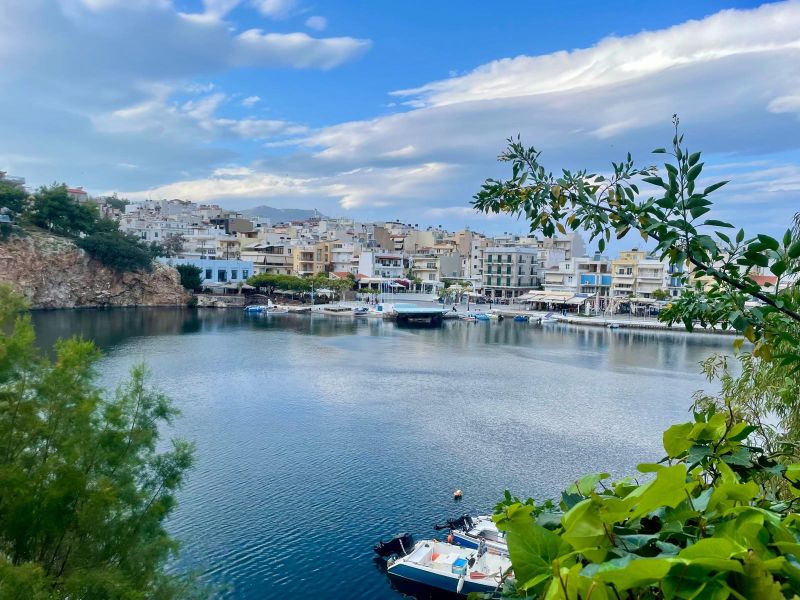
During Venetian rule, the town held little significance. Under Ottoman rule, it slowly depopulated. After the 1866 revolution, towards the end of Turkish rule, the town began to repopulate and developed as a port trading citrus fruit.
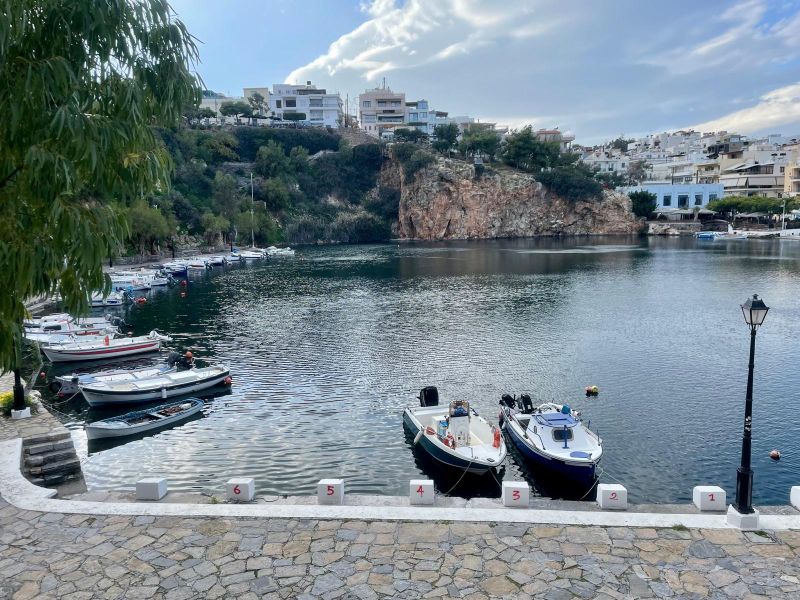
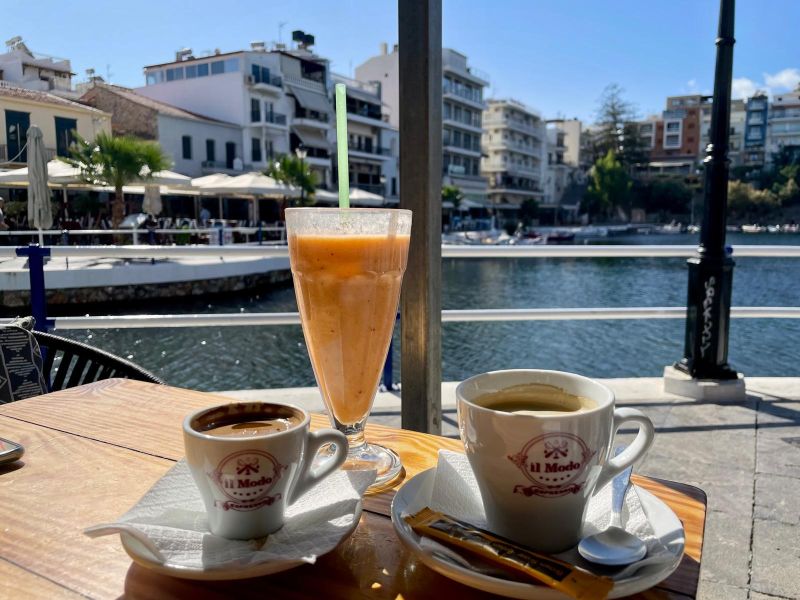
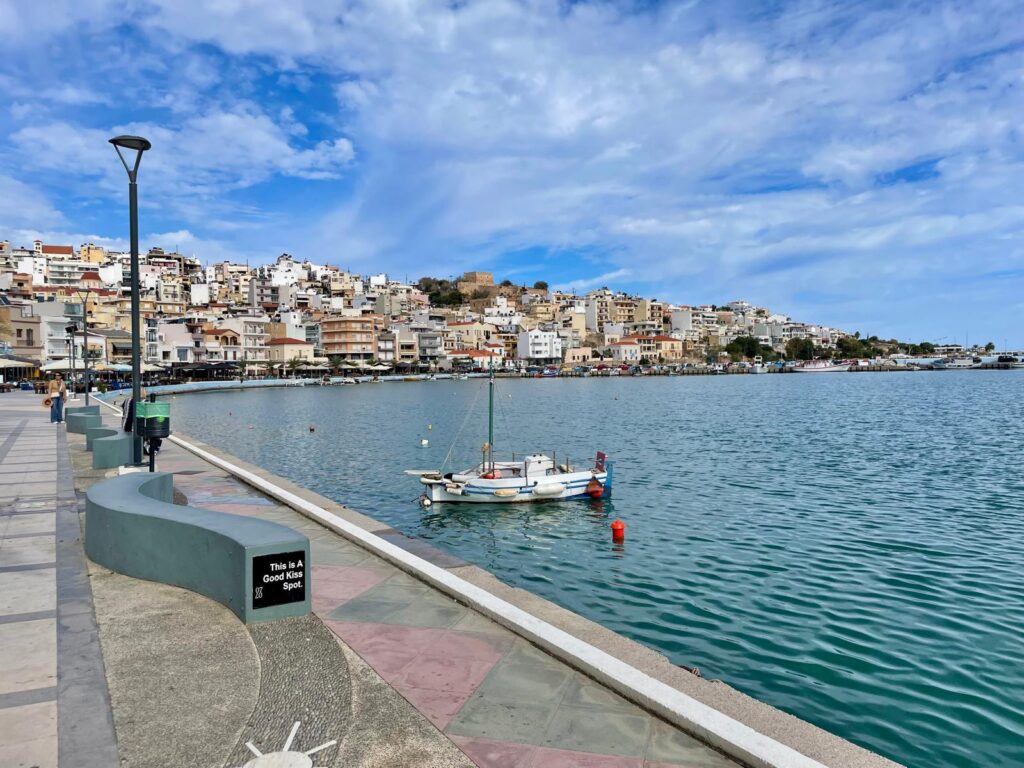
Modern Agios Nikolaos is shaped by the dynamic growth of tourism, which began here much earlier than in other parts of Crete. The heart of the town is the area around the harbour and Lake Voulismeni. In the 19th century, it was a freshwater lake — the second such lake on Crete after Lake Kournas. In 1870, it was connected to the sea by a navigational channel. The lake has its own mythology: the goddesses Athena and Artemis were said to bathe here, and locals believed it was bottomless and inhabited by monsters. Today, fishing boats and small vessels moor along its shores, surrounded by lively tavernas, cafés and bars.
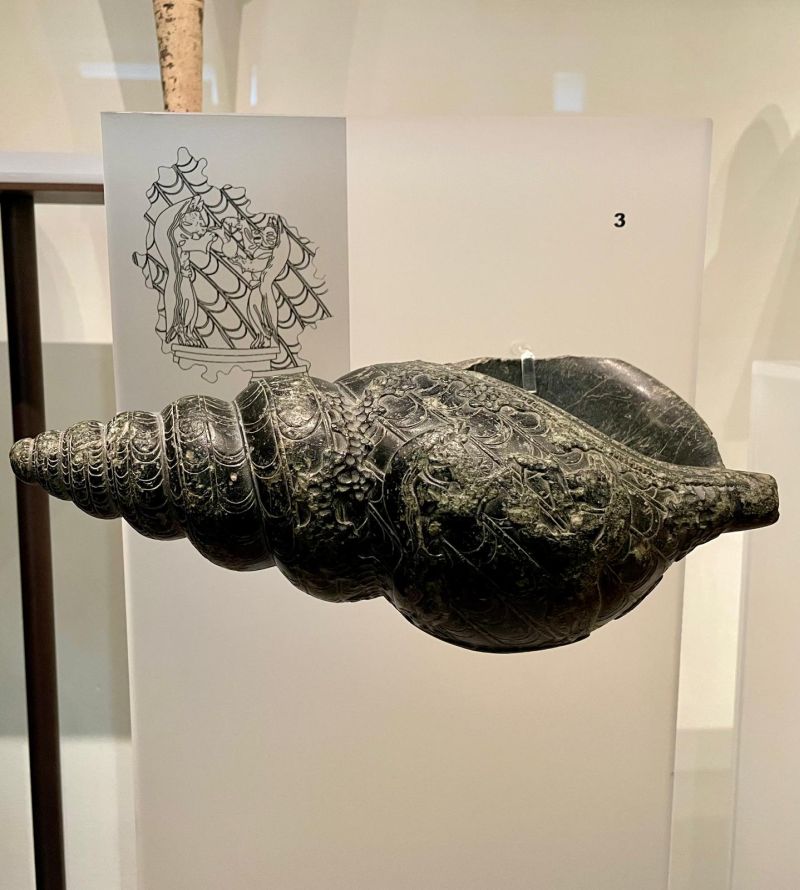
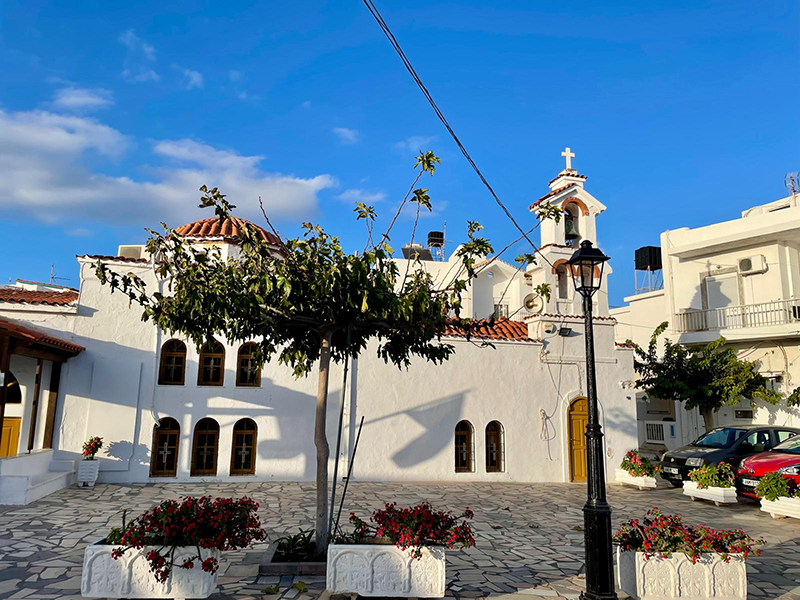
The town is home to a private Ethnographic Museum and an Archaeological Museum. Near the town centre stands the 12th century church of Panagia Vrefotrofos, where 14th century frescoes can be admired. A historical walk can end at the church of St Nicholas, the town’s patron. Built between the 7th and 9th centuries, it has preserved its original form — a simple, single nave church decorated with remnants of 9th–11th century frescoes.
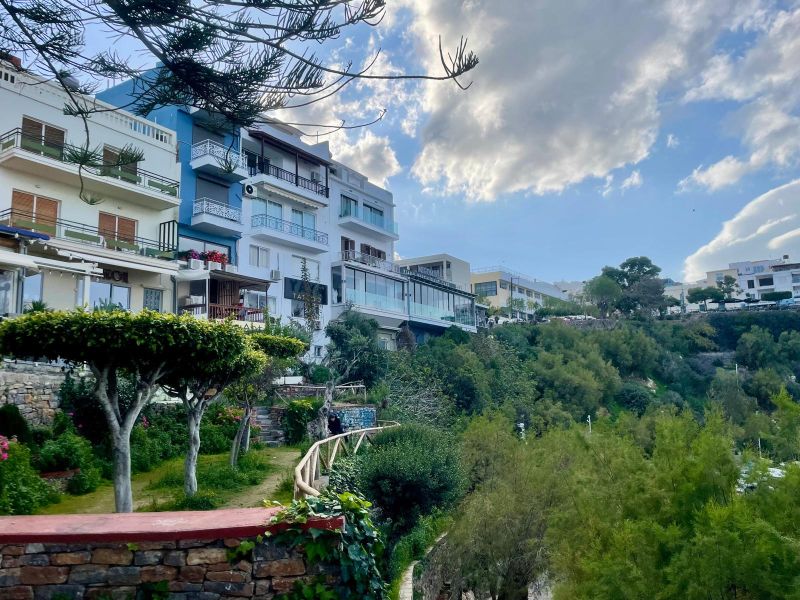
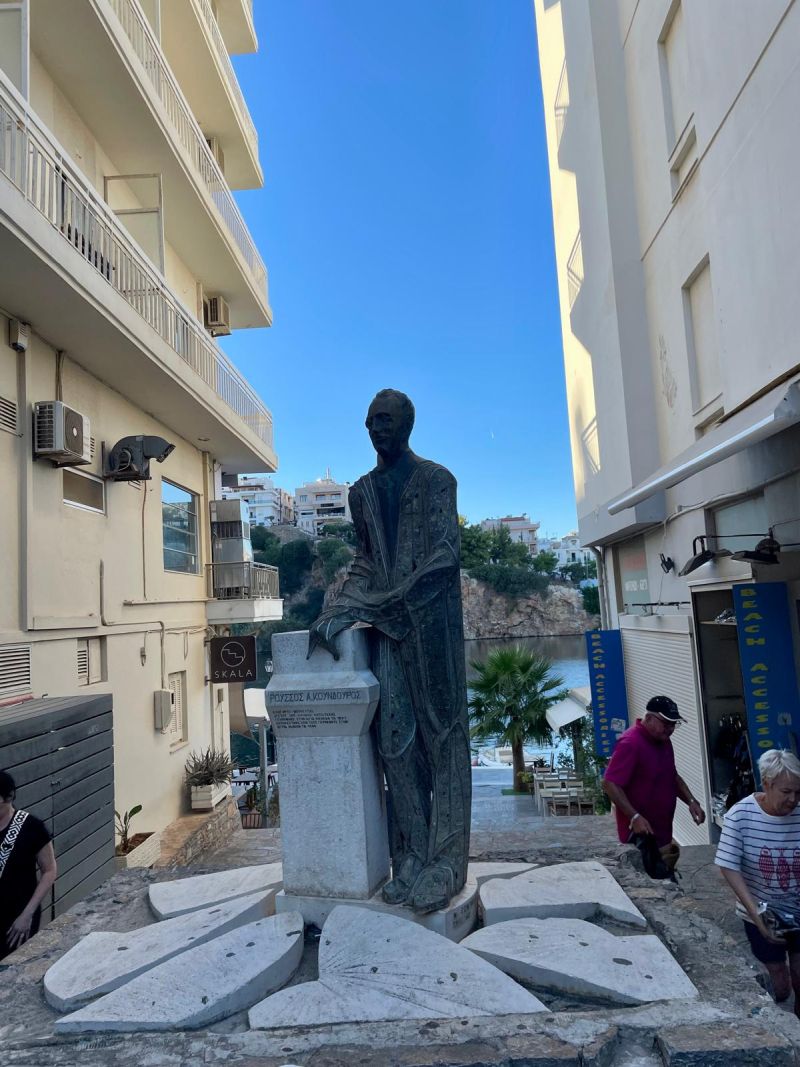
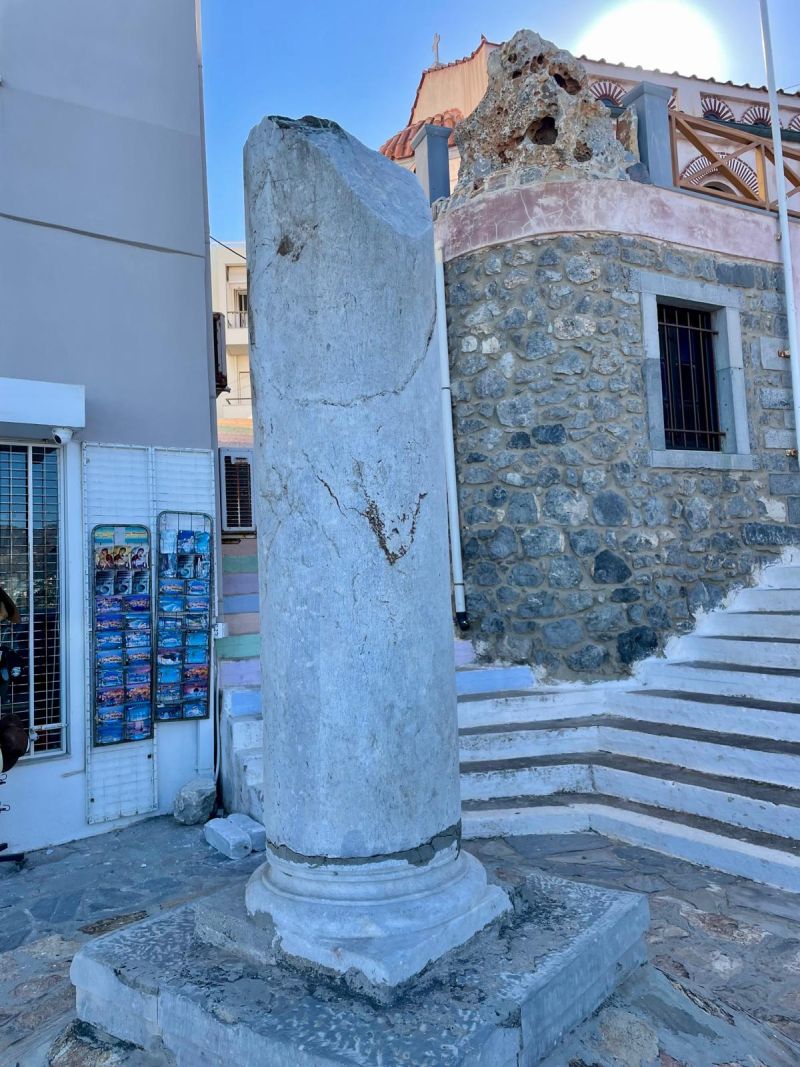
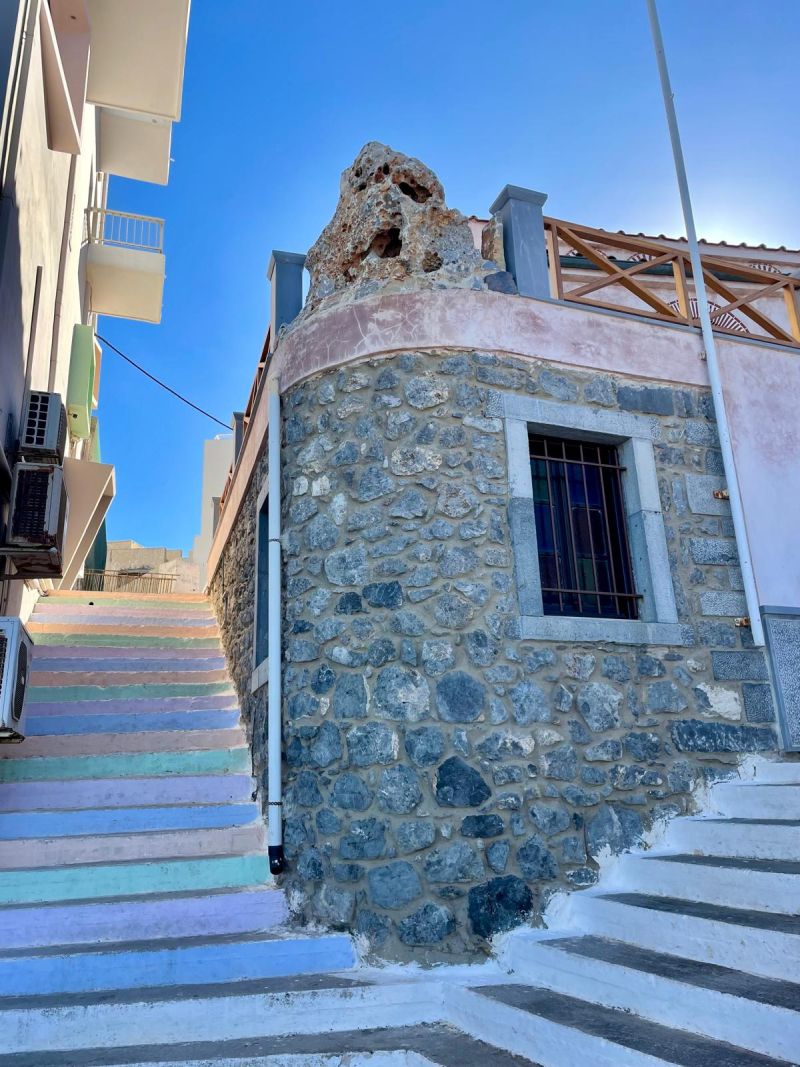
The charm of Agios Nikolaos also lies in its narrow streets and numerous stairways, essential for exploring this hillside town, as well as its small beaches (Ammos, Kitroplatia, Ammoudi). Due to its popularity among tourists, Agios Nikolaos is often referred to as the “Cretan Saint Tropez”.