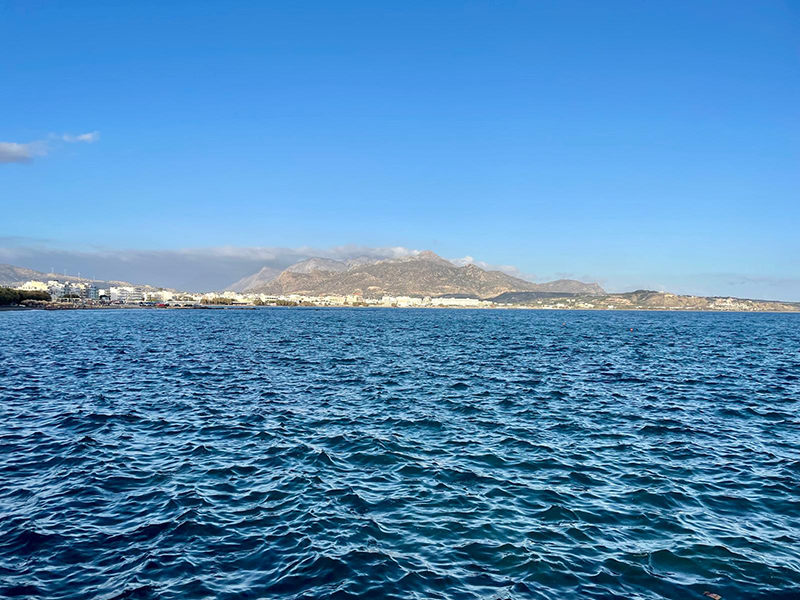
The warmest city in Greece and the southernmost city in Europe. Modern Ierapetra was built on the site of ancient Ierapytna, which around 150 BC competed for dominance in the region with Presos and Itanos (today among the best preserved archaeological sites).
In the Roman era, Ierapytna flourished as one of the cosmopolitan cities of the Roman Empire. Its port was important due to easy access to Egypt and the Middle East. The Romans destroyed the city after more than two years of fighting with its inhabitants. Once conquered, it was rebuilt, with new temples, baths and theatres constructed.
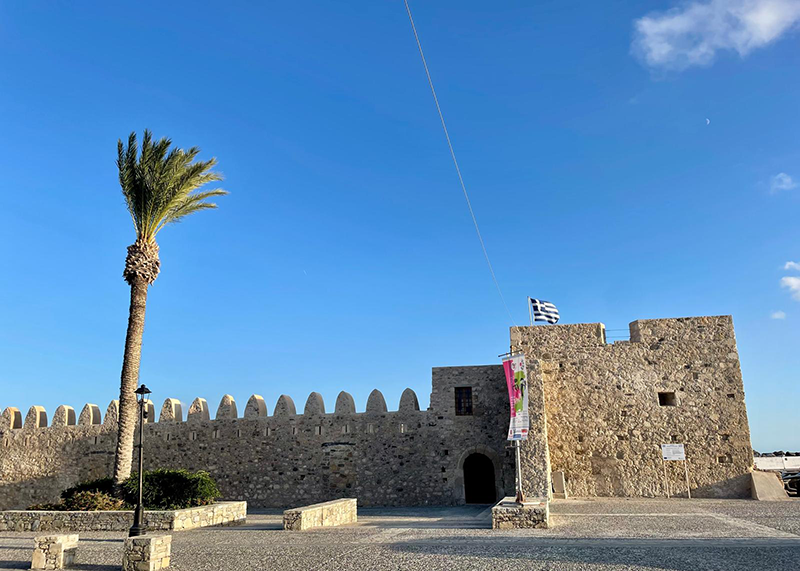
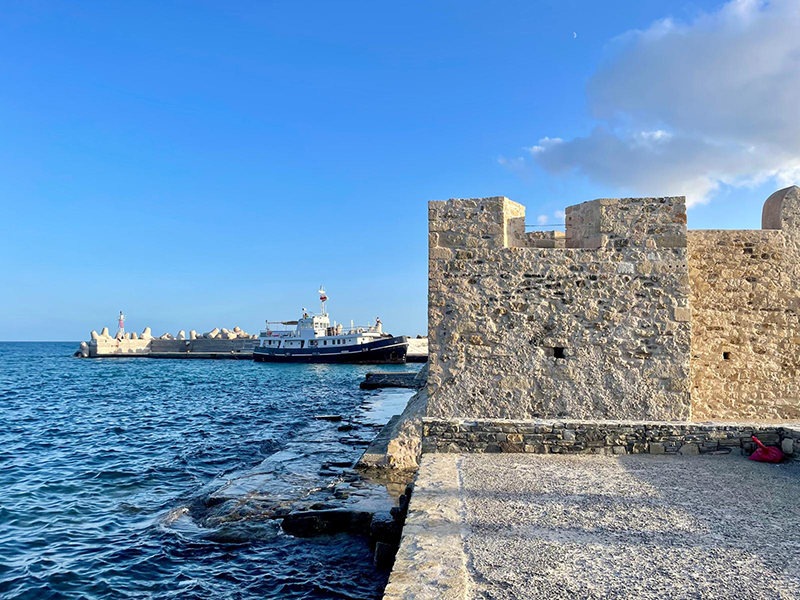
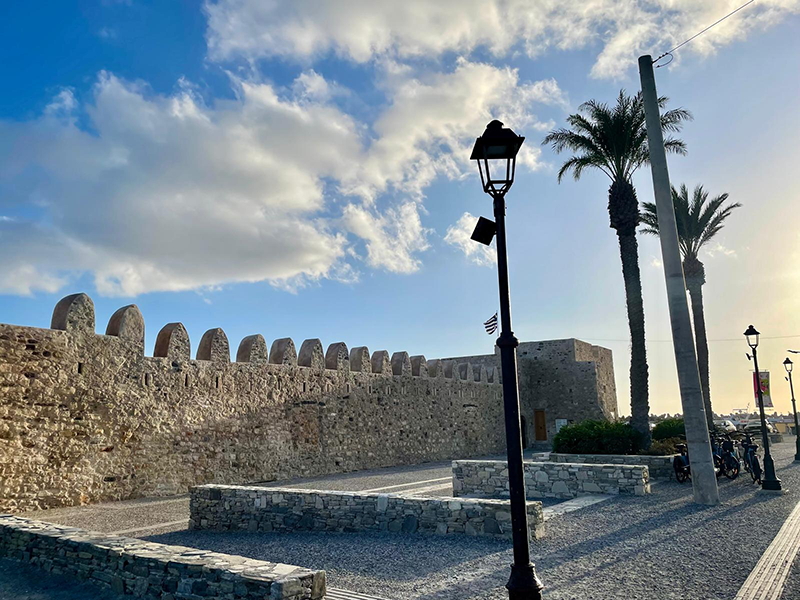
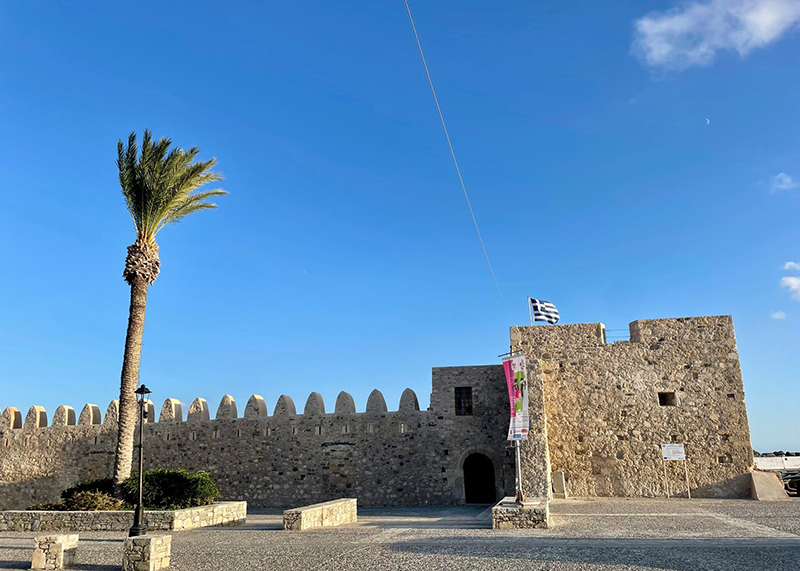
Ierapytna maintained its importance during the early Byzantine period but was later destroyed by the Arabs. Under Venetian rule, the town was fortified. Even today, visitors can admire the Kales Fortress (gr. φρούριο Καλές), built in the 13th century. A powerful earthquake in 1780 destroyed much of the town, which is why few ancient monuments have survived despite its long history.
Today’s Ierapetra is primarily an agricultural town — thanks to its excellent climate, it produces vast quantities of vegetables exported throughout Europe.
The most important monument in Ierapetra is the Kales Fortress, which was repaired by the Turks after the earthquake of 1508, when they took control of the town in the 17th century.
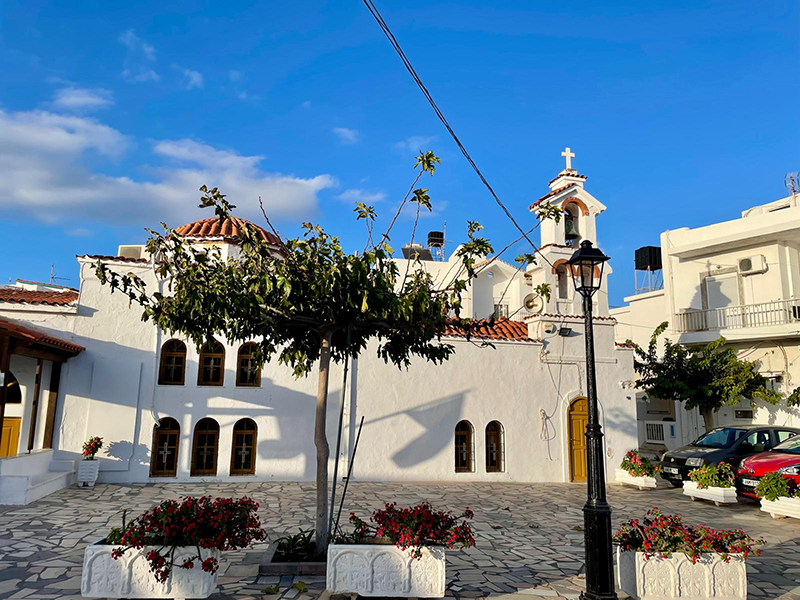
While in Ierapetra, it is worth visiting the oldest church in the city, dedicated to Jesus Christ. It was built around the 12th century as a monastic katholikon. One of the most intriguing landmarks is Napoleon’s House — according to local tradition, Napoleon spent one July night here in 1798 on his way to Egypt. Another attraction for history lovers is the Turkish mosque — one of the few on the island that Cretans did not demolish after regaining independence in 1898.
Museum enthusiasts will also find something for themselves. The town’s Archaeological Museum is housed in a former Ottoman school from the late 19th century. Its collection includes artefacts from nearby archaeological sites. Among ceramics, incomplete Roman statues and coins, the most valuable exhibits include a Minoan sarcophagus found in Episkopi (c. 1450 BC) and a statue of the goddess Demeter from the 2nd century AD.
Ierapetra and its surroundings offer many spacious, easily accessible beaches (e.g., Limanakia, Apovathra, St Andrew’s Beach). It is worth knowing that the sand on the southern coast of Crete is usually grey black.