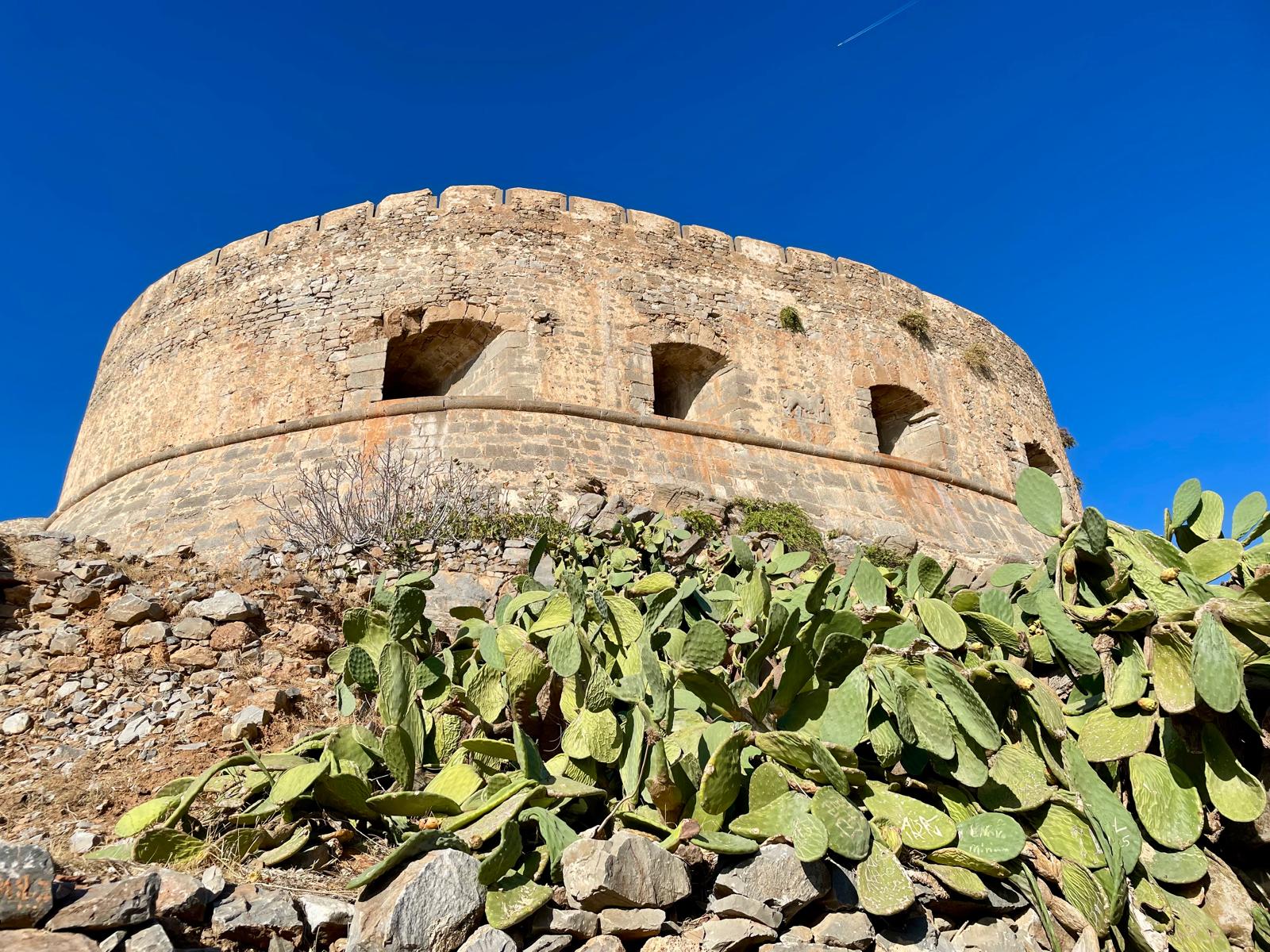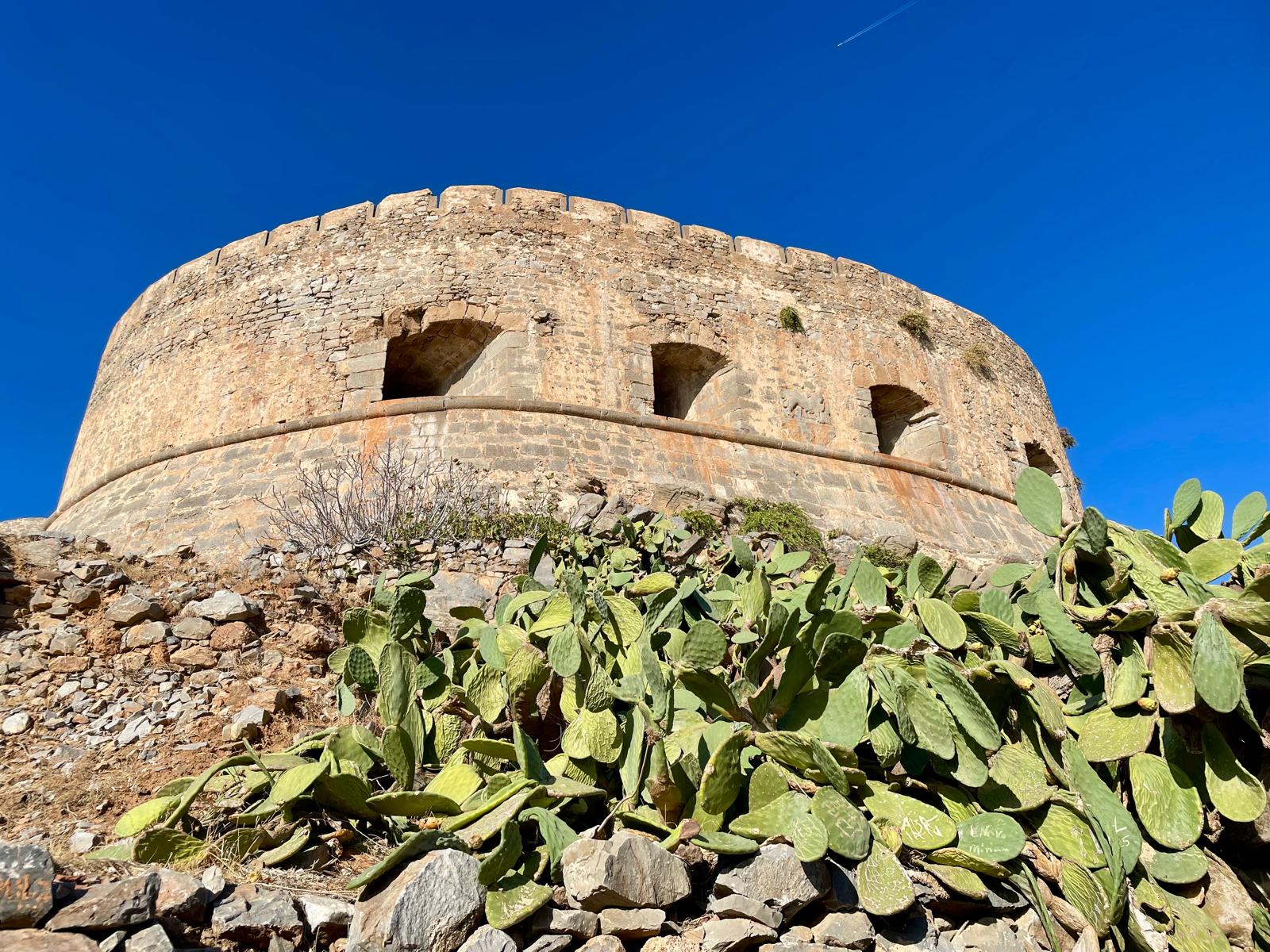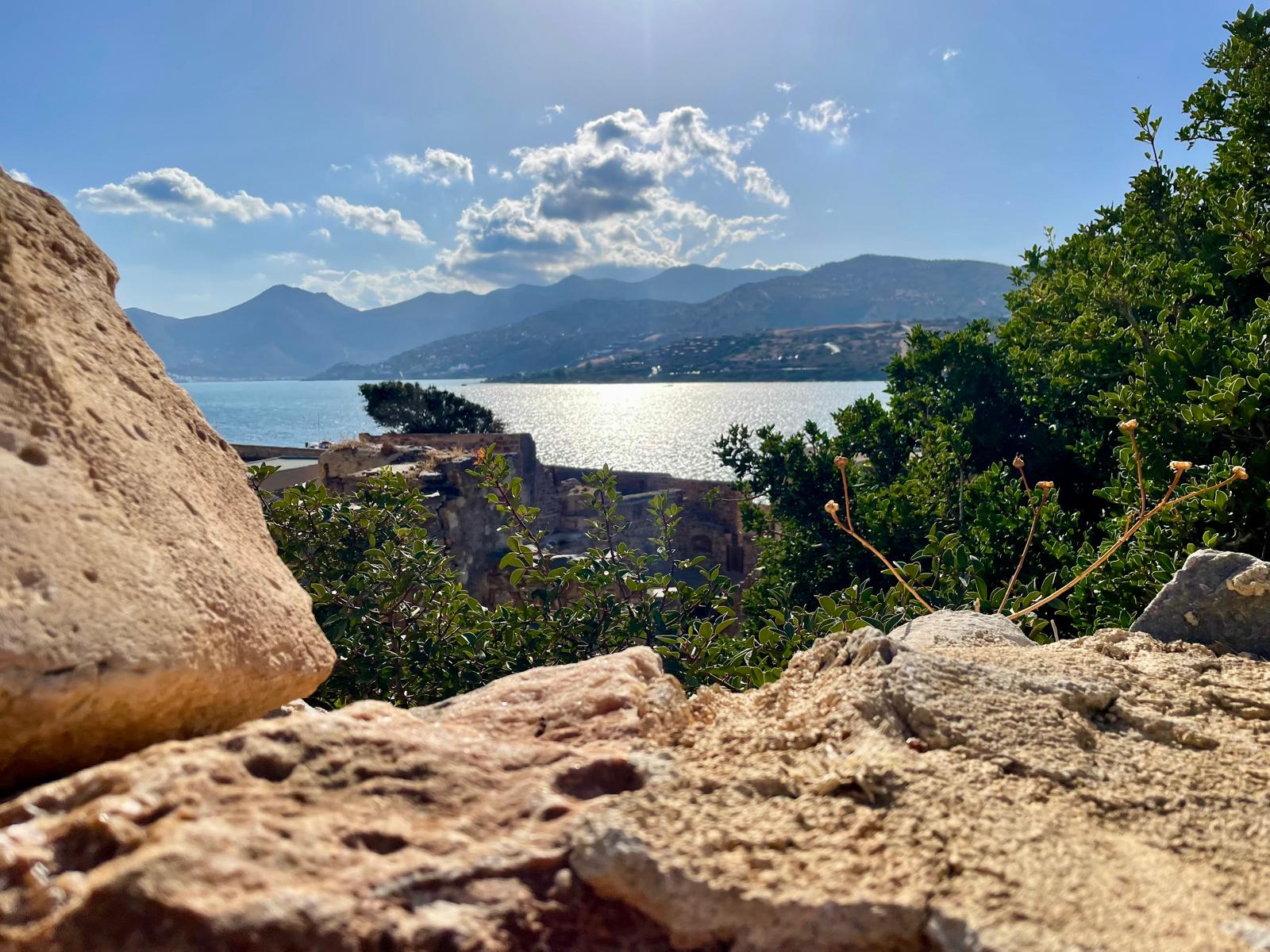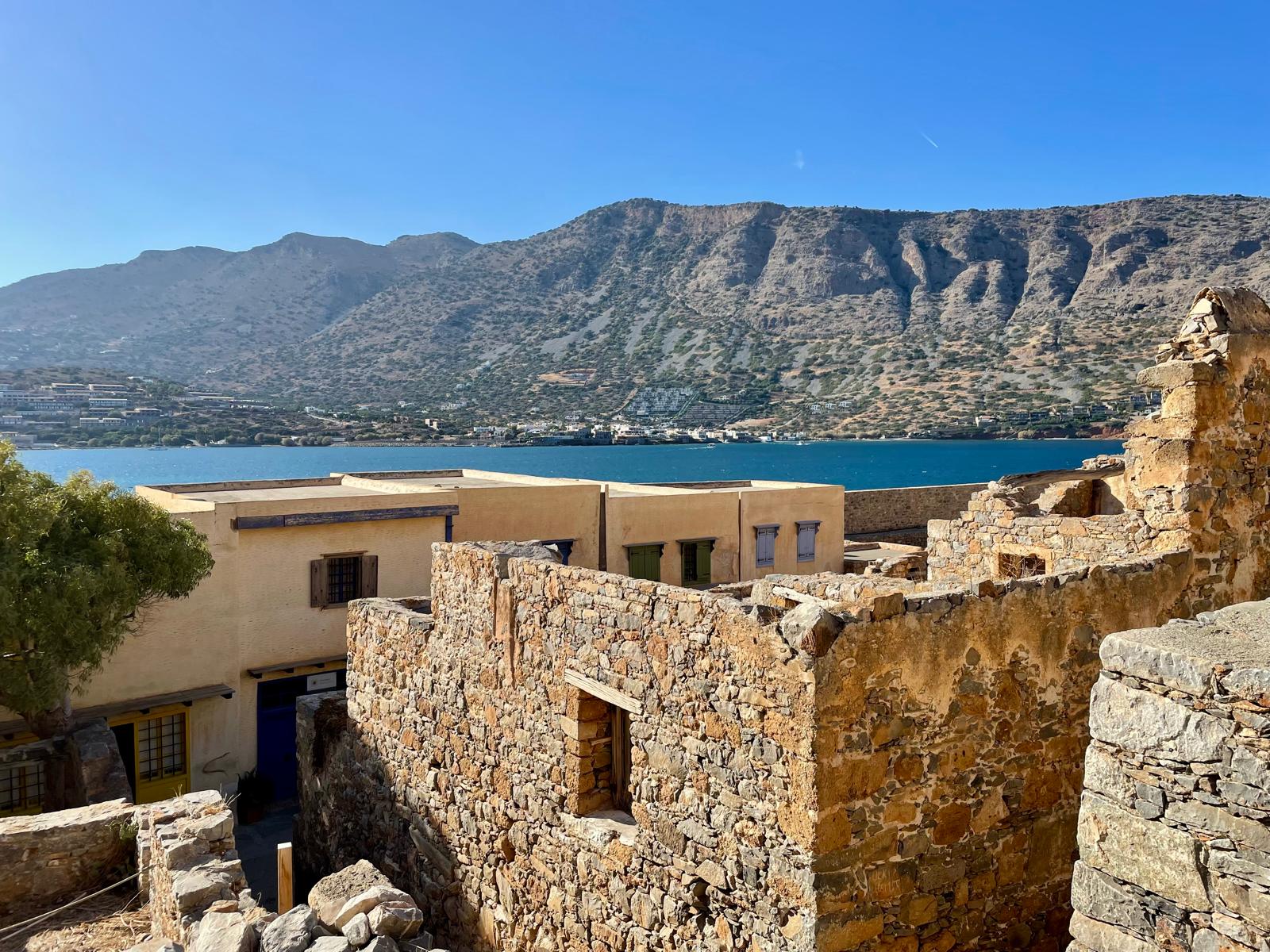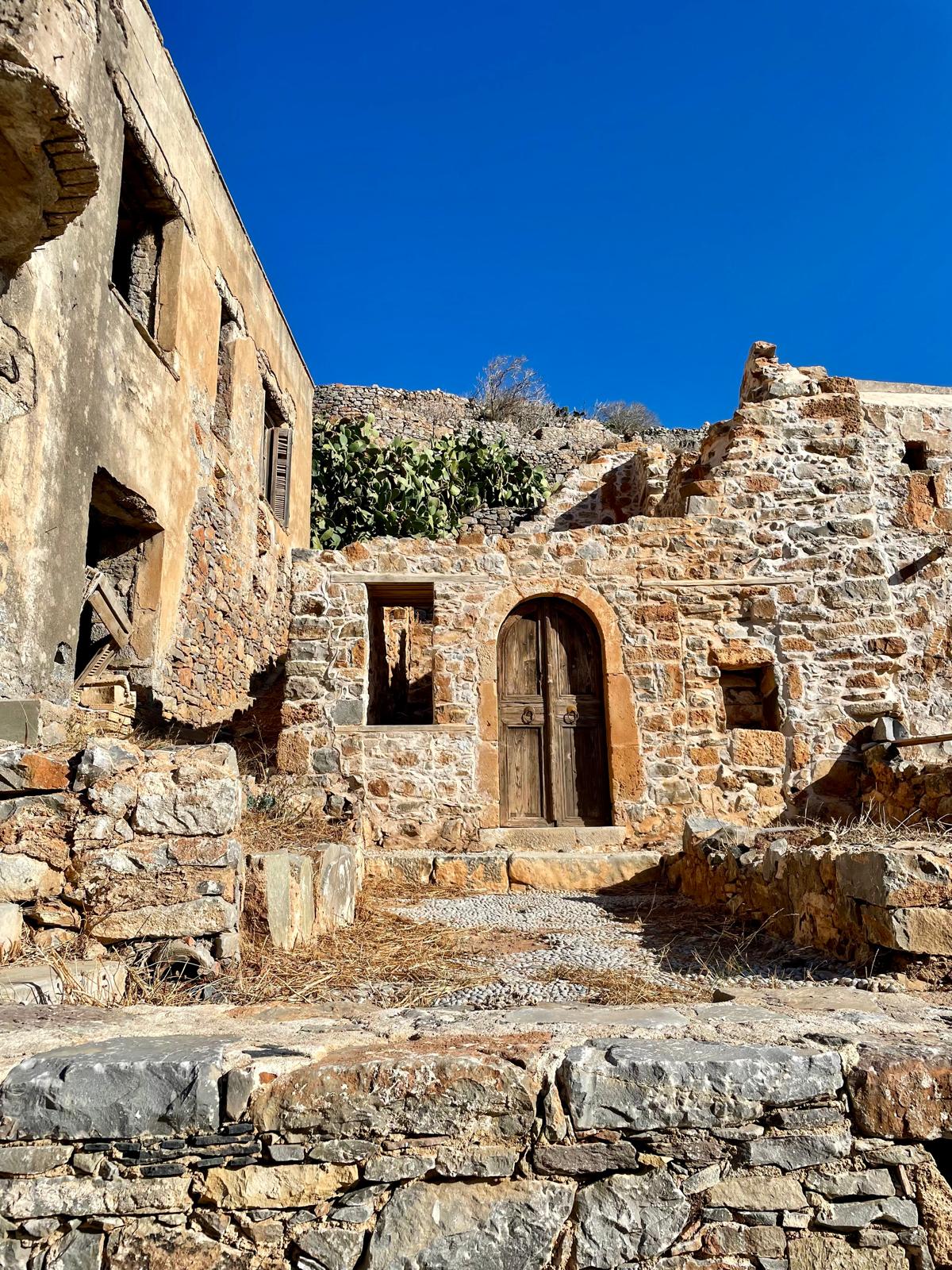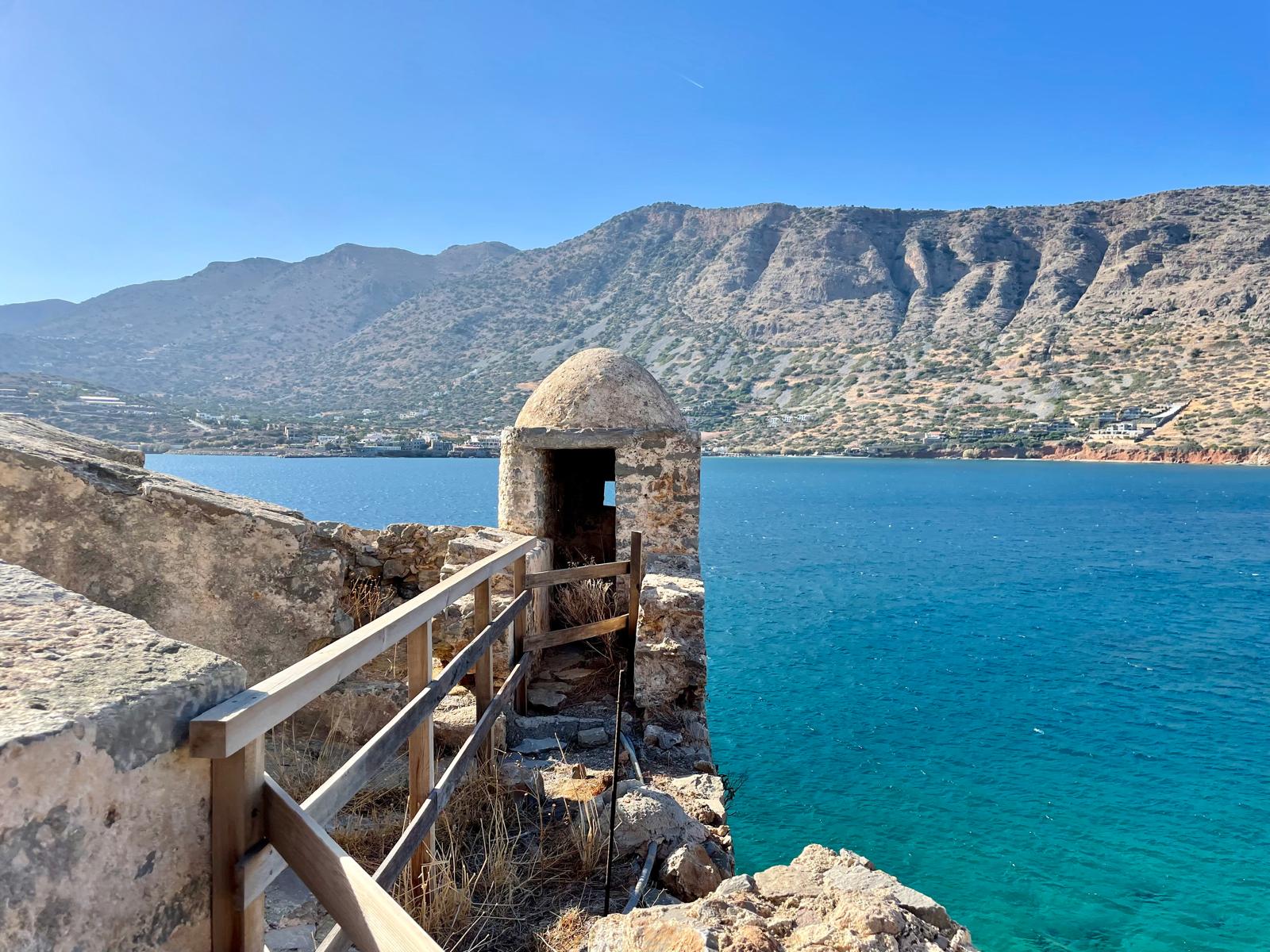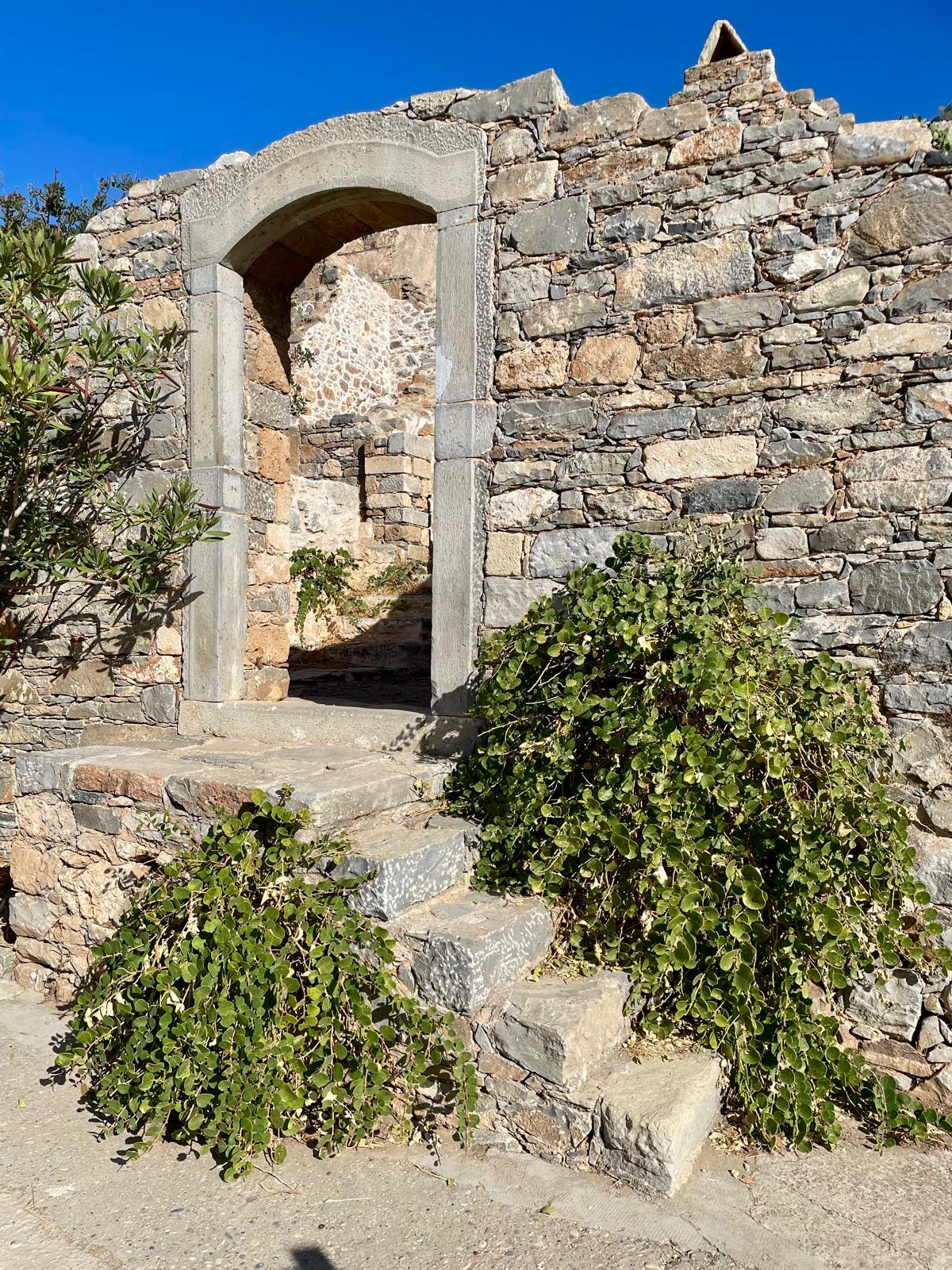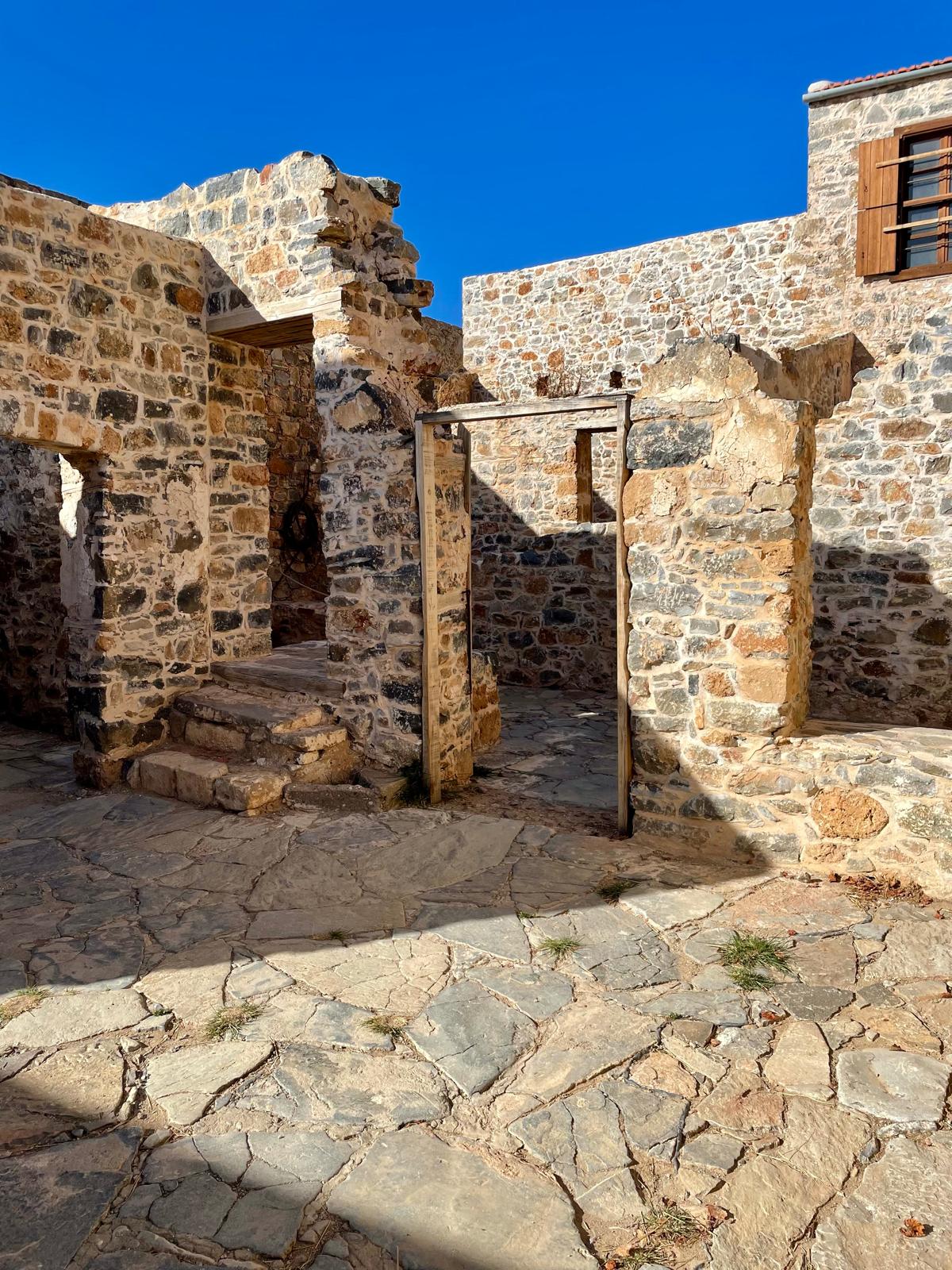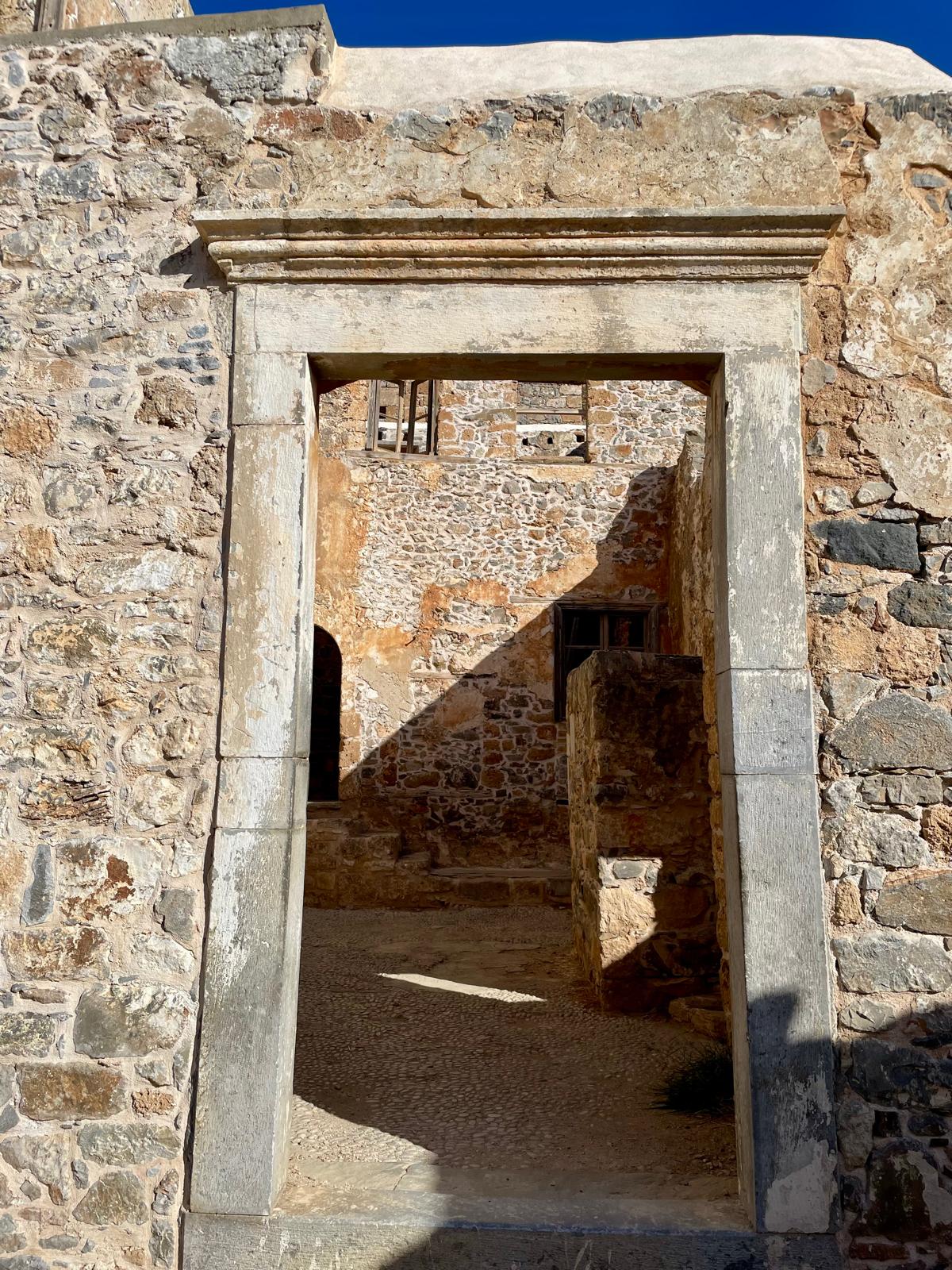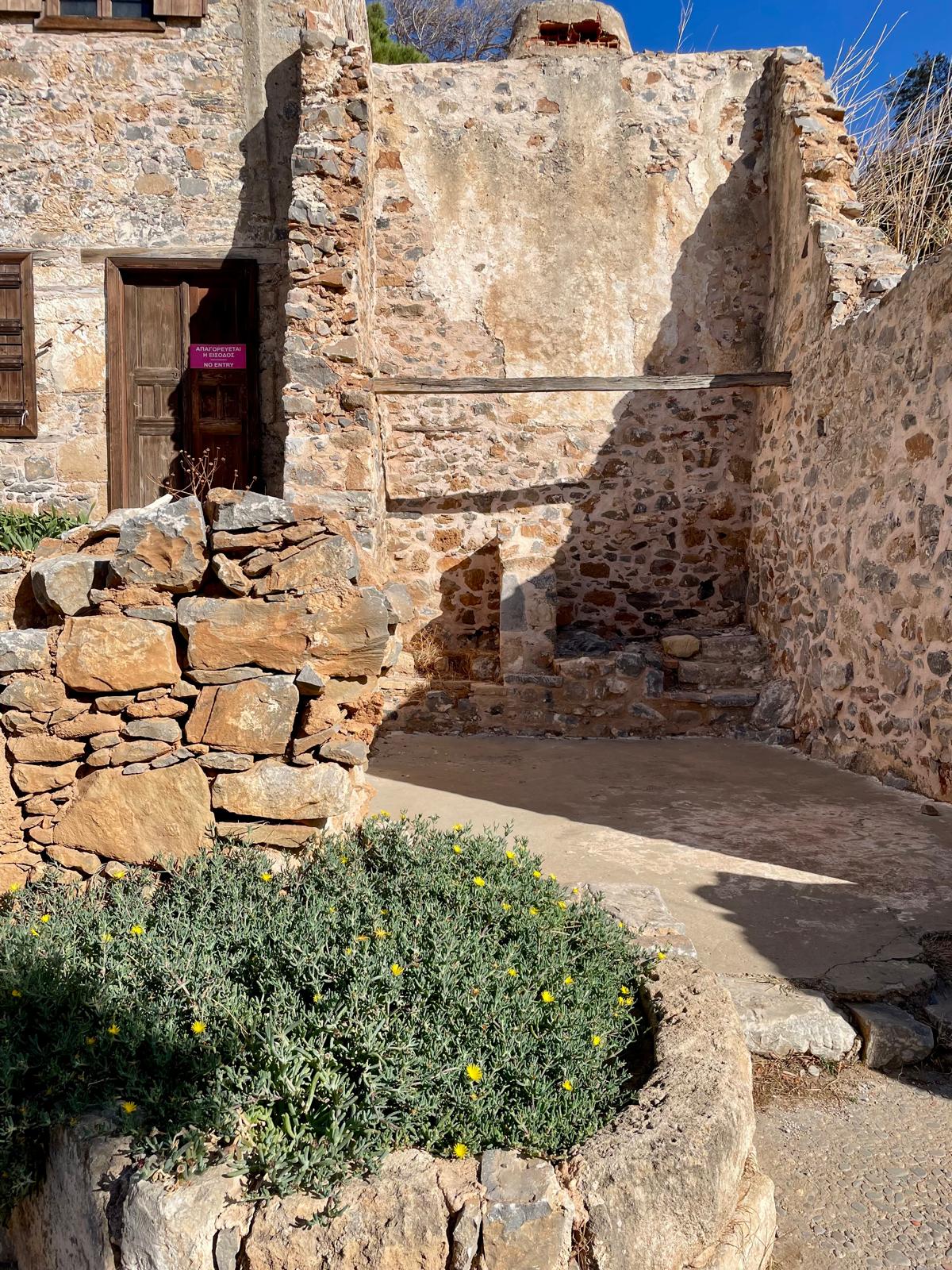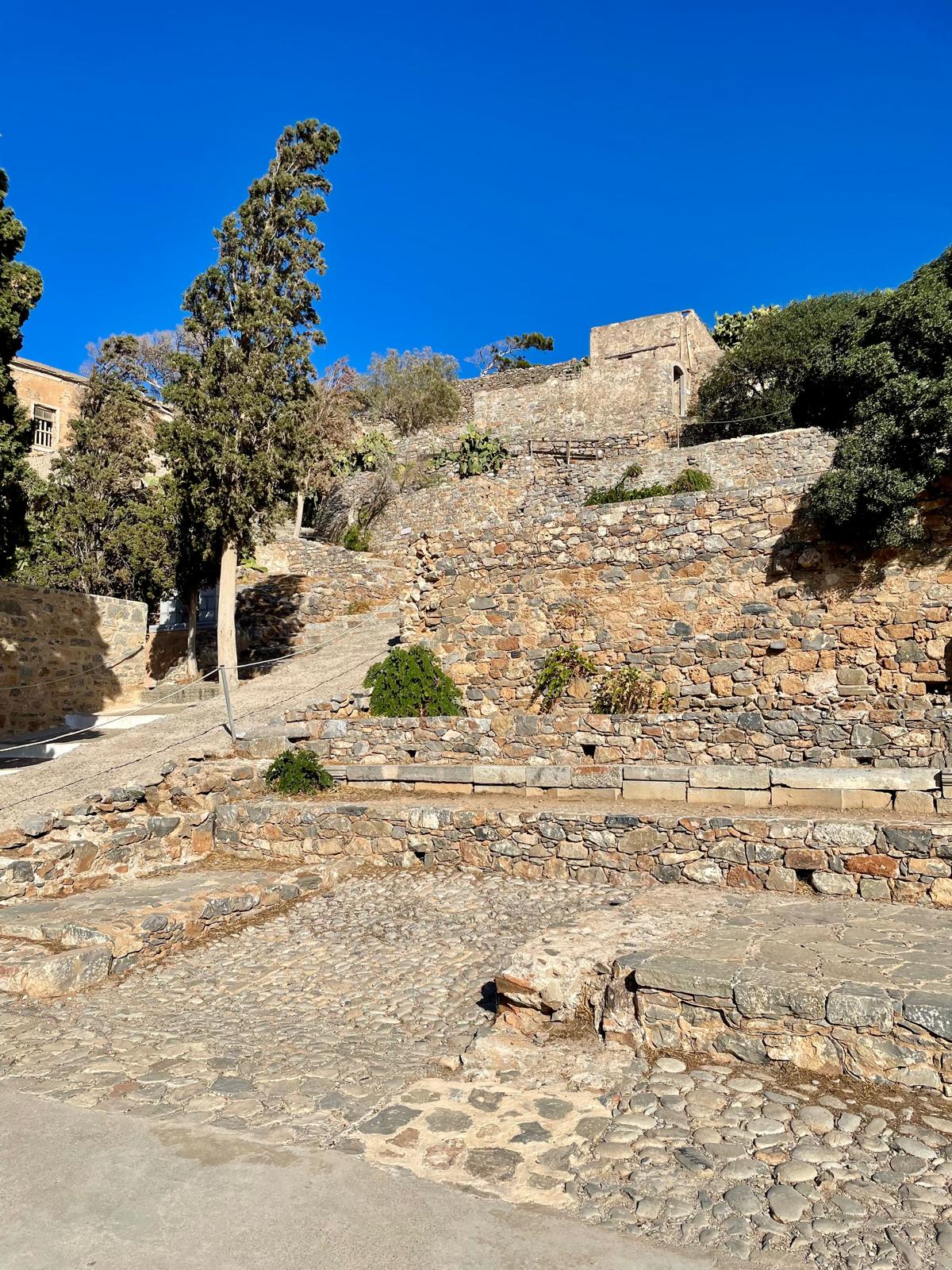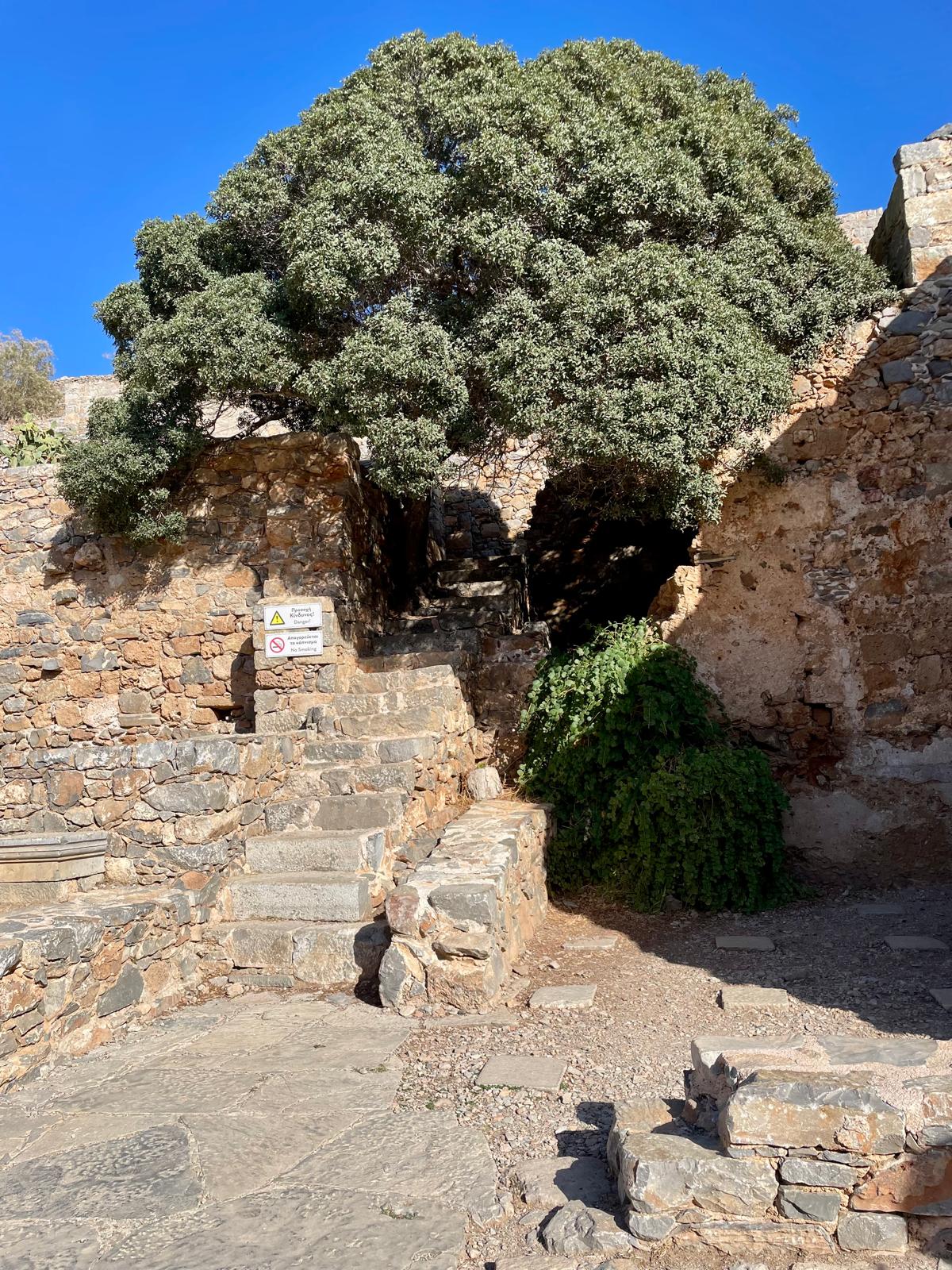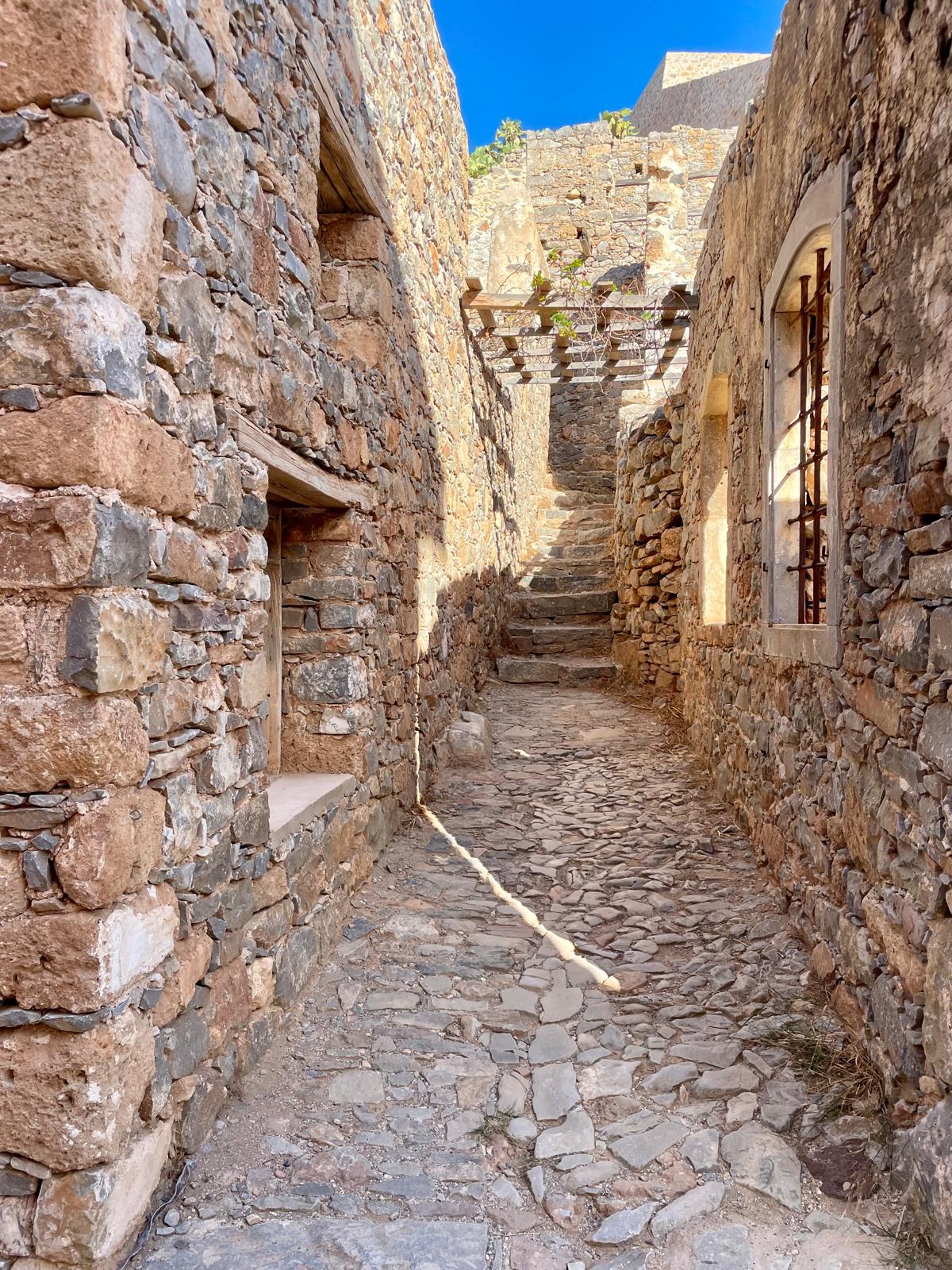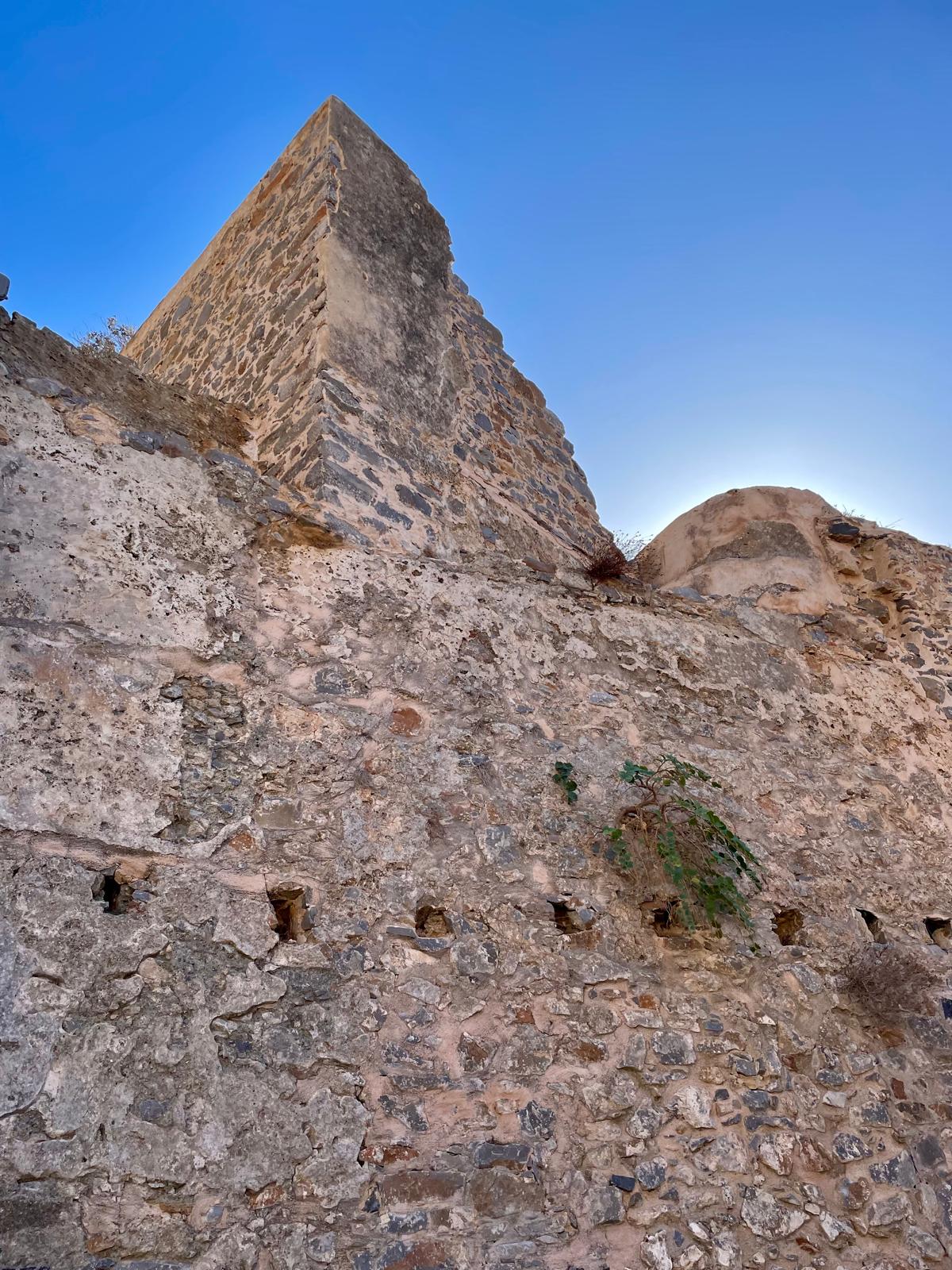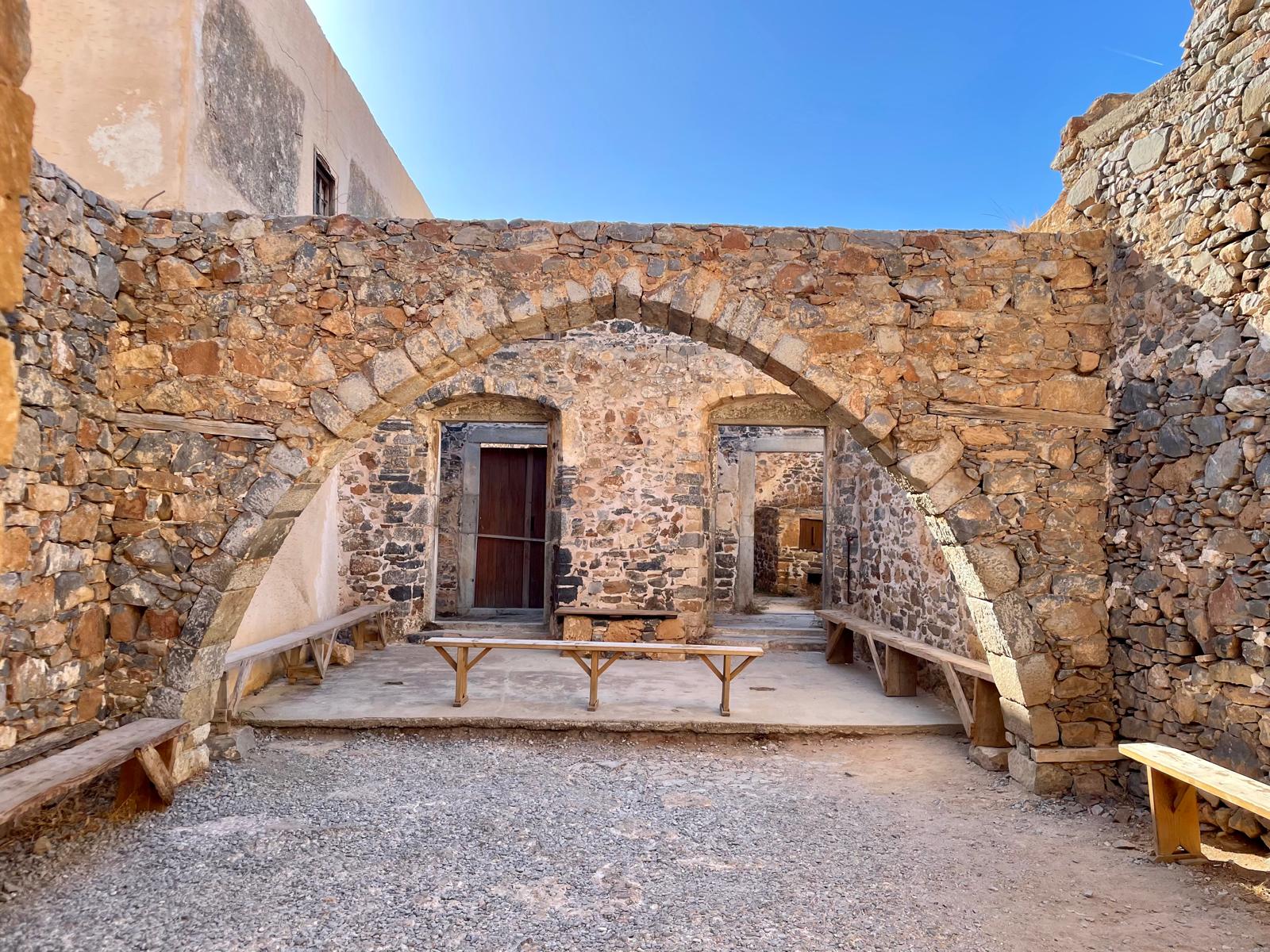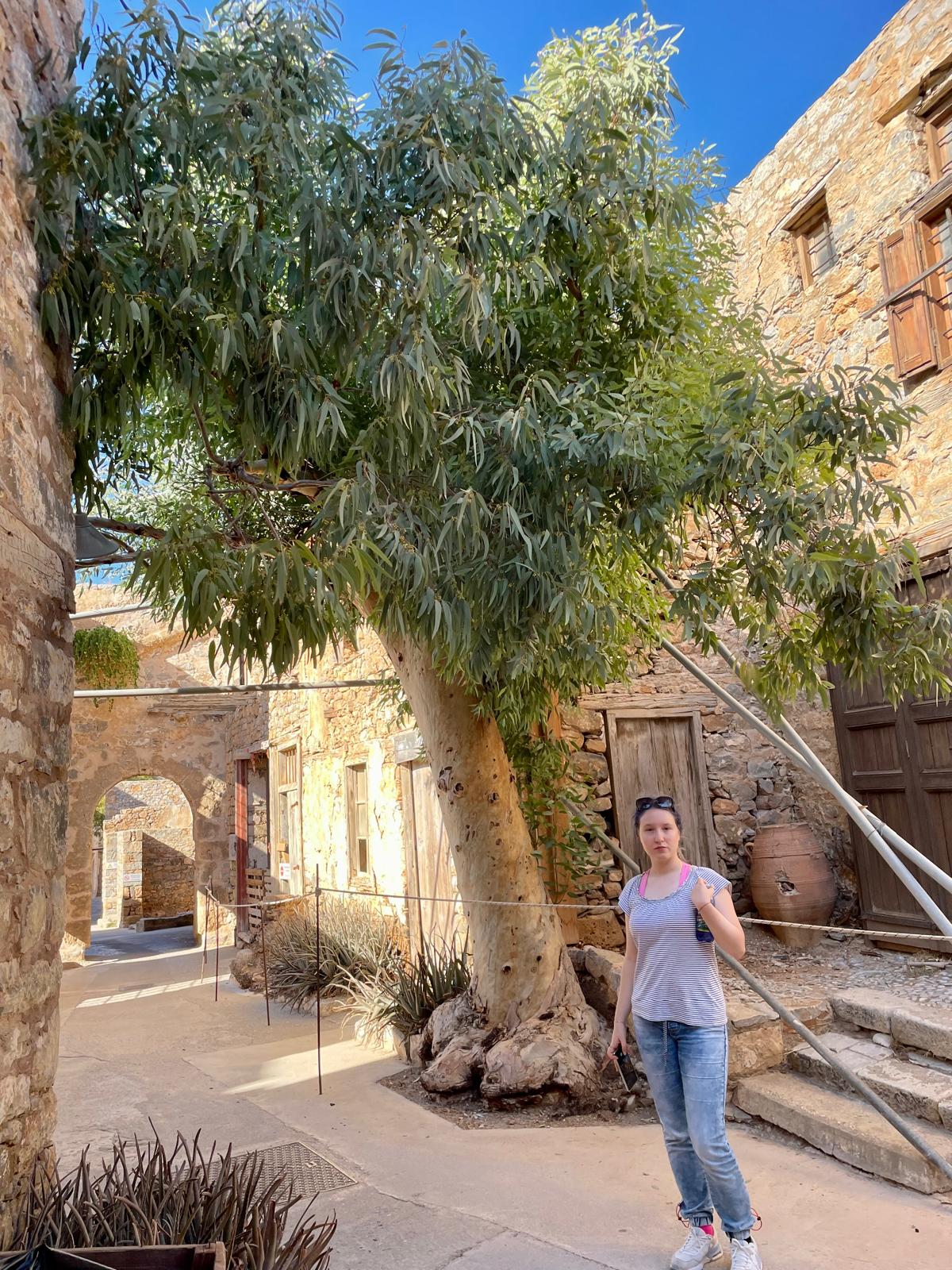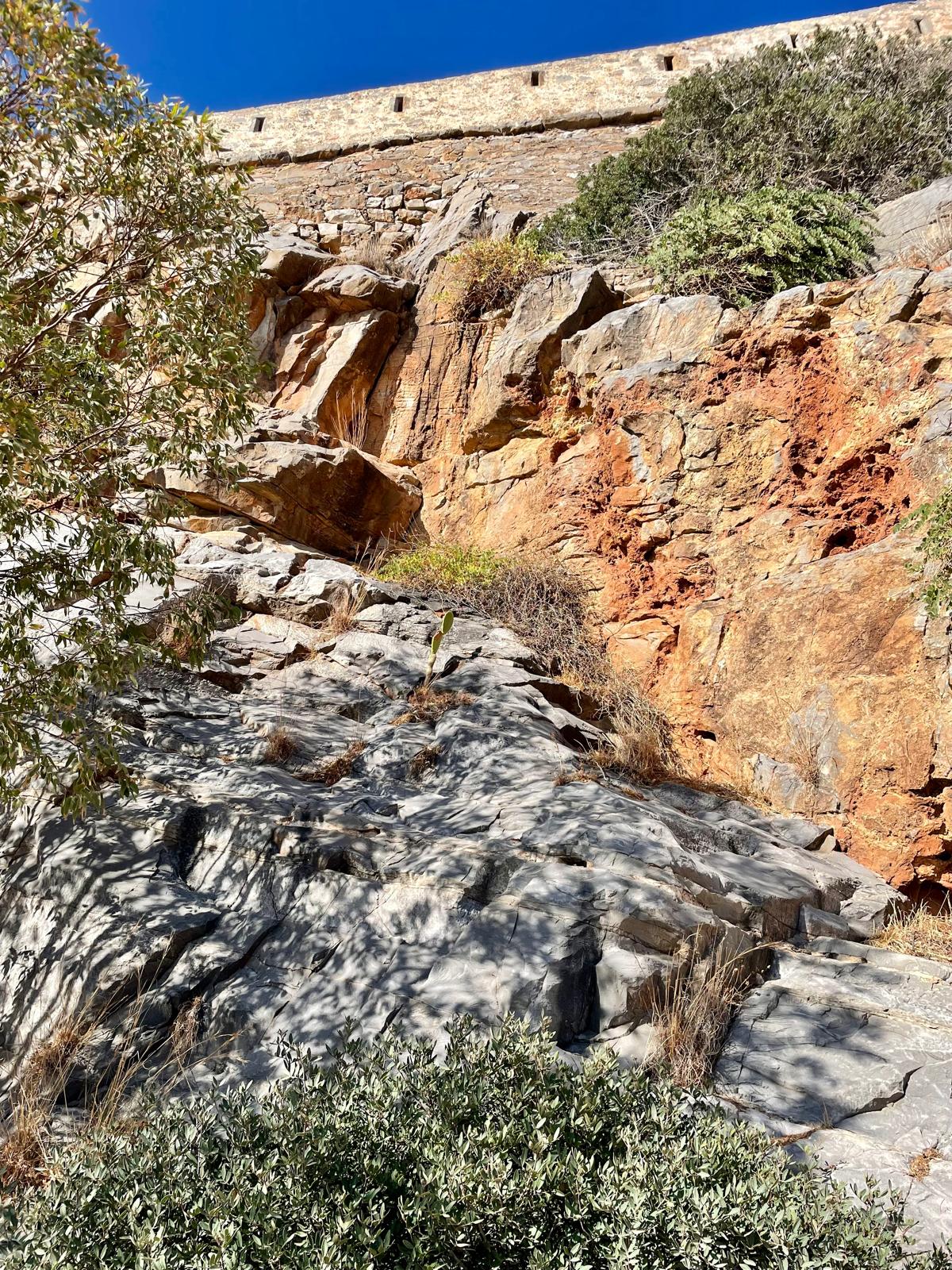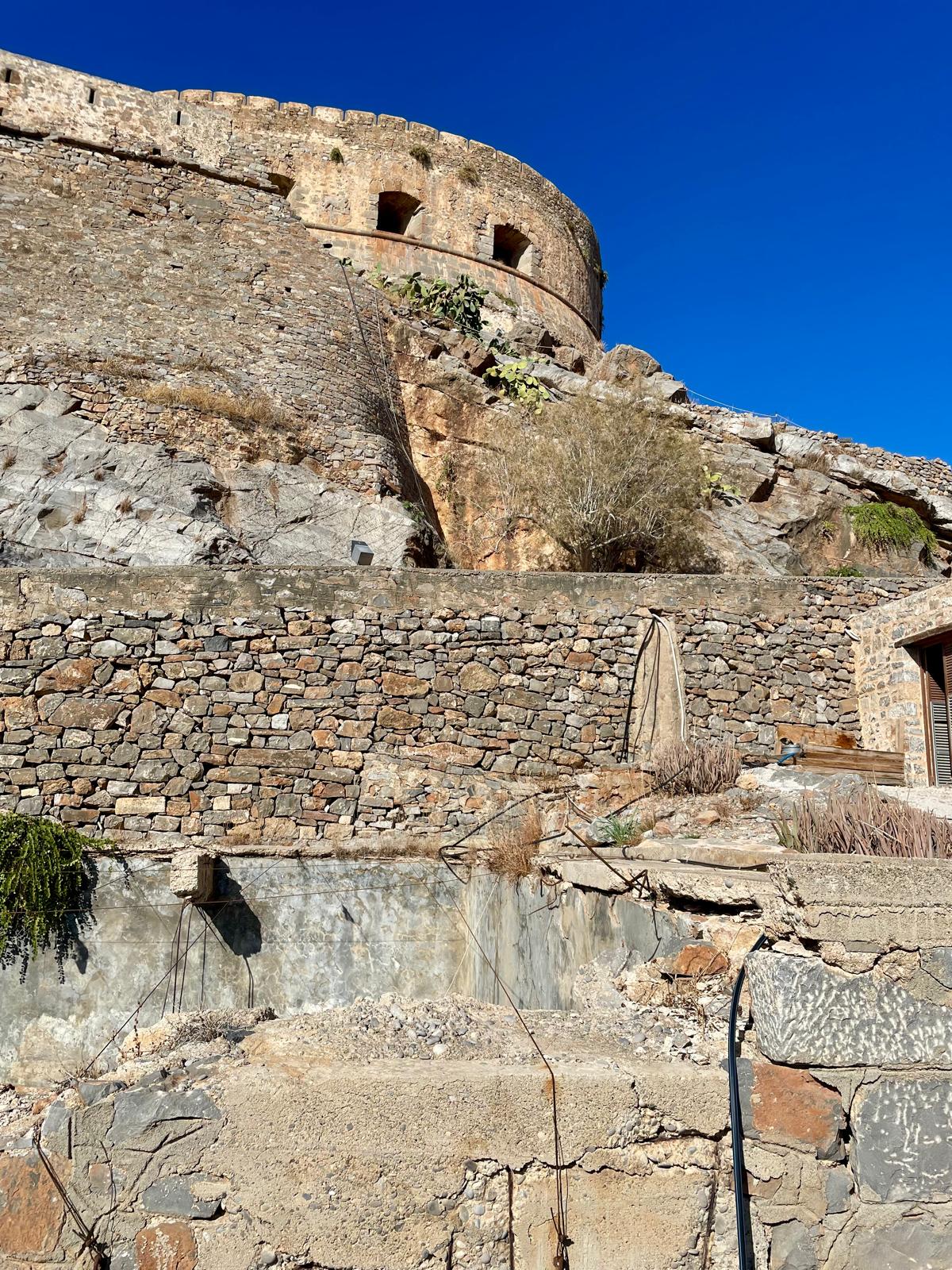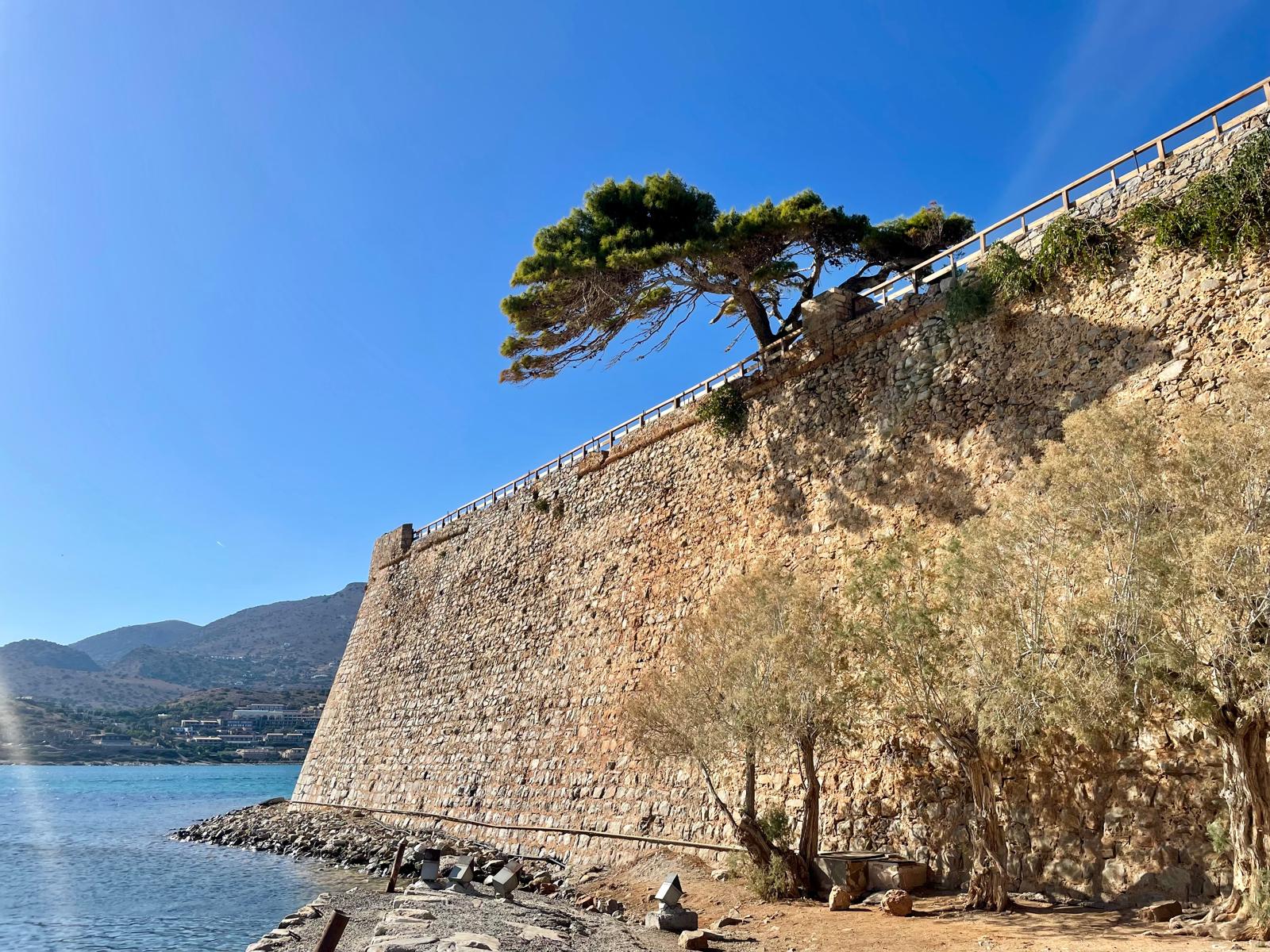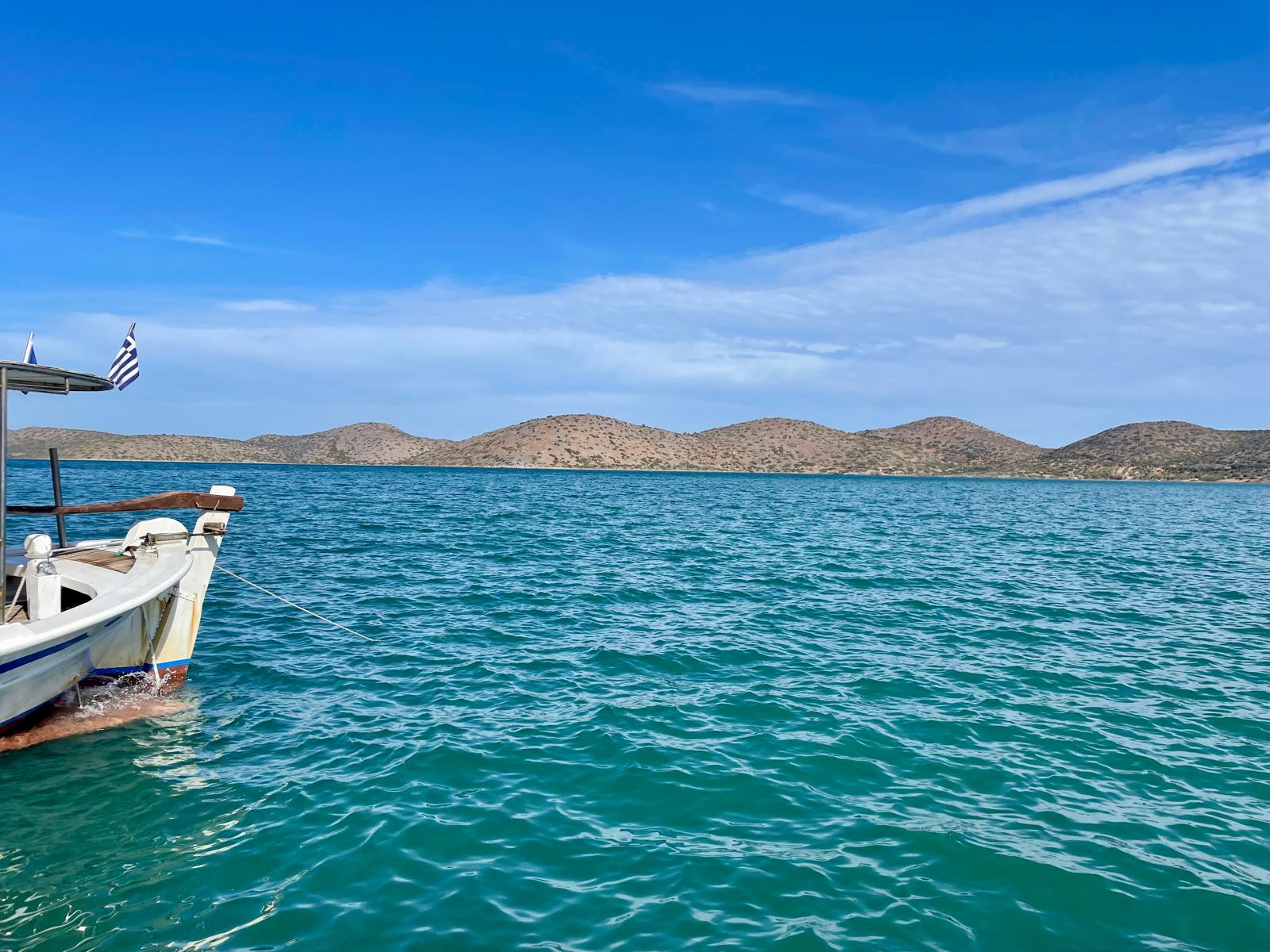
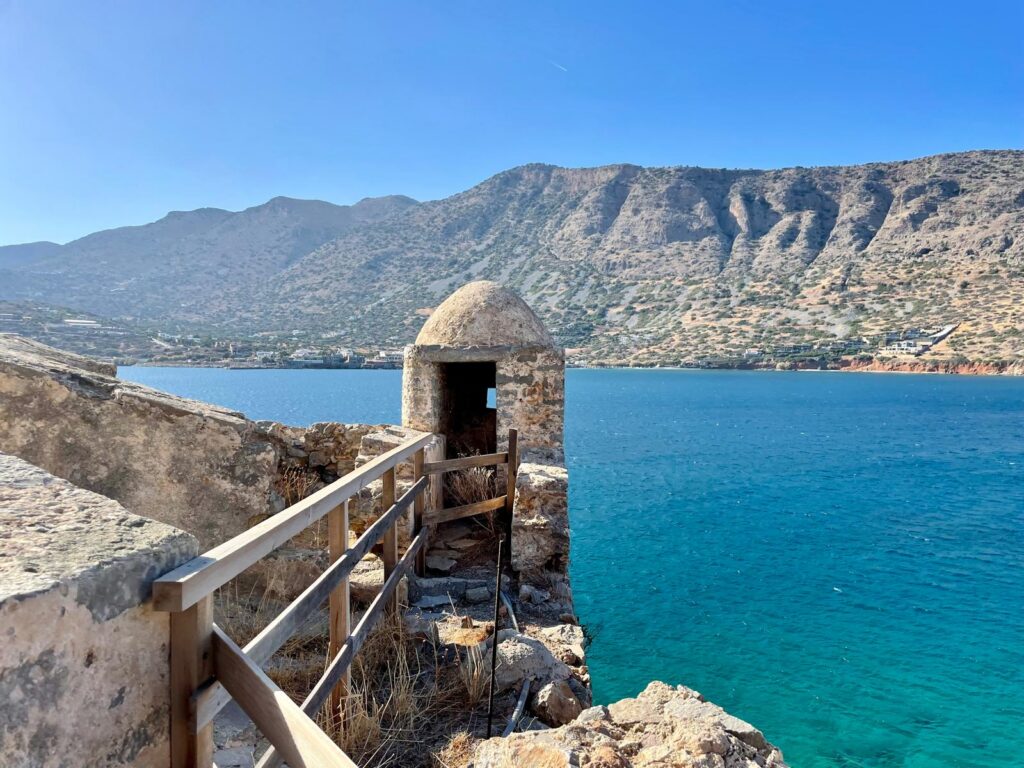
Spinalonga is an island located in the picturesque Mirabello Bay, about one kilometre off the northern coast of eastern Crete. It is a place with a fascinating history. First, it was a powerful Venetian fortress that protected Crete from invaders for centuries. Later, it became the largest and last active leper colony in Europe. Because of its past, the island has become a symbol of exclusion and the extraordinary strength of spirit of the people who lived and died there in solitude.
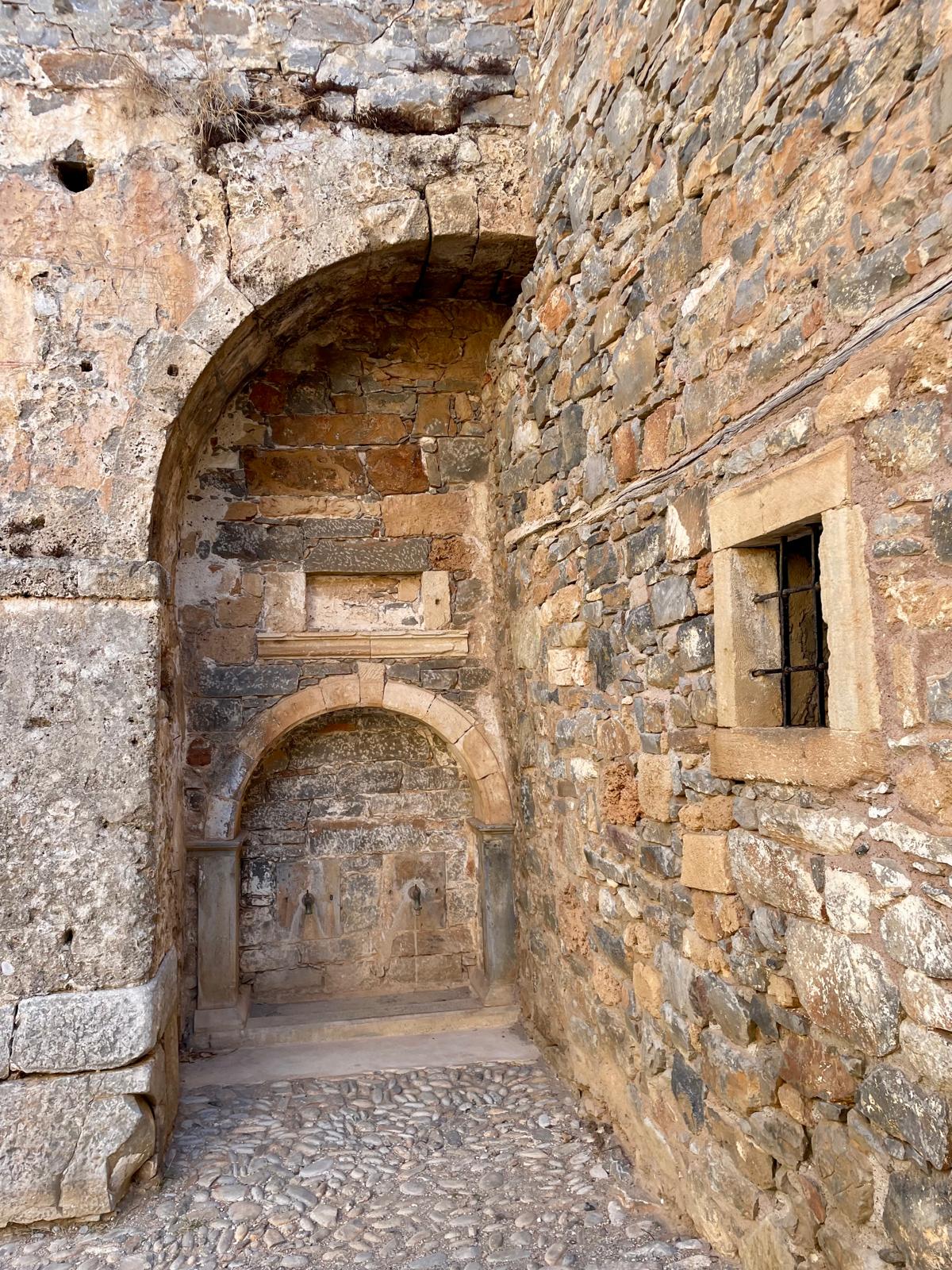
Its history is long and complex. The Venetian period lasted from 1579 to 1715. In 1579, the Venetians began building a massive fortress on the island. Its purpose was to protect Crete from pirate raids and Ottoman attacks due to its strategic location. Crete lies at the crossroads of three continents — Europe, Africa and Asia — and has always been crucial for trade routes across the Mediterranean. For more than a century, Spinalonga was an important part of the Venetian defence system. The fortress served both as a military stronghold and as a refuge for civilians during sieges. The Venetians controlled the island until 1715, when it was taken over by the Ottoman Turks.
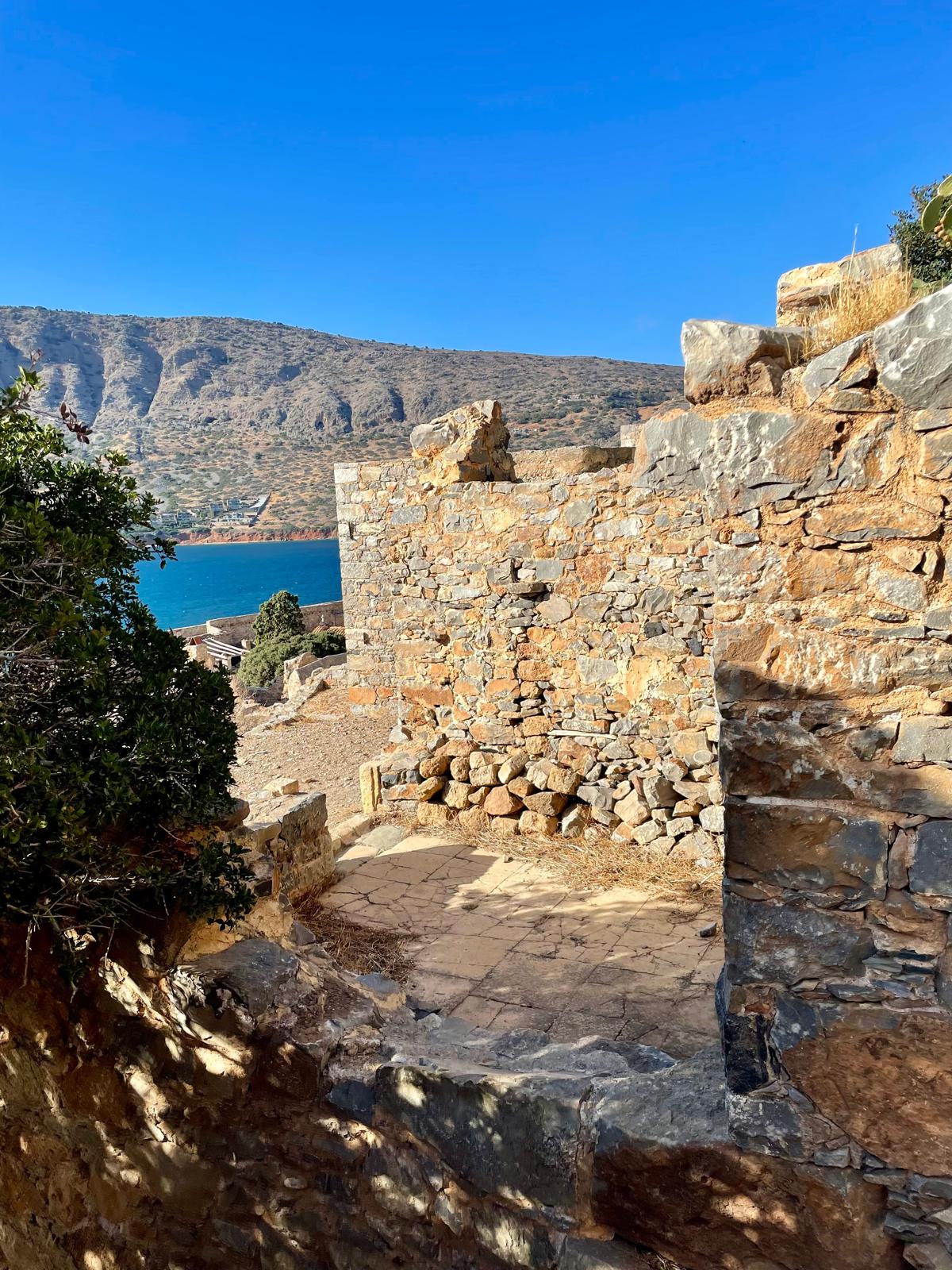
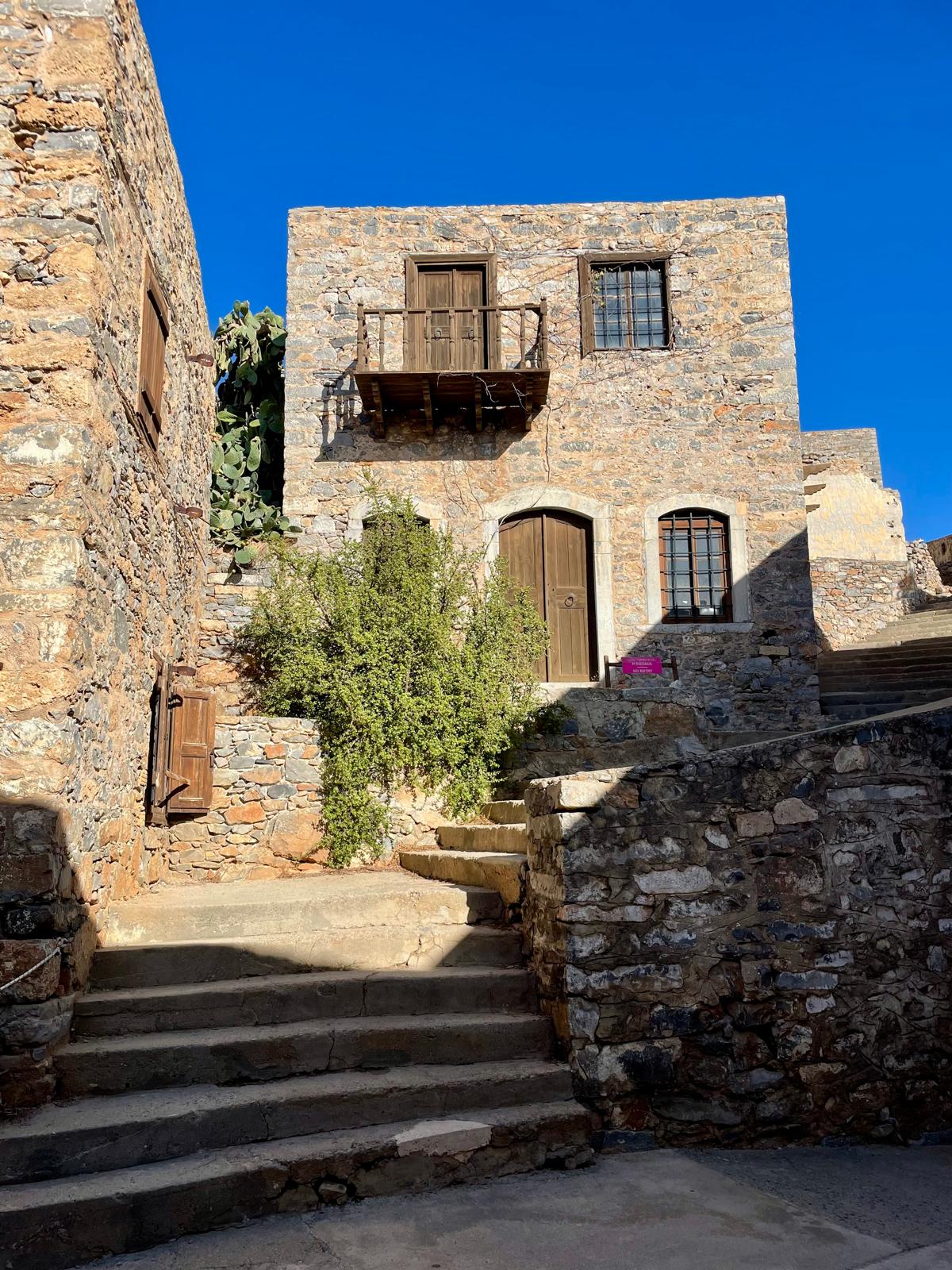
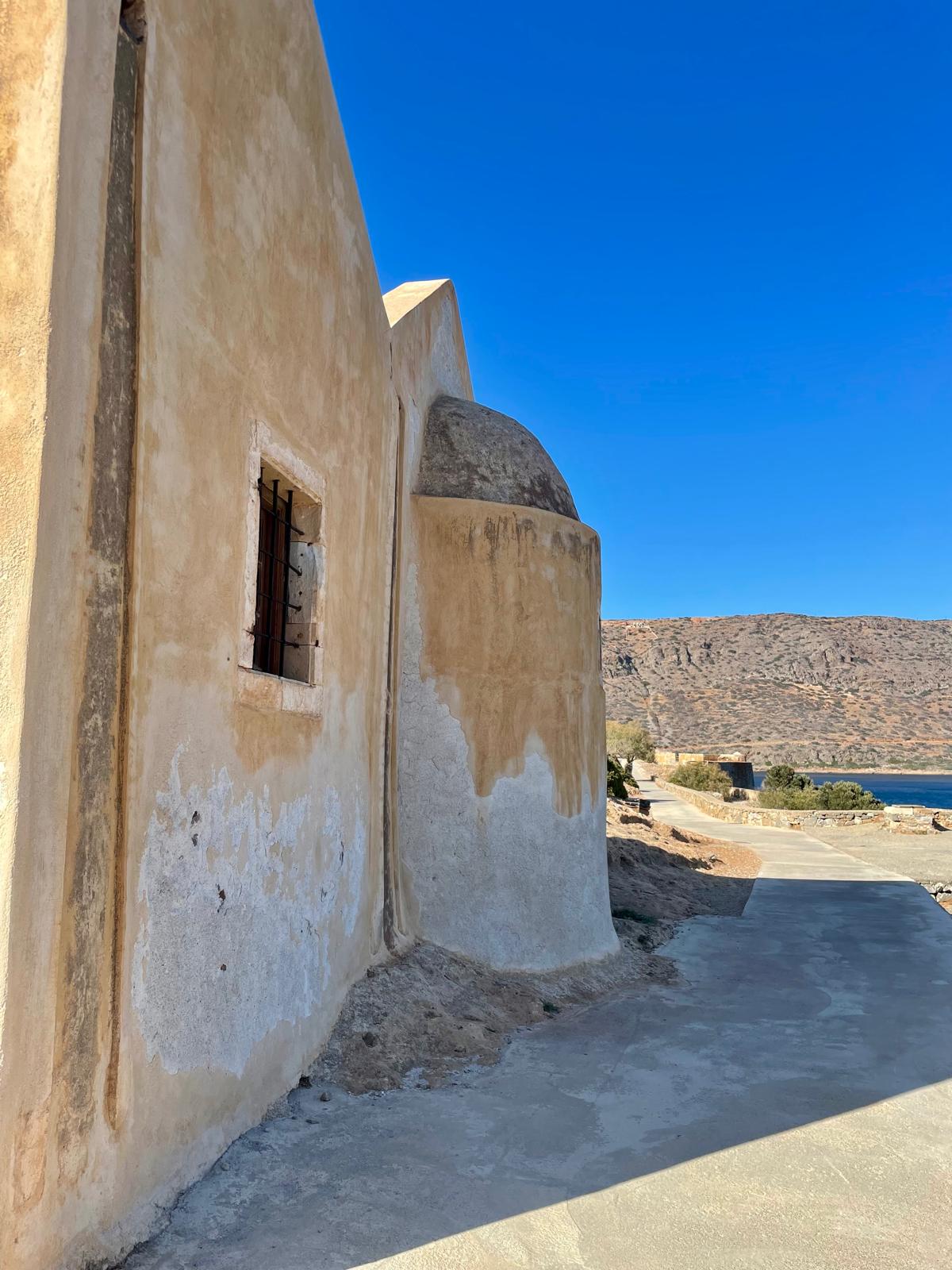
For nearly 200 years (1715–1903), the island was under Ottoman rule. After taking control, the Turks settled on Spinalonga, turning it into a thriving community and an international port. During this time, the island experienced significant development — mosques, baths and residential houses were built, many of which can still be seen today. The Turkish settlement grew and became an important trading point in the region. Because of the island’s defensive character, Muslim soldiers and their families lived there, and it also served as a place of exile and imprisonment for convicts from across Crete.
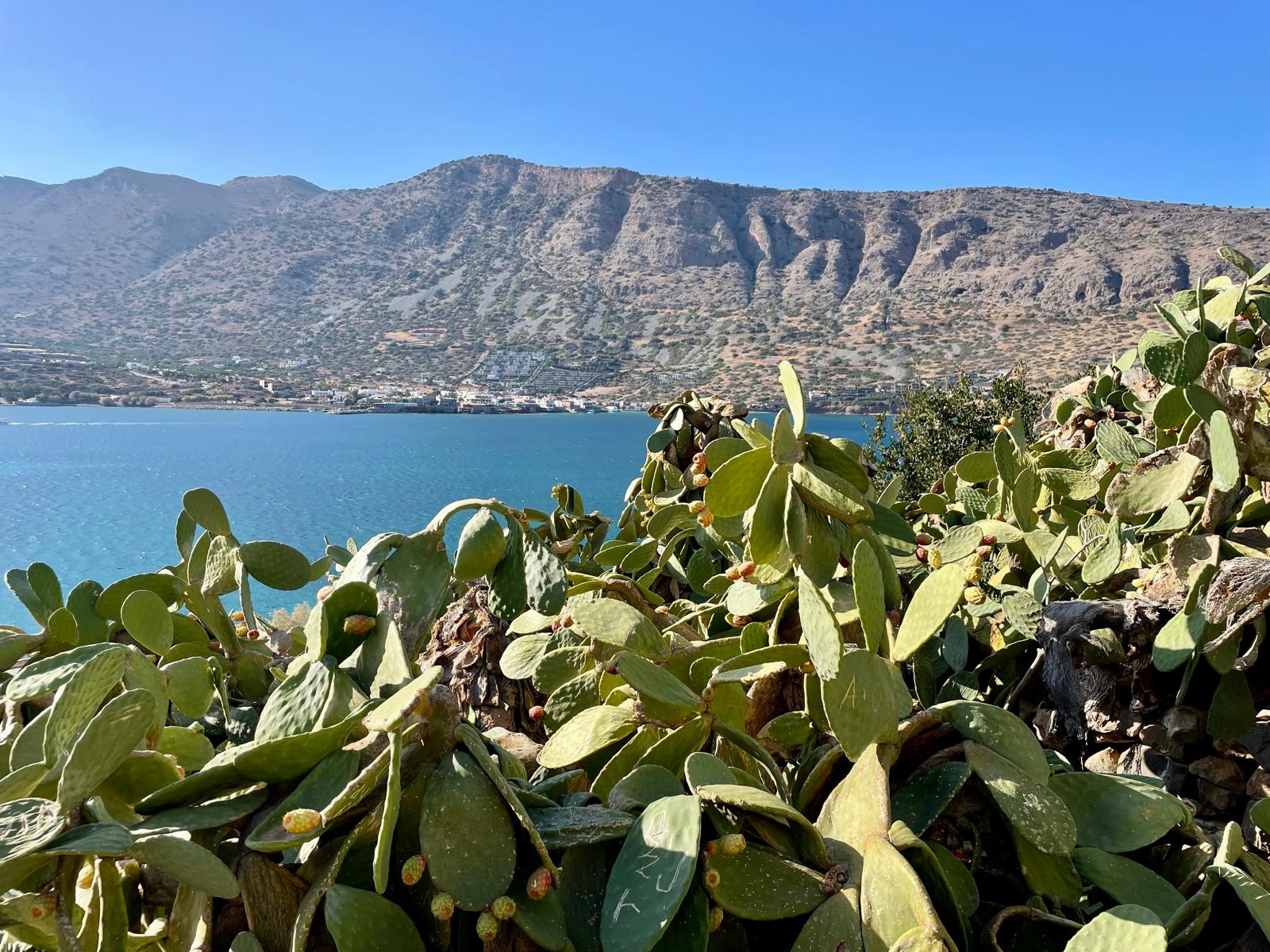
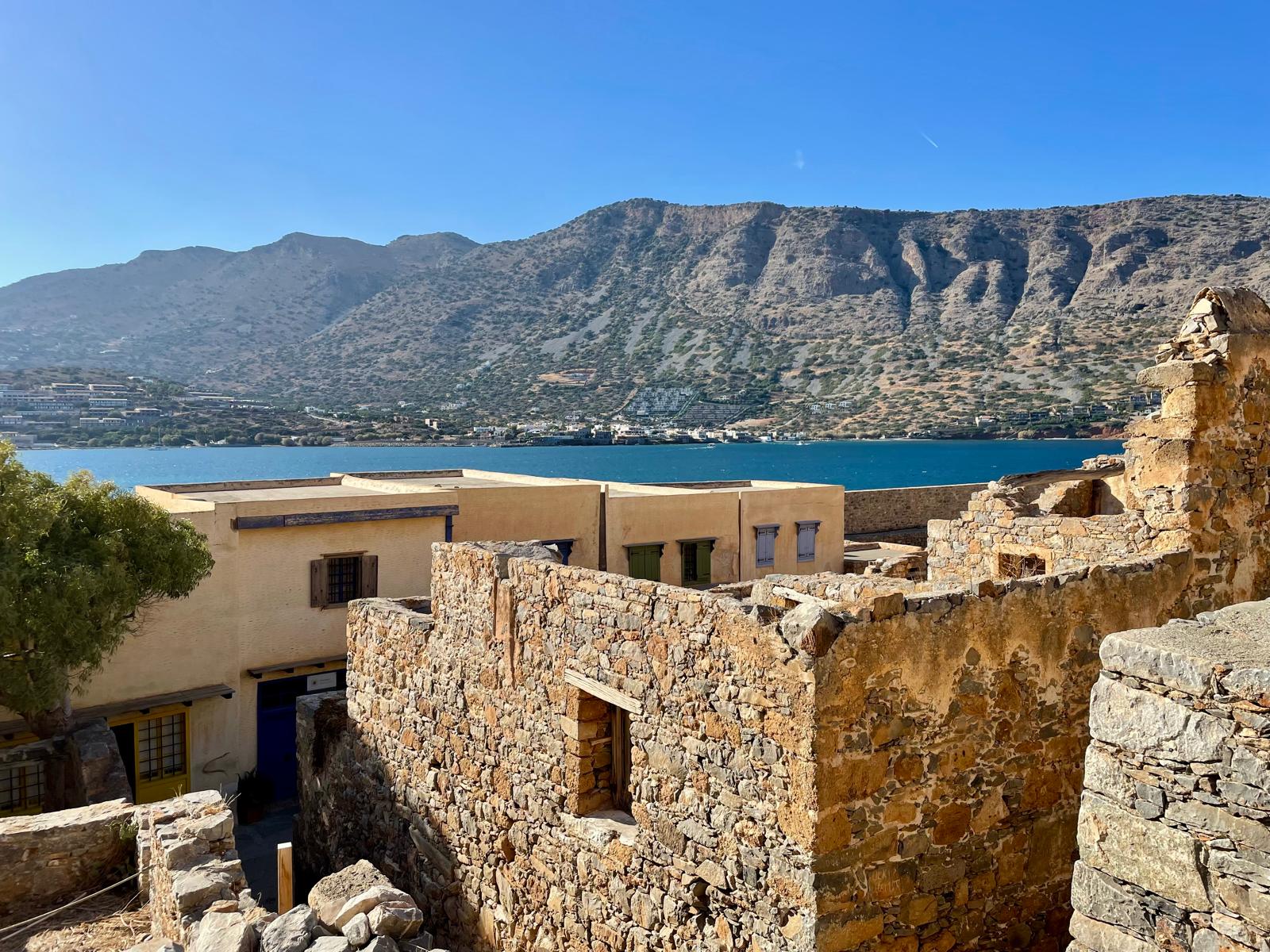
For almost two centuries, the island’s inhabitants engaged in lively trade, and Spinalonga’s port became an important transit point for ships sailing across the southeastern Aegean Sea.
In 1903, the island was transformed into a leper colony. The Turks left, but their architectural legacy remained.
From 1903 to 1915, people diagnosed with leprosy from all over Crete were sent to live on the island. They had to face not only their illness but also harsh living conditions. Over time, the colony functioned like any other community — with shops, workshops, schools and even theatres. The residents tried to lead normal lives, supporting one another and forming a strong, close knit society.
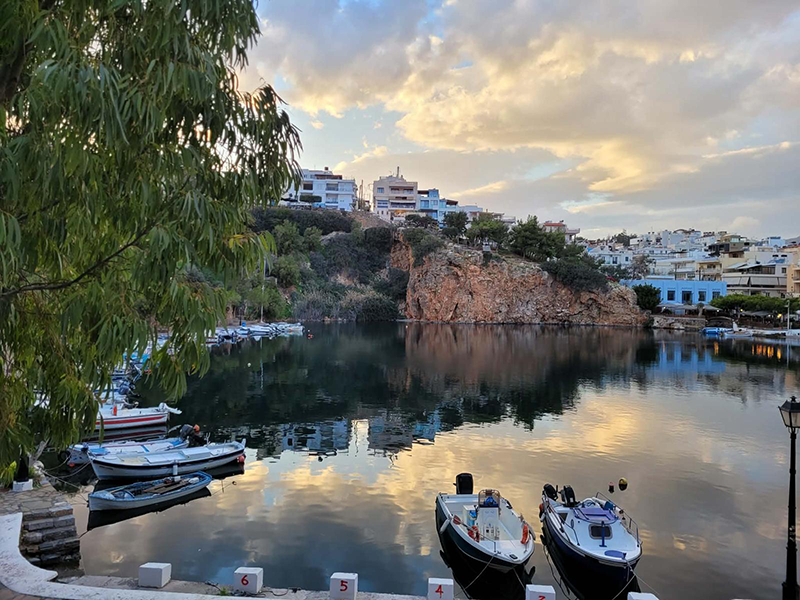
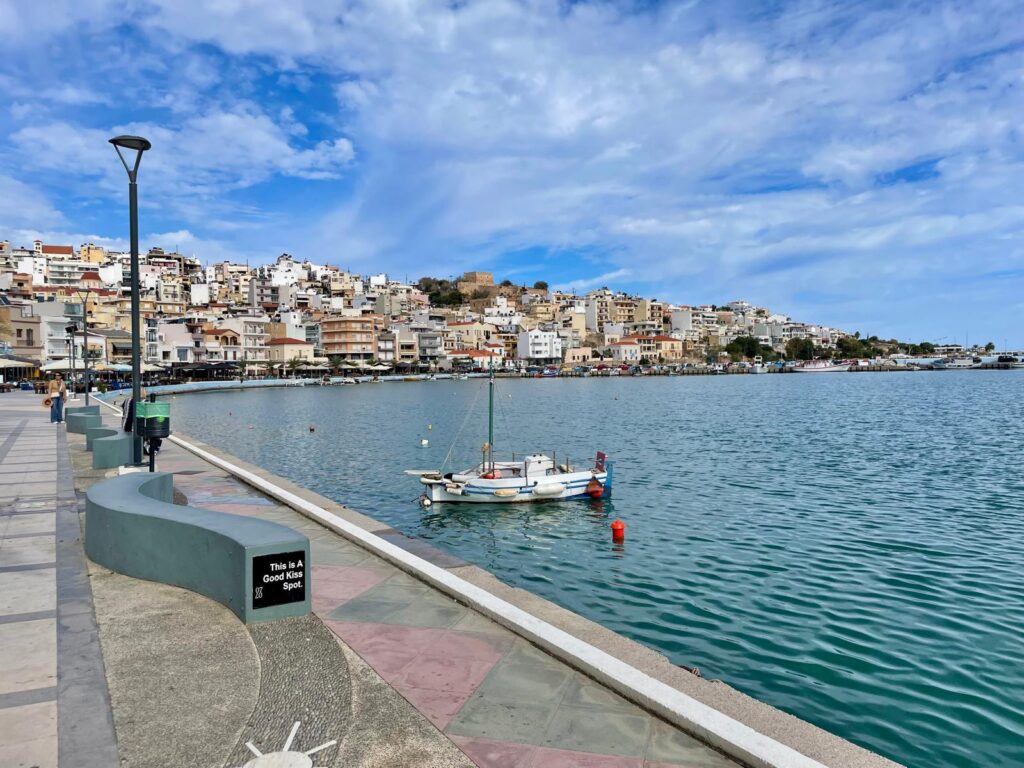
Boats to Spinalonga depart from Plaka, Elounda and Agios Nikolaos.
The well preserved fortress, Ottoman buildings and remains of the leper settlement leave a lasting impression on all who visit.