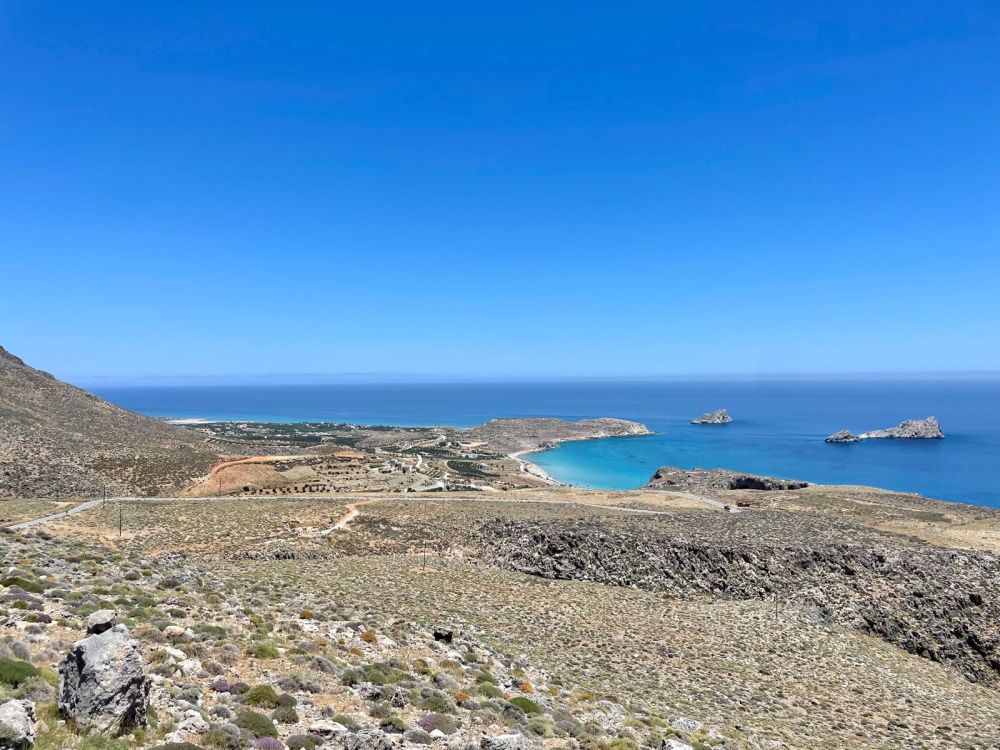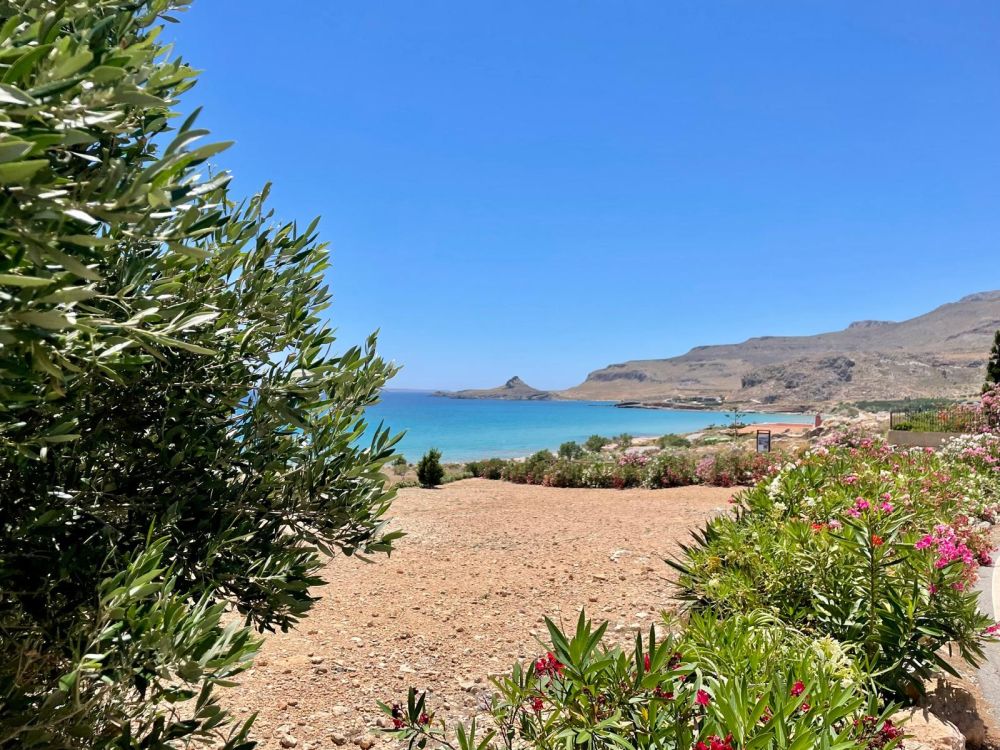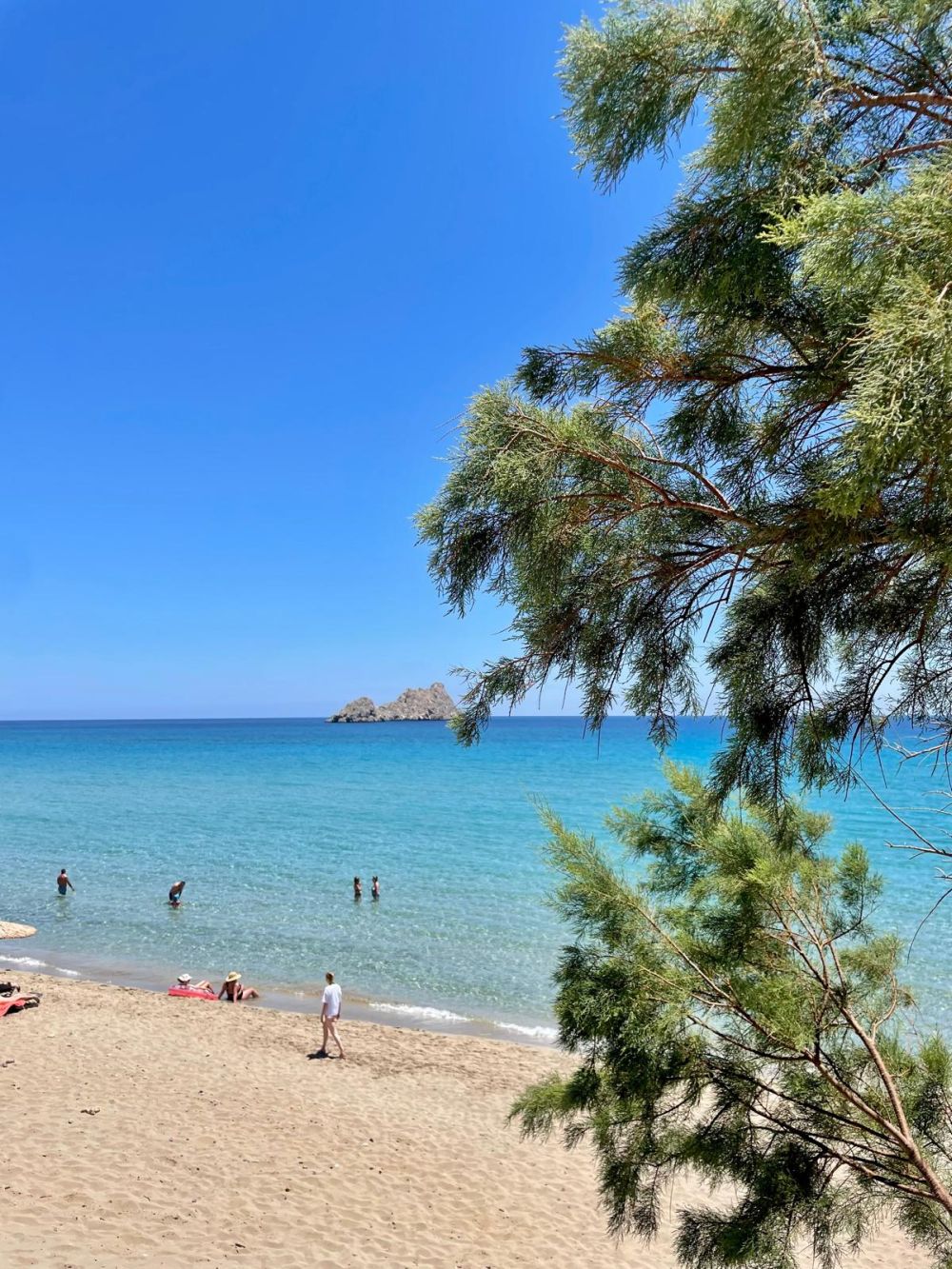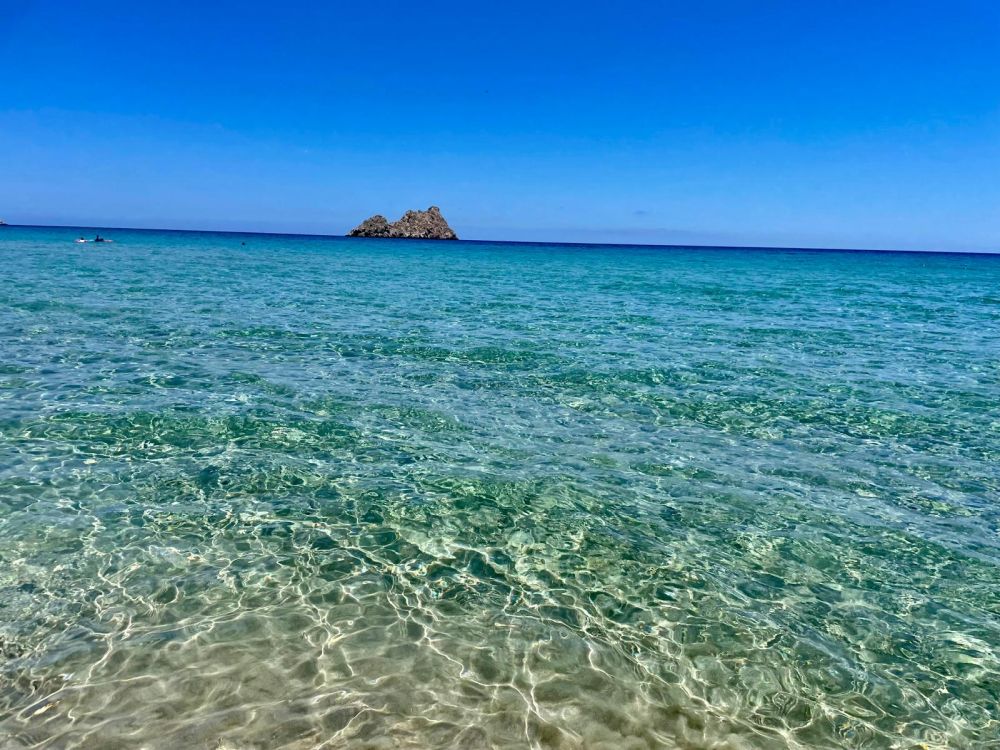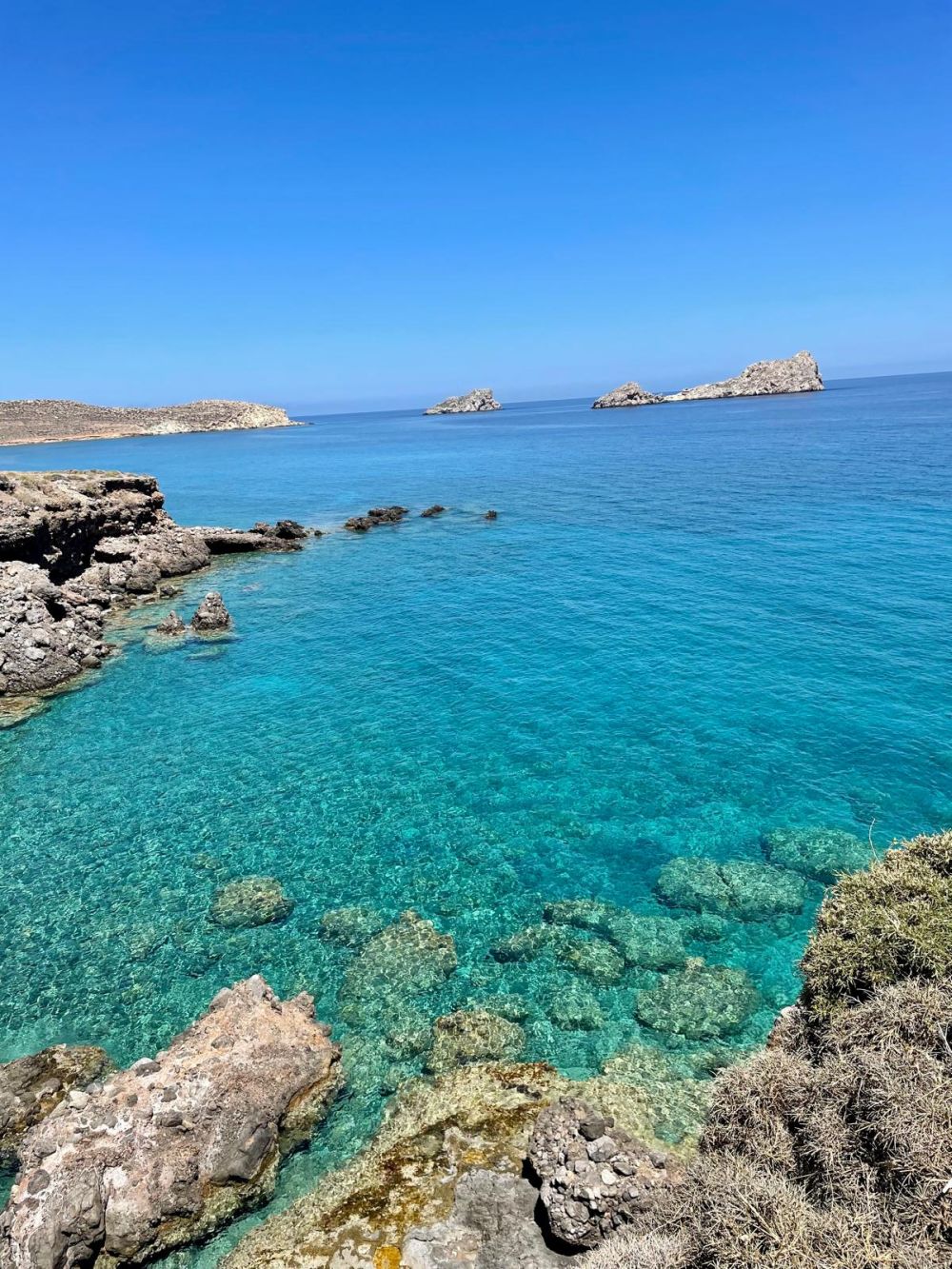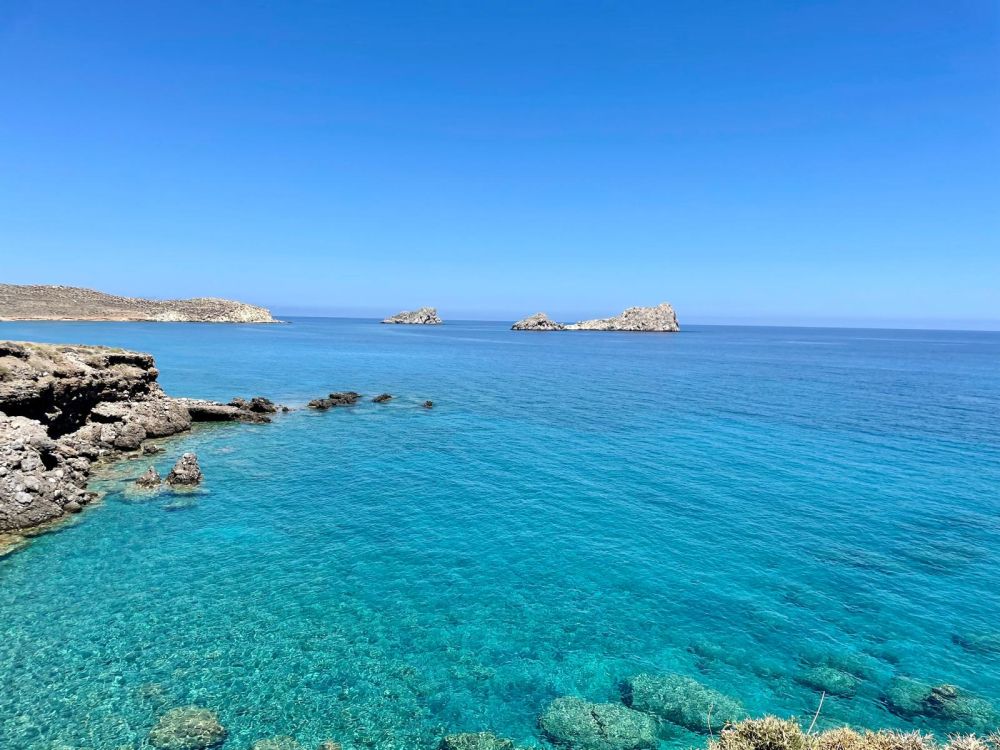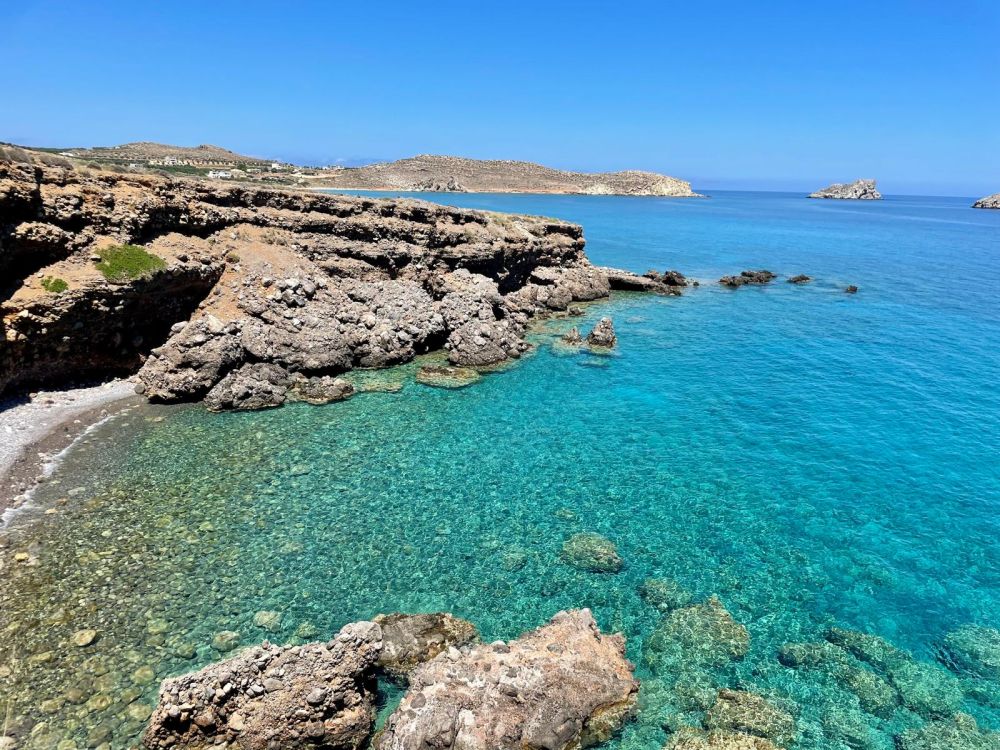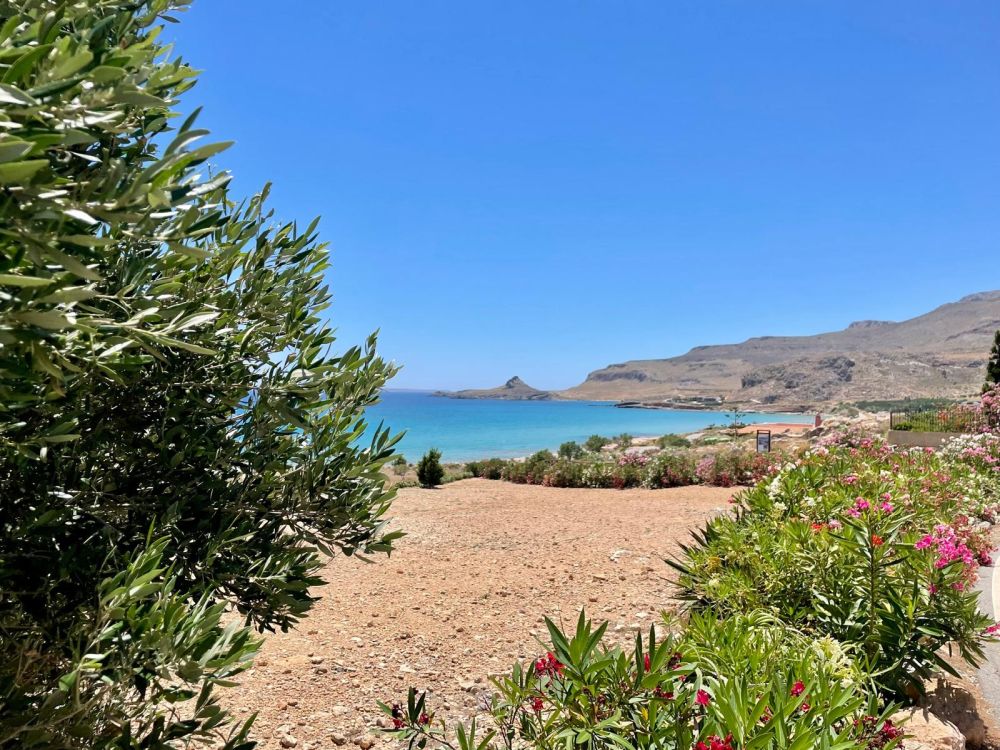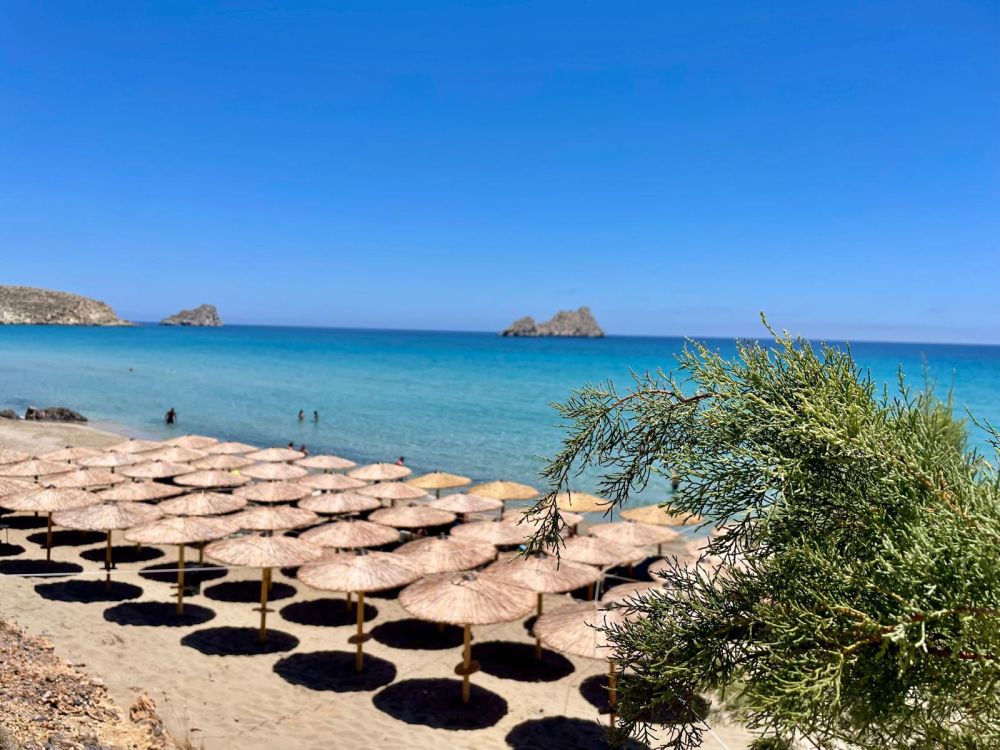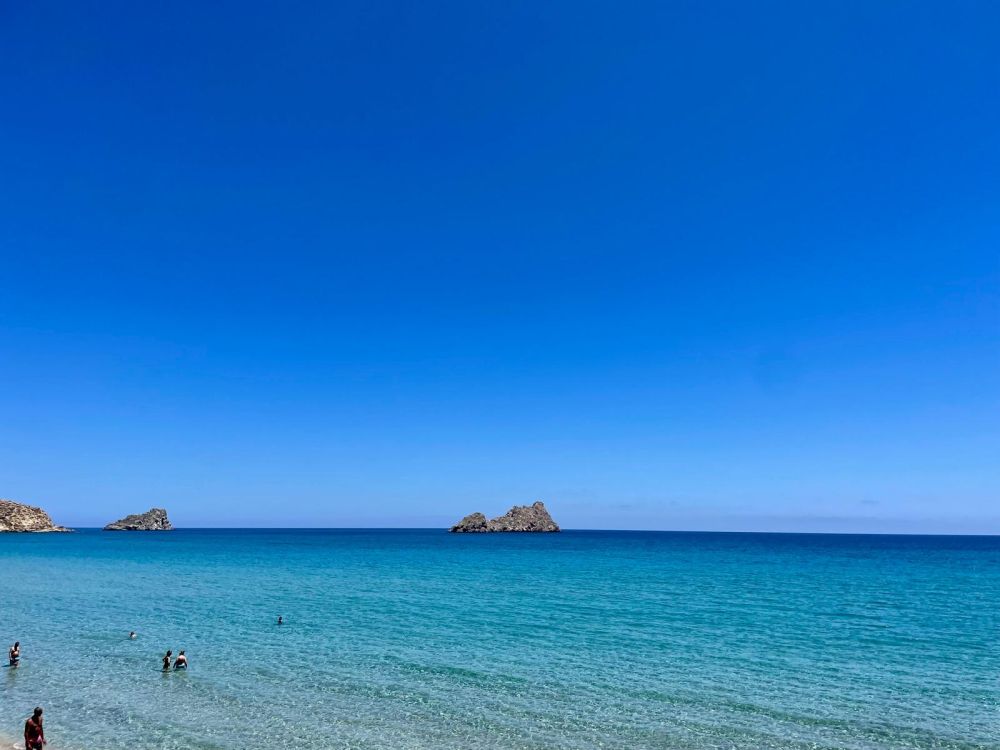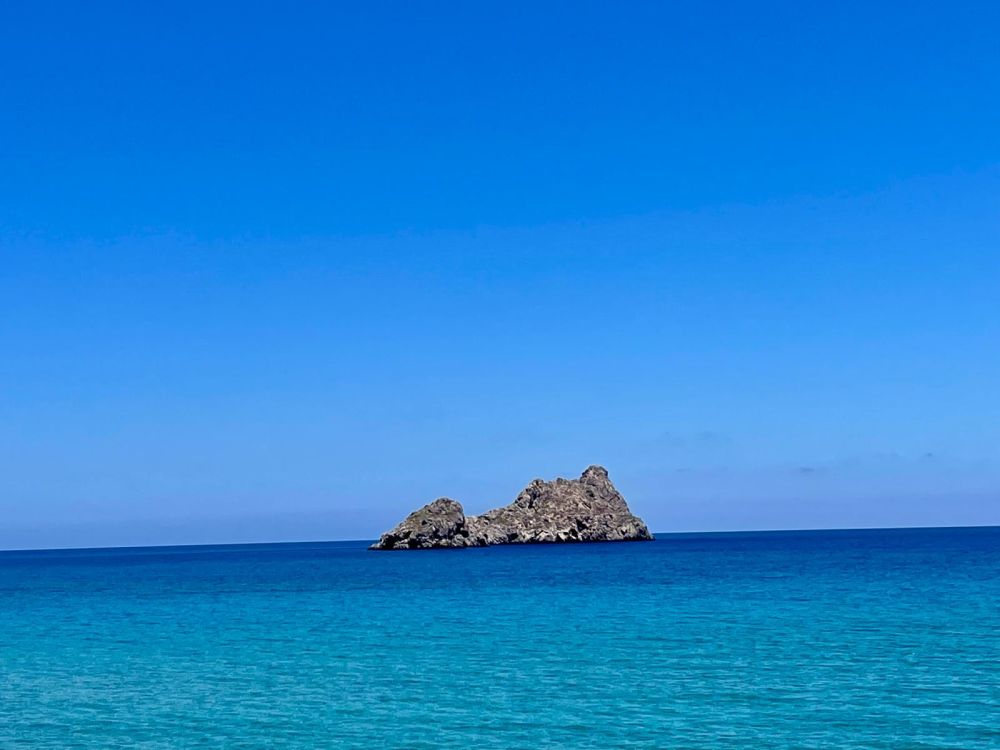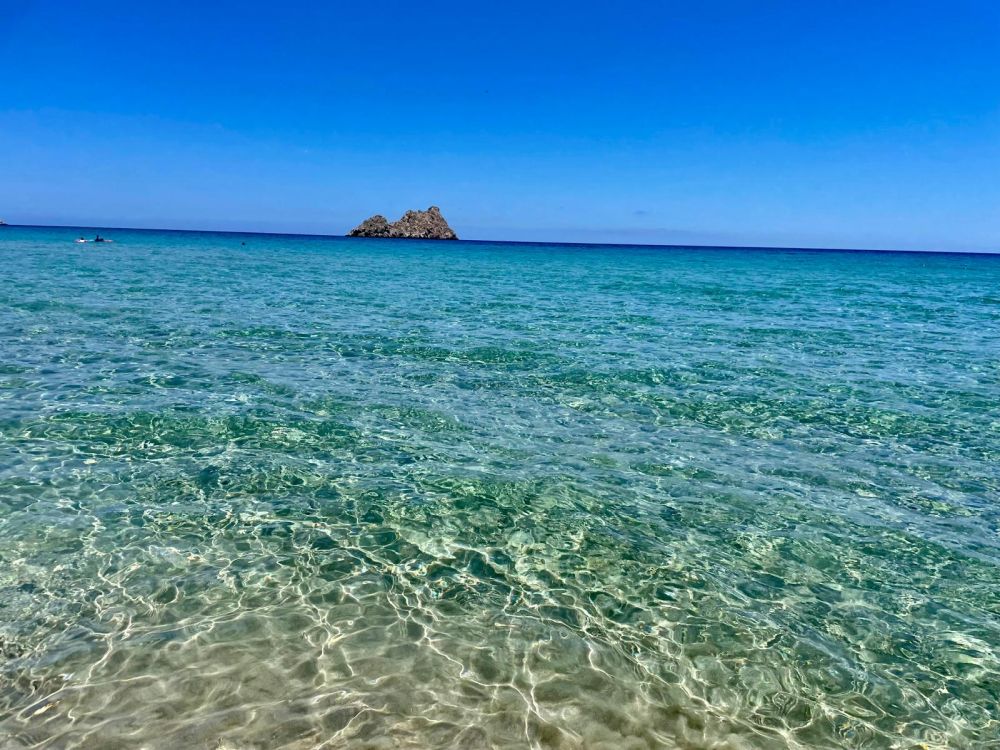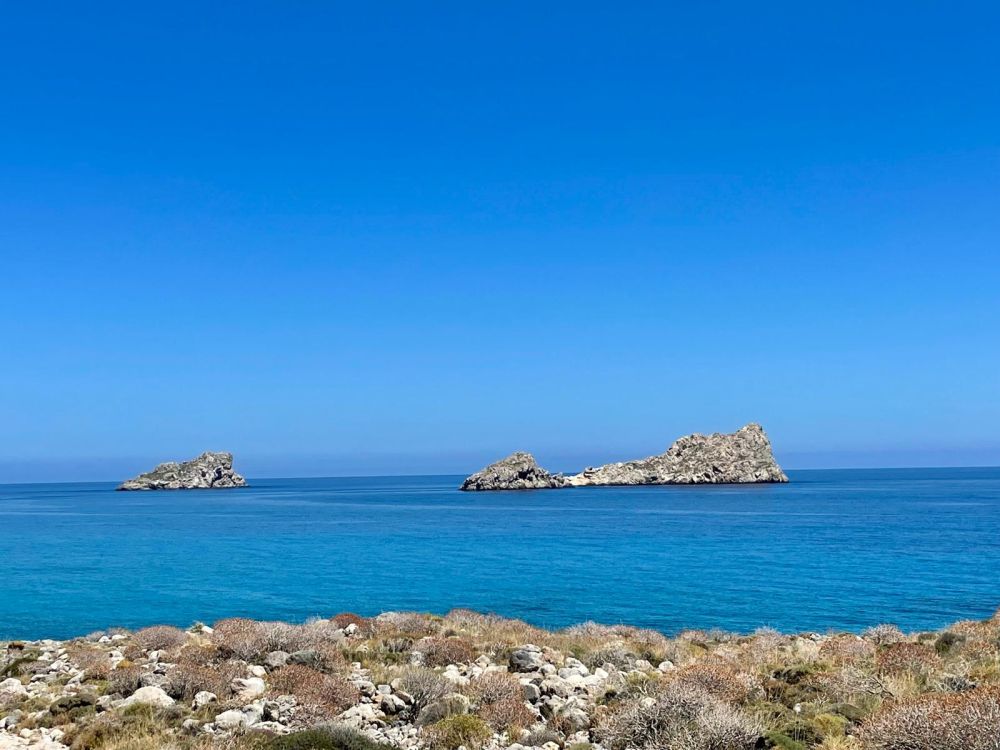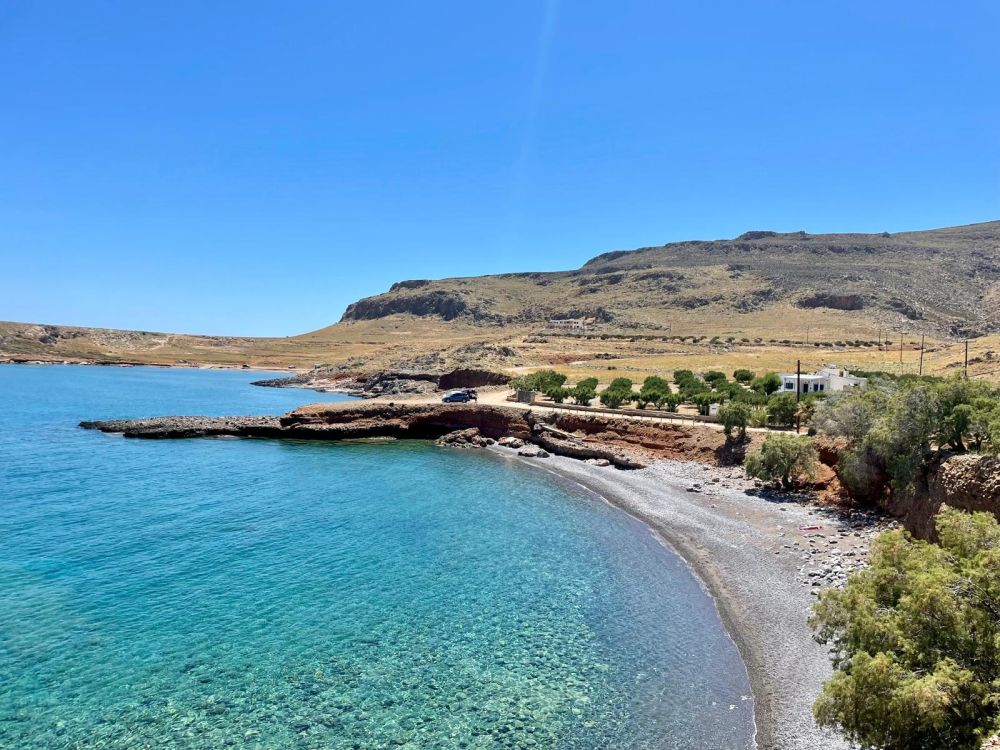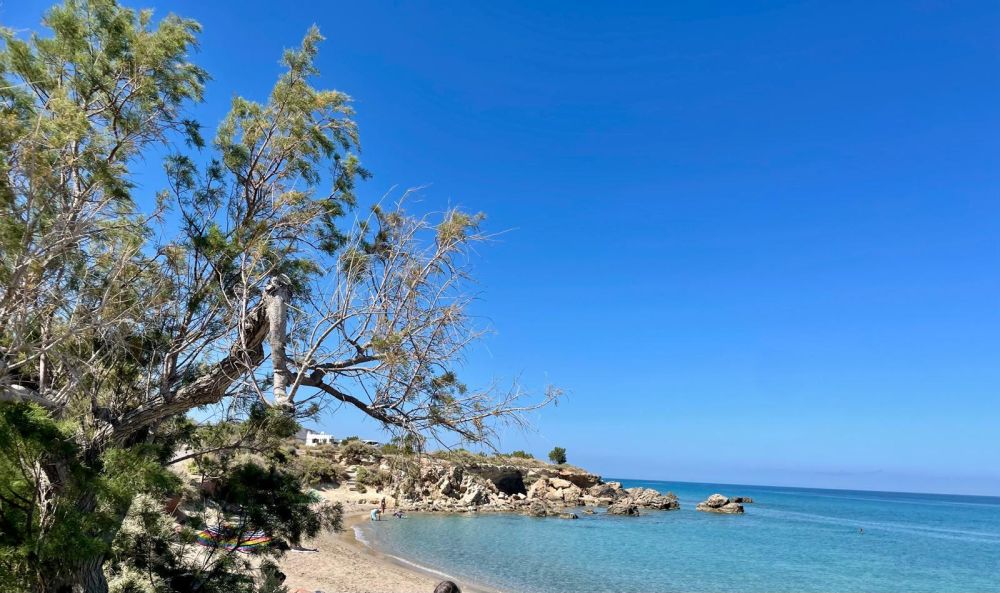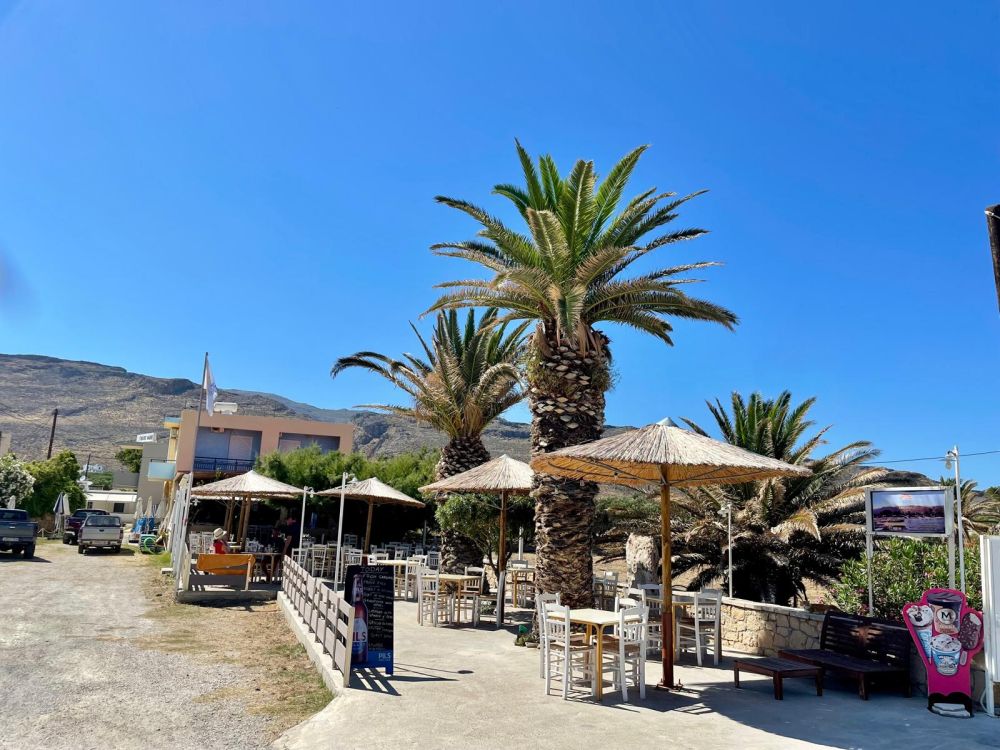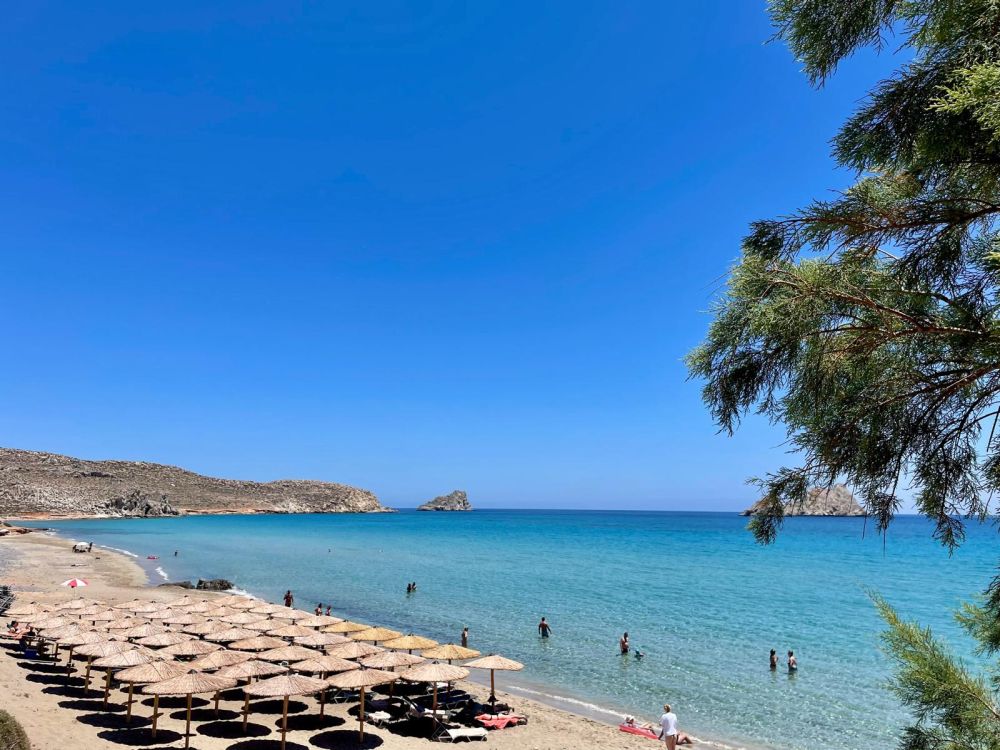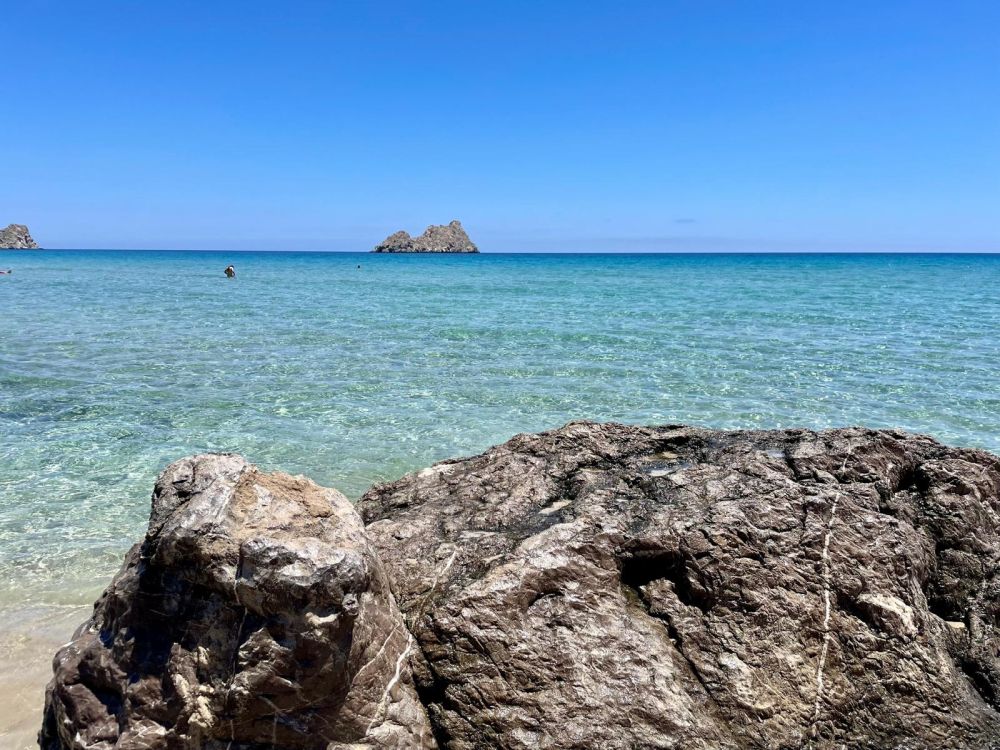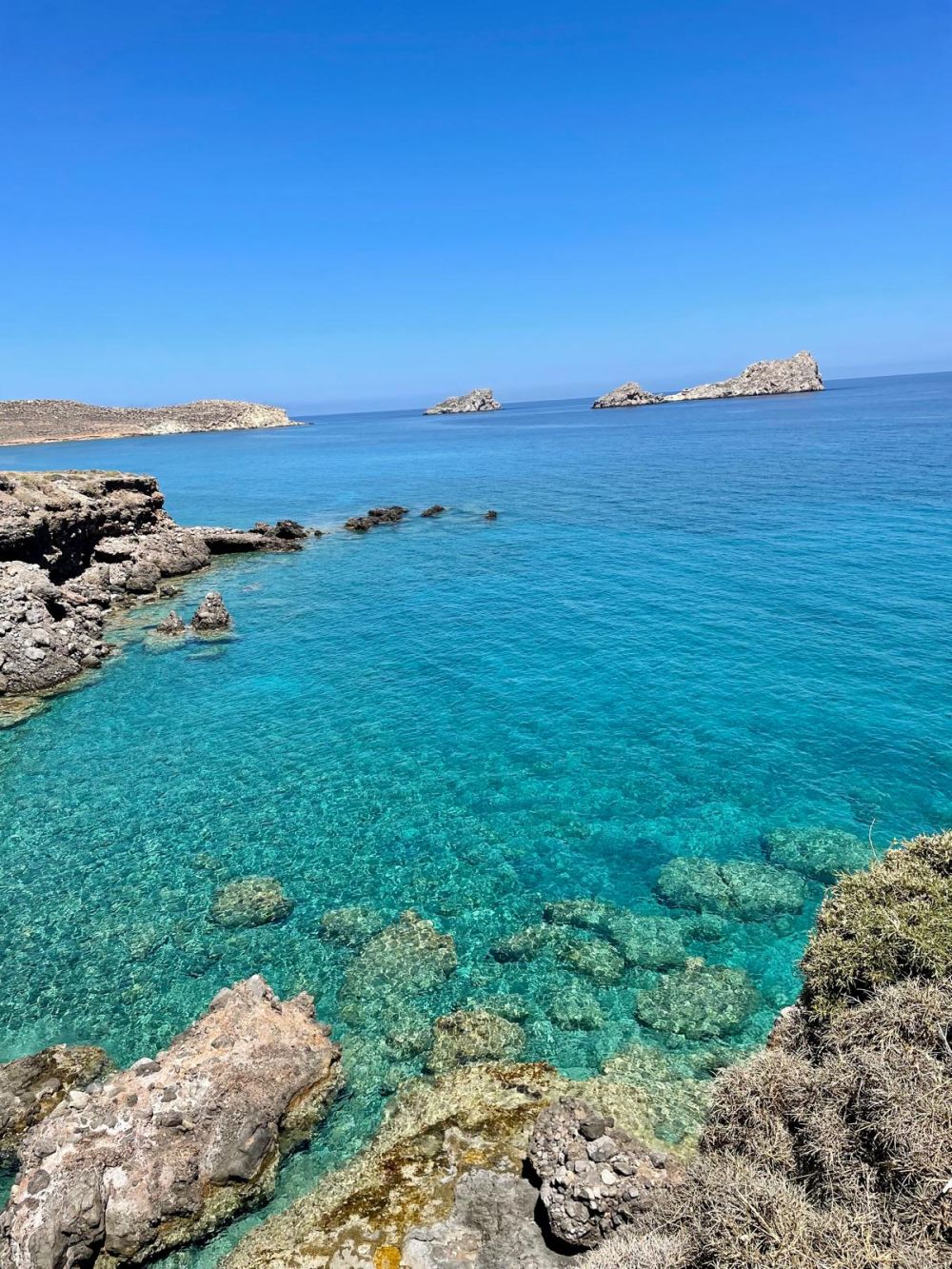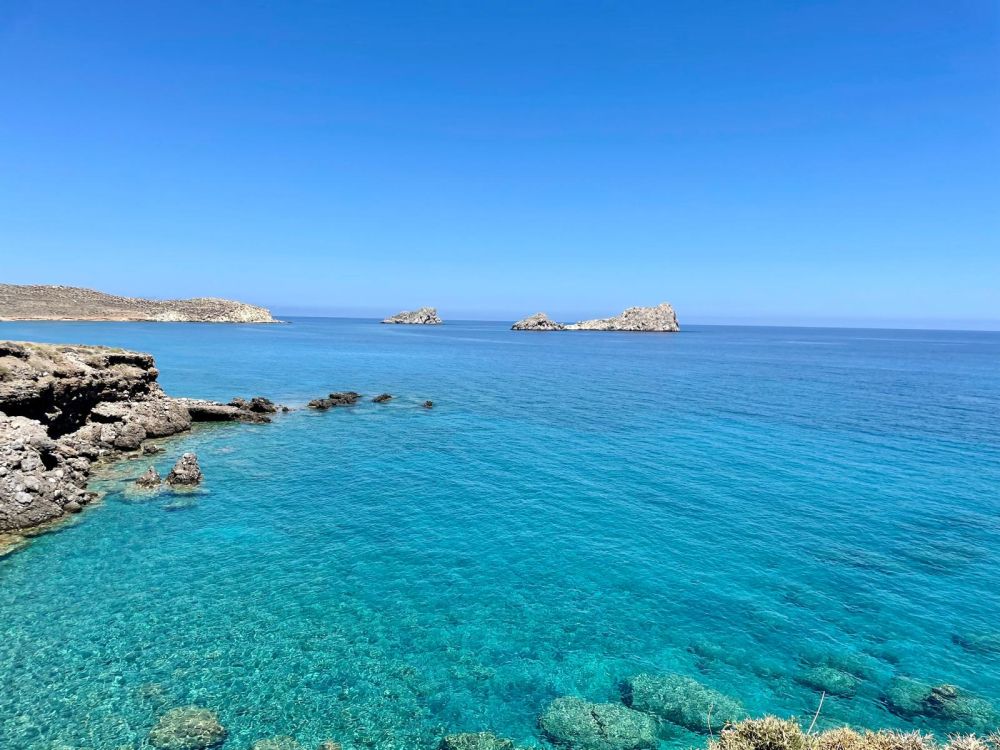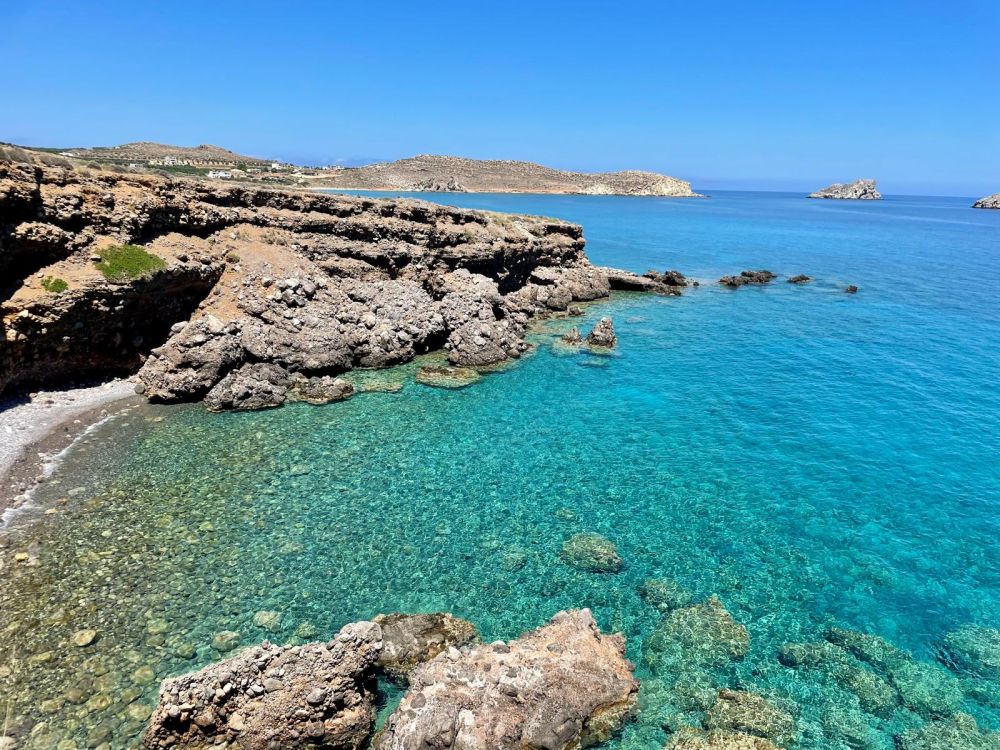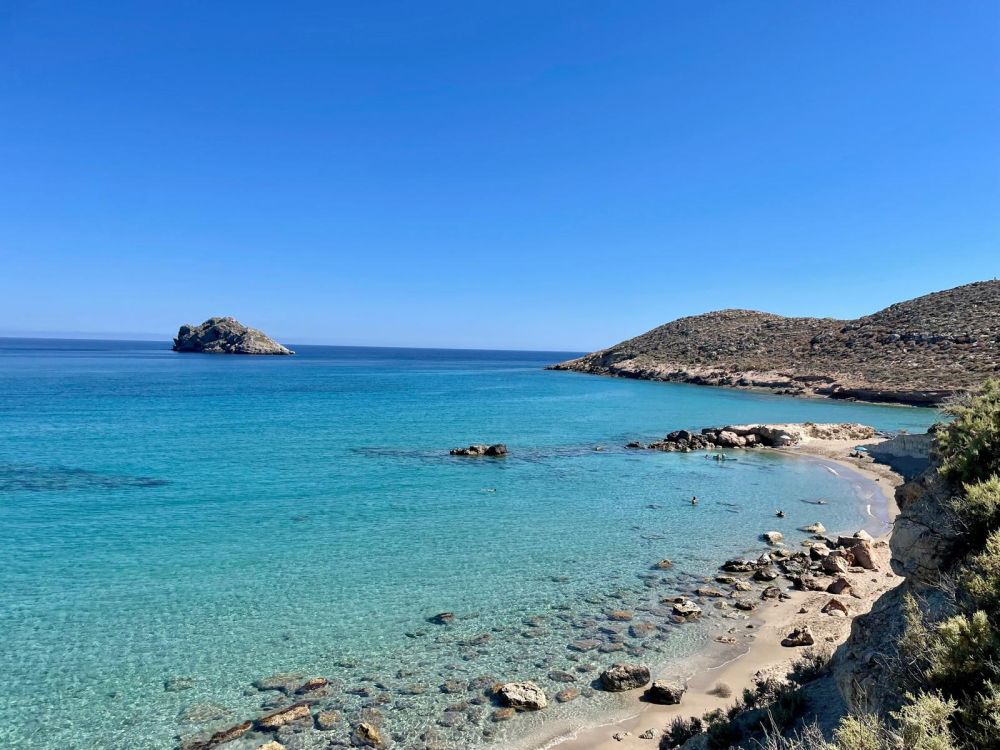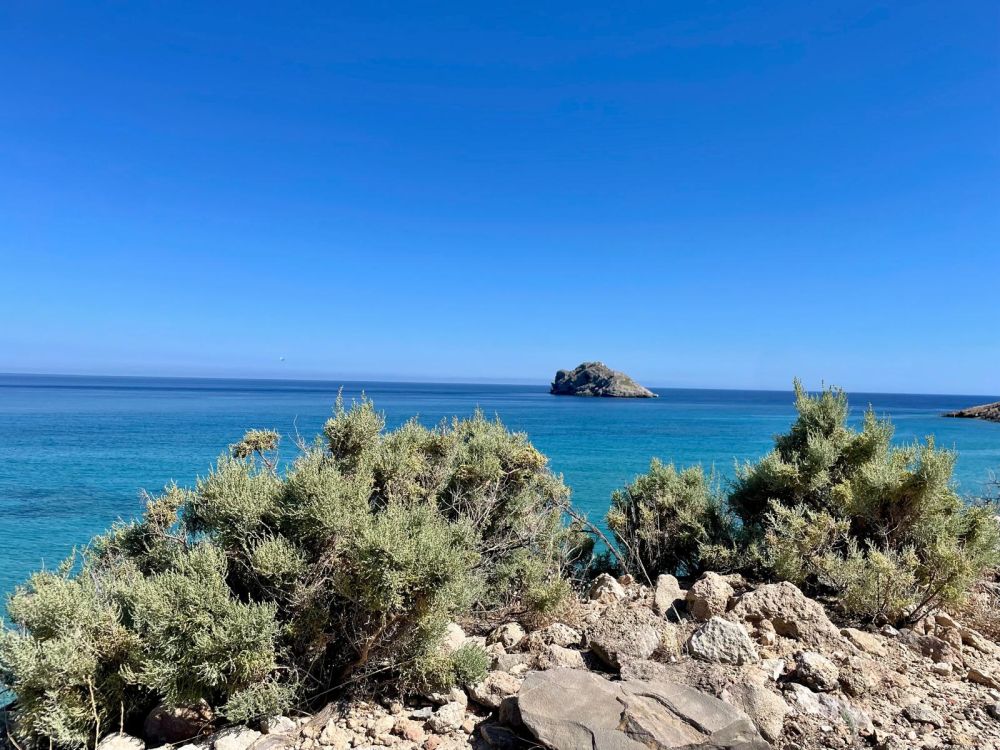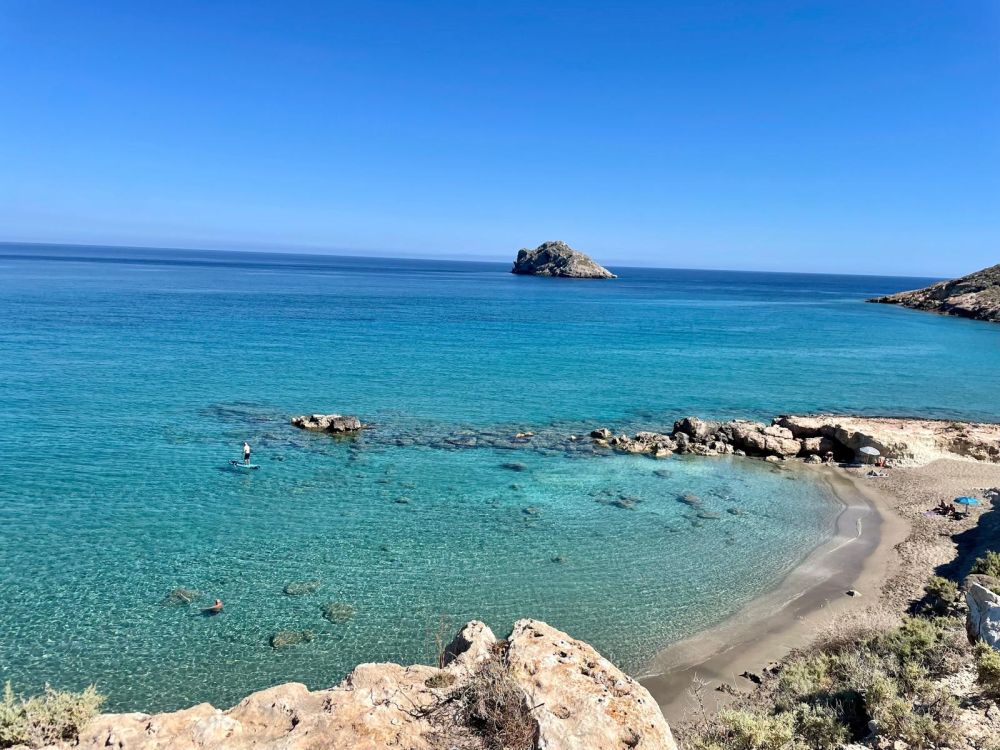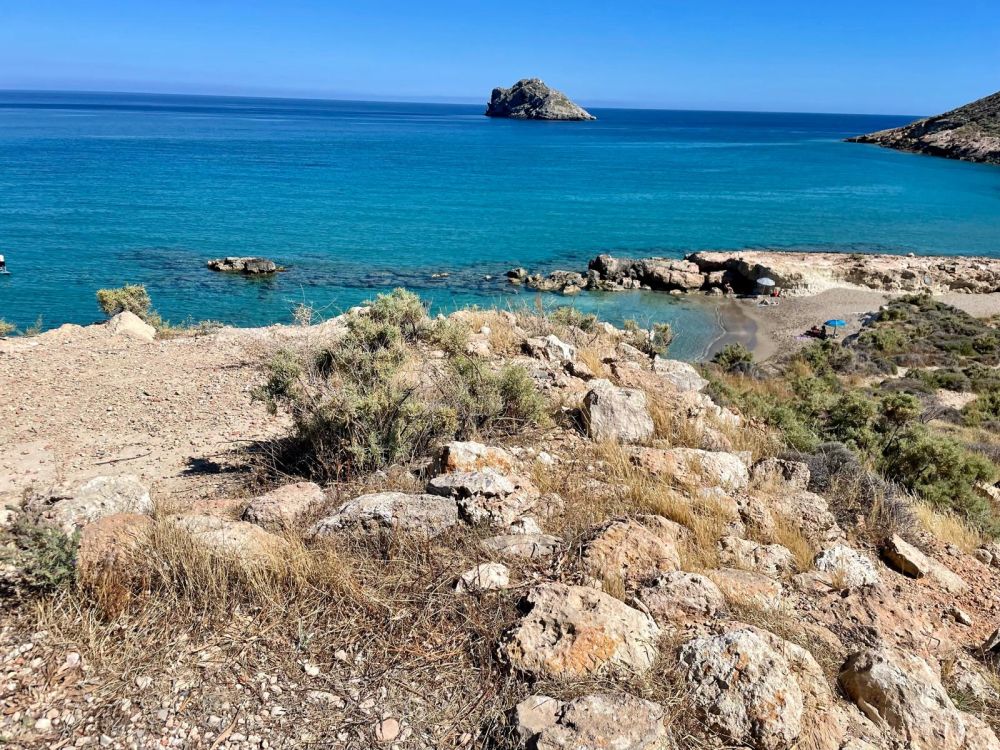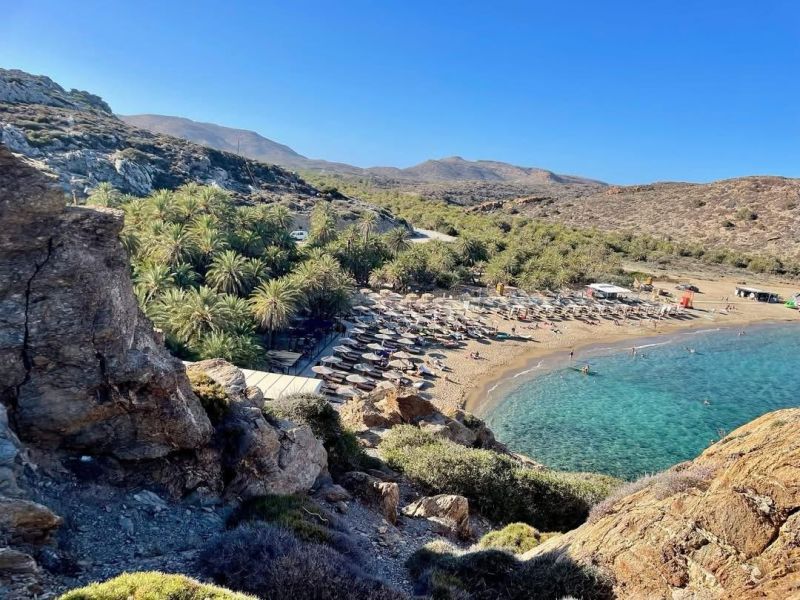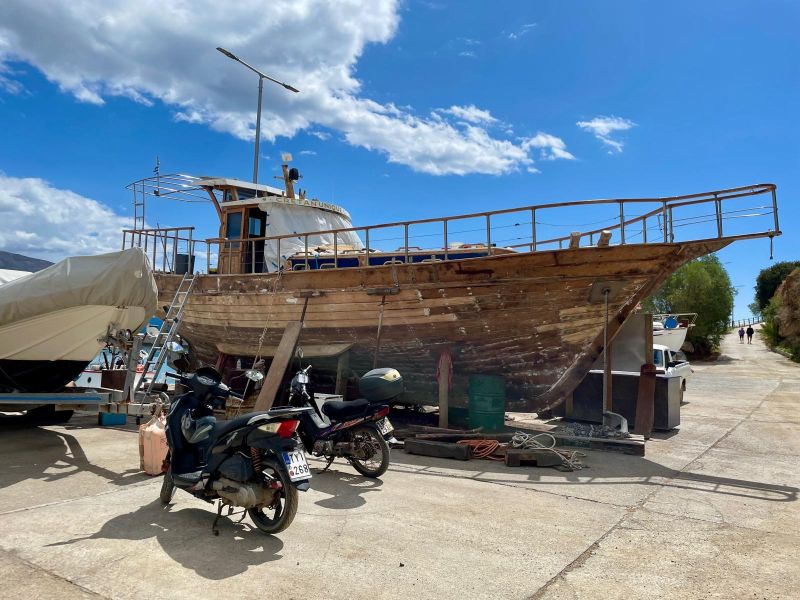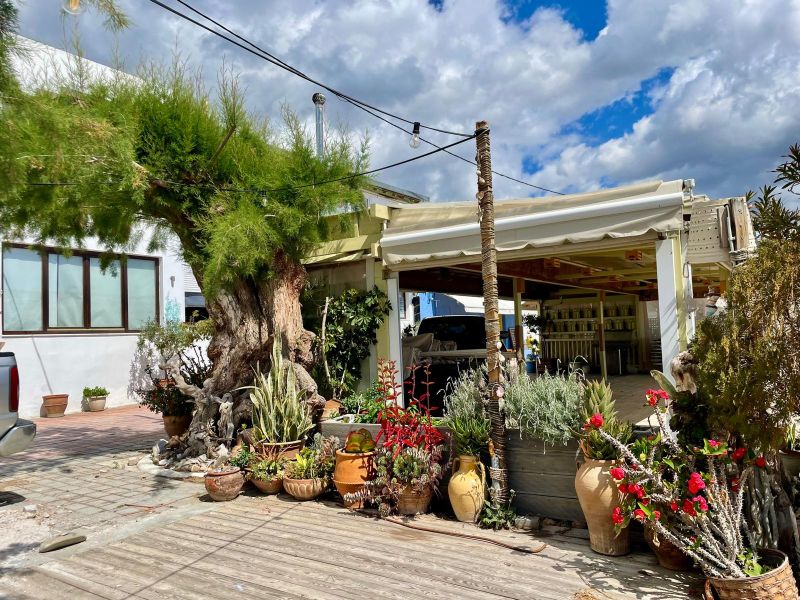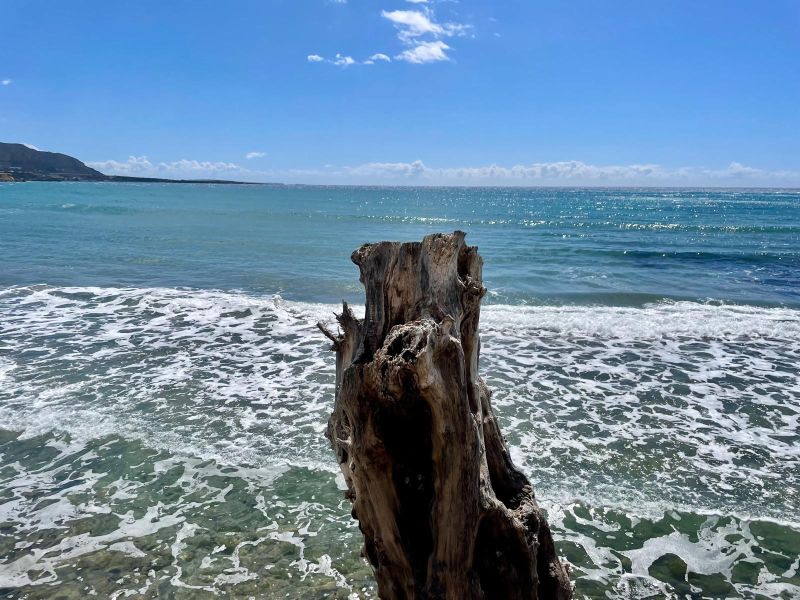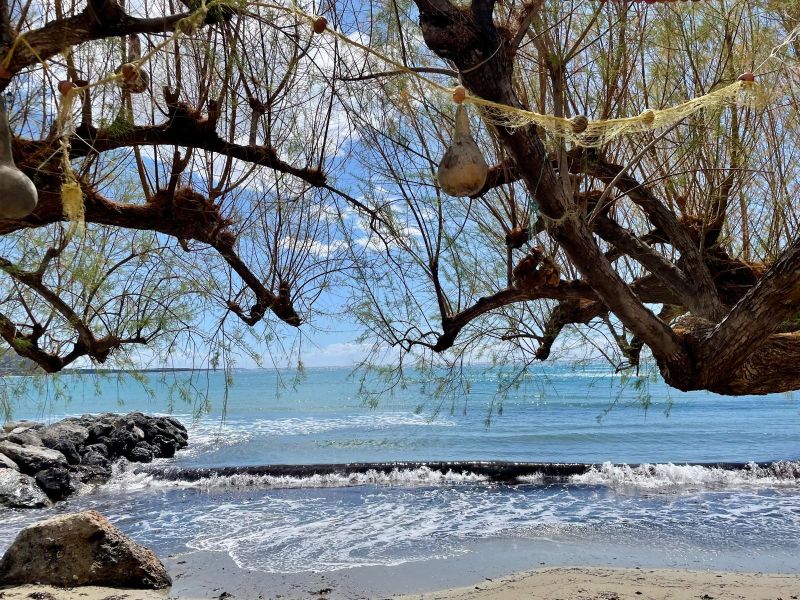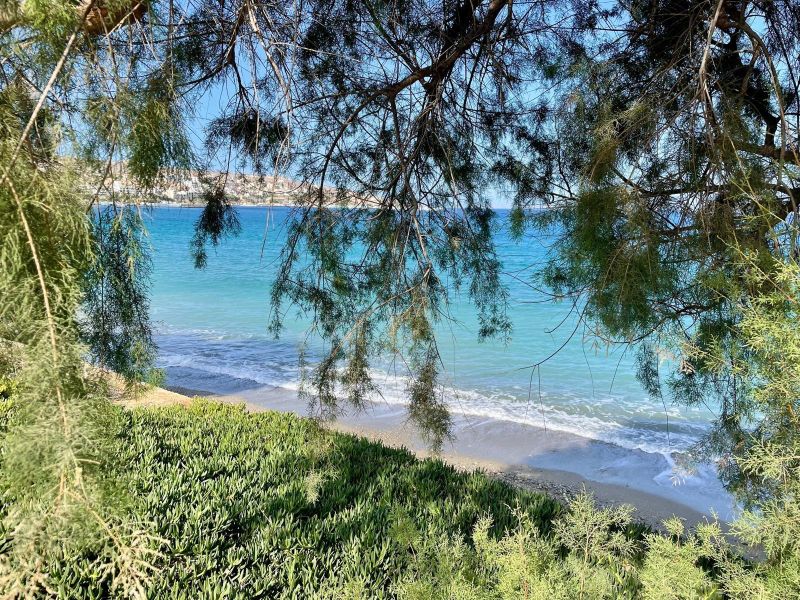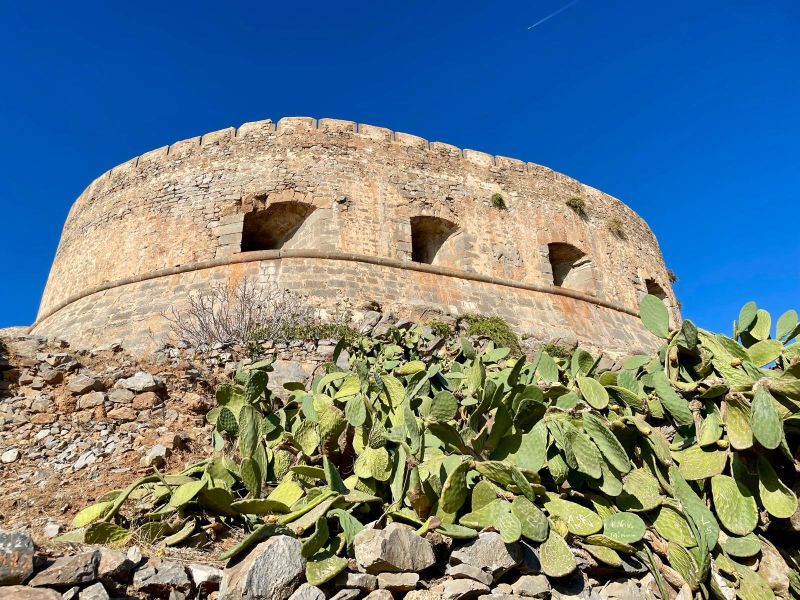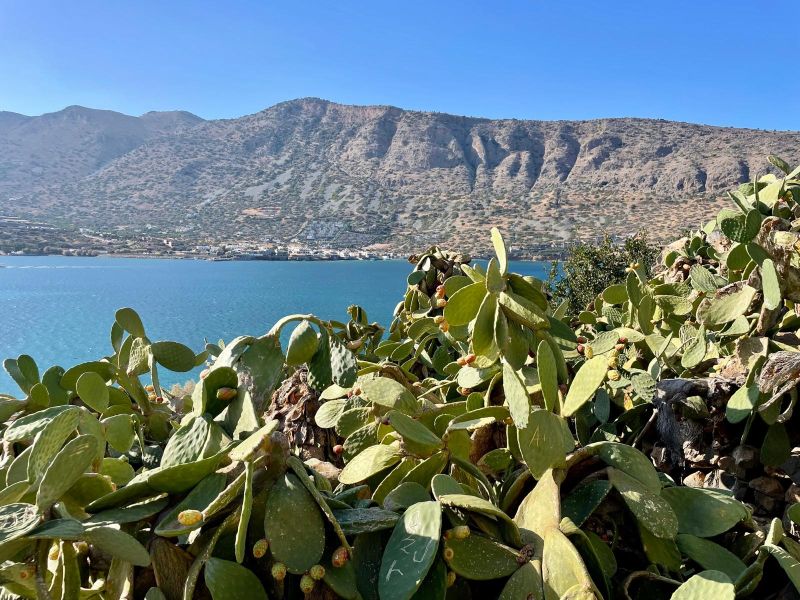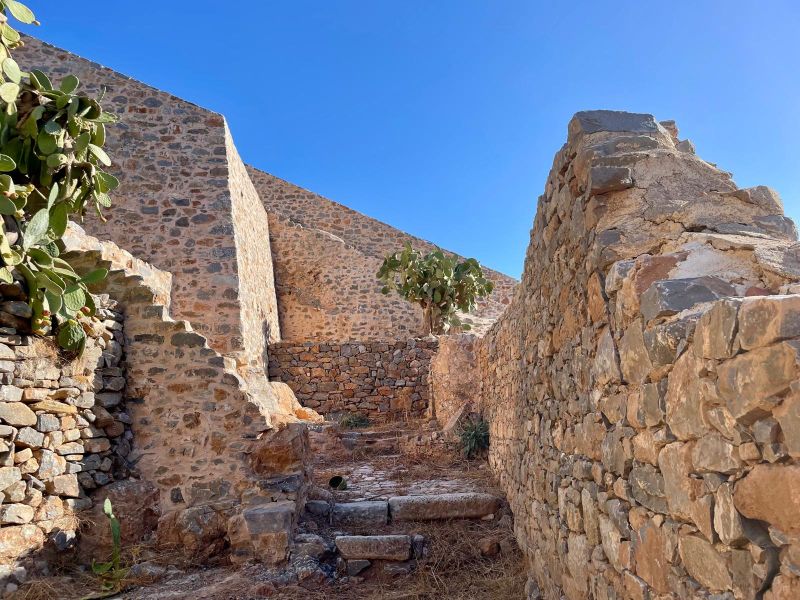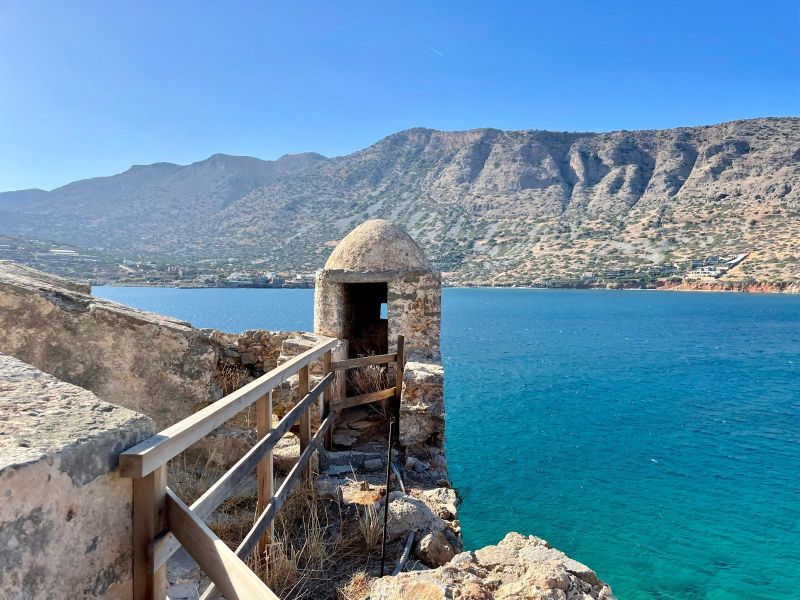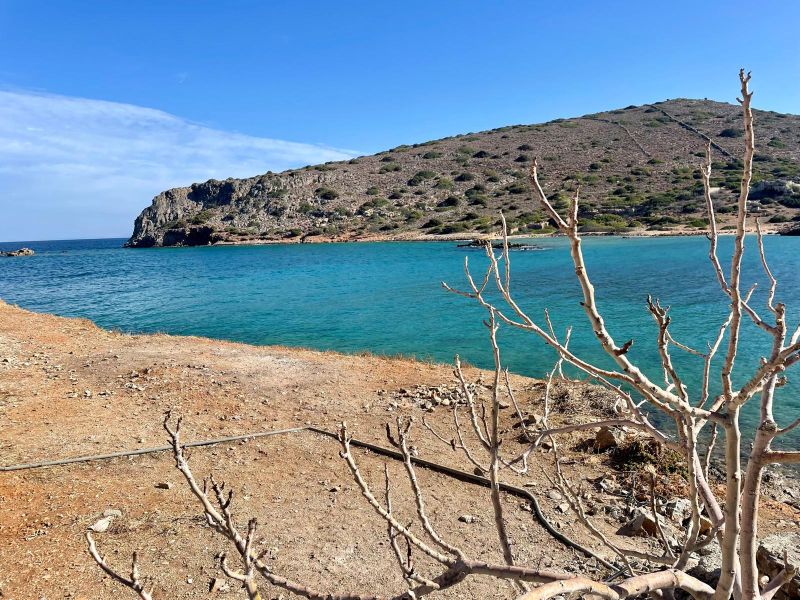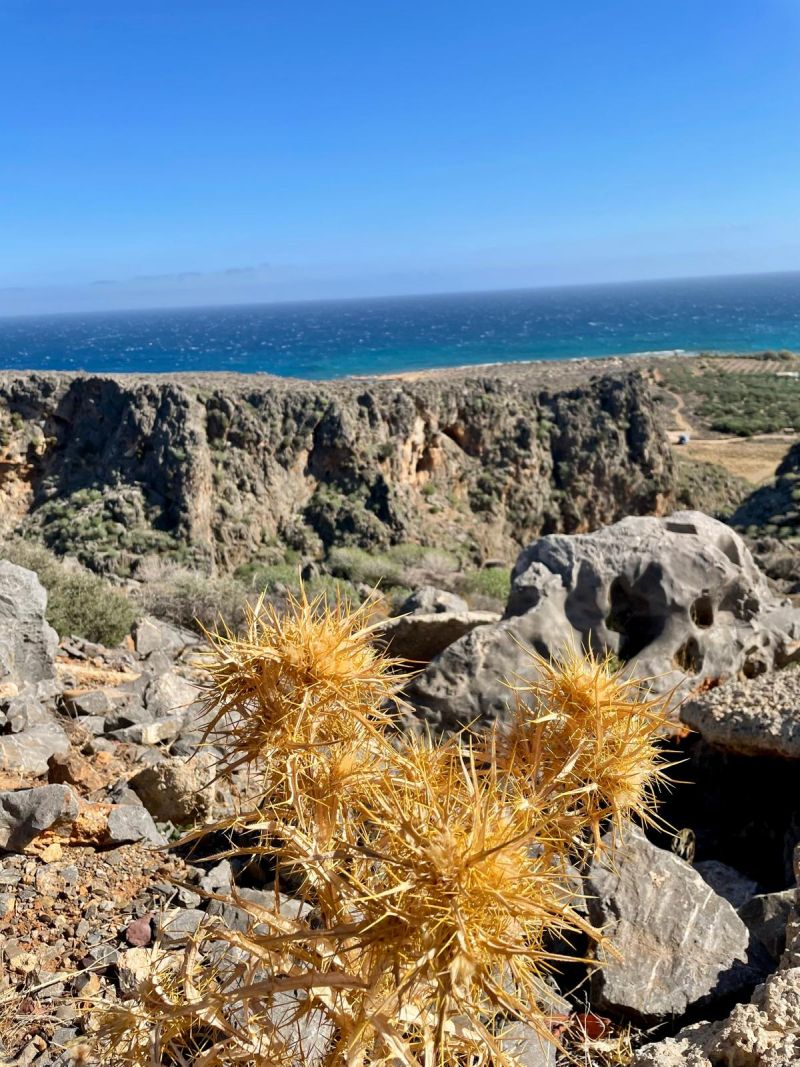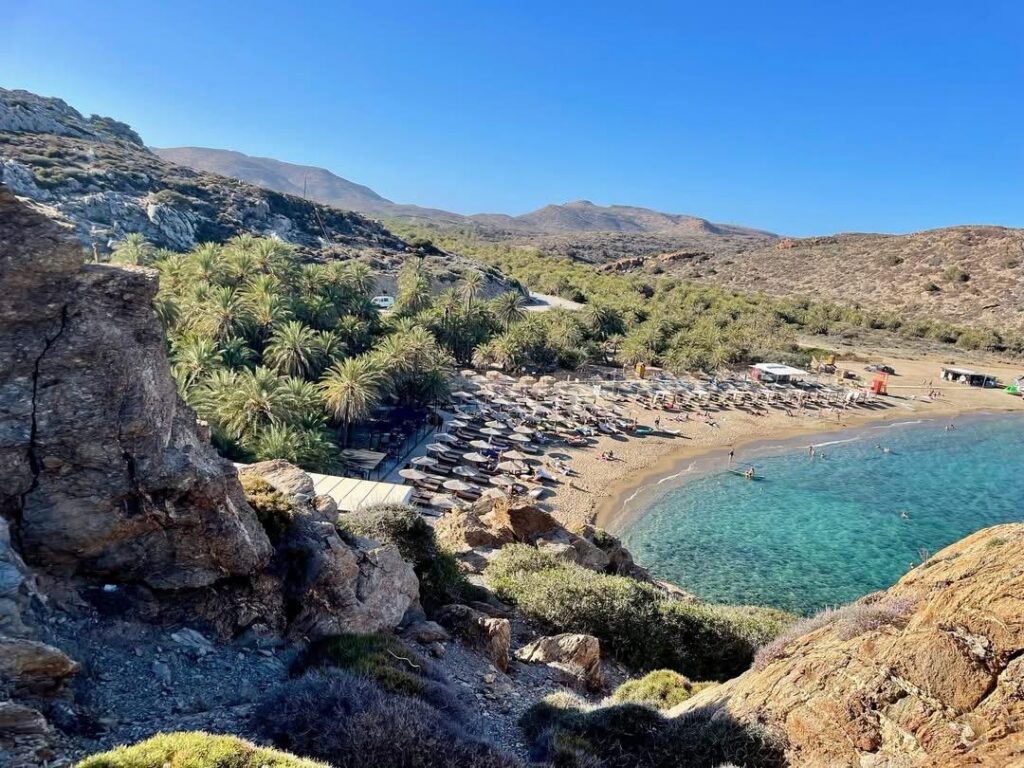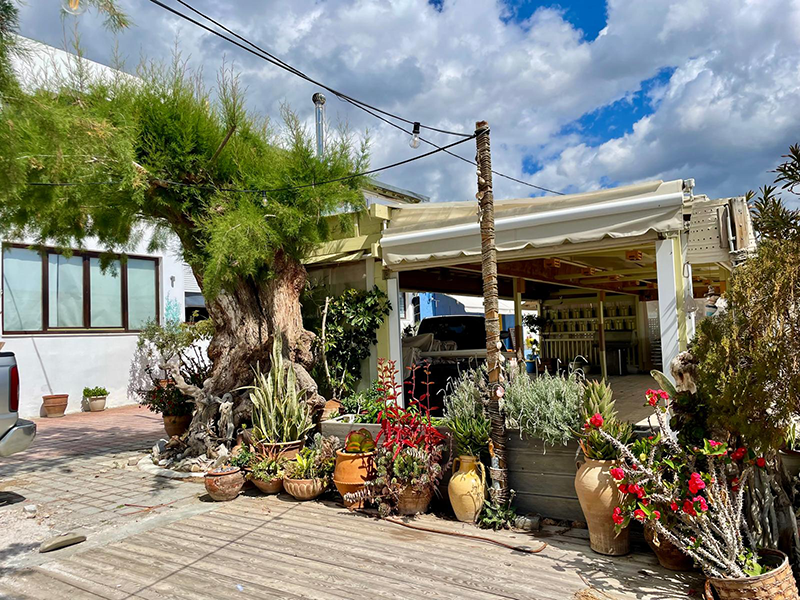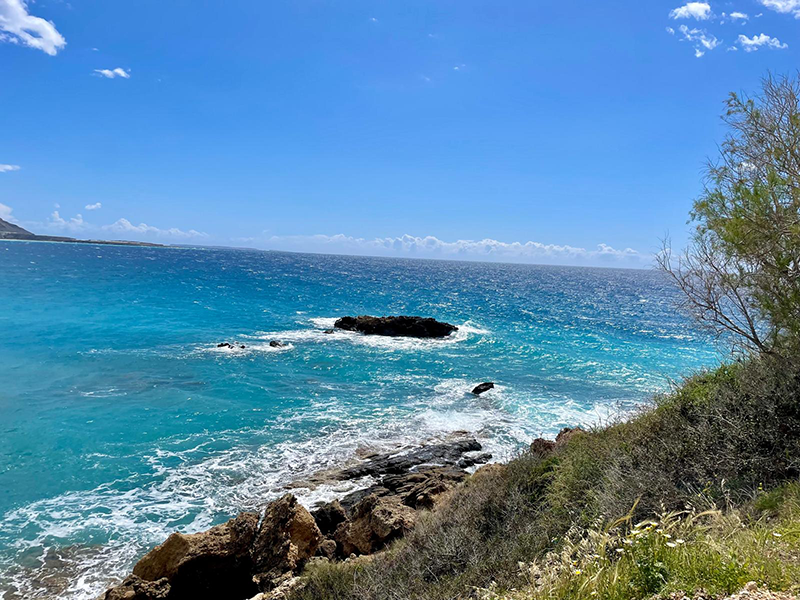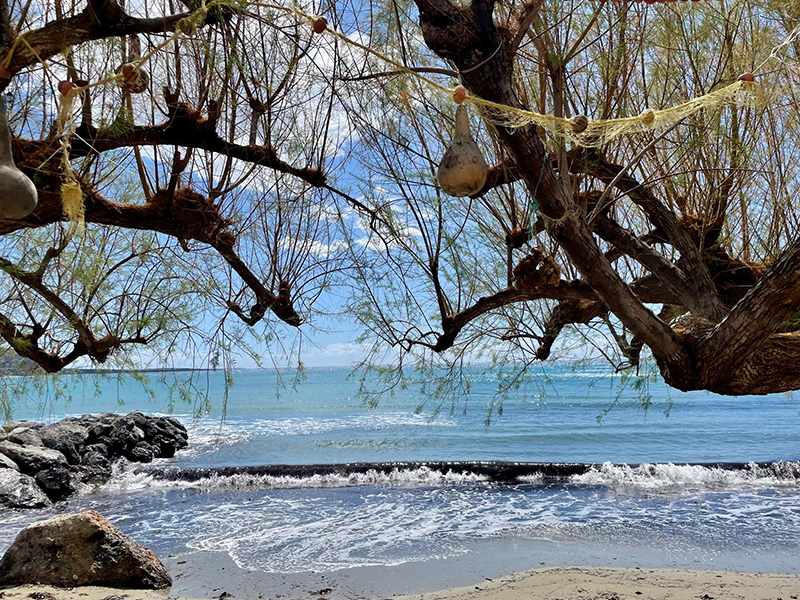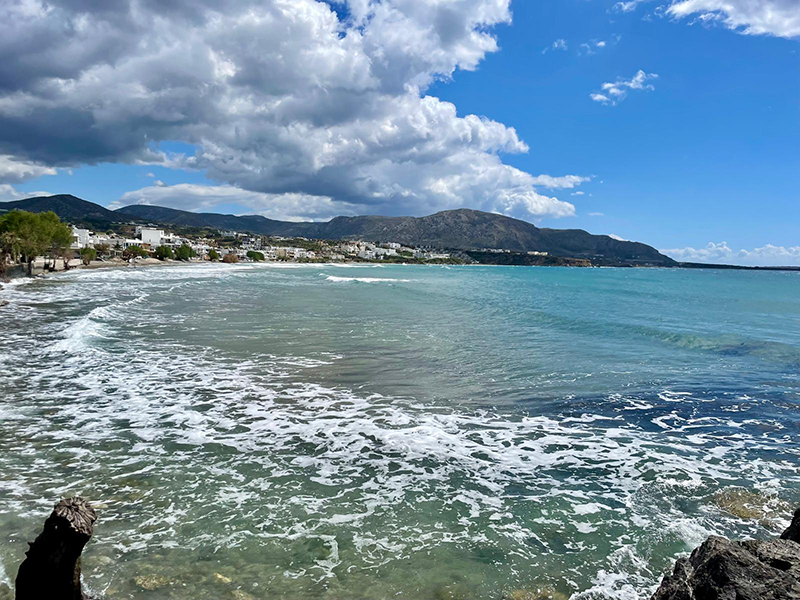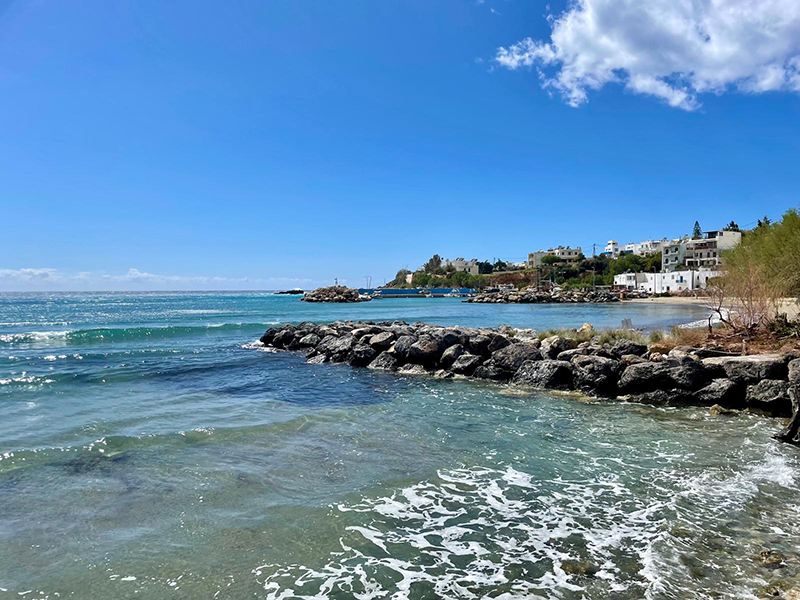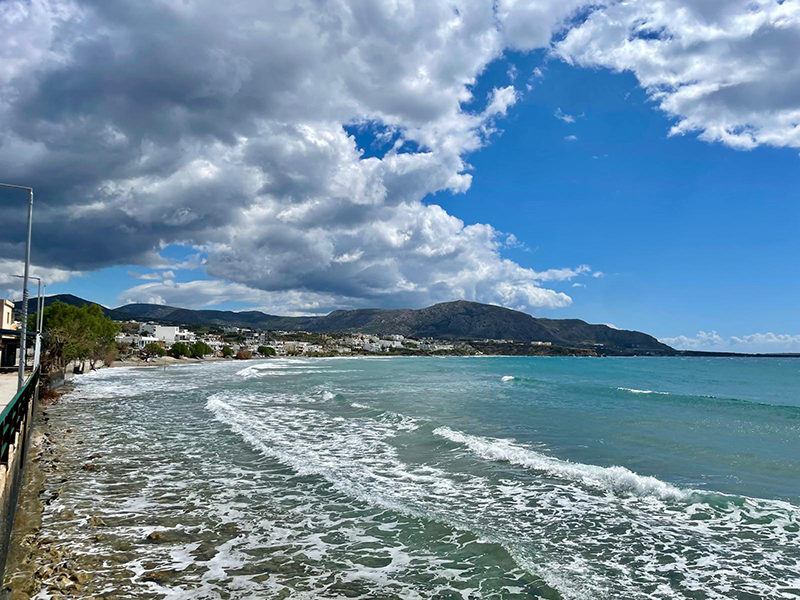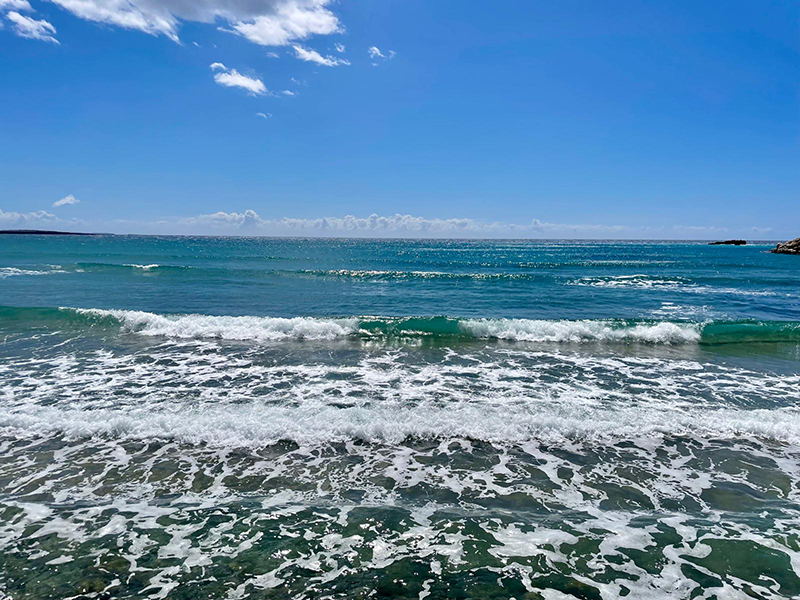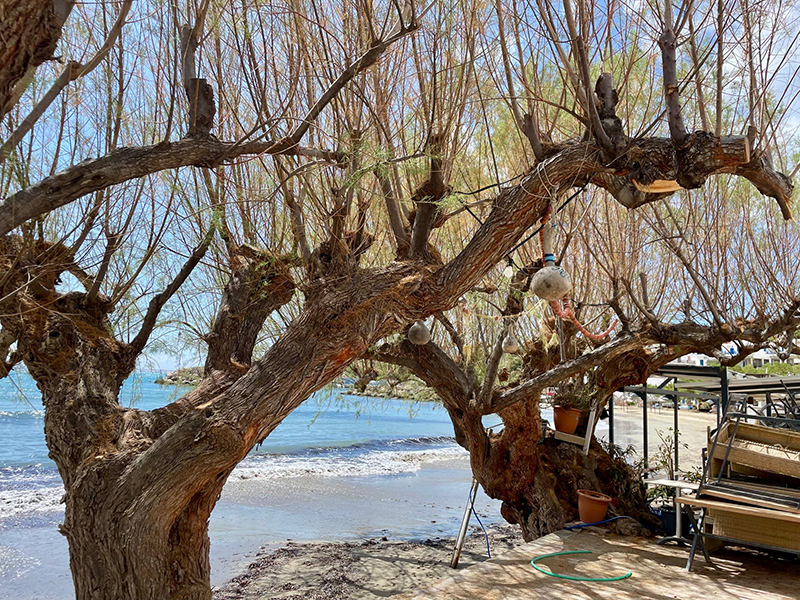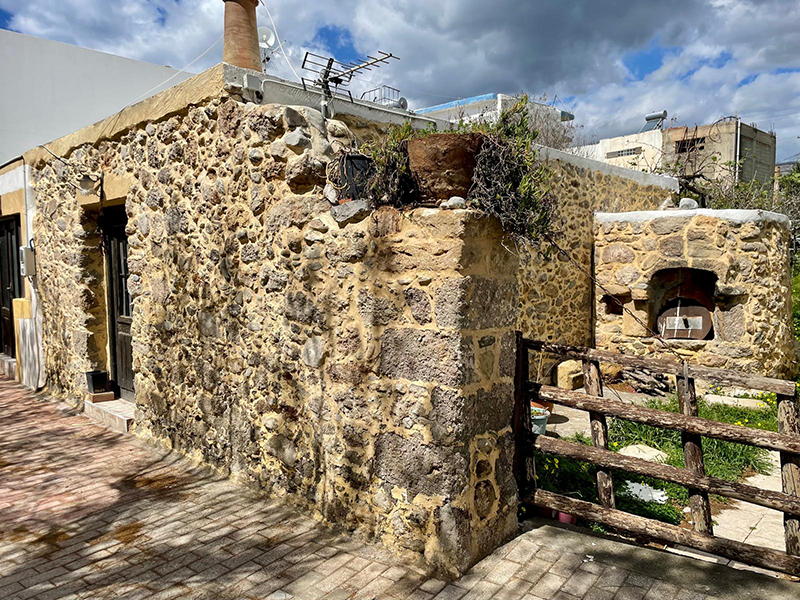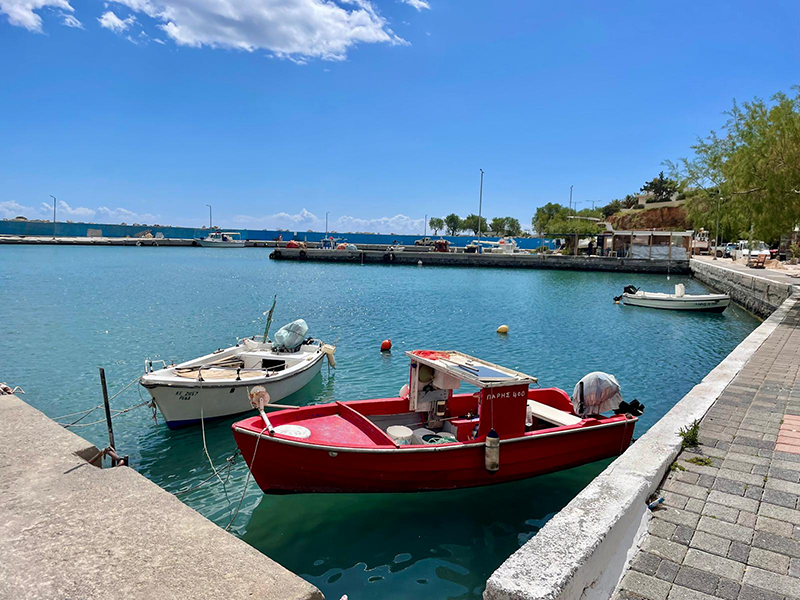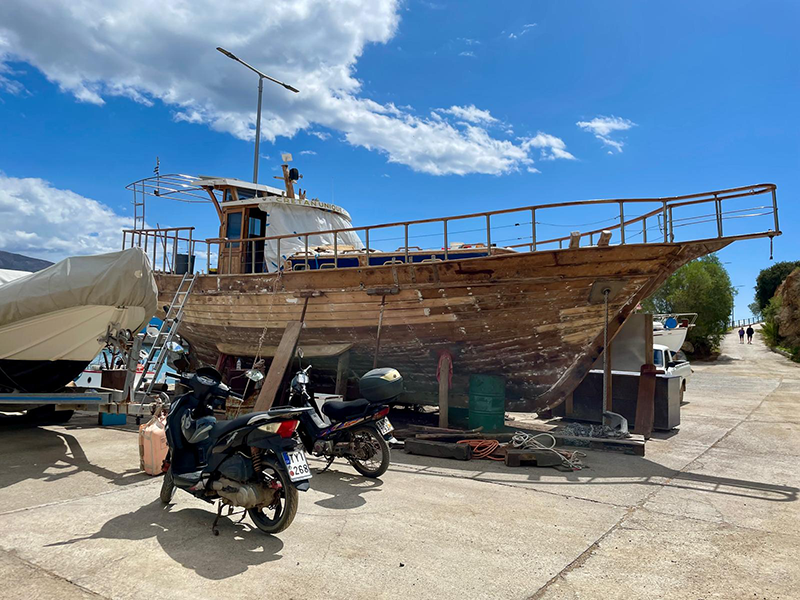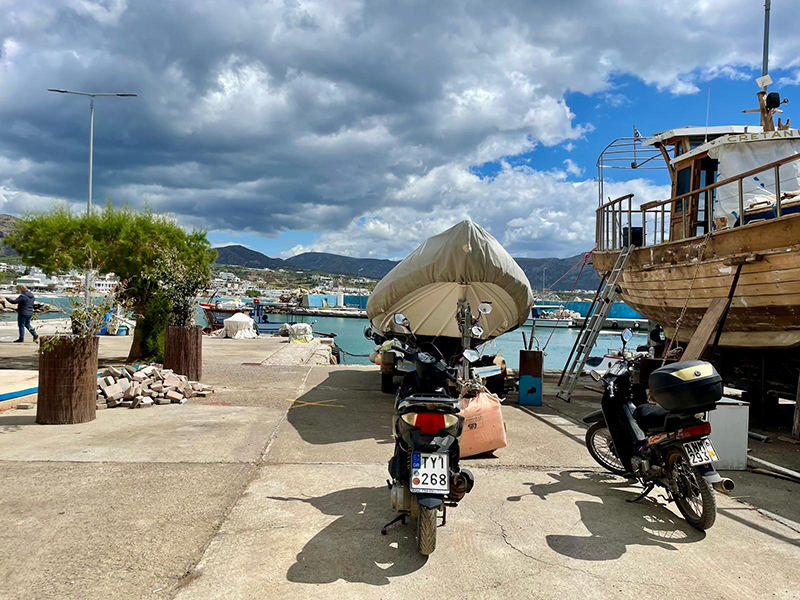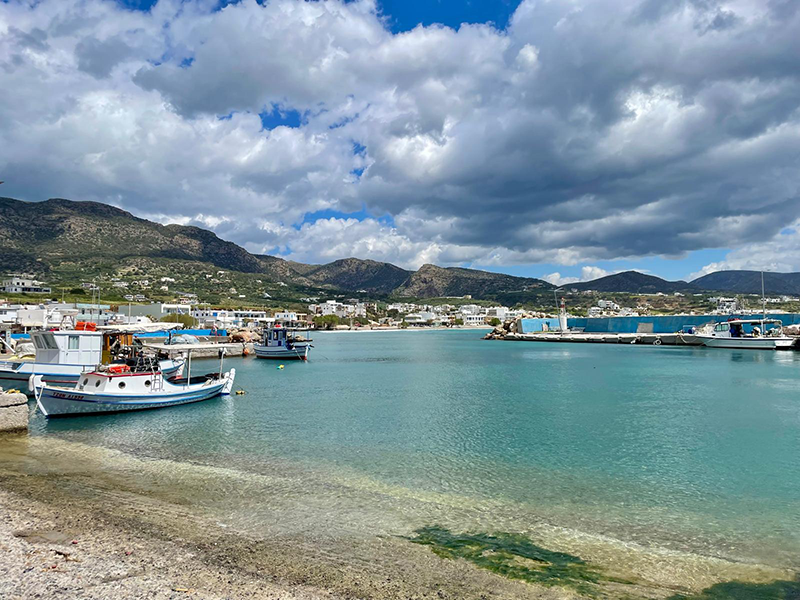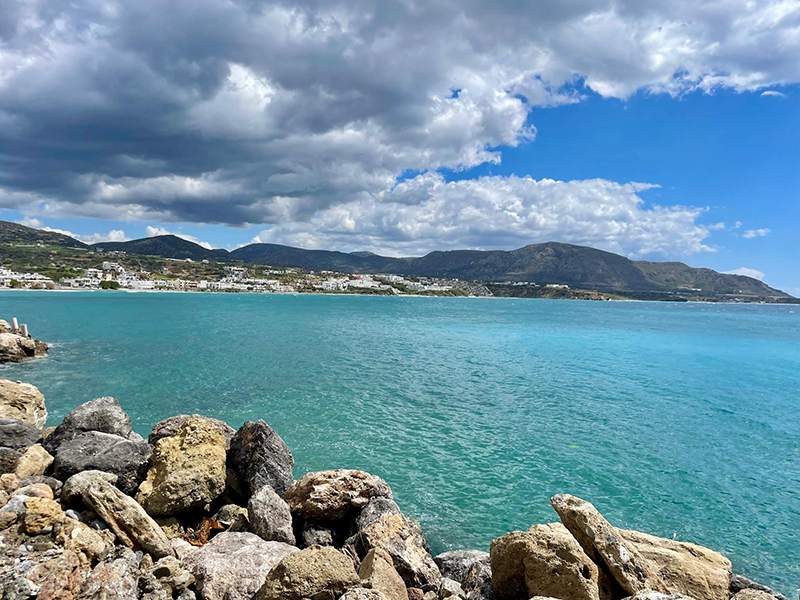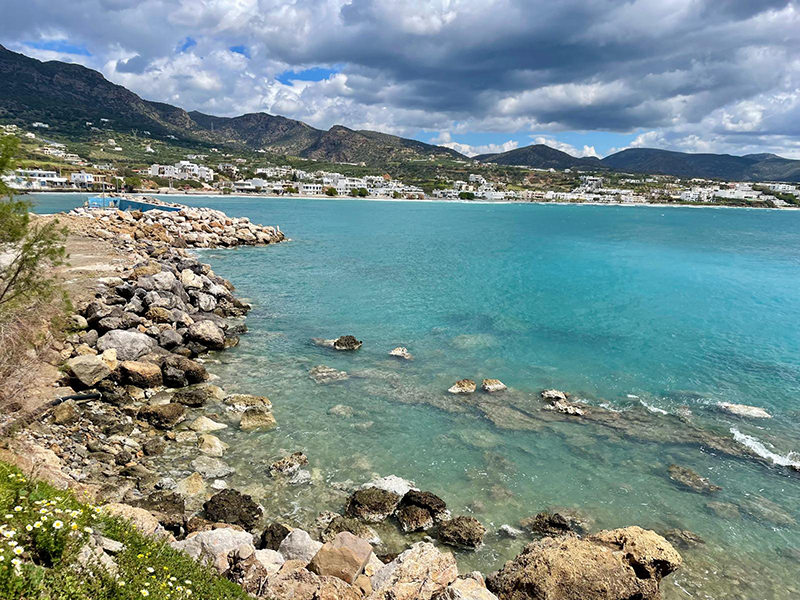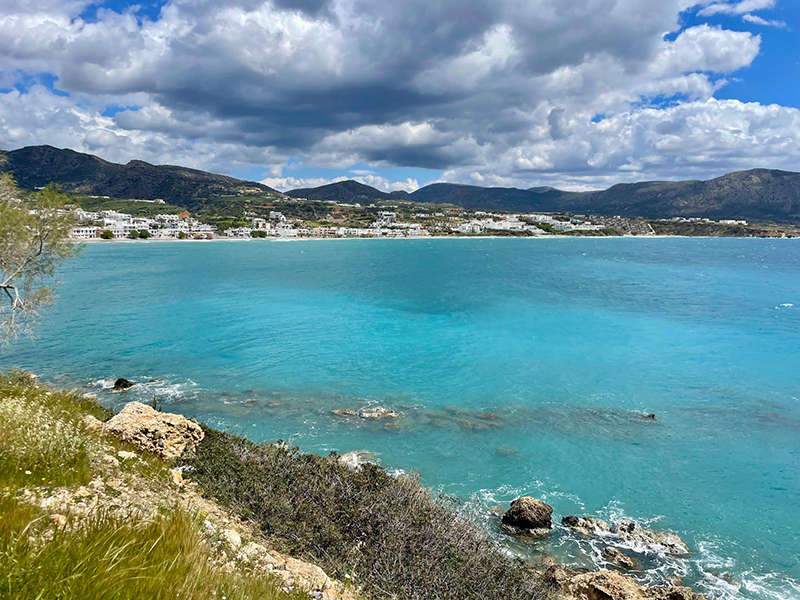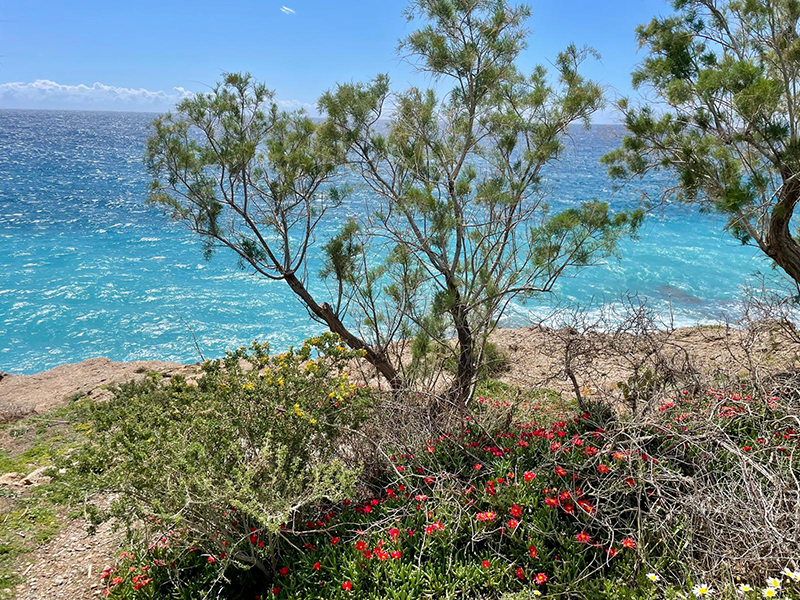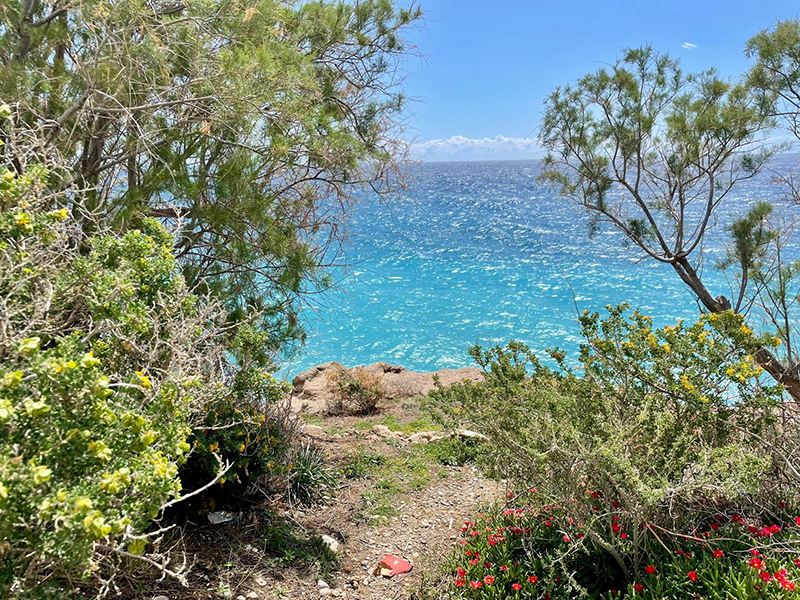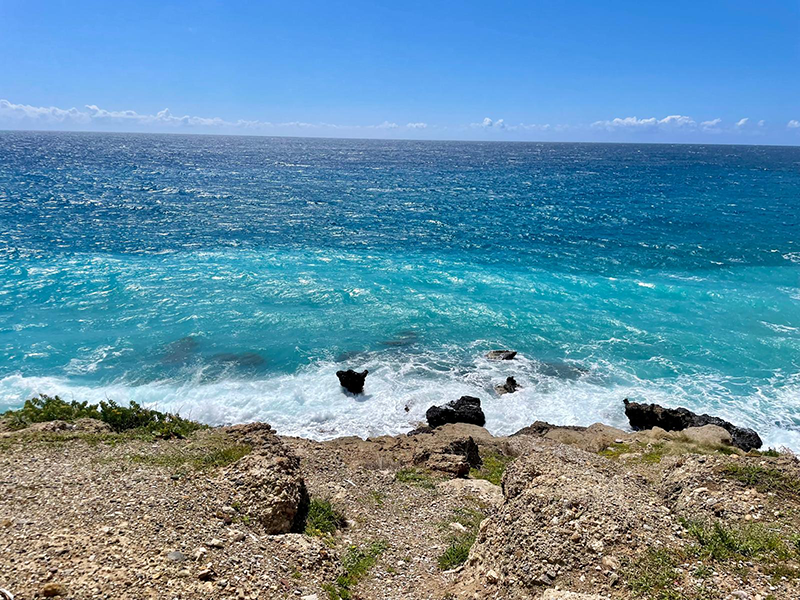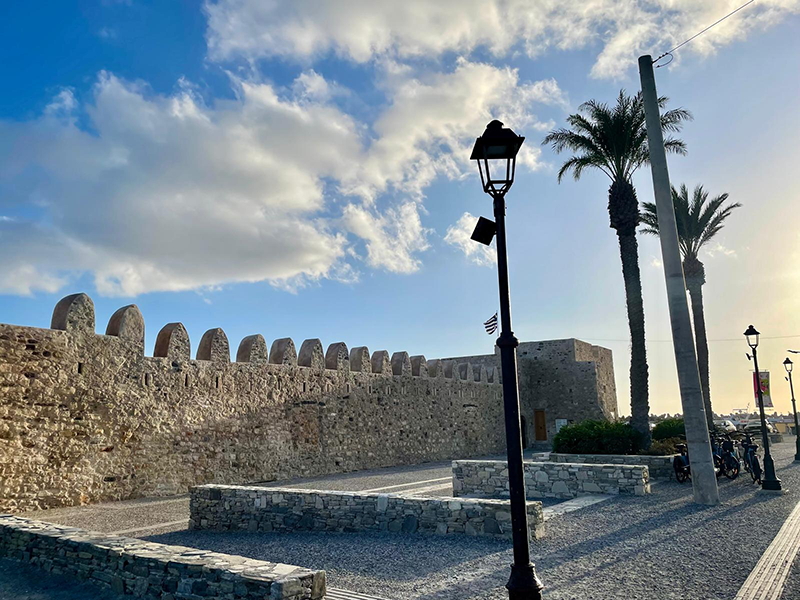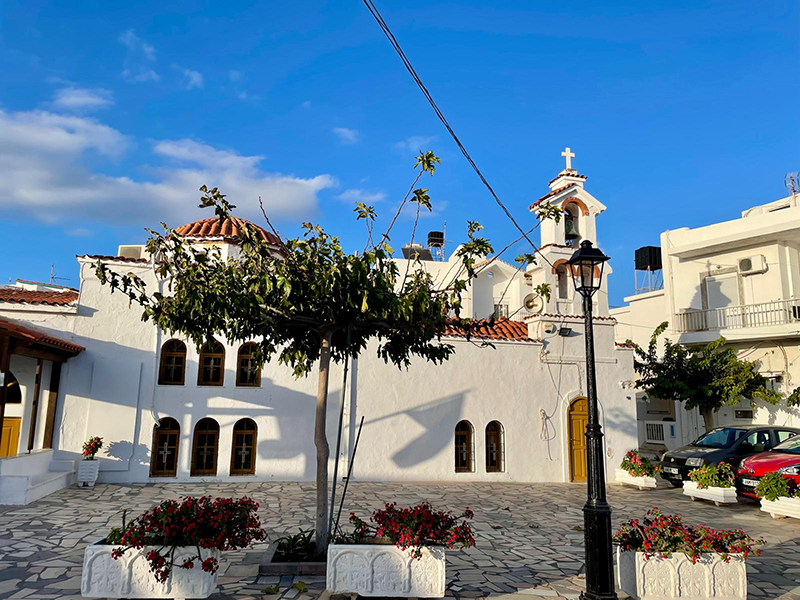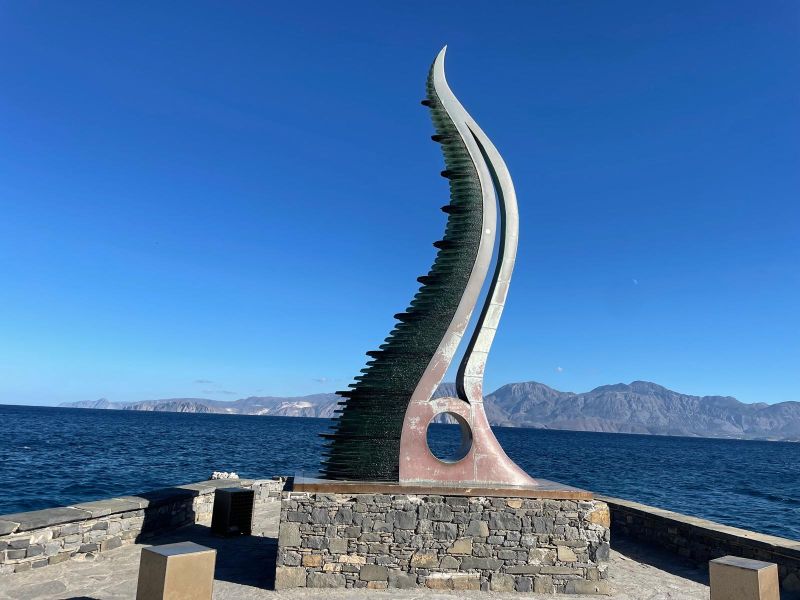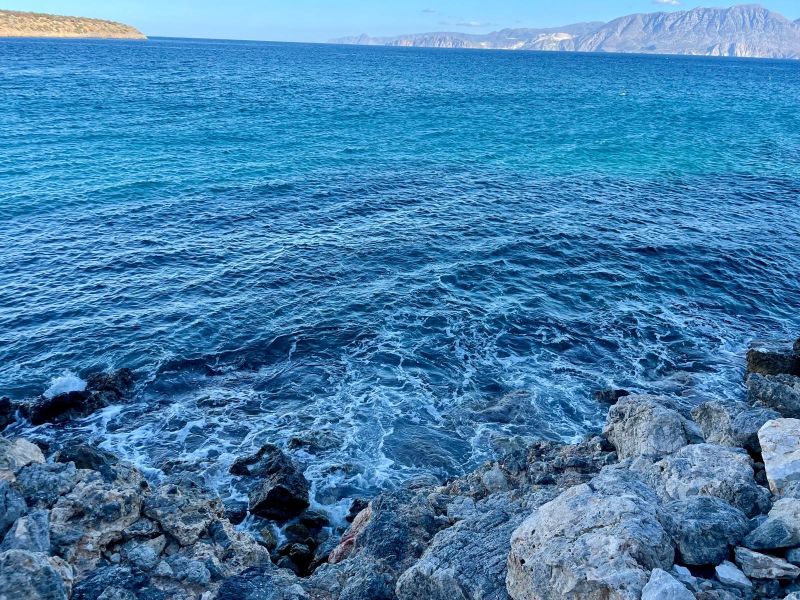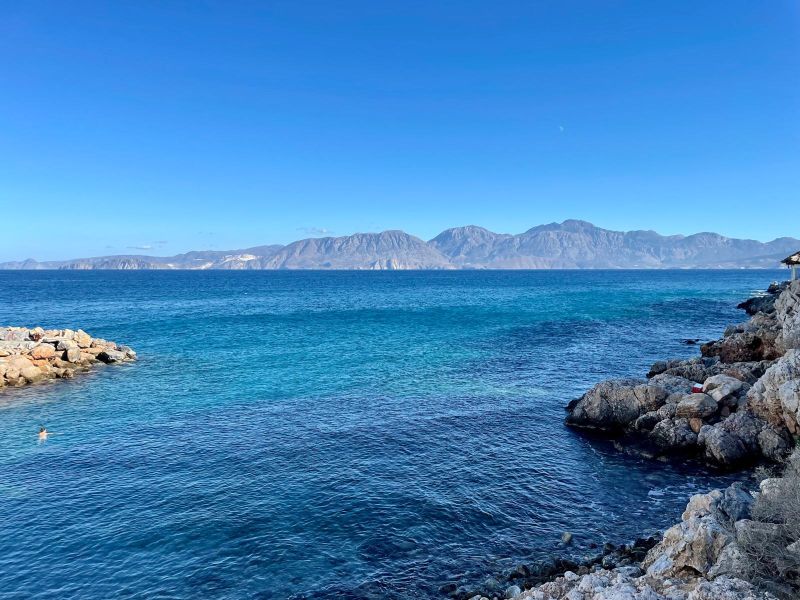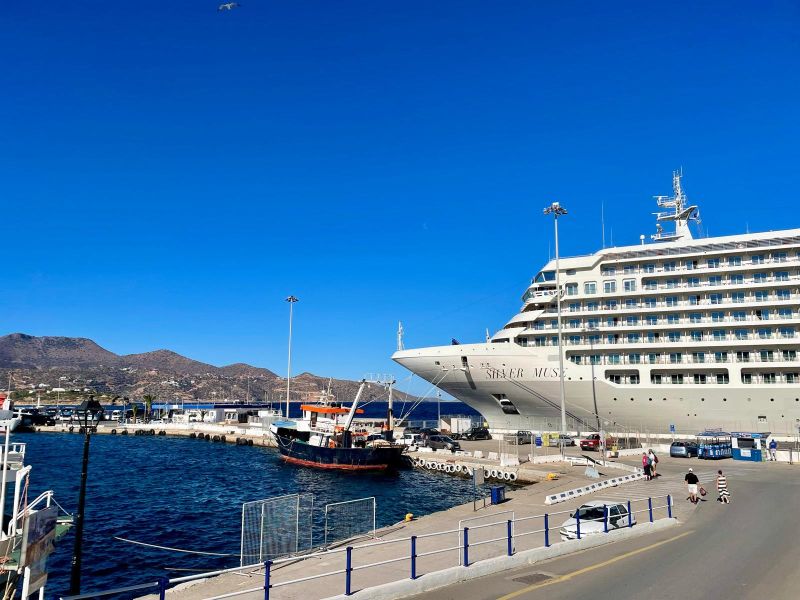
Xerokampos is a charming, small settlement in the south eastern part of Crete, known for its beautiful beaches, crystal clear waters, tranquillity and natural clay baths. Far from the busy, tourist filled western part of the island, it remains an oasis of Crete’s untouched nature. Due to its remote location, the area is still rarely visited by tourists. The settlement consists mainly of villas and guesthouses whose gardens soften the rugged mountain landscape around them. The only way to reach it is by car. From Delfini Studios it is about 30 km.

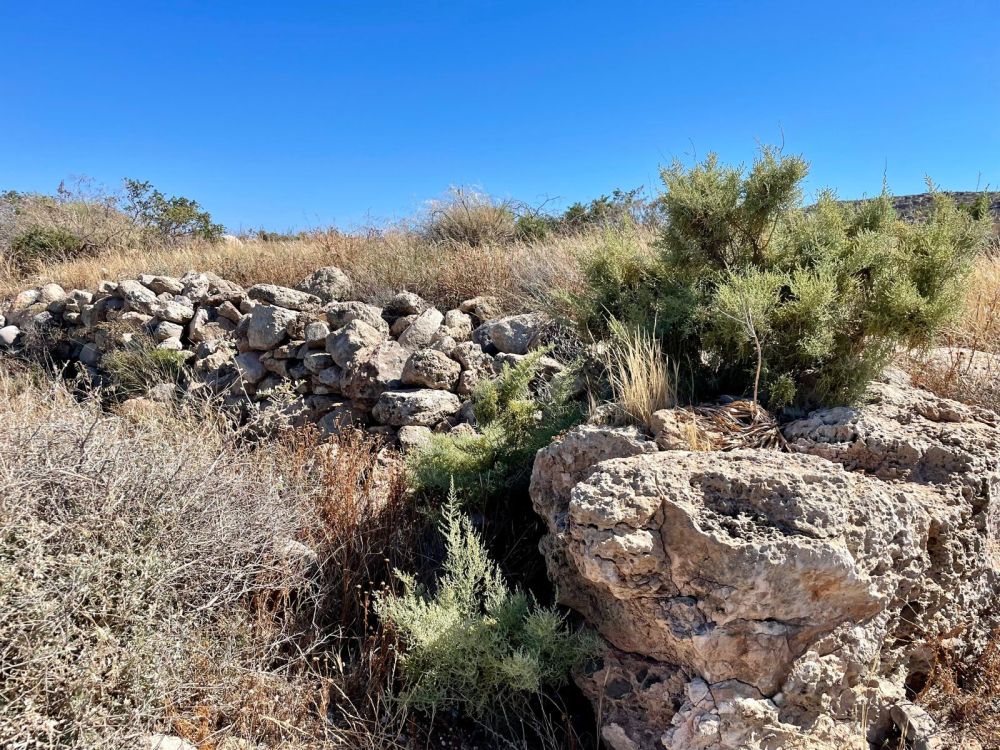
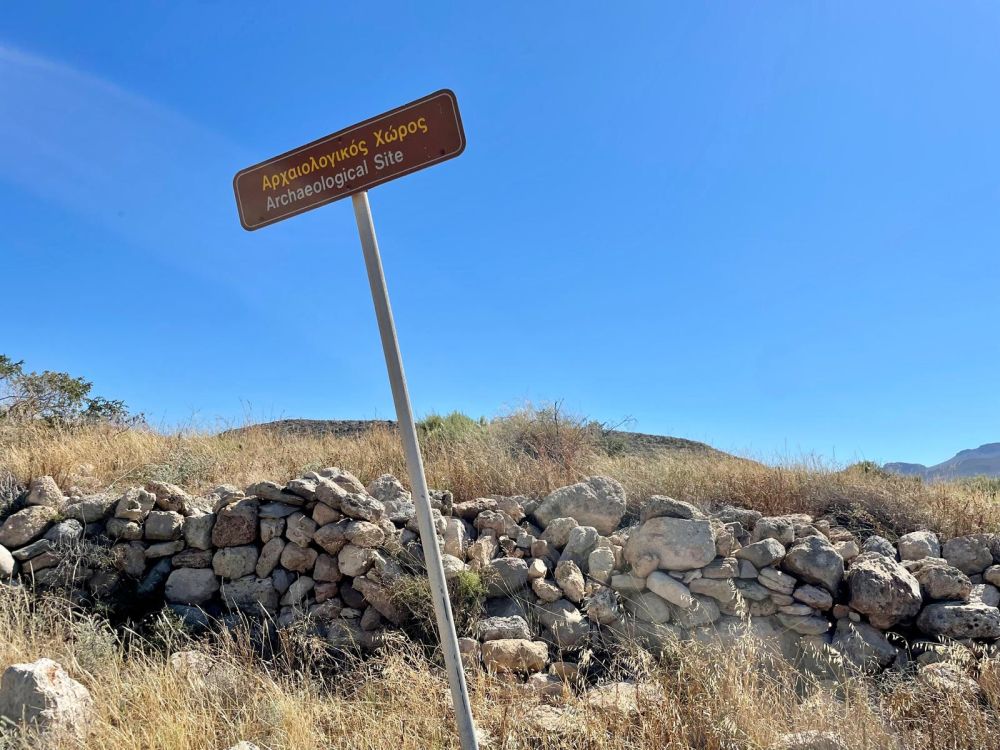
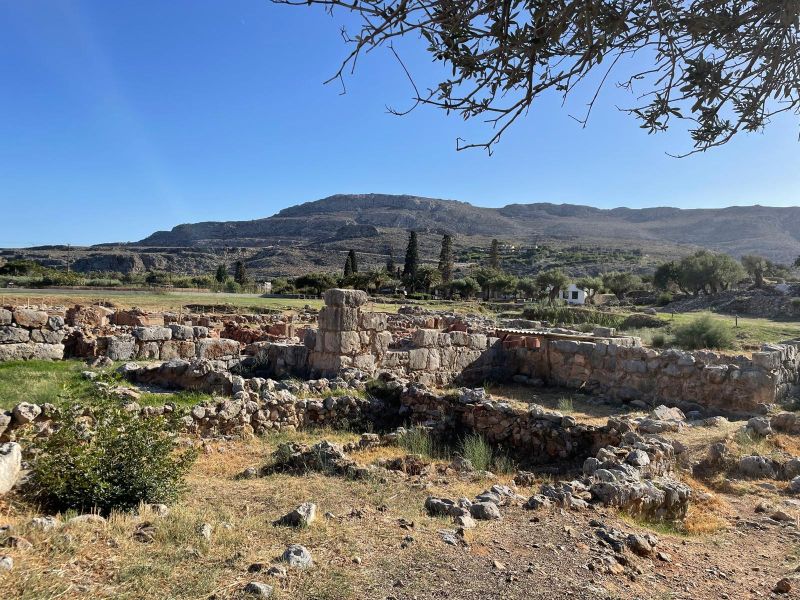
The first written records of Xerokampos date back to the Venetian period (the 1583 census), although the history of the settlement reaches much further into the past. On a hill near one of the beaches lies an archaeological zone with the ruins of an ancient Greek city.

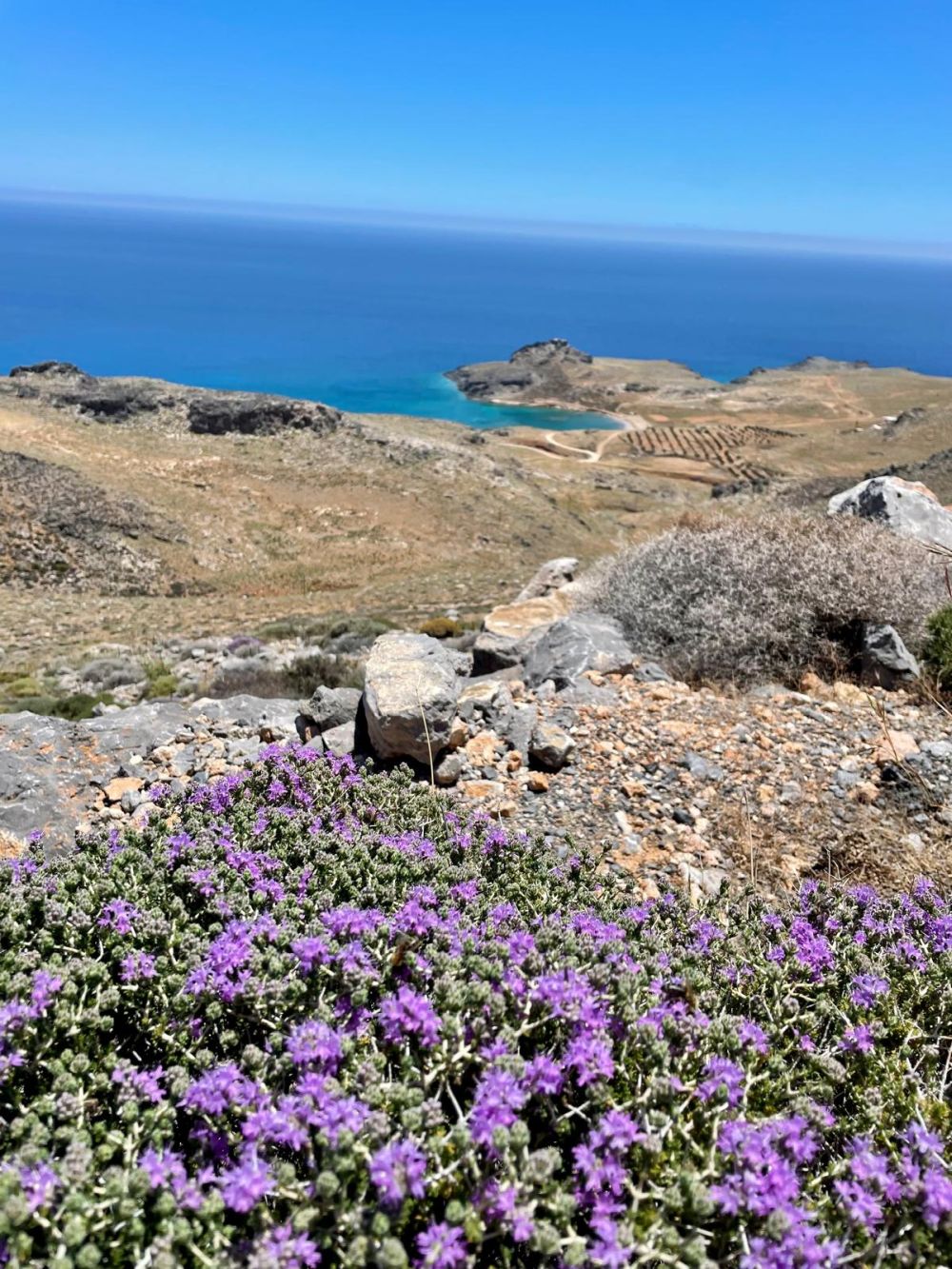
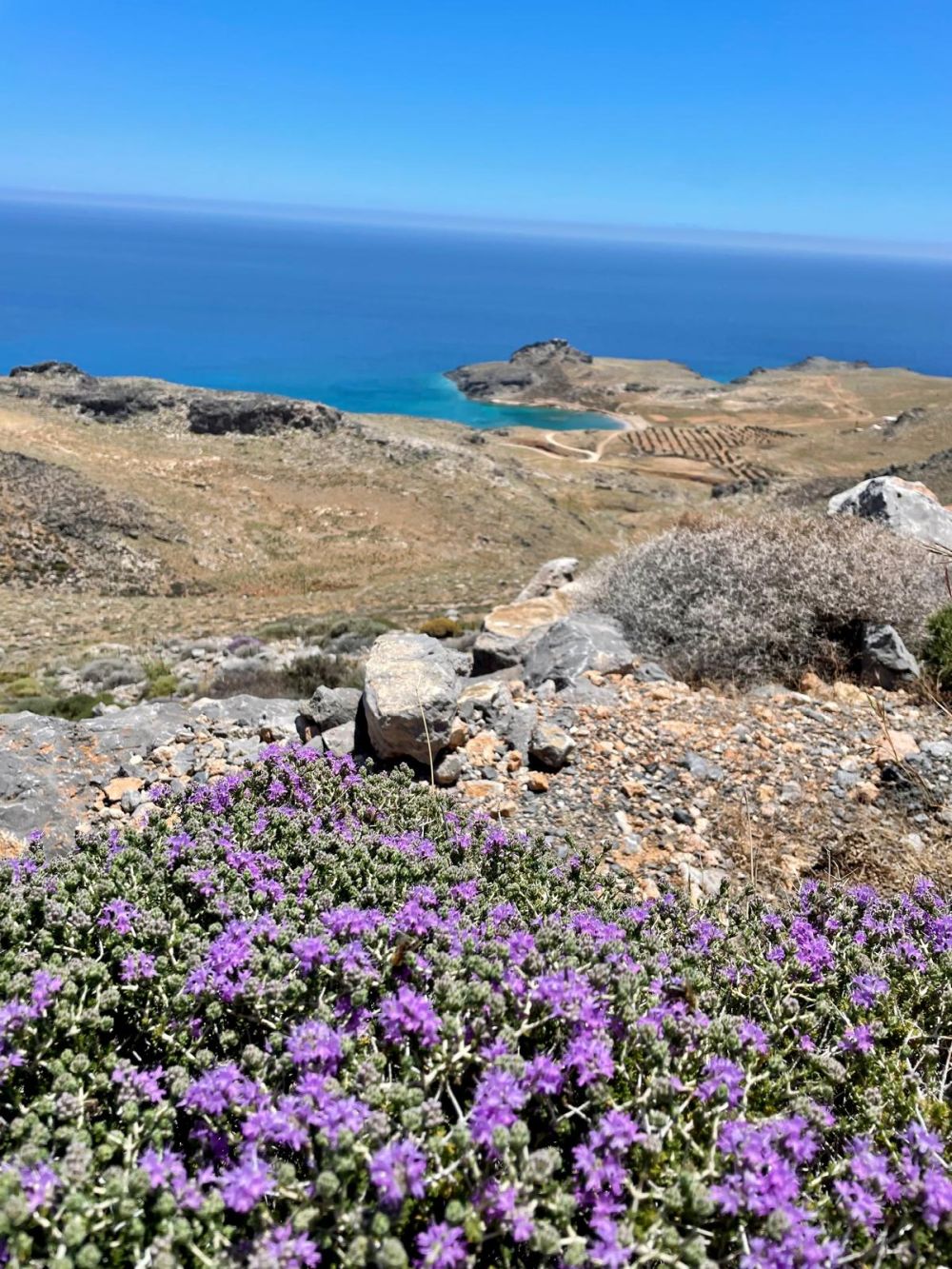
The charm of eastern Crete lies above all in its dry, rocky hills covered with low shrubs, among which thyme dominates, filling the air with its fragrance. In Xerokampos, this raw landscape contrasts beautifully with the turquoise sea and bright sandy beaches. Apart from the beaches, family run tavernas and small guesthouses, there is nothing here to disturb the wild beauty of the island.
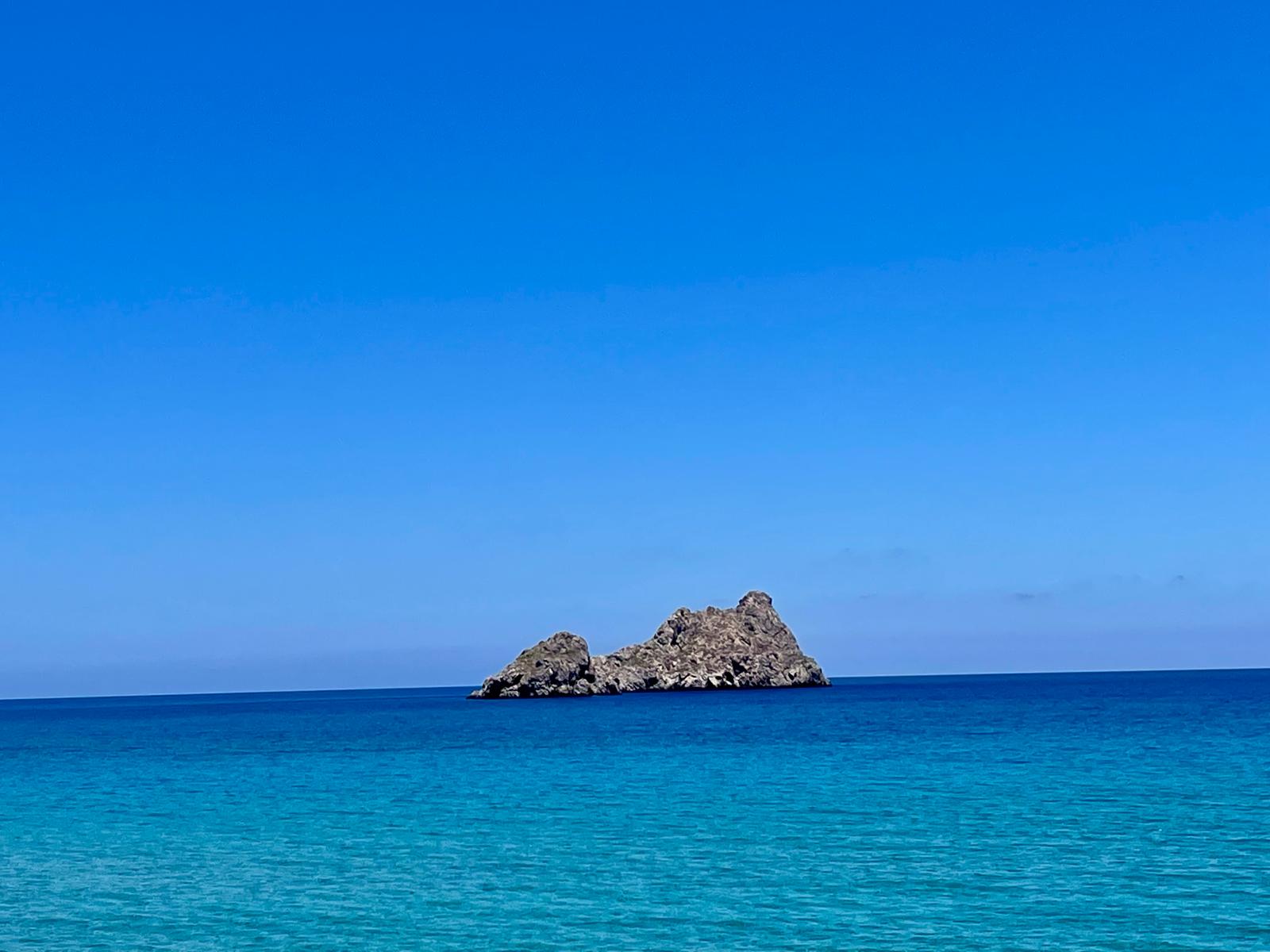
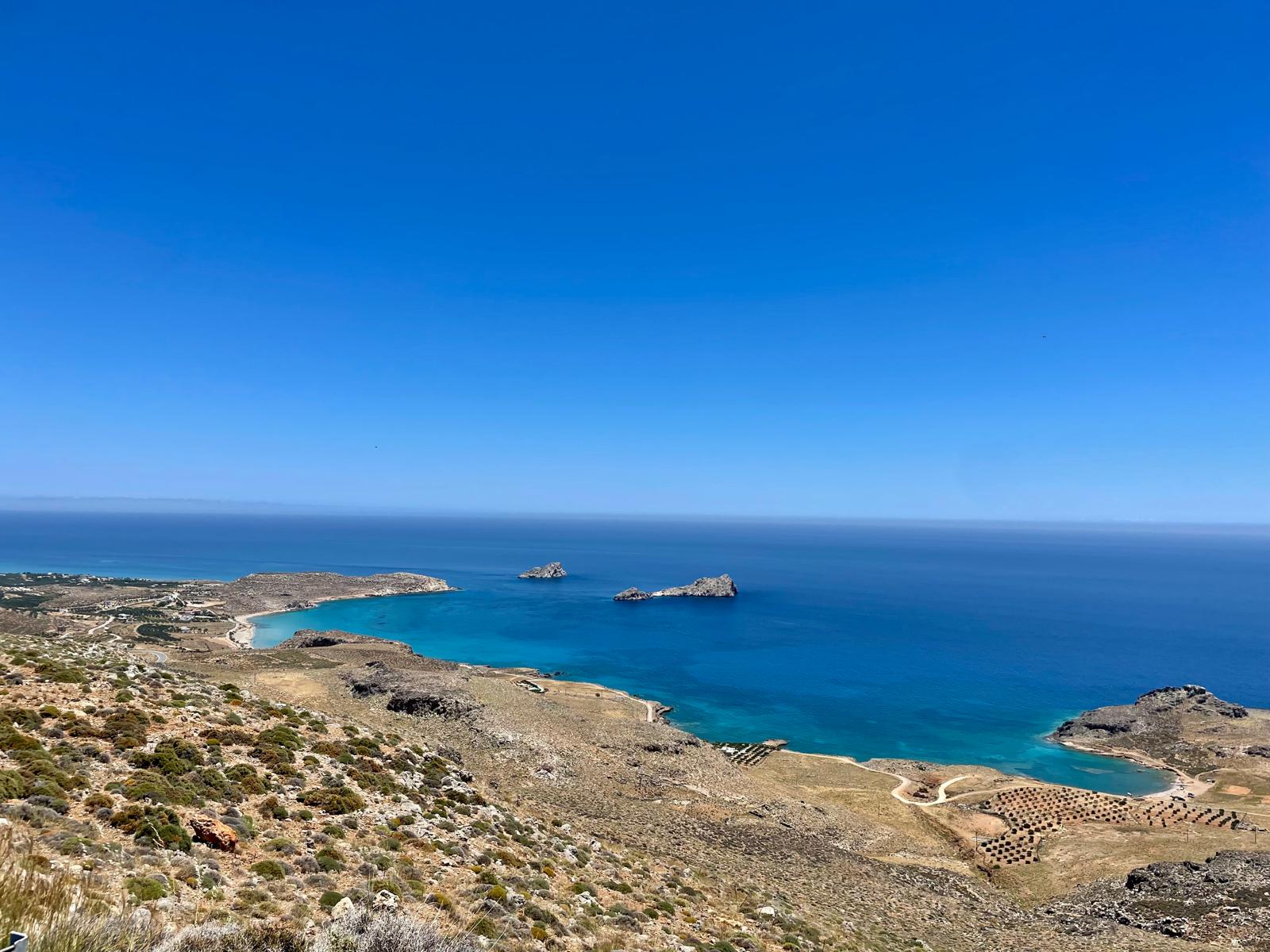
The Beaches of Xerokampos – diverse, peaceful, unique

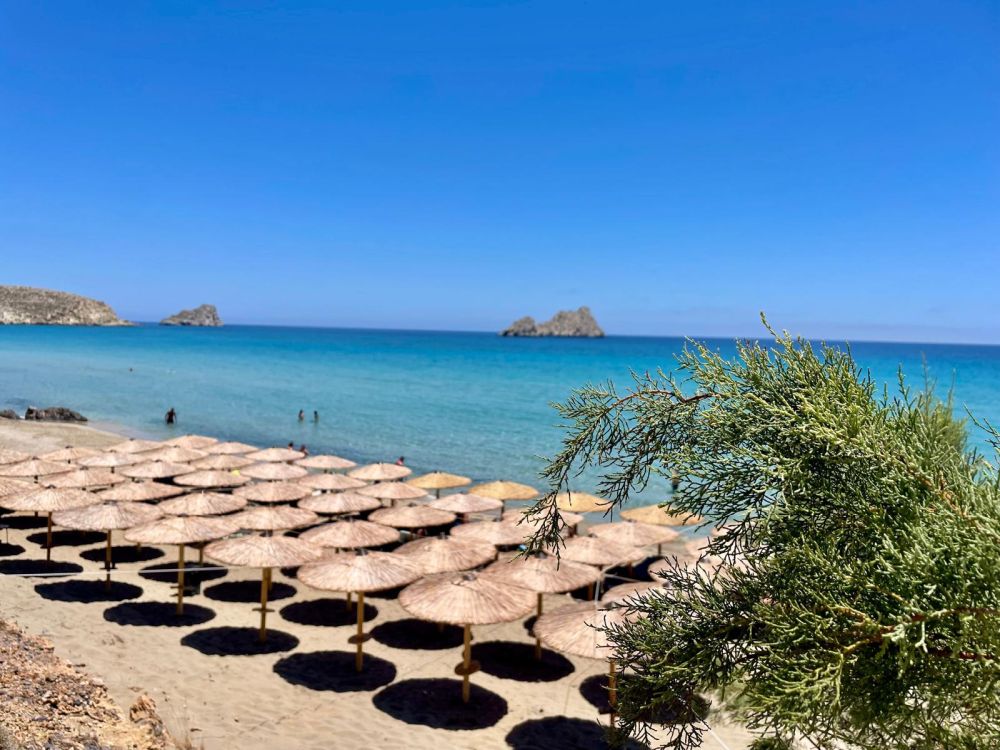
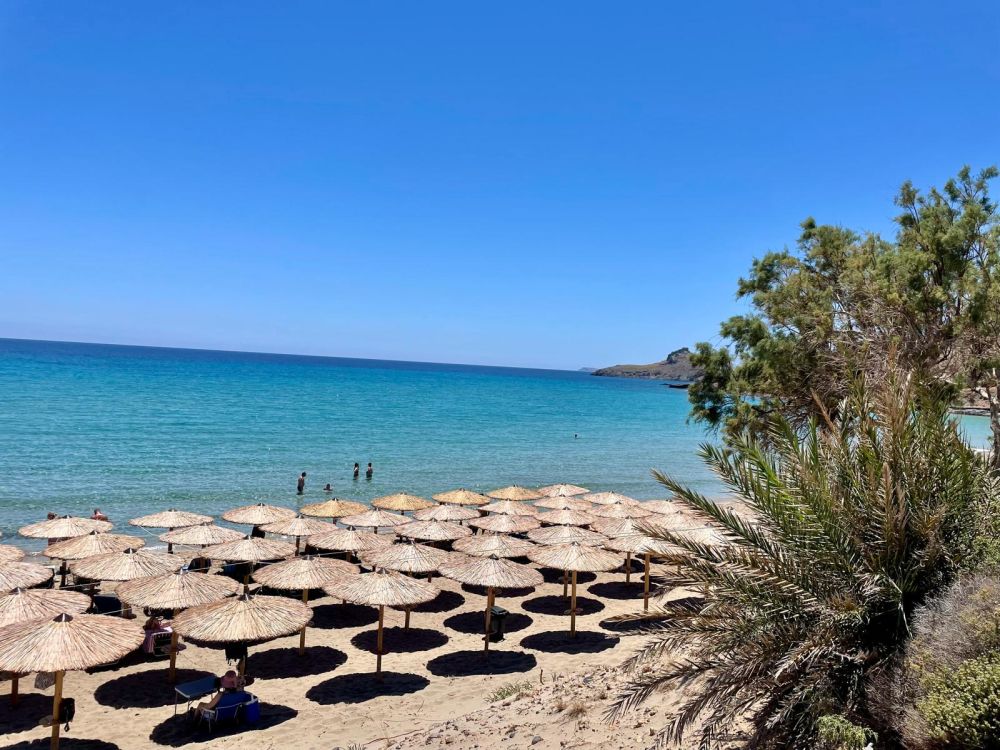
The main reason visitors come to Xerokampos is its unique and varied beaches — some covered with soft white sand, others with fine pebbles or sandstone slabs. Several beaches lie in the vicinity of the settlement, with the most famous being Ambelos, Amatu, Alona, Alatsolimni and the Great Beach. Such a wide choice guarantees plenty of space and tranquillity. Most beaches have gentle access to the sea and relatively shallow water near the shore. At the same time, it is important to remember that these beaches do not offer extensive tourist infrastructure.

Ambelos, Gerontolakkos and Argilos – where history meets nature

In the central part of Xerokampos, on the hill of Farmakokefalo, stand the ruins of the ancient city of Ambelos and the picturesque chapel of St. Nicholas. At the foot of the Trachilos cape, near the chapel, lies Ambelos Beach, made up of many small coves. One of them is called Gerontolakkos, meaning “Holy Cave”, a name likely linked to an ancient sanctuary that once stood here.

Further along the coast is the Argilos bay, known for its natural “healing” clay, and a little further east lies another beautiful beach — Chiona.

Who is Xerokampos for?

Xerokampos is the perfect destination for those who prefer:

  • peace and quiet,
  • closeness to nature,
  • wild, uncrowded beaches,
  • the authentic atmosphere of eastern Crete,
  • relaxation far from loud music and heavy tourist traffic.
Eastern Crete is far less frequented by mass tourism — more traditional, more “wild”, and in many ways the most authentic part of the island. Here, peace, natural beauty and well preserved Cretan traditions set the tone. And yet, just like the rest of Crete, its eastern tip offers remarkable beaches, archaeological sites from the Minoan era and later periods, monasteries, gorges and traditional villages… Siga siga… This region is home to unique places you simply cannot miss while travelling or relaxing in eastern Crete:

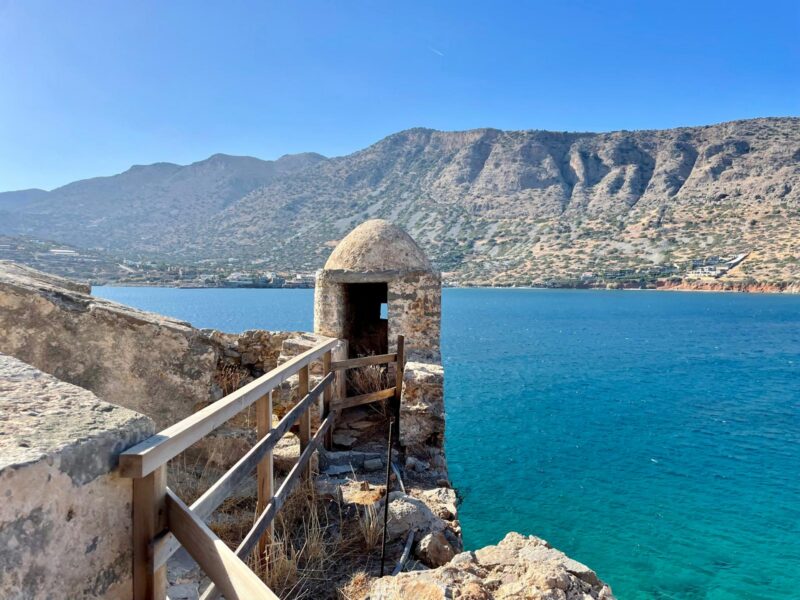
  1. Spinalonga Island – a place with many faces: once a Venetian fortress, later a Turkish port, and eventually the infamous island of the lepers.
  2. Kato Zakros – once a Minoan palace, today an archaeological site and a charming fishing village with intimate tavernas. For long‑distance walkers: the dramatic Gorge of the Dead leading straight to the ruins.
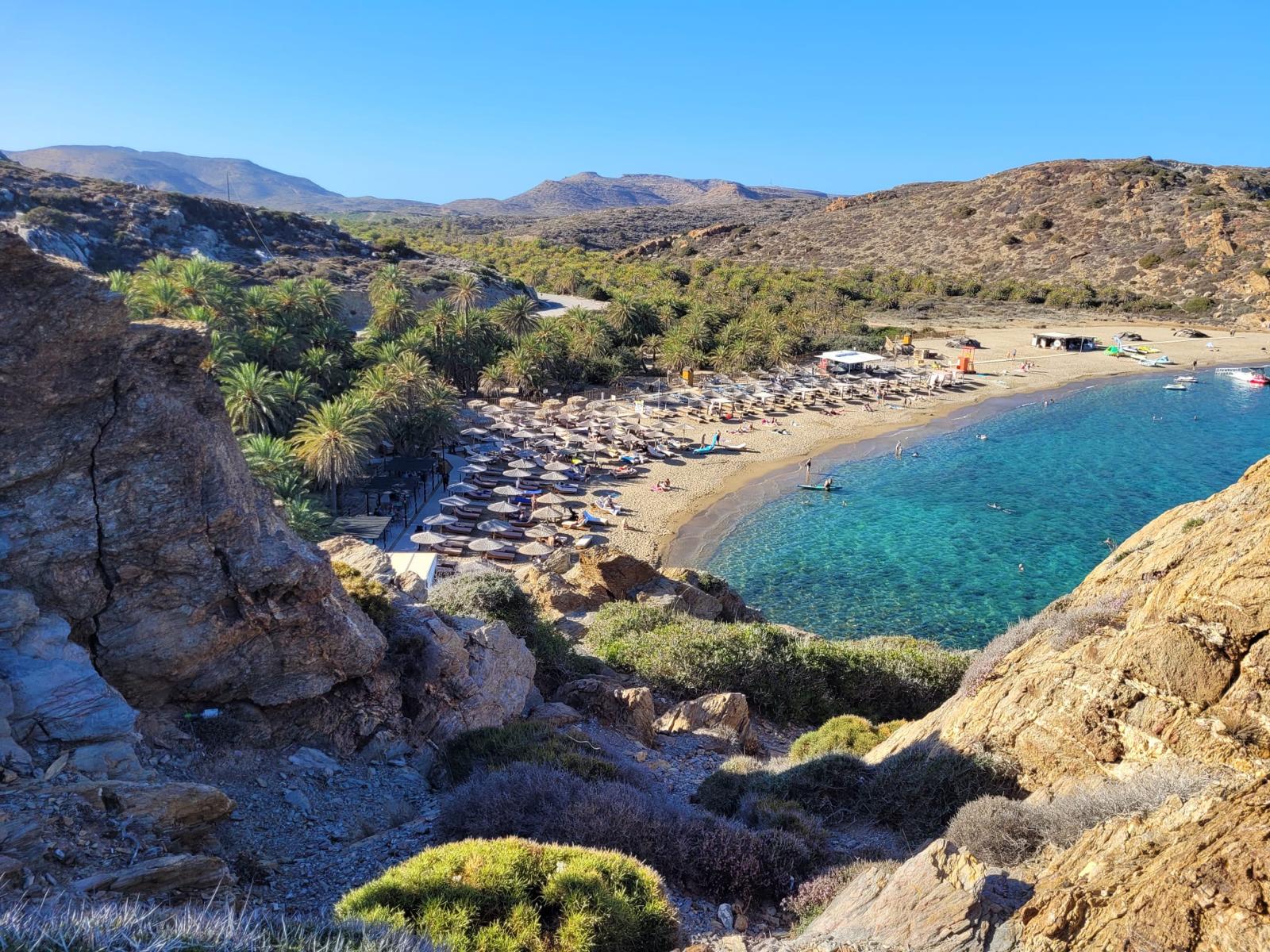
  3. Vai Beach – the island’s only natural palm beach with white sand, located near the archaeological sites of Itanos and Paleokastro.
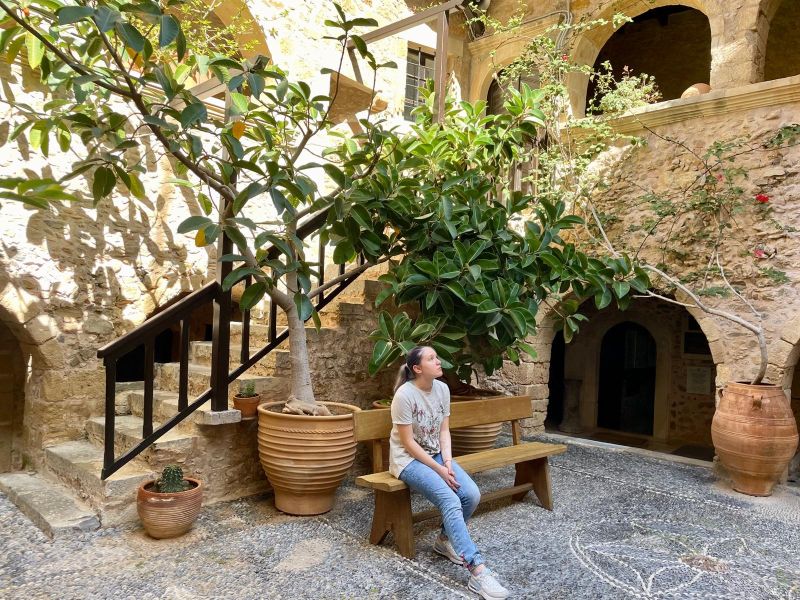
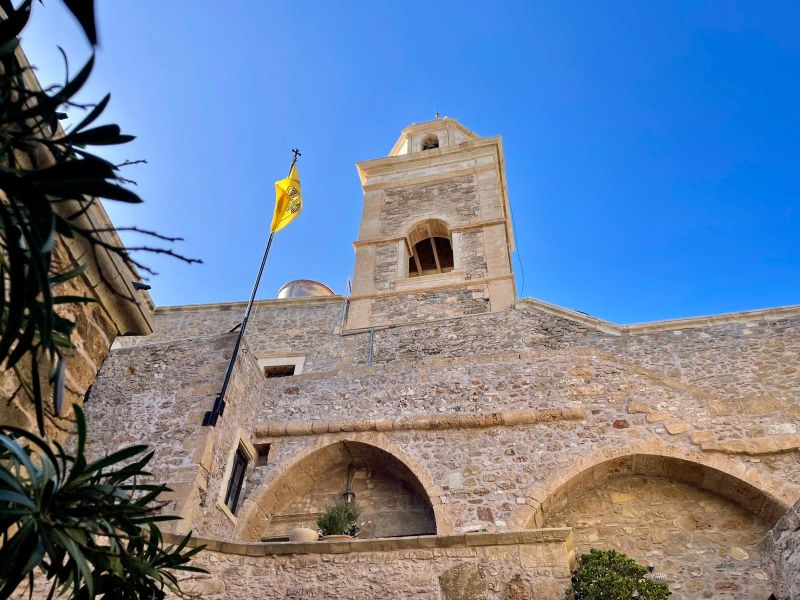
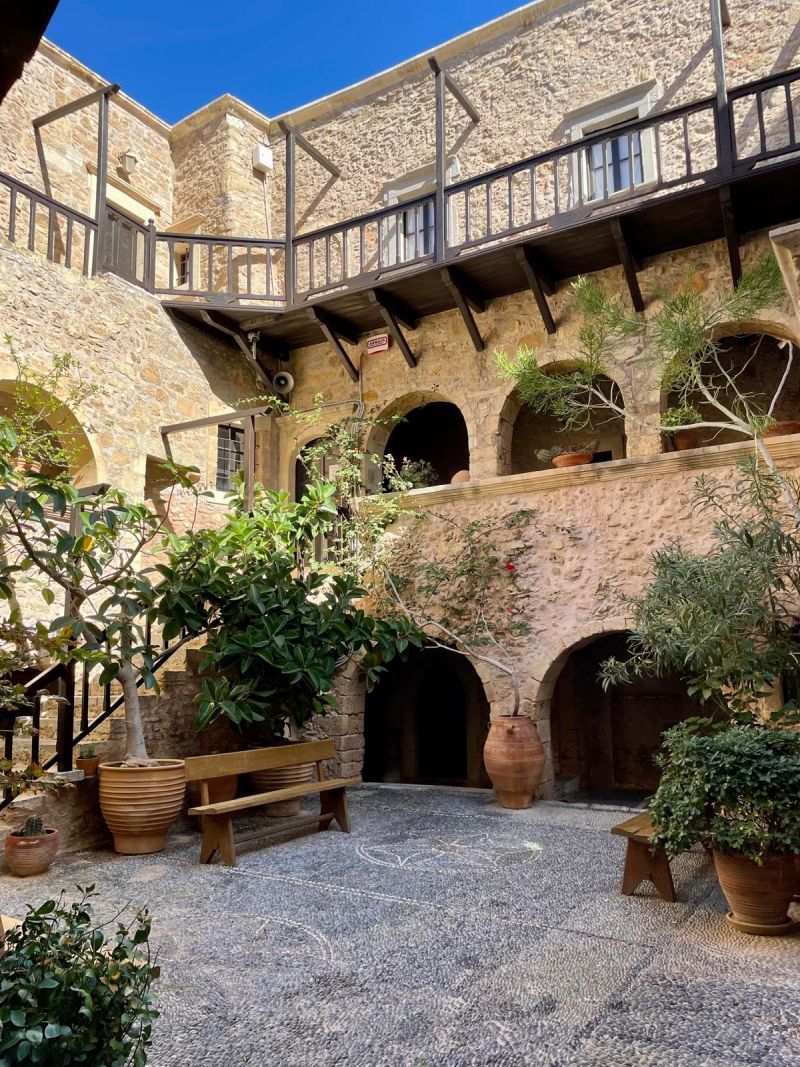
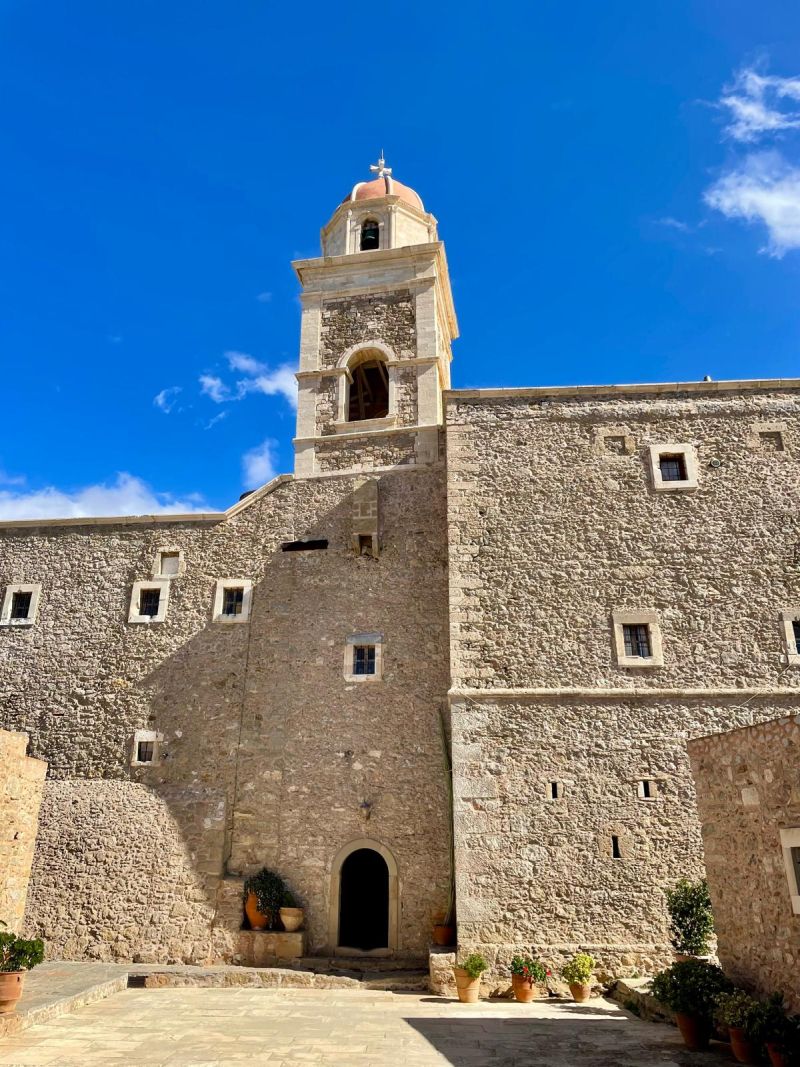
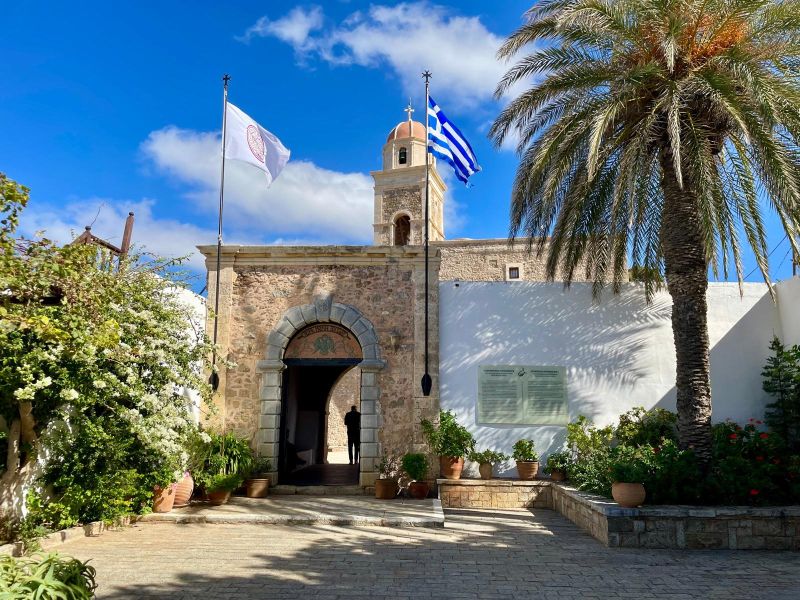
  4. Toplou Monastery – a place where the history of courage and the fight for freedom has been written for centuries. Today: impressive historic buildings, a museum and a winery.
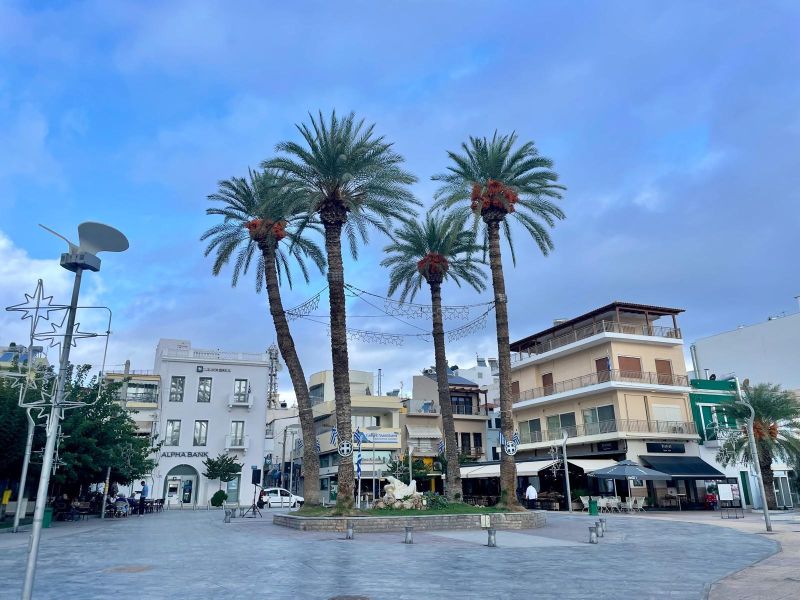
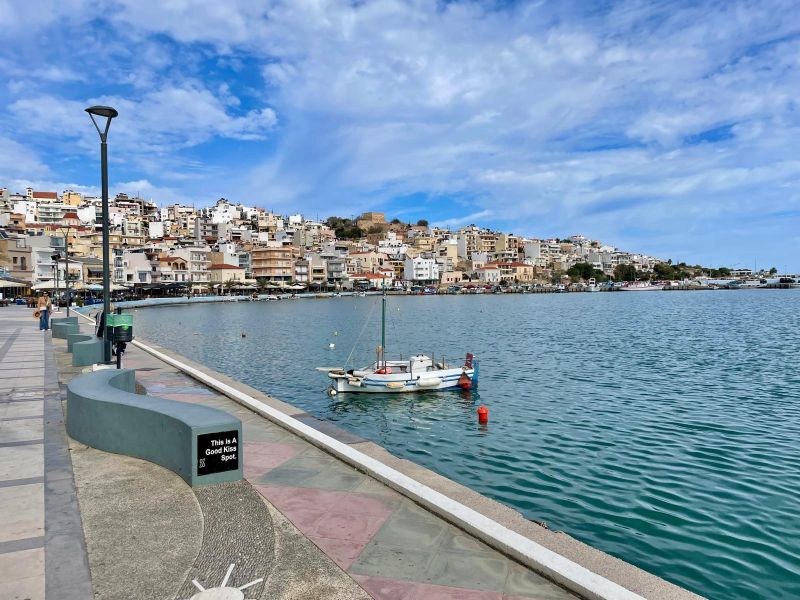
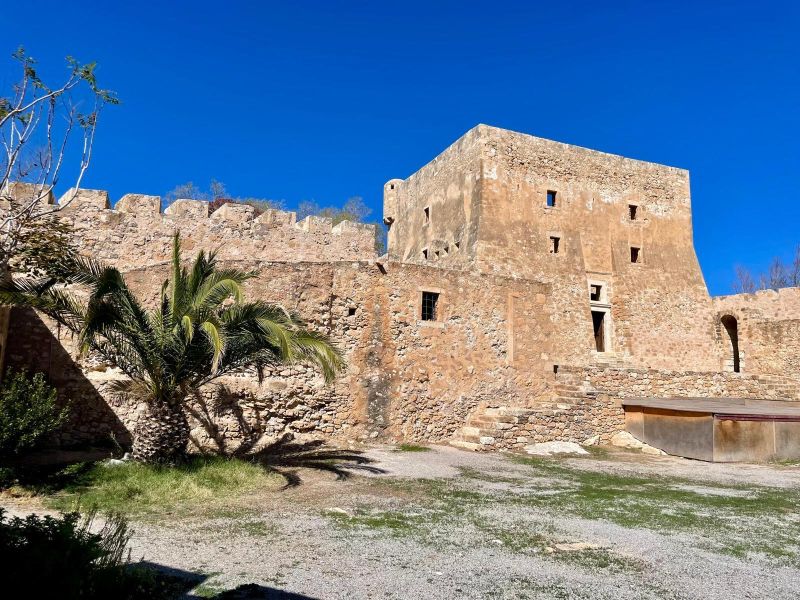
  5. The port town of Sitia – cosy cafés and tavernas along the bay, a regional archaeological museum, a small sea‑lake inhabited by cormorants and swans, and the Venetian fortress of Kazarma.
  6. Makrygialos – now a popular port town with atmospheric tavernas by the Libyan Sea, hiding the ruins of a Minoan villa and a Roman house.

All these places — and many lesser known gems — are just a short trip away from Delfini Studio. Curious about our custom designed exploration programs? Let us know — we love crafting unique journeys across Eastern Crete. We invite you to our garden and olive grove, located in the very heart of the eastern Cretan peninsula. We’ll be writing about more unusual and off the beaten path places on our blog. Visit us at www.delfinigreece.com

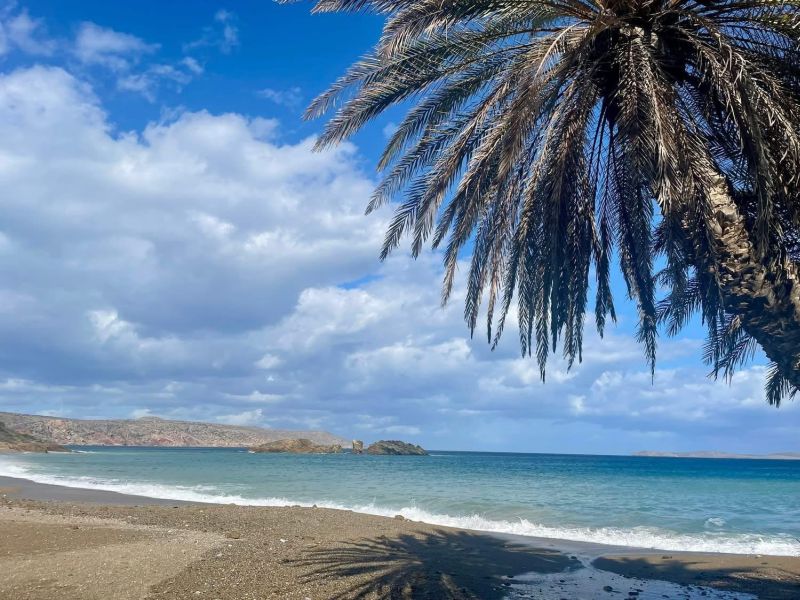
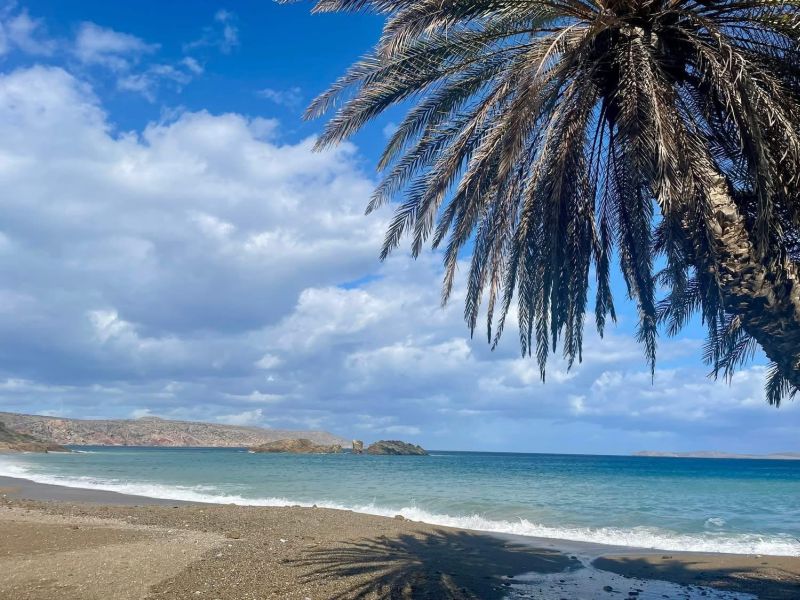
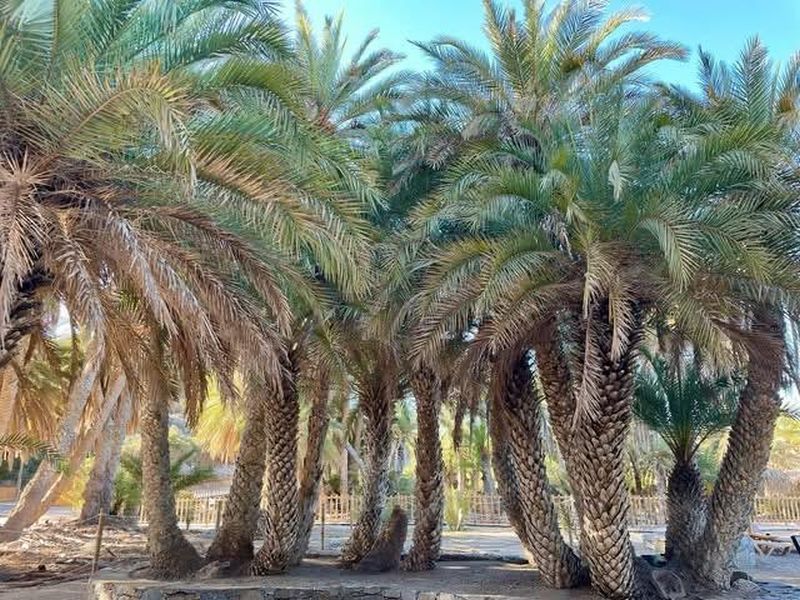
Vai Beach 🏝️ is one of the most beautiful beaches on Crete, located at the very tip of the island’s eastern peninsula — 35 km from the Delfini Studio 🐬 and 25 km from the town of Sitia. It is a breathtaking place with crystal clear, blue water 🌊, fine light sand, and an exotic palm forest 🌴.

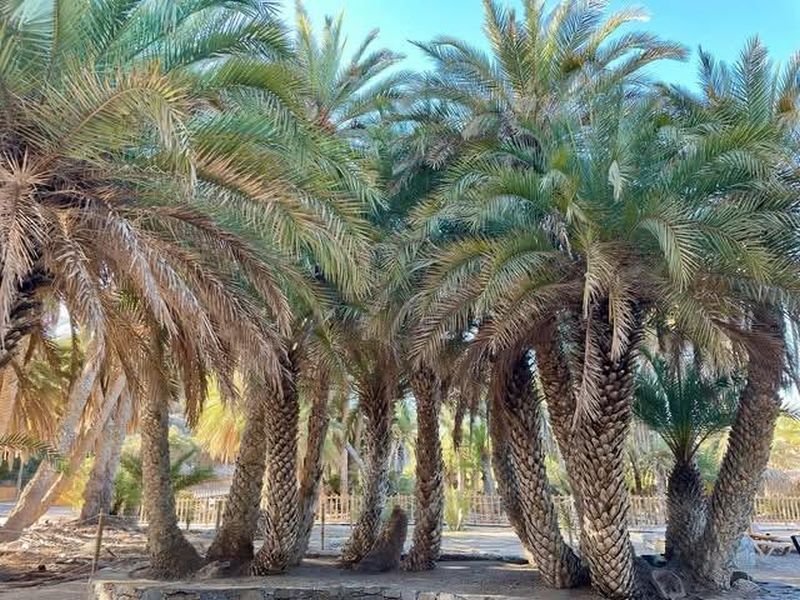
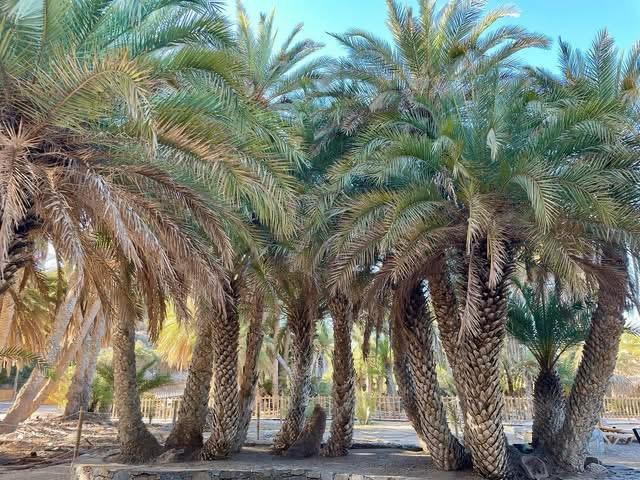
Vai is home to the largest palm grove in Europe, with more than 5,000 Cretan date palms (Phoenix theophrasti). The entire area belongs to the historic Toplou Monastery, located nearby.

There are several stories about how this unique palm grove came to be. One legend says the trees grew from date pits thrown away by Saracen pirates, later washed ashore. Another claims the palms were planted by the Phoenicians, who sailed the Mediterranean twenty centuries ago. The real explanation is probably simpler — the palm is an endemic species, naturally growing on Crete, and here it found exceptionally favourable conditions.

Due to increasing visitor numbers and the fact that not all tourists respected nature, the grove was declared a protected area and incorporated into the National Park. Thanks to this, it can still be admired today in its pristine, unchanged form.

Makrygialos is the most famous resort in eastern Crete, located just 15 minutes from Delfini Studio. It is a beautiful, atmospheric and still intimate seaside town on the Libyan Sea.

As recently as the 1950s, Makrygialos had no road connection with the rest of Crete. All food and goods were transported to and from the small harbour by boat. As tourism developed, the town gradually changed its appearance. Abandoned houses were replaced by small, family run hotels.

The history of Makrygialos’ port dates back to Minoan times. During excavations in the 1970s, archaeologists discovered traces of ancient settlement. The most interesting find is the remains of a Minoan villa built around 1480 BC. Later, the ruins of a Roman villa from the 1st century AD were uncovered.

Makrygialos developed around a small bay that formed a natural harbour. Today, the town consists of two neighbouring settlements — Makrygialos to the west and Analipsi to the east. They are connected by the Great Beach, a long sandy beach with full tourist infrastructure. There are also other beaches in the area: the pebbly Kalamokanias in the western part of town, Lagoufa Beach next to the largest hotel complexes, and Manousos Halavridi Beach.

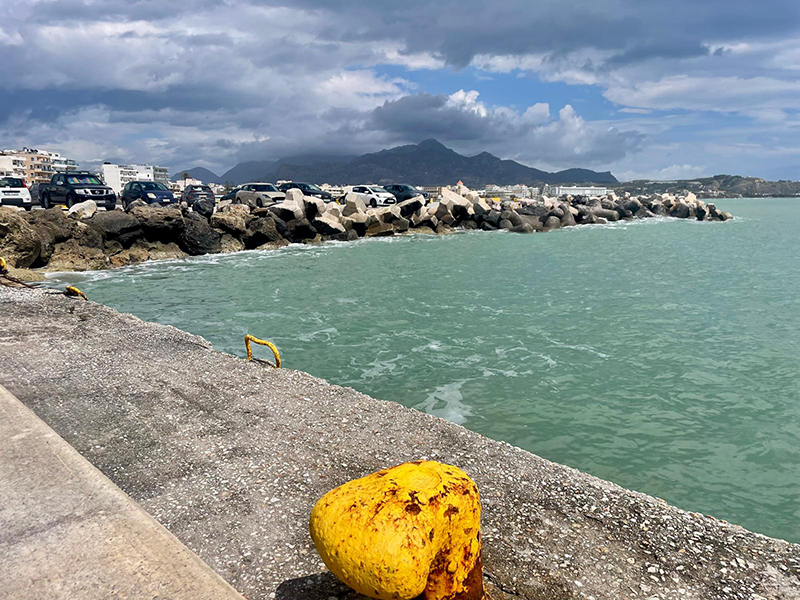
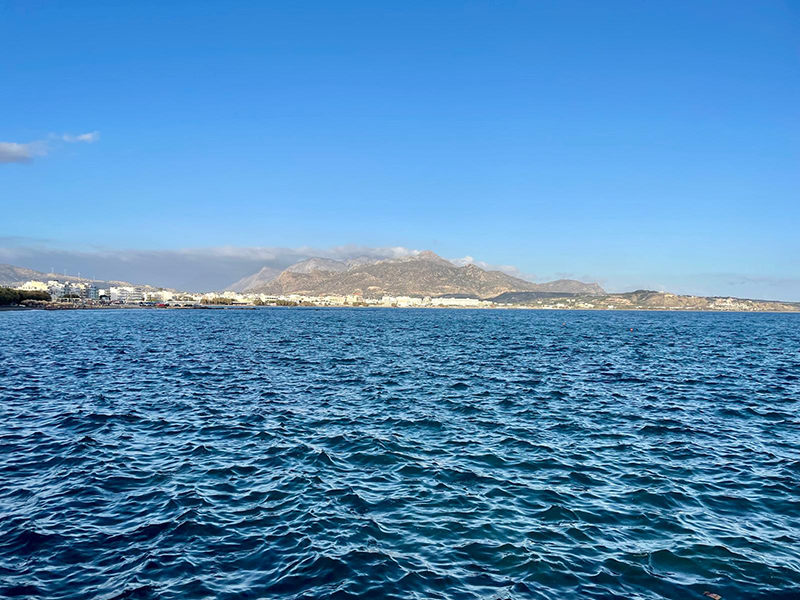
The warmest city in Greece and the southernmost city in Europe. Modern Ierapetra was built on the site of ancient Ierapytna, which around 150 BC competed for dominance in the region with Presos and Itanos (today among the best preserved archaeological sites).

In the Roman era, Ierapytna flourished as one of the cosmopolitan cities of the Roman Empire. Its port was important due to easy access to Egypt and the Middle East. The Romans destroyed the city after more than two years of fighting with its inhabitants. Once conquered, it was rebuilt, with new temples, baths and theatres constructed.

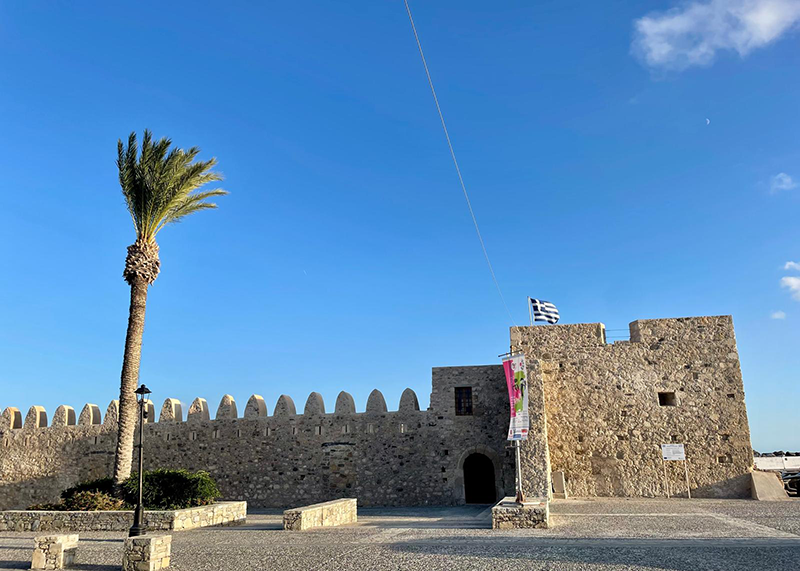
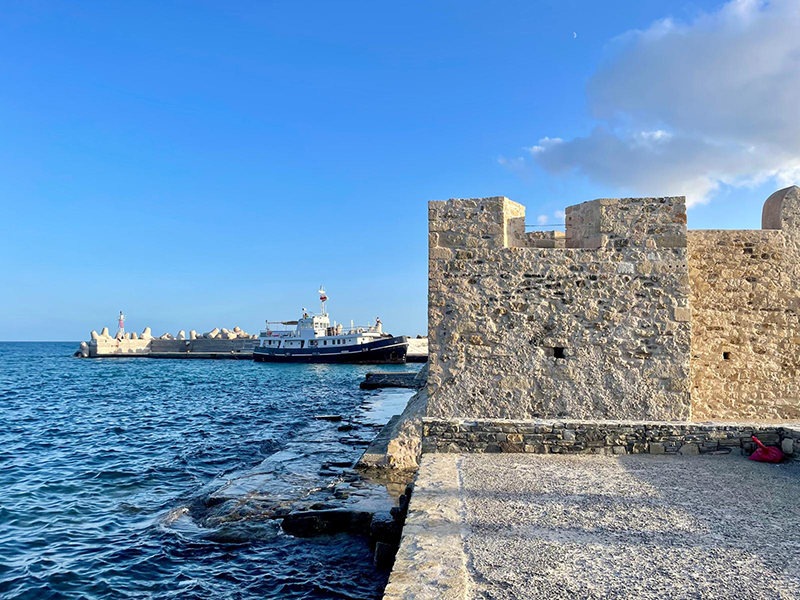
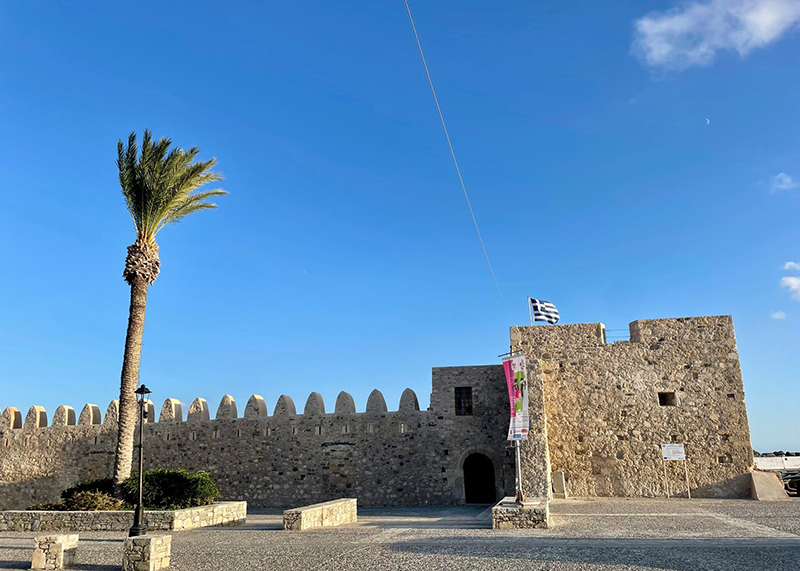
Ierapytna maintained its importance during the early Byzantine period but was later destroyed by the Arabs. Under Venetian rule, the town was fortified. Even today, visitors can admire the Kales Fortress (gr. φρούριο Καλές), built in the 13th century. A powerful earthquake in 1780 destroyed much of the town, which is why few ancient monuments have survived despite its long history.

Today’s Ierapetra is primarily an agricultural town — thanks to its excellent climate, it produces vast quantities of vegetables exported throughout Europe.

The most important monument in Ierapetra is the Kales Fortress, which was repaired by the Turks after the earthquake of 1508, when they took control of the town in the 17th century.

While in Ierapetra, it is worth visiting the oldest church in the city, dedicated to Jesus Christ. It was built around the 12th century as a monastic katholikon. One of the most intriguing landmarks is Napoleon’s House — according to local tradition, Napoleon spent one July night here in 1798 on his way to Egypt. Another attraction for history lovers is the Turkish mosque — one of the few on the island that Cretans did not demolish after regaining independence in 1898.

Museum enthusiasts will also find something for themselves. The town’s Archaeological Museum is housed in a former Ottoman school from the late 19th century. Its collection includes artefacts from nearby archaeological sites. Among ceramics, incomplete Roman statues and coins, the most valuable exhibits include a Minoan sarcophagus found in Episkopi (c. 1450 BC) and a statue of the goddess Demeter from the 2nd century AD.
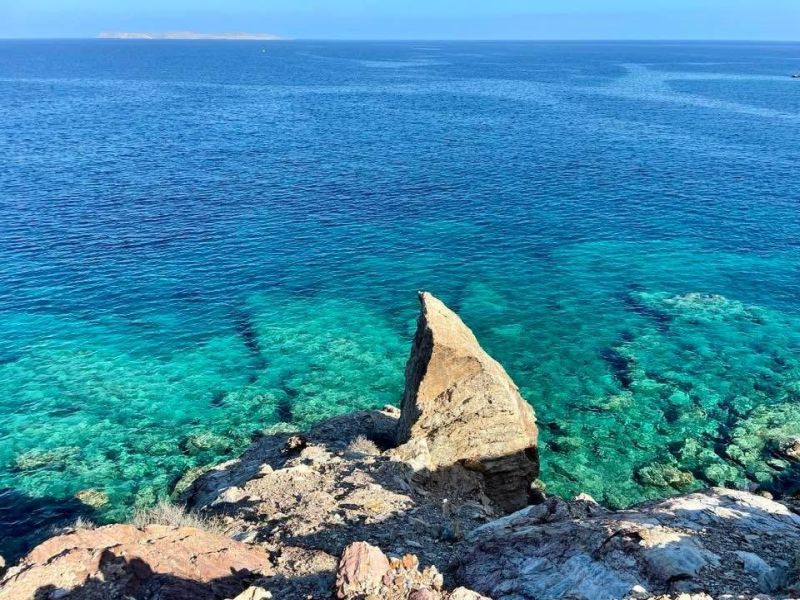
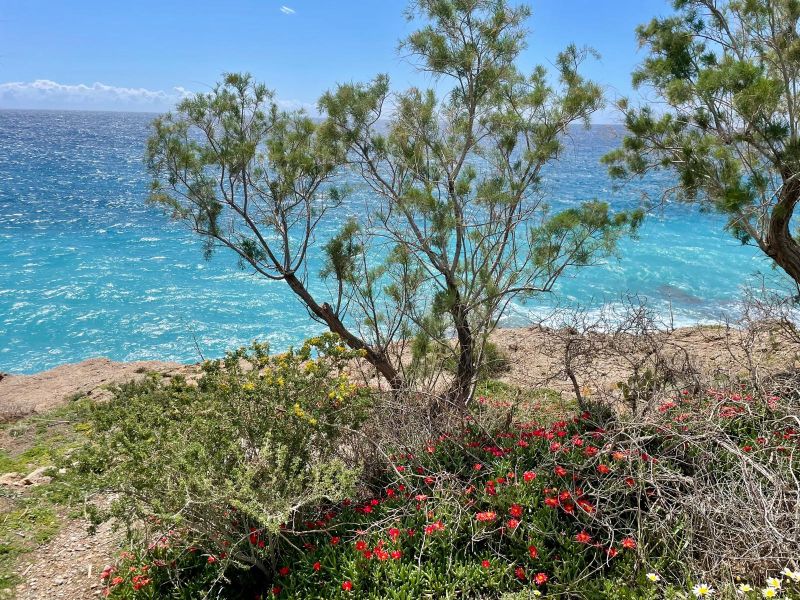
Ierapetra and its surroundings offer many spacious, easily accessible beaches (e.g., Limanakia, Apovathra, St Andrew’s Beach). It is worth knowing that the sand on the southern coast of Crete is usually grey black.
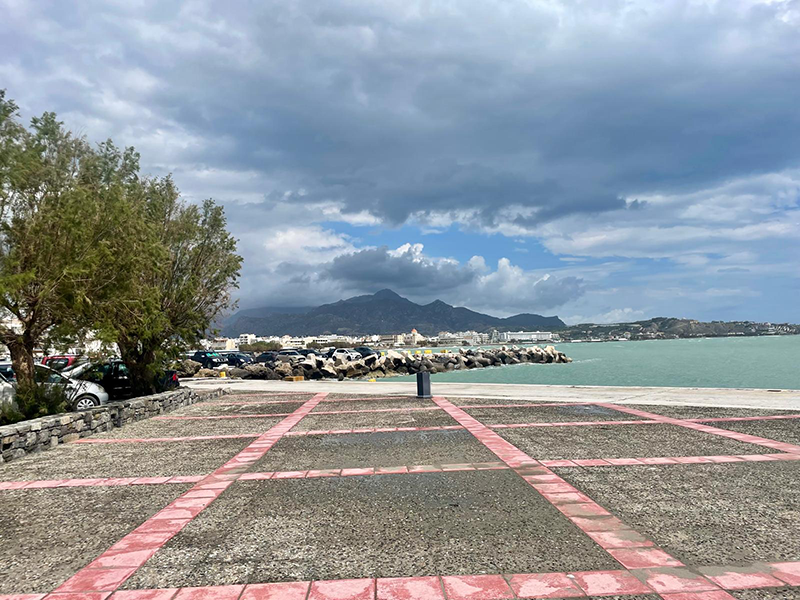
A port on the northeastern coast of Crete, where tradition blends with modernity. It is also the cosmopolitan capital of the Lasithi region, combining contemporary architecture with the history of the Dorian era.

The history of the town begins in the 3rd century BC, when it became part of the Dorian city of Lato, located to the south. Until the 6th century AD, it served as an important trading point and a centre for recruiting mercenaries.

In 1206, the Genoese pirate Henrico Pescatore built the Mirabello fortress on the highest point of today’s Agios Nikolaos, on Kefali Hill. He did not enjoy the castle for long, as the entire island was soon purchased by the Venetians. The fortress did not survive, and today the regional government offices stand in its place. Historical sources mention that it housed a salt warehouse, with salt brought from the Elounda area. The Venetians were determined to maintain a complete monopoly on salt supplies throughout the Mediterranean, which explains the strong protection of this resource. The Mirabello fortress was destroyed several times (in the 1303 earthquake and by pirates in 1537), yet it was always rebuilt. Only at the end of the 17th century, when the Ottomans besieged the town, did the Venetians blow it up as they surrendered — and it was never rebuilt.

During Venetian rule, the town held little significance. Under Ottoman rule, it slowly depopulated. After the 1866 revolution, towards the end of Turkish rule, the town began to repopulate and developed as a port trading citrus fruit.

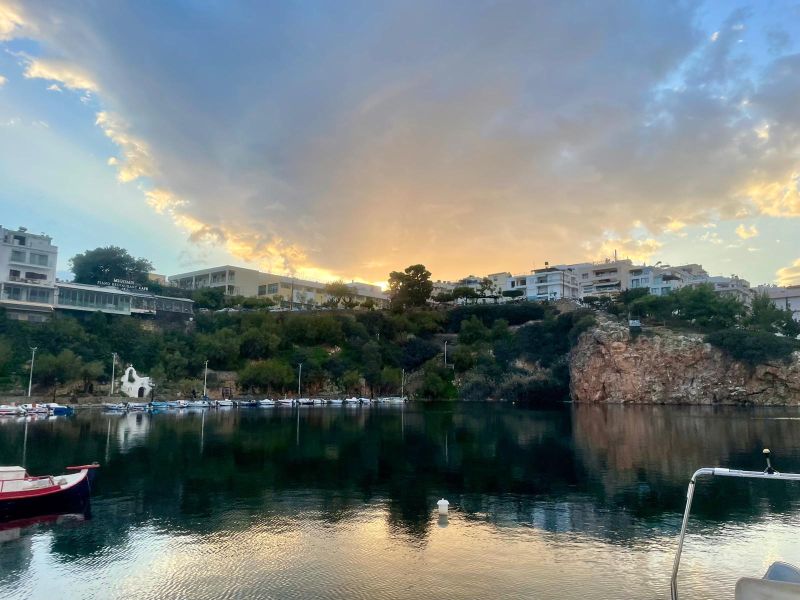
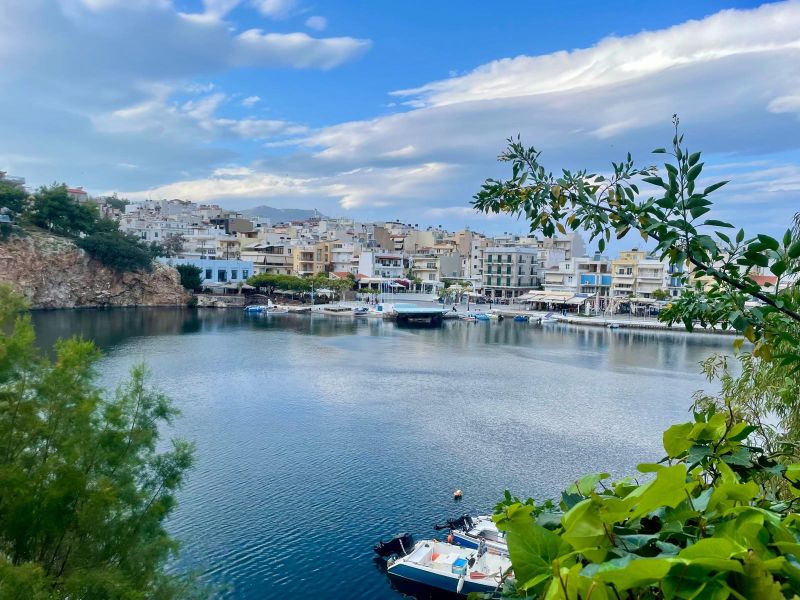
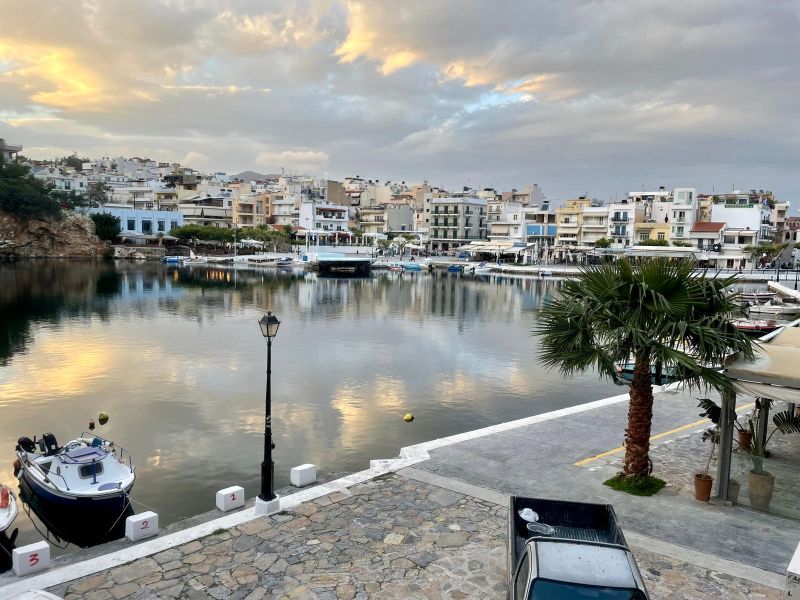
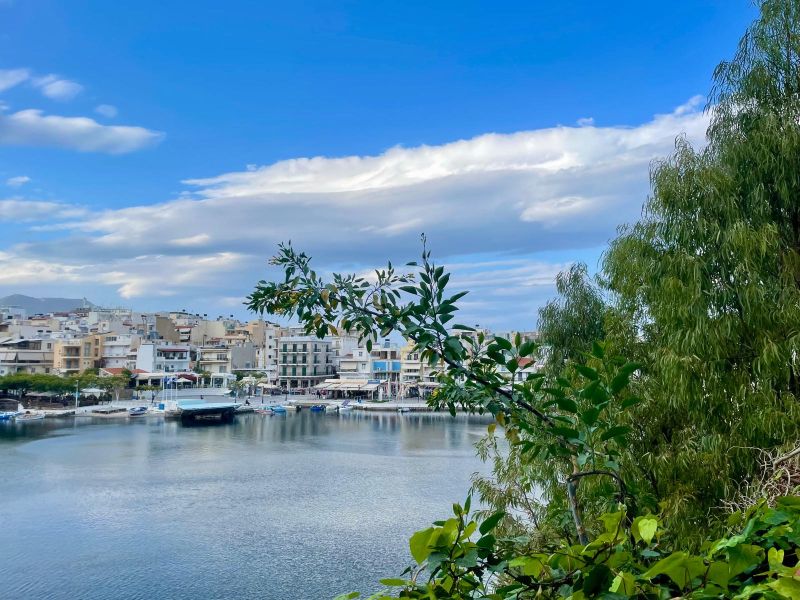
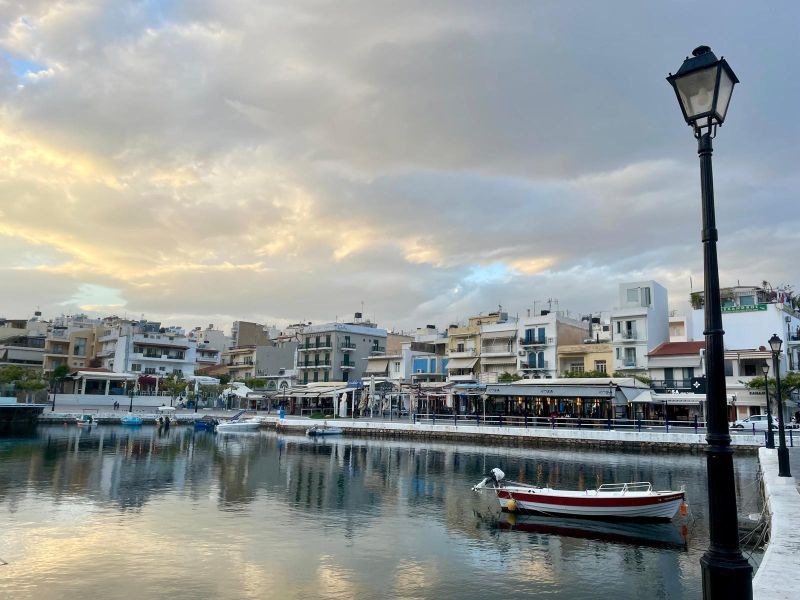
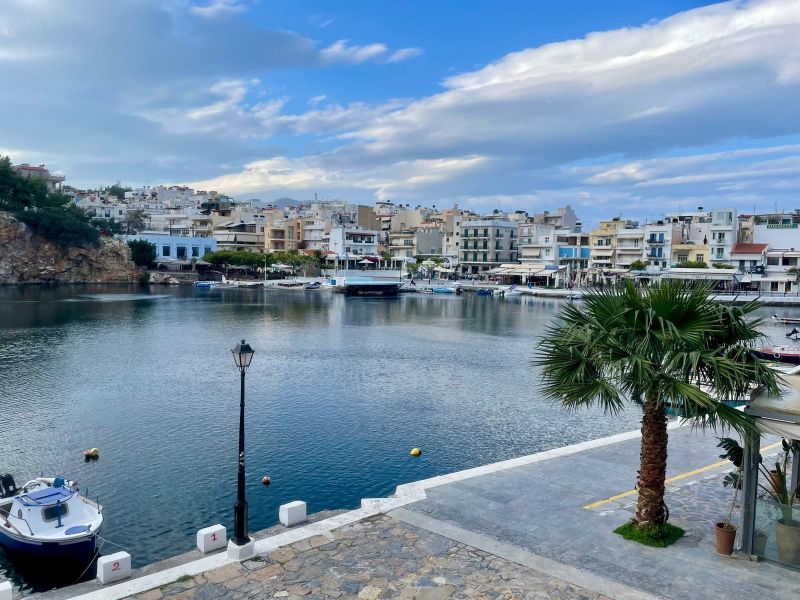
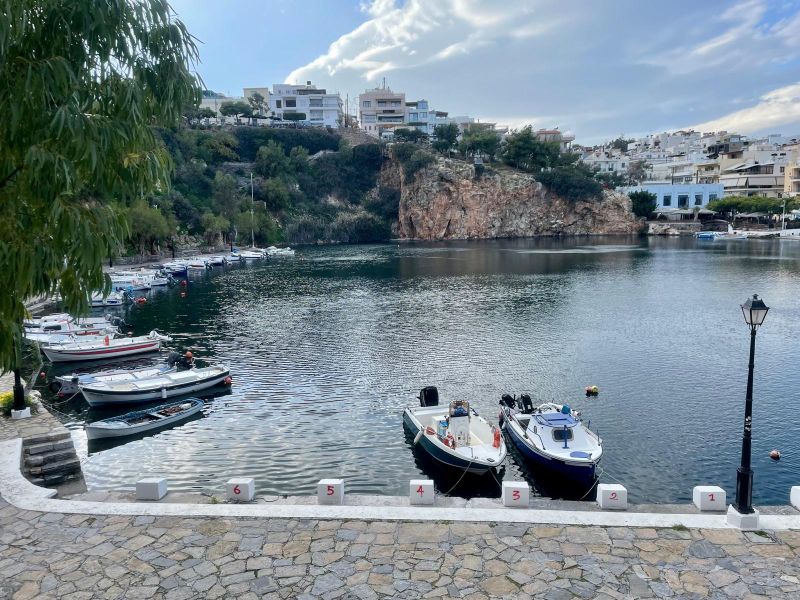
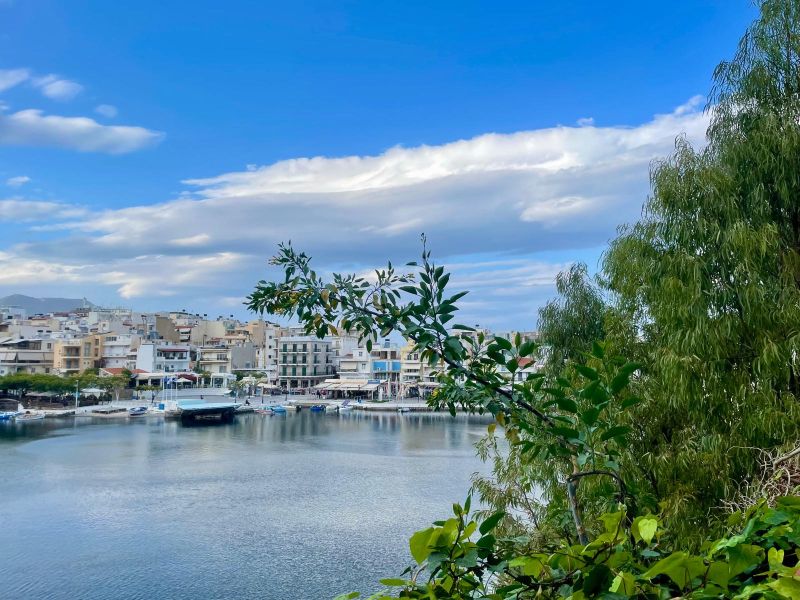
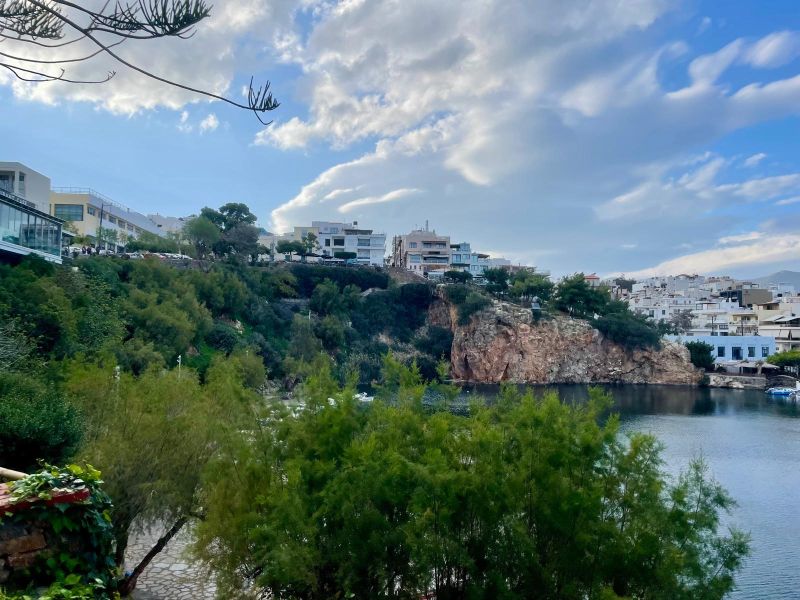
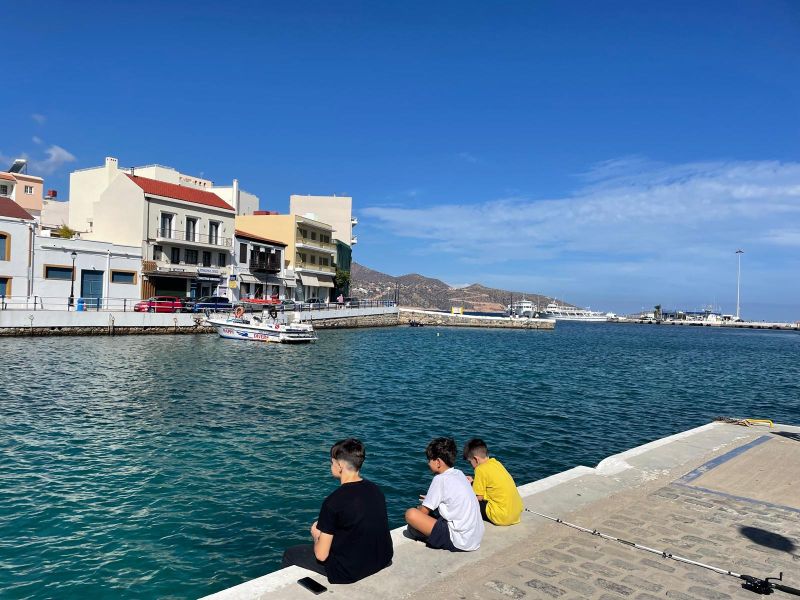
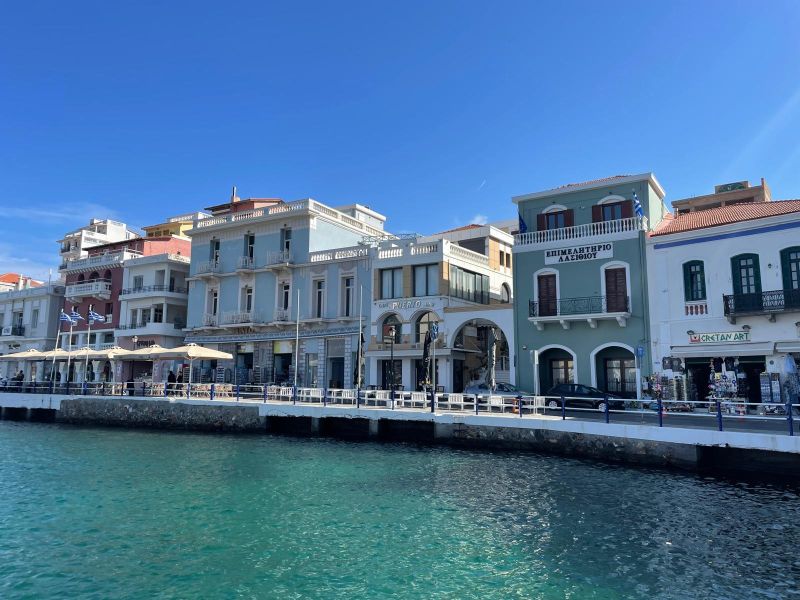
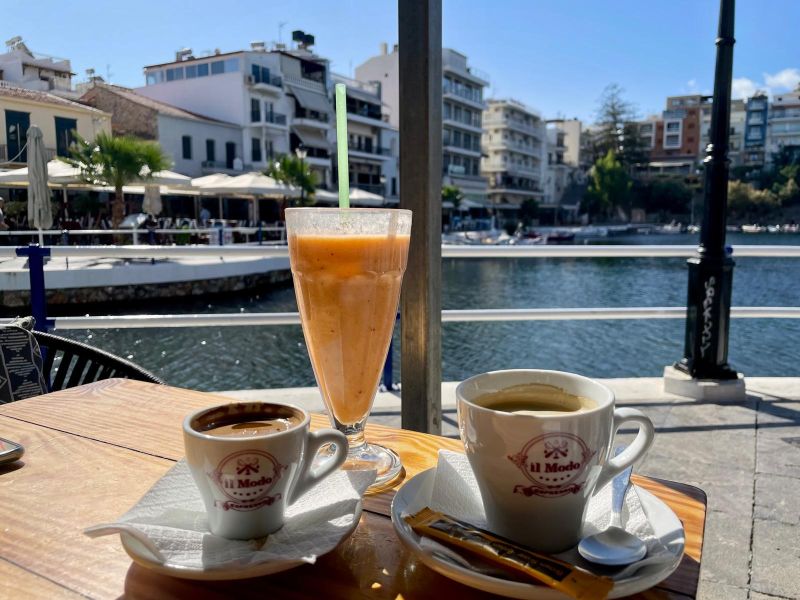
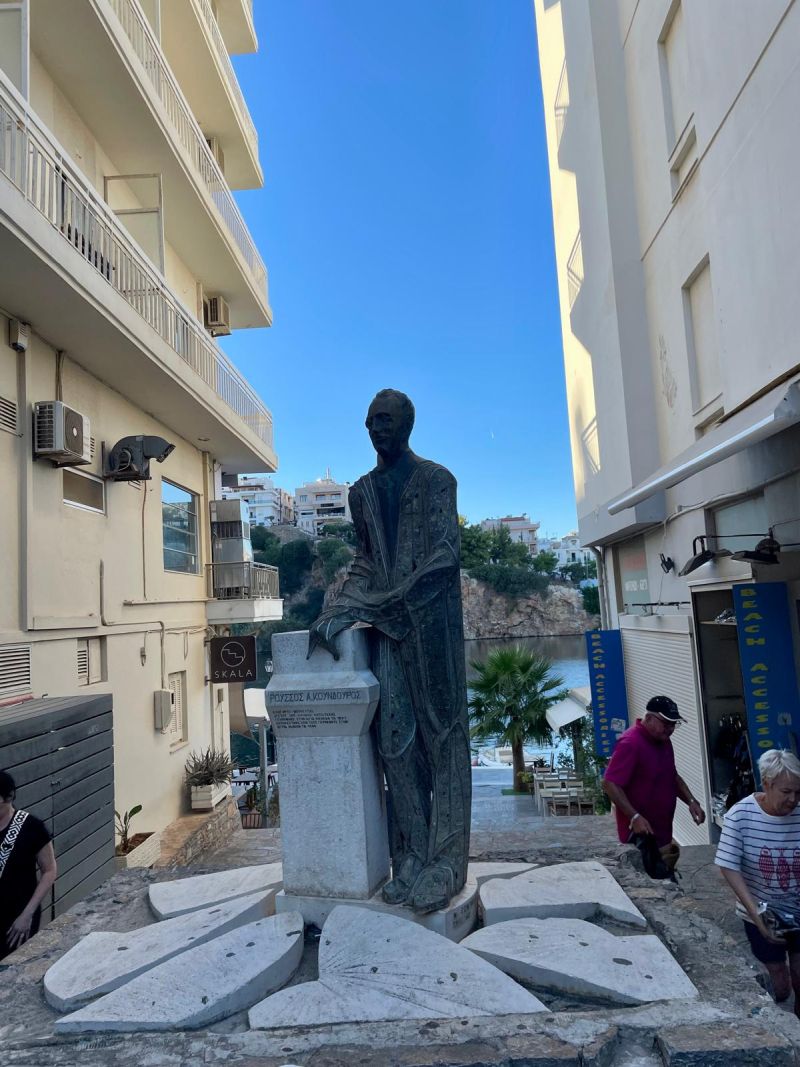
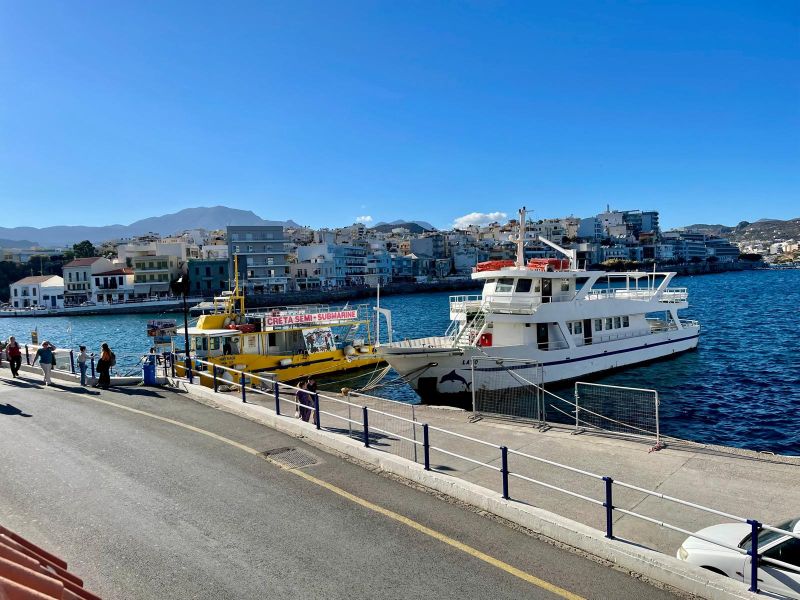
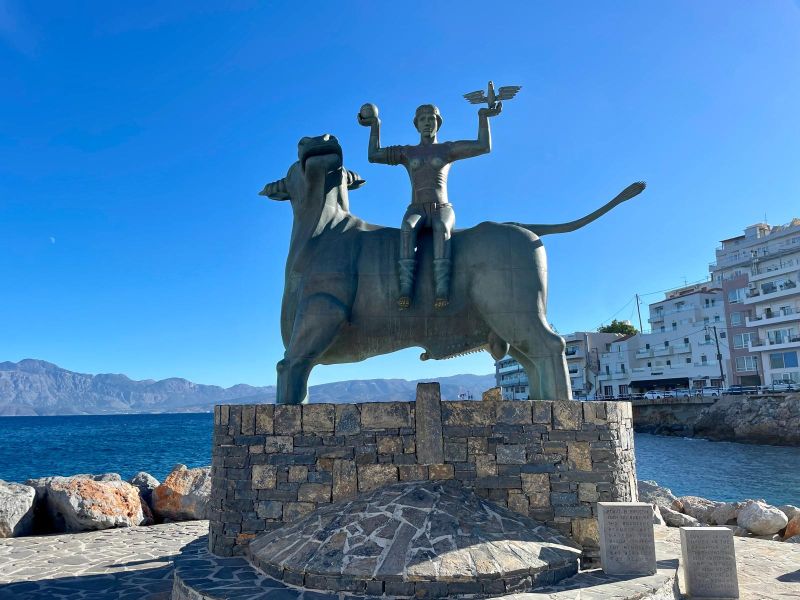
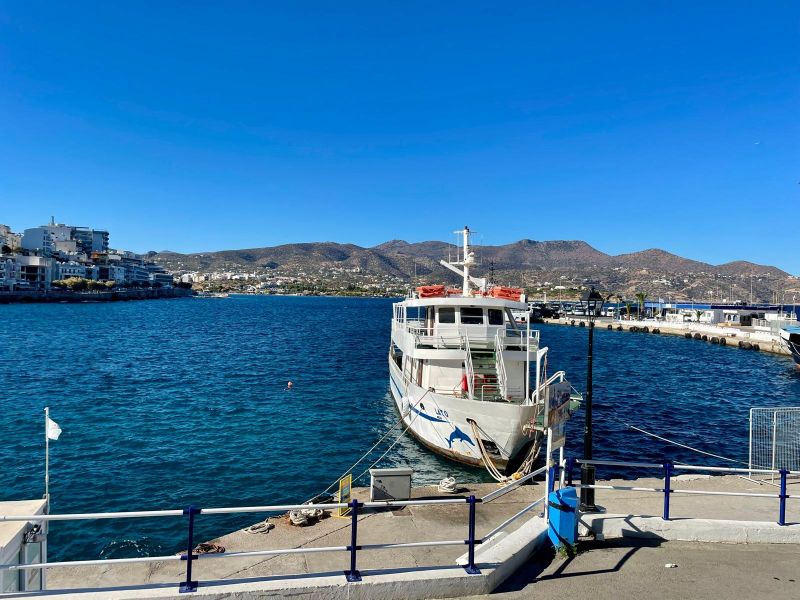
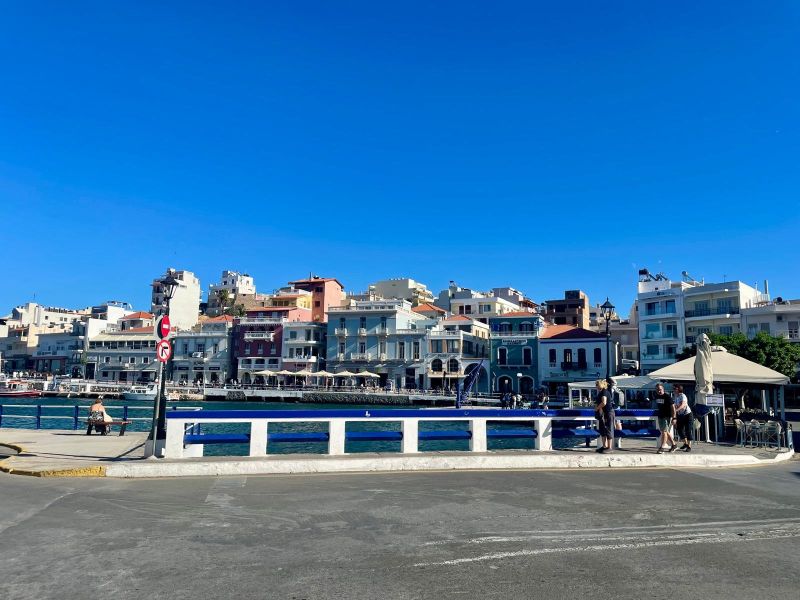
Modern Agios Nikolaos is shaped by the dynamic growth of tourism, which began here much earlier than in other parts of Crete. The heart of the town is the area around the harbour and Lake Voulismeni. In the 19th century, it was a freshwater lake — the second such lake on Crete after Lake Kournas. In 1870, it was connected to the sea by a navigational channel. The lake has its own mythology: the goddesses Athena and Artemis were said to bathe here, and locals believed it was bottomless and inhabited by monsters. Today, fishing boats and small vessels moor along its shores, surrounded by lively tavernas, cafés and bars.

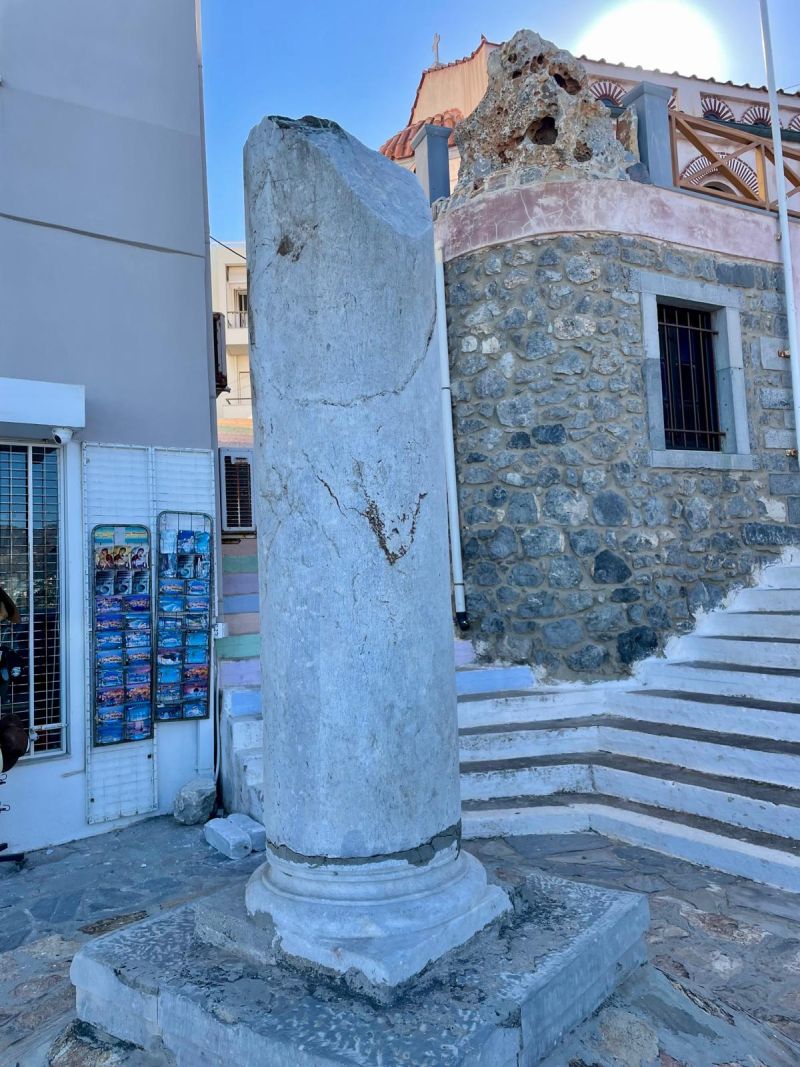
The town is home to a private Ethnographic Museum and an Archaeological Museum. Near the town centre stands the 12th century church of Panagia Vrefotrofos, where 14th century frescoes can be admired. A historical walk can end at the church of St Nicholas, the town’s patron. Built between the 7th and 9th centuries, it has preserved its original form — a simple, single nave church decorated with remnants of 9th–11th century frescoes.

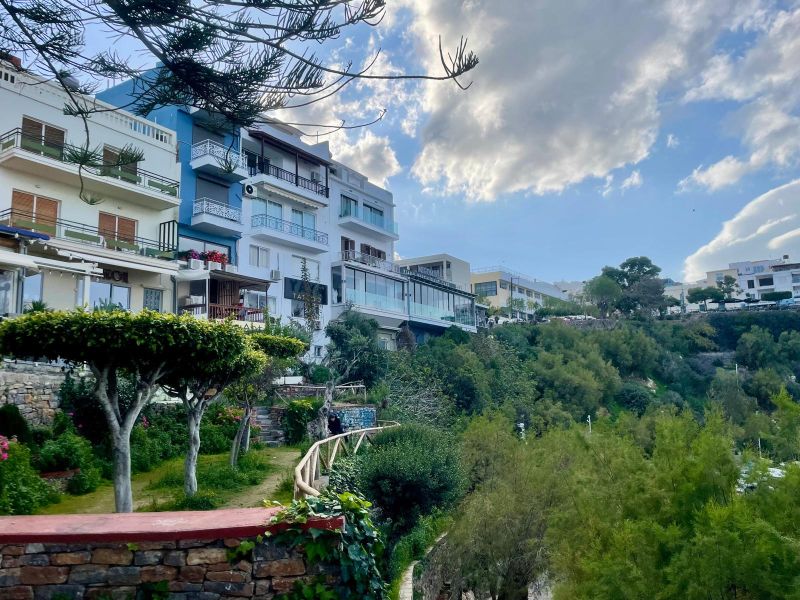
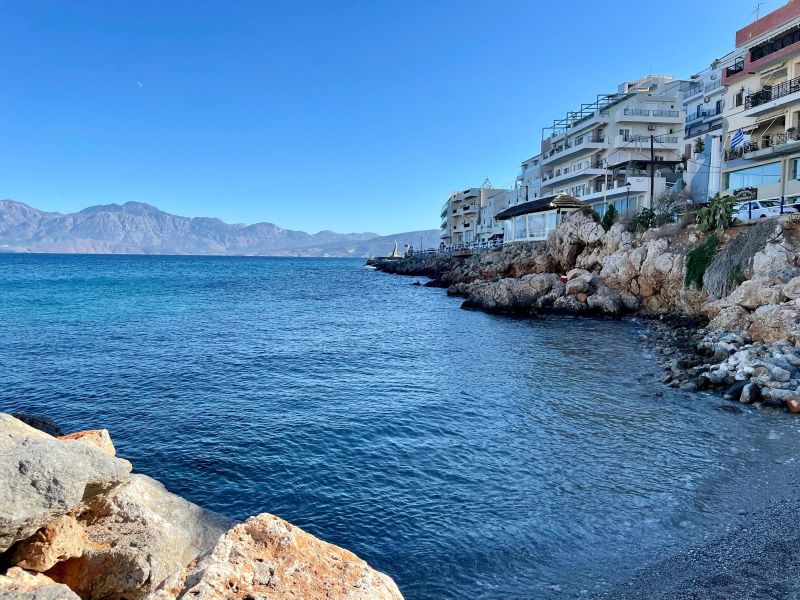
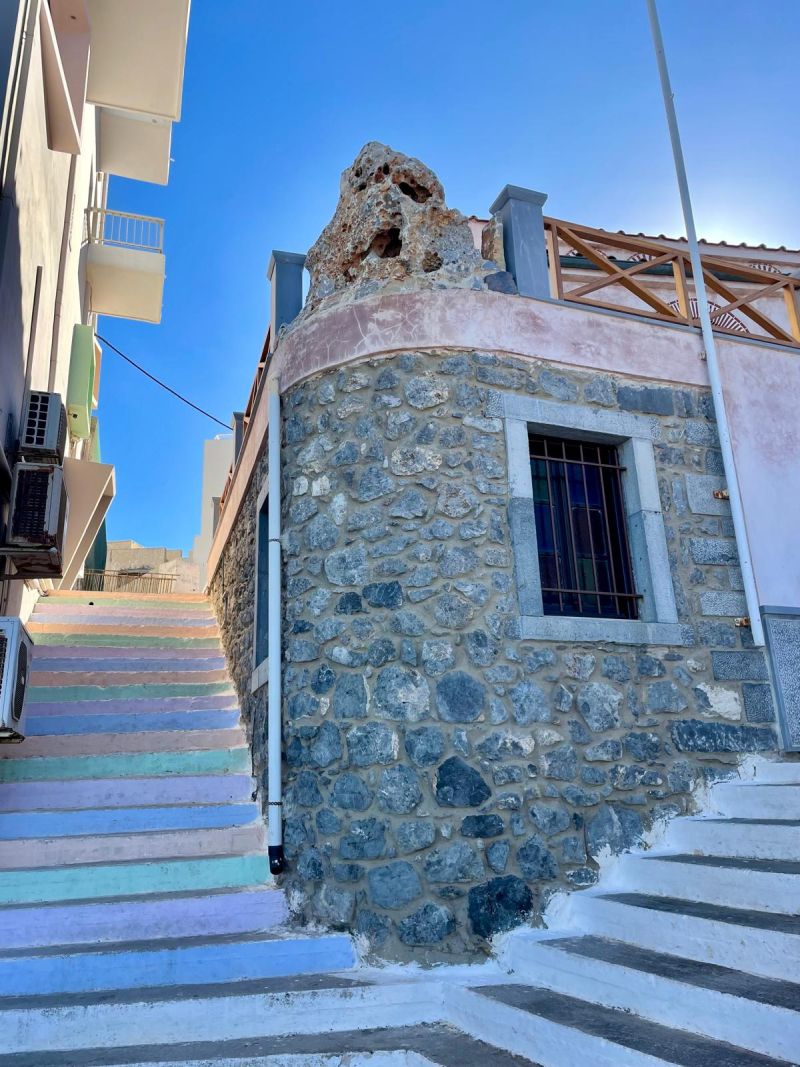
The charm of Agios Nikolaos also lies in its narrow streets and numerous stairways, essential for exploring this hillside town, as well as its small beaches (Ammos, Kitroplatia, Ammoudi). Due to its popularity among tourists, Agios Nikolaos is often referred to as the “Cretan Saint Tropez”.