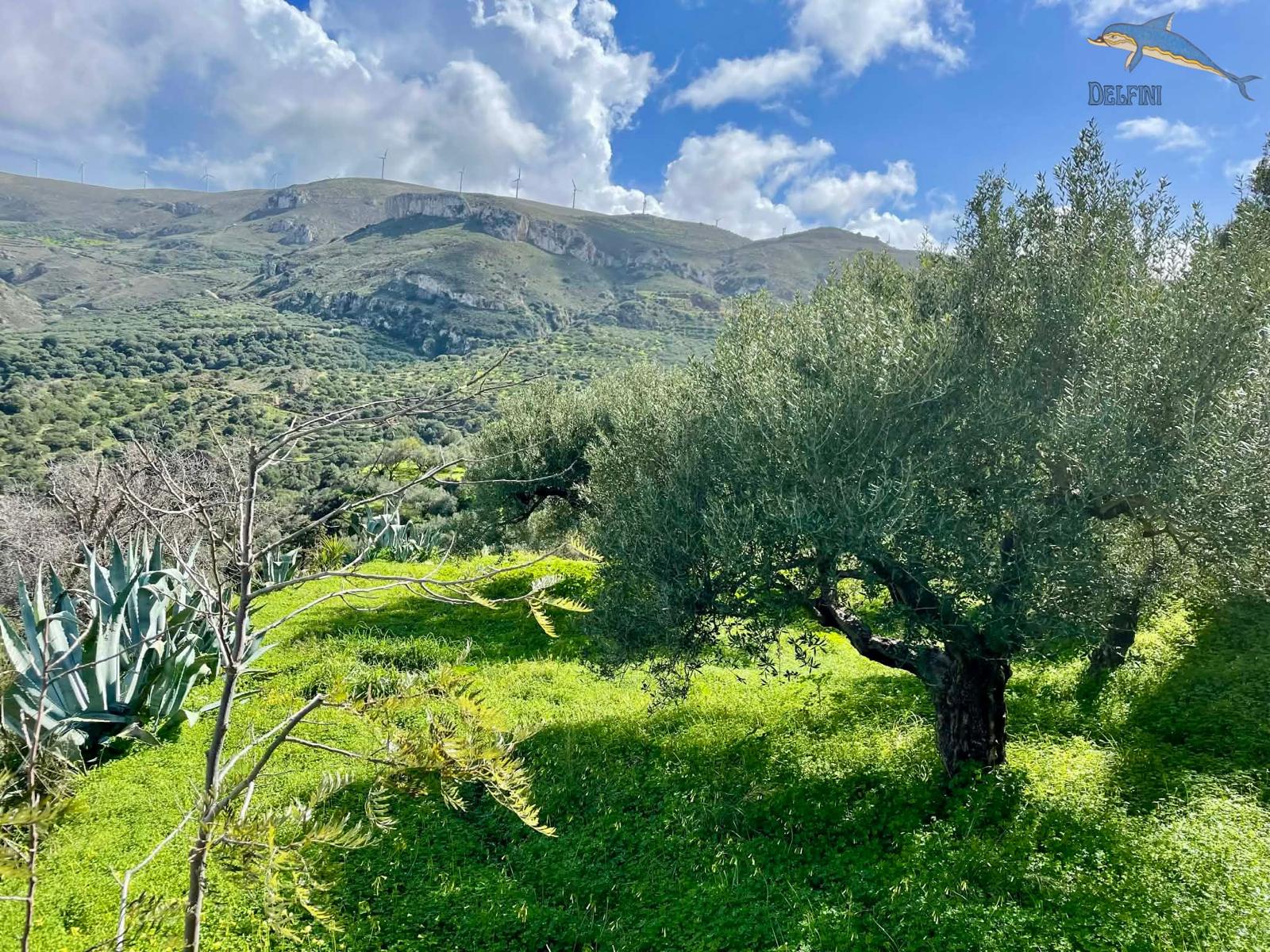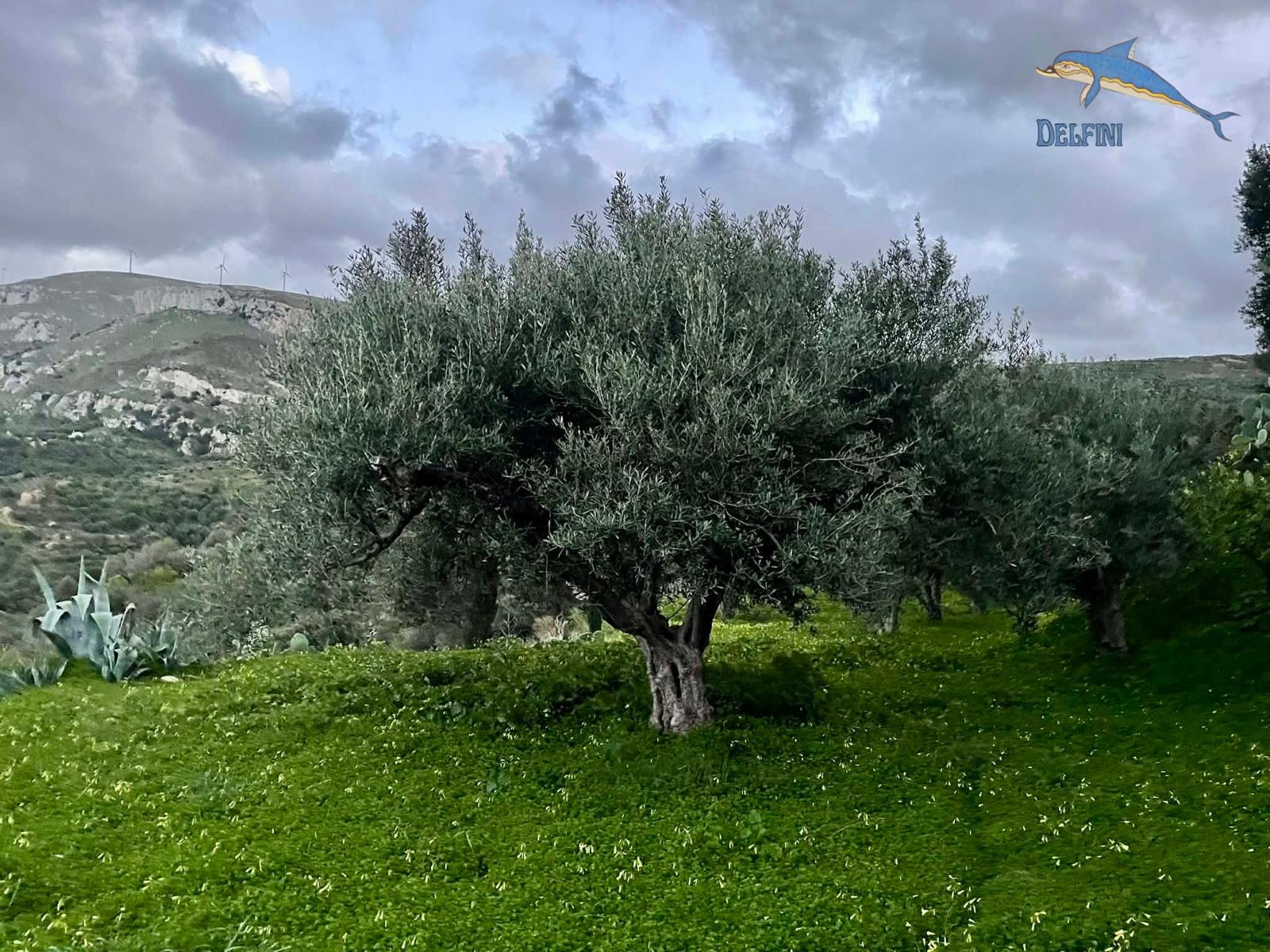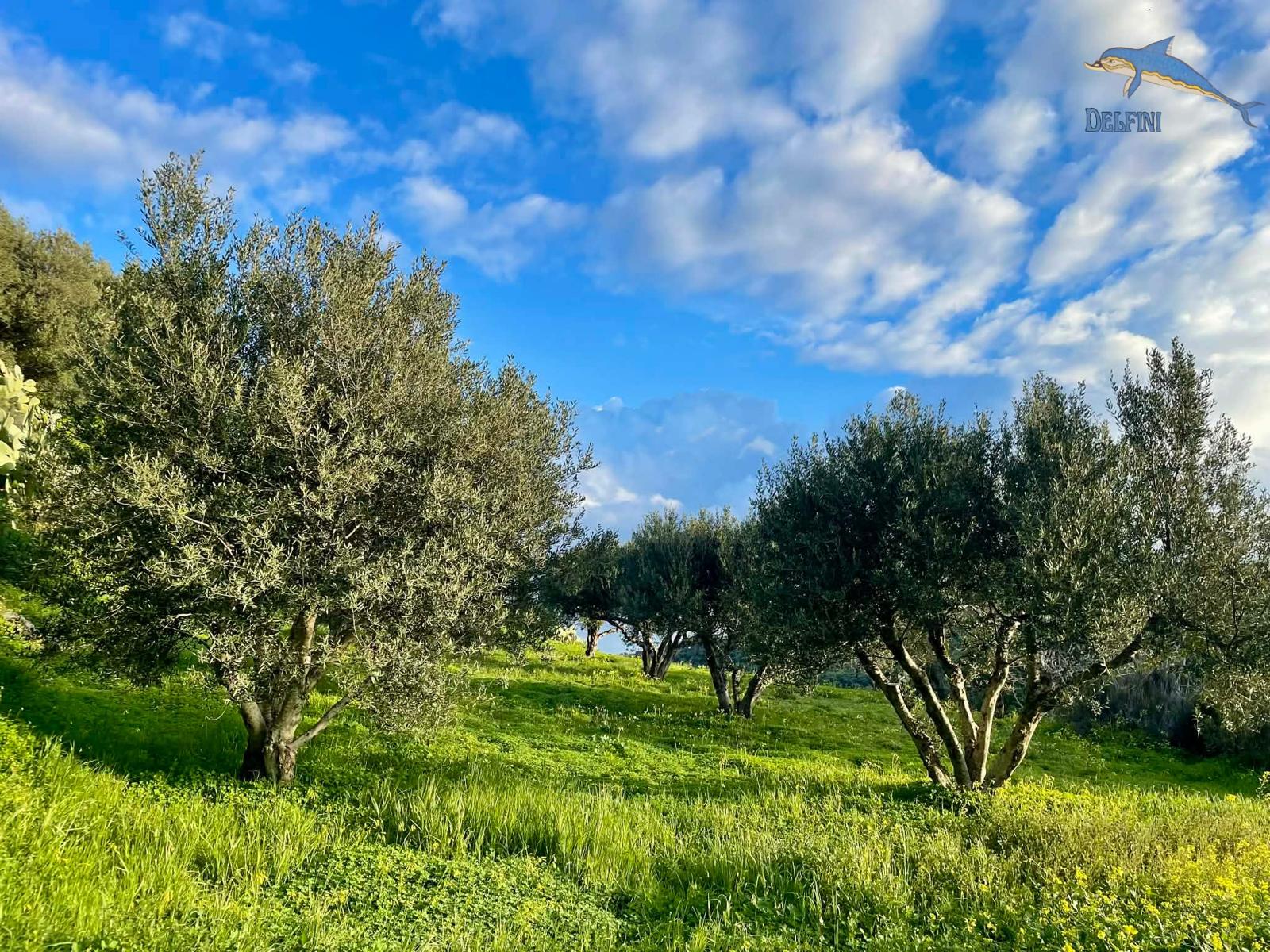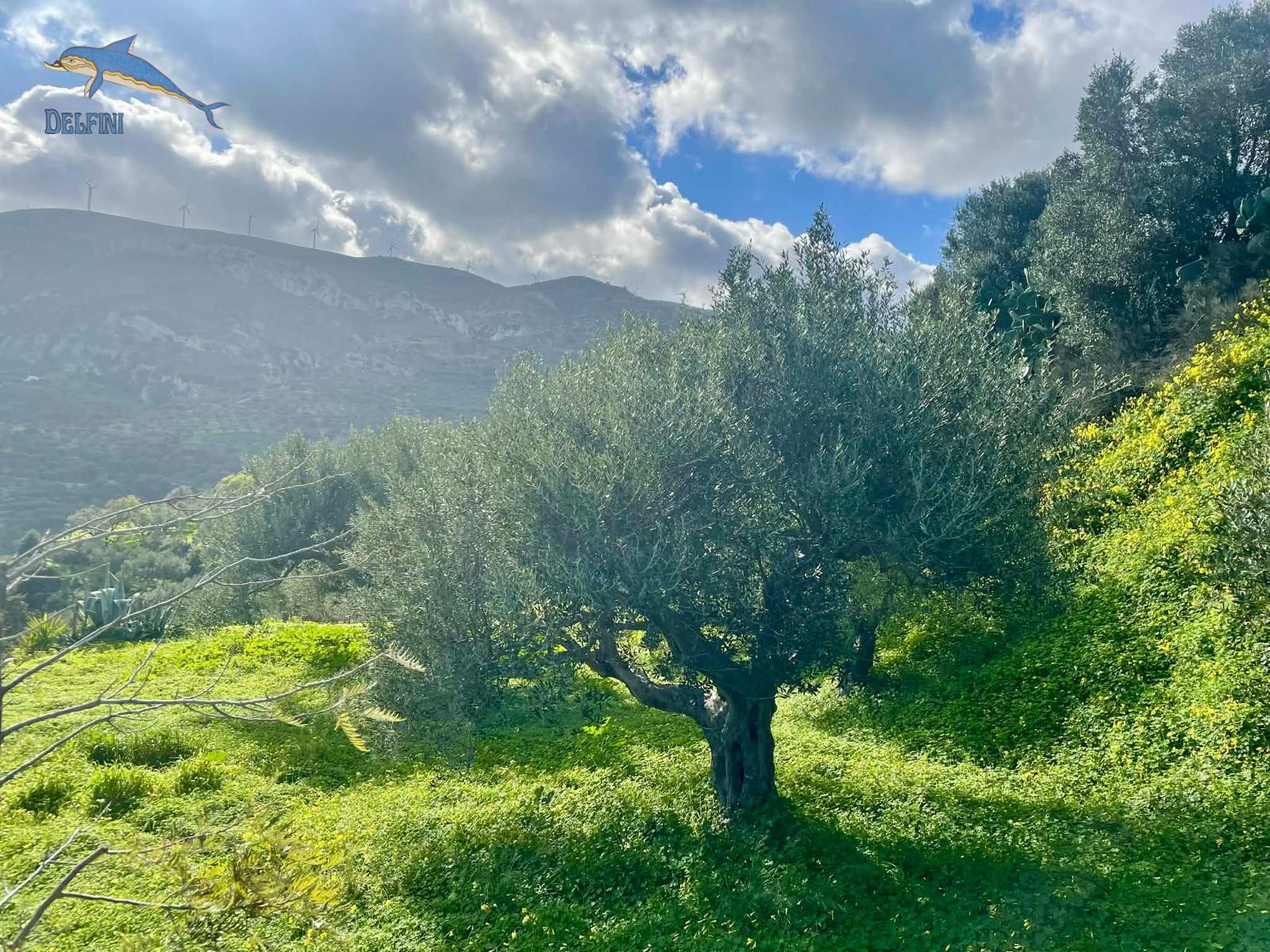
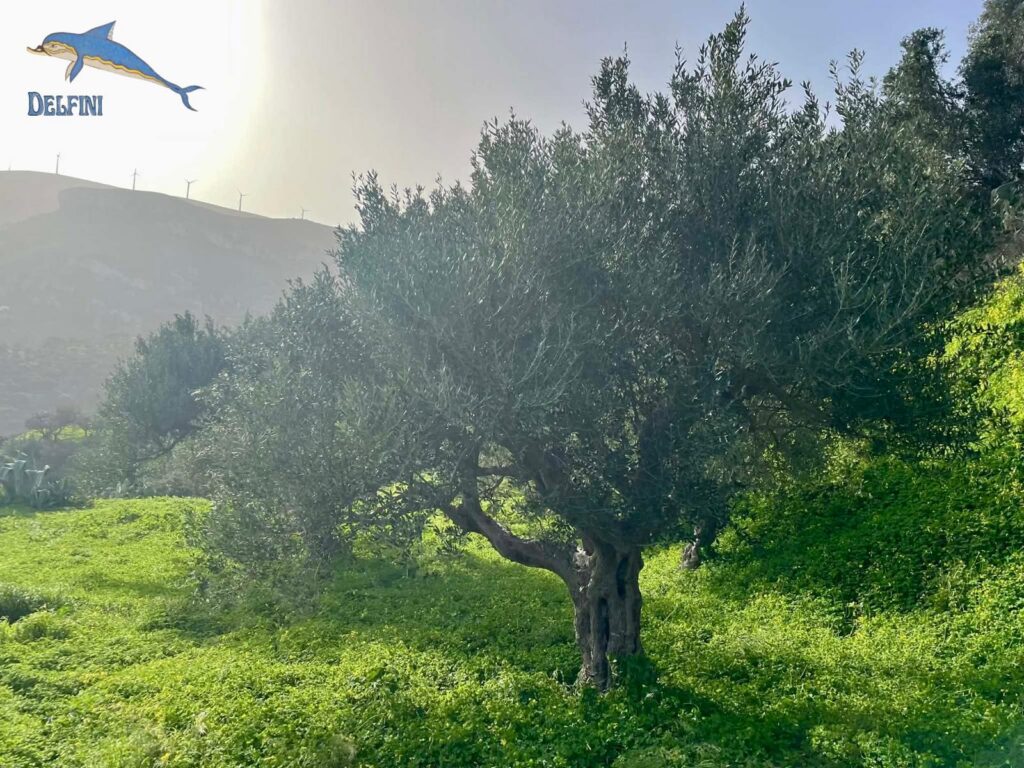
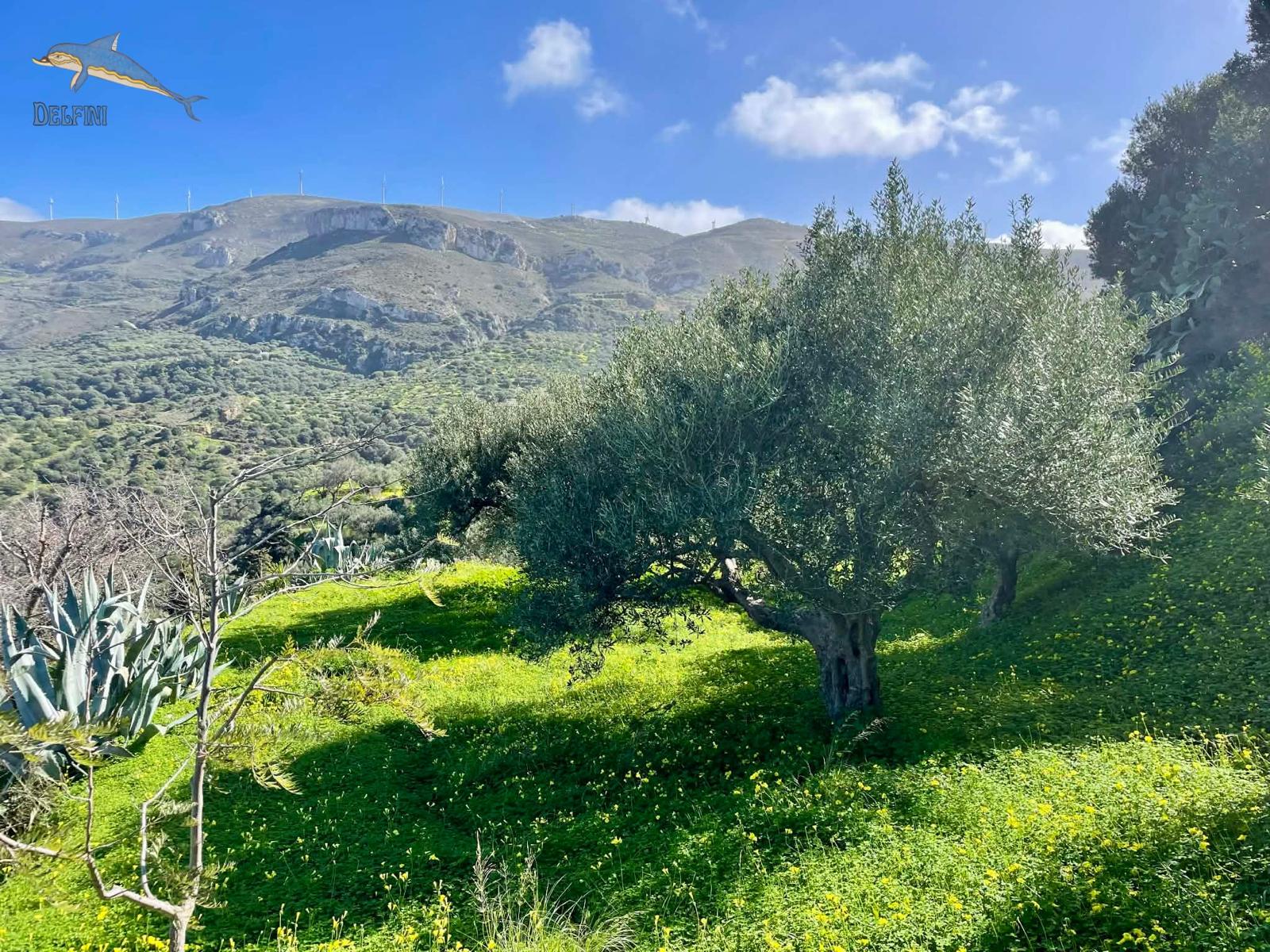
Olives are one of the staples of the Greek cuisine, and even more broadly, Mediterranean cuisine. These small, unassuming fruits have also found their place in many other cuisines around the world. The fruit of the olive tree typically complements many dishes, but can also be the main ingredient. European stores offer green and black olives, sometimes filled with almonds or peppers, as well as olive oil. These can be purchased in almost every store. The fruit typically comes from the olive groves of the Mediterranean basin. The most delicious and diverse varieties come from Greece. Olive cultivation in Greece is not only the foundation of the local agriculture but also part of its rich culture. Greece is one of the world's largest producers of olives and olive oil, and its olive groves are often centuries old. Residents of different regions compete for the title of producer of the best olives and olive oil in the world. The most famous and recognized are olives from Crete, Kalamata, and Chalkidiki. Crete is the largest center of olive oil production in Greece. There are over 35 million olive trees on the island. The most popular variety is the Koroneiki, a small fruit used to produce the highest quality olive oil. The Kalamata region in the Peloponnese is famous for producing the most famous black olive variety (Kalamon). The Chakidiki region is known for growing large, green olives. There are over 170 million olive trees throughout Greece, of which approximately 81% are grown for olive oil and 19% for olives.
Olive trees have a long tradition, having been known for at least 5,000 years. A tree can live and bear fruit for up to 1,000 years! The world's oldest olive tree can be found on Crete, Greece. Olives can be found throughout the Mediterranean region. Outside of Greece, they grow in Spain, Italy, and France. They can also be found in Morocco, Africa, the USA, and Asia. Olive trees are not demanding. They prefer sunny locations and moderate watering. They rarely suffer from disease and are not particularly attacked by pests. An olive tree typically reaches a height of around 6 meters, with some specimens reaching 12 or even 15 meters. Olive trees grow slowly and begin bearing fruit only after 7-10 years. They reach some maturity at 20 years of age, and after 30, they can be considered fully mature. The best yields are achieved between the ages of 30 and 150. Only then can one harvest 15 to 70 kg of fruit per tree per year. Their lifespan can be up to several thousand years...
The fruit harvest lasts from late September/October to January, and sometimes even March, depending on the variety and region. Traditional methods are still popular in Greece (nets are placed under the trees and the fruit is shaken out using sticks or special combs). The harvested fruit is placed in crates and then sent to olive presses (olive mills) within 24 hours to preserve its quality.
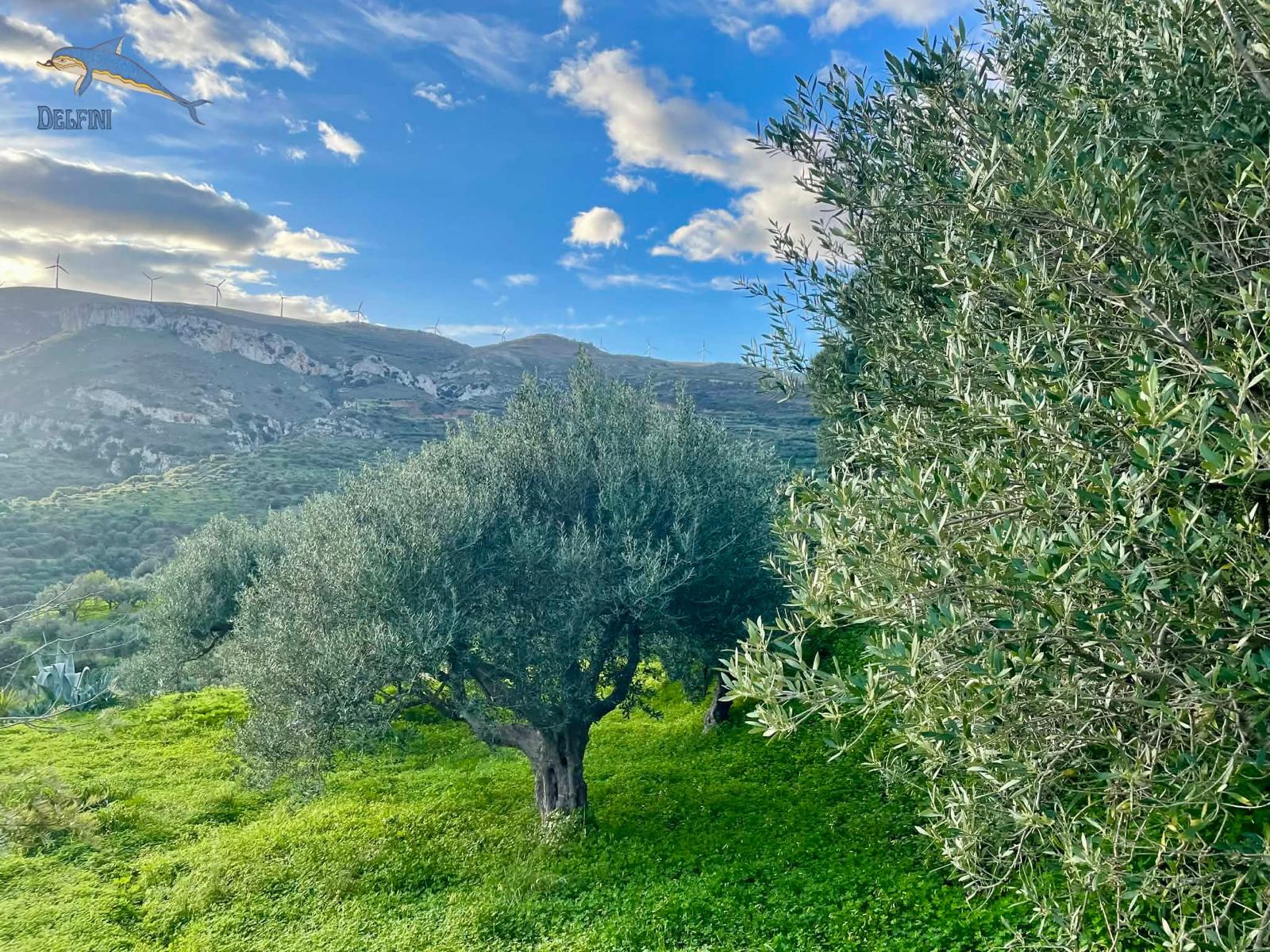
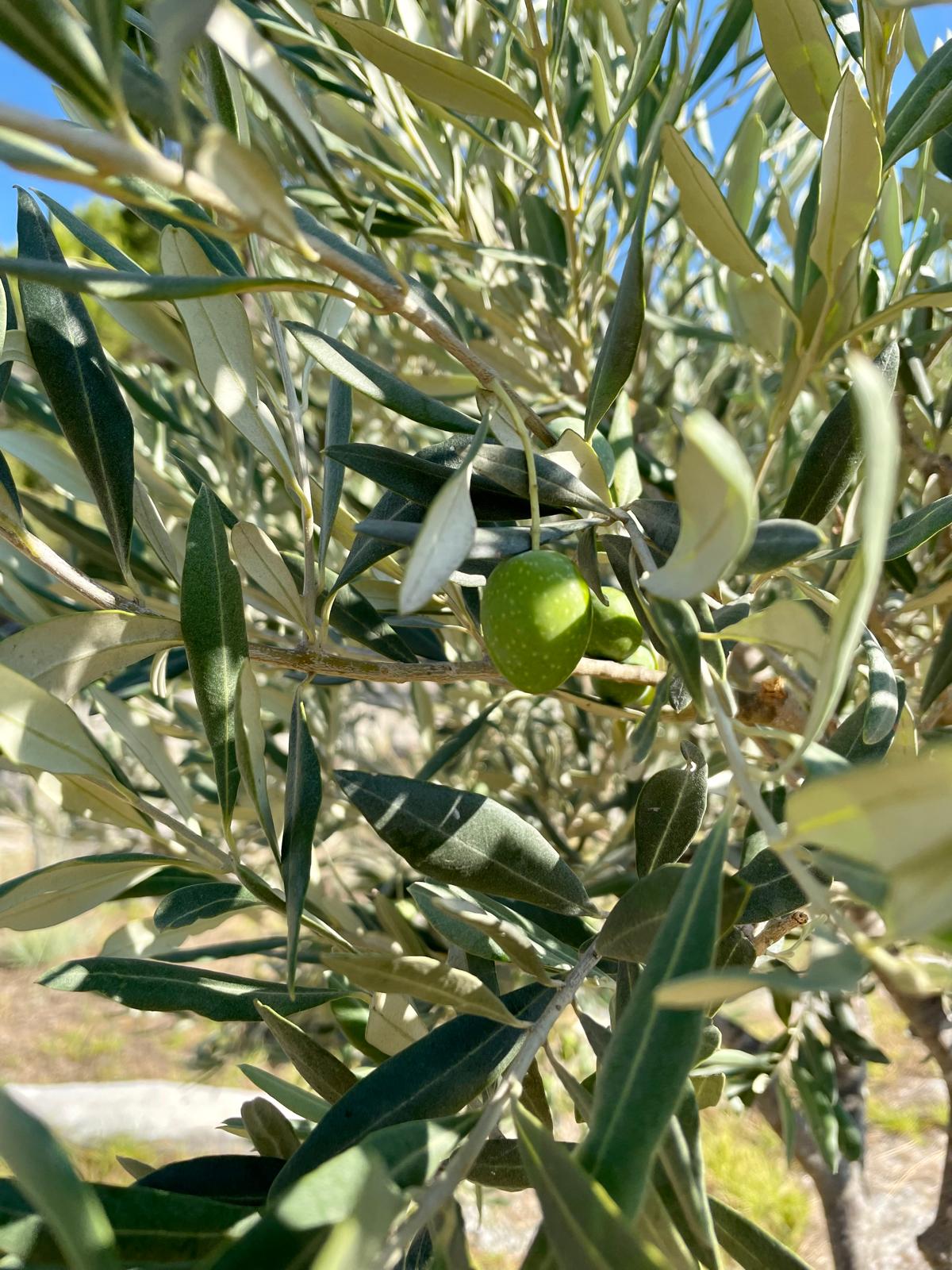
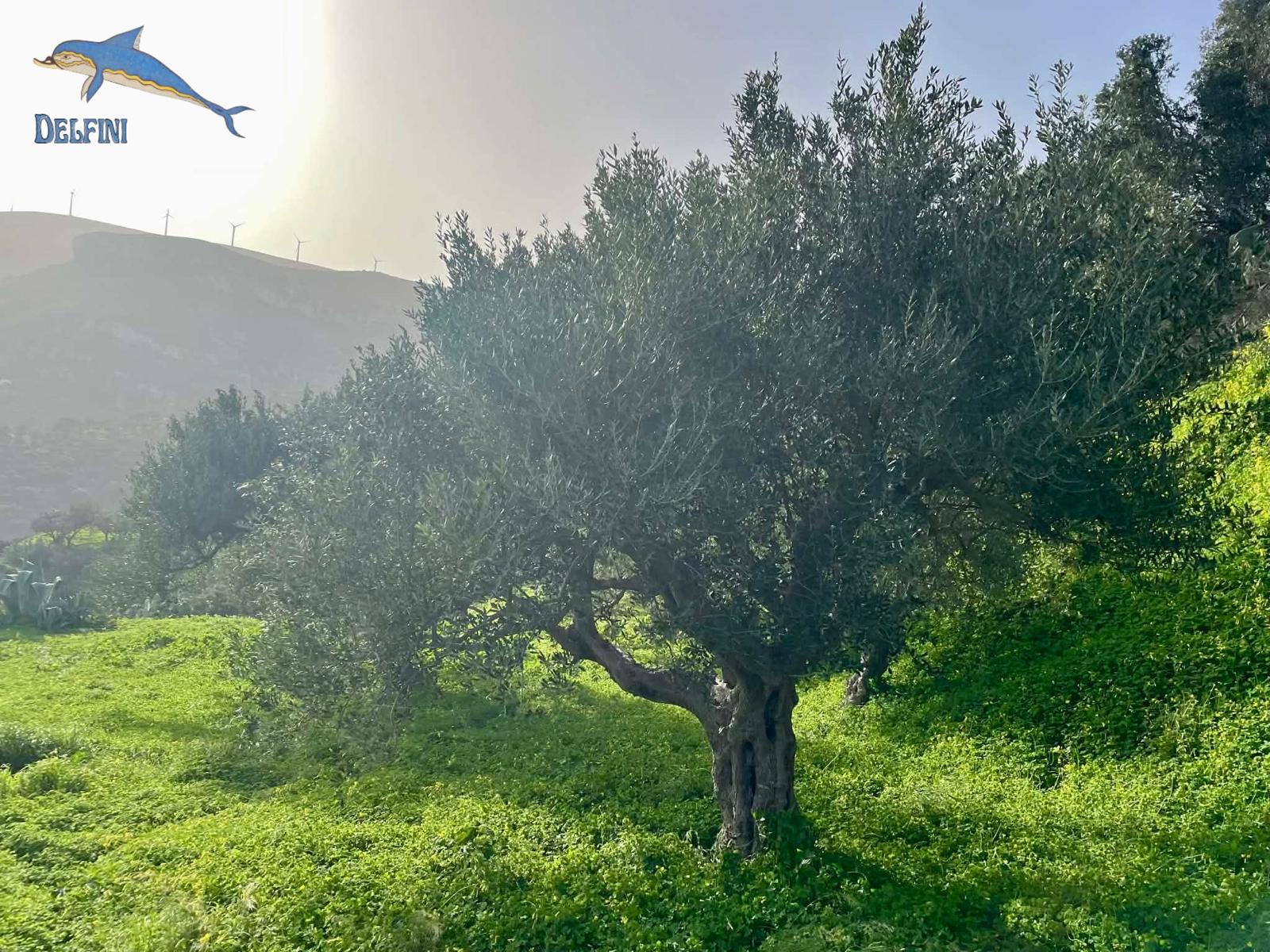
Olive trees have fragrant, dry bark, dense branches, and narrow green leaves, and they thrive in regular pruning. Olives bloom in summer, and the ripe fruit can only be picked from the trees in autumn. There are several colors of olives. The most popular are green olives. These are the fruit in the initial stages of ripening and are harvested the earliest. As they ripen, the olives turn reddish-purple, while fully ripened fruit are black.
Olive trees love Greece, and Greece loves them back. Many olive groves in Greece are centuries, even over a thousand years old. Due to the mountainous terrain, harvesting is often difficult and requires manual labor. Due to climatic conditions, many traditional groves do not use artificial fertilizers, which contributes to the natural flavor of the oil. The Greek lifestyle and farming style, siga-siga, signifies patience and following the natural rhythms of nature. Greece is renowned for producing the highest quality extra virgin olive oil, often considered among the best in the world thanks to its unique climate, soil, and the ecological, natural working style of olive growers.
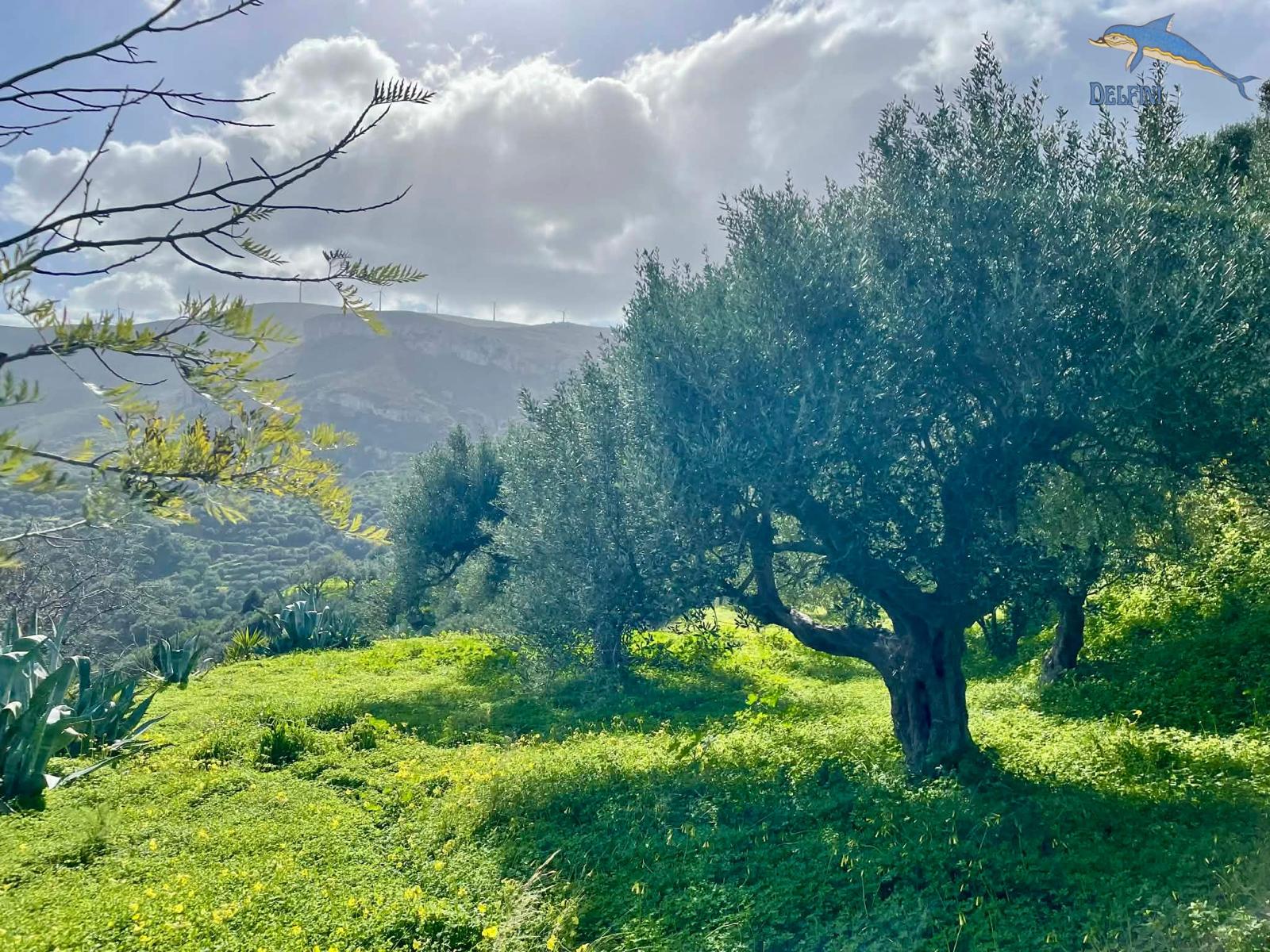
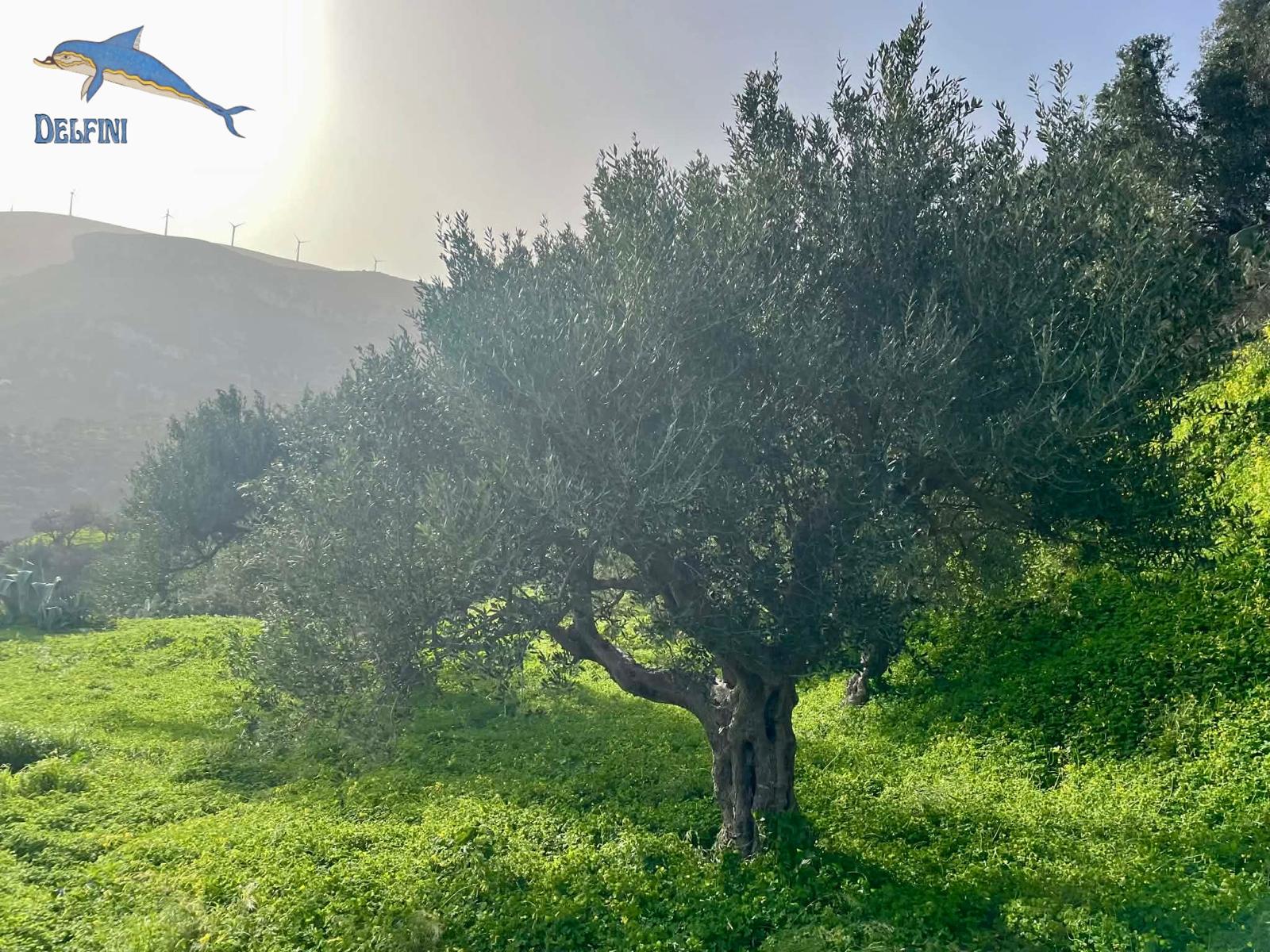
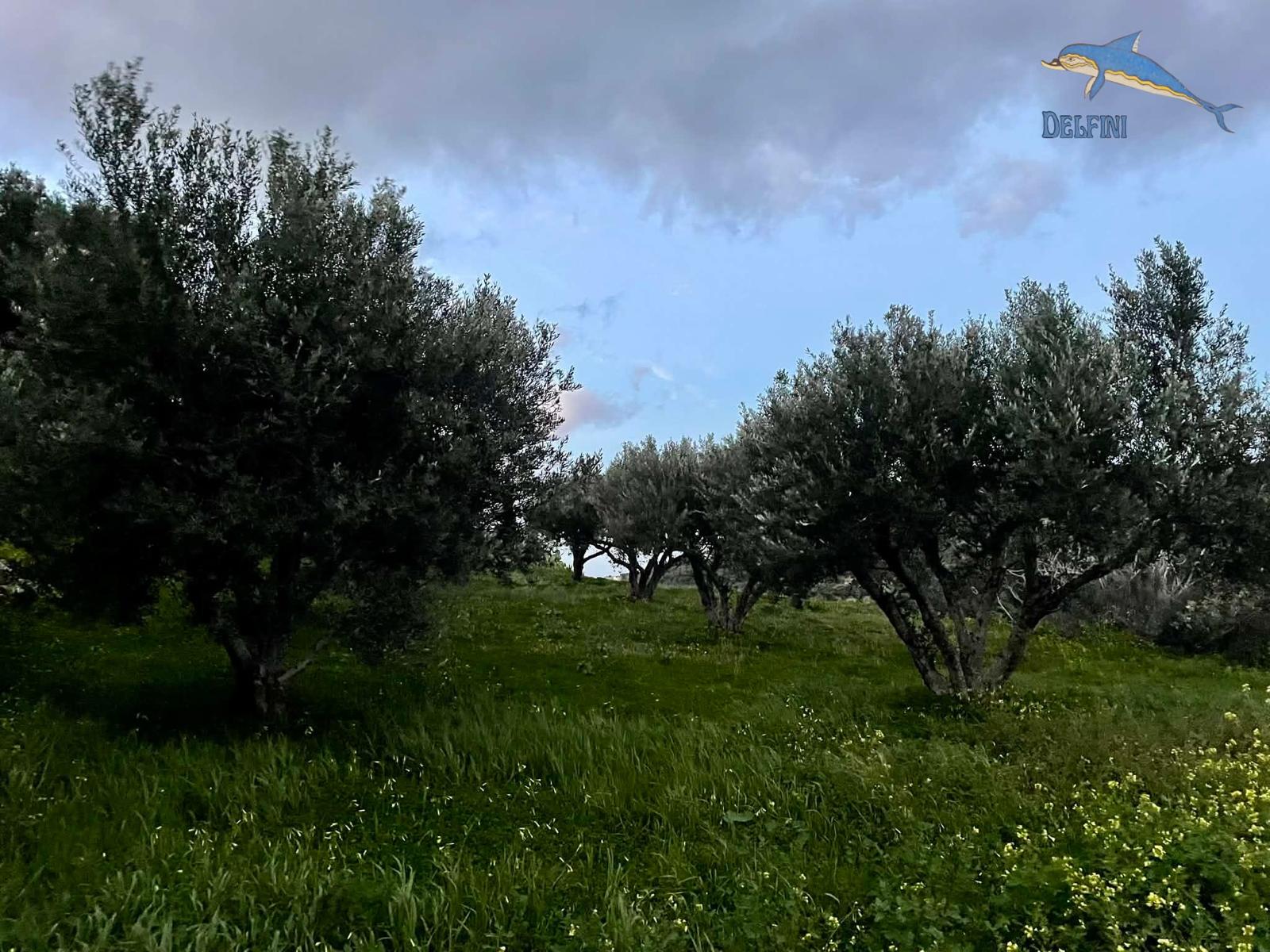
Welcome to the DELFINI garden in the heart of eastern Crete, to our olive grove!