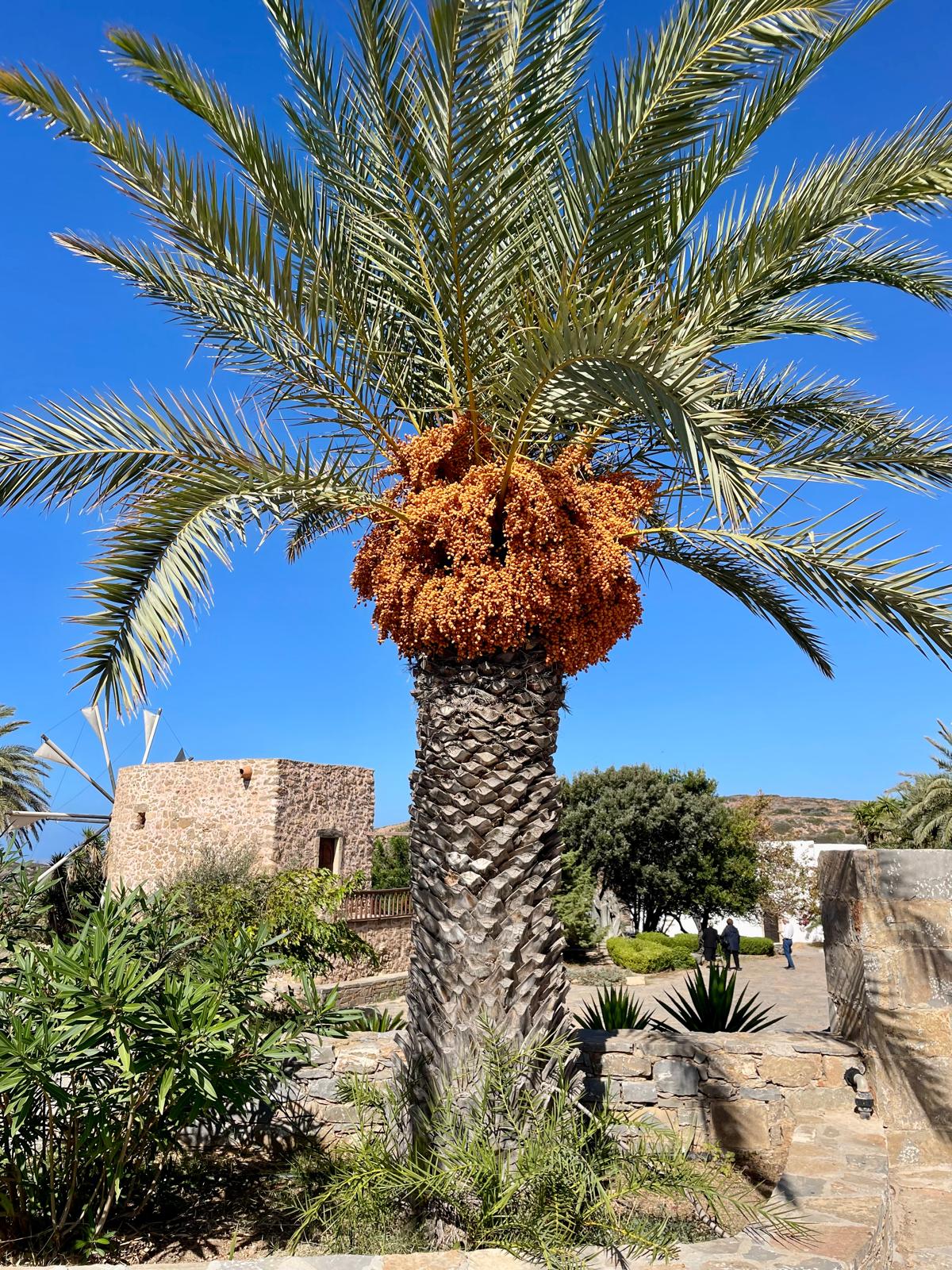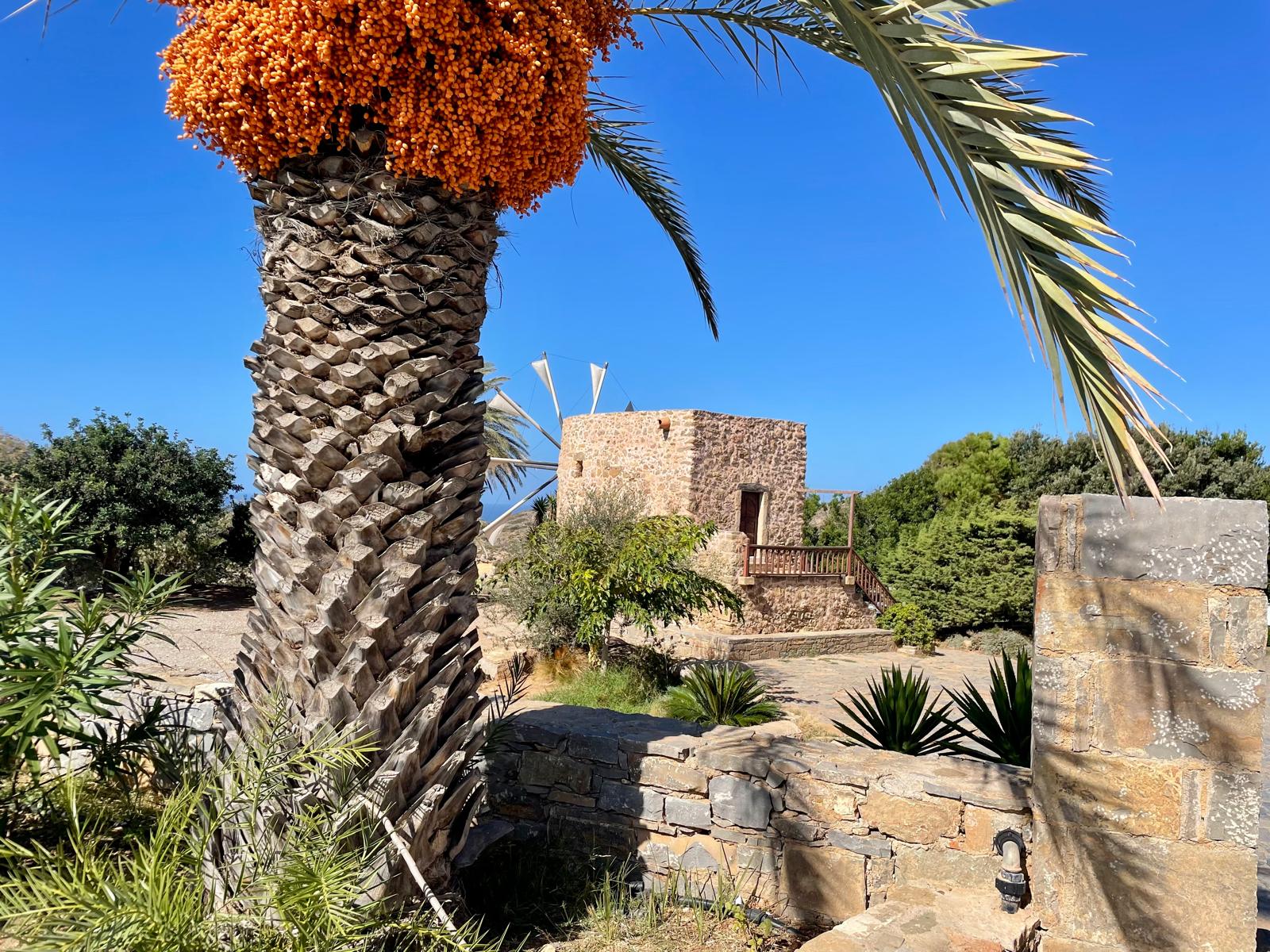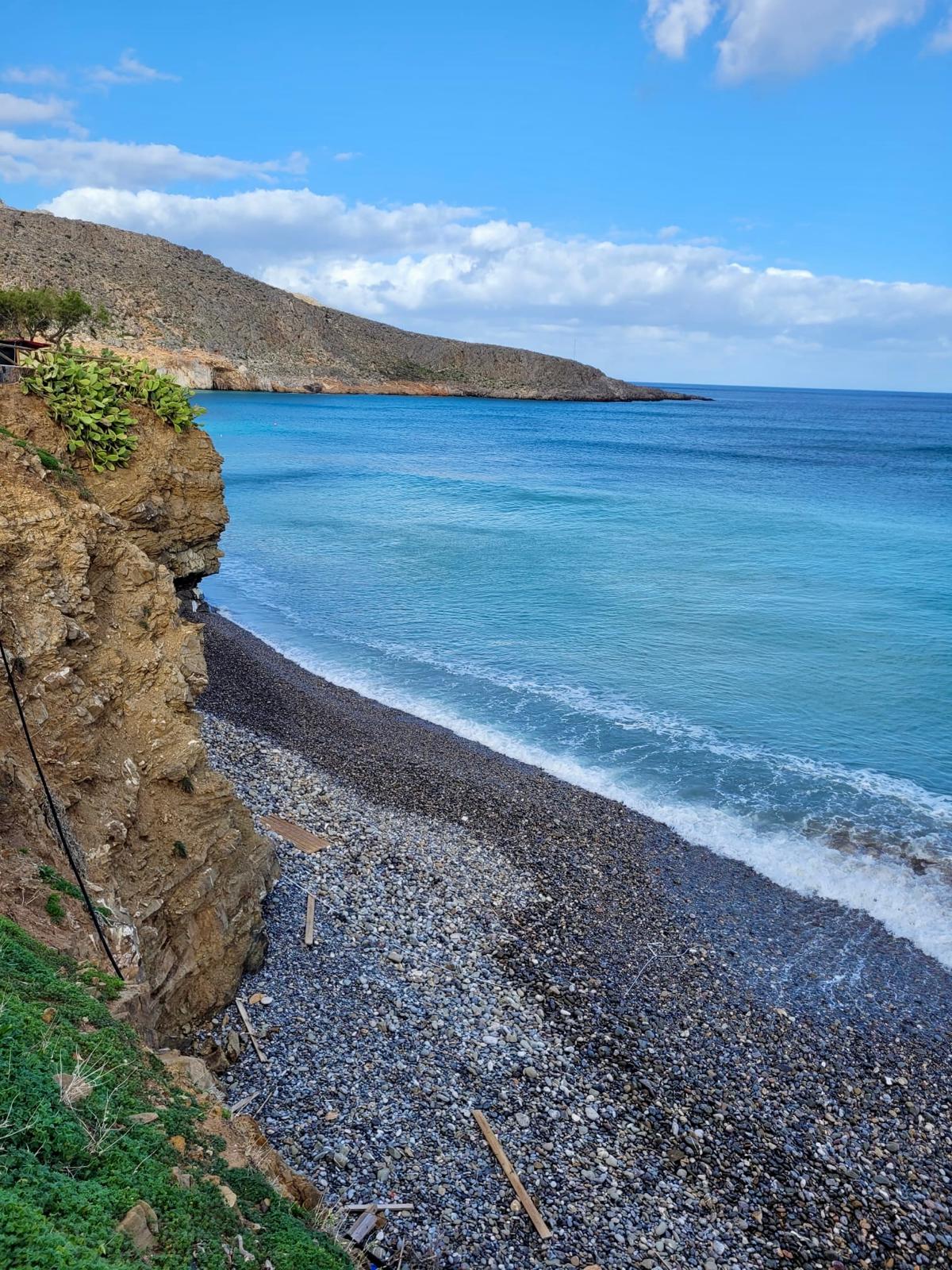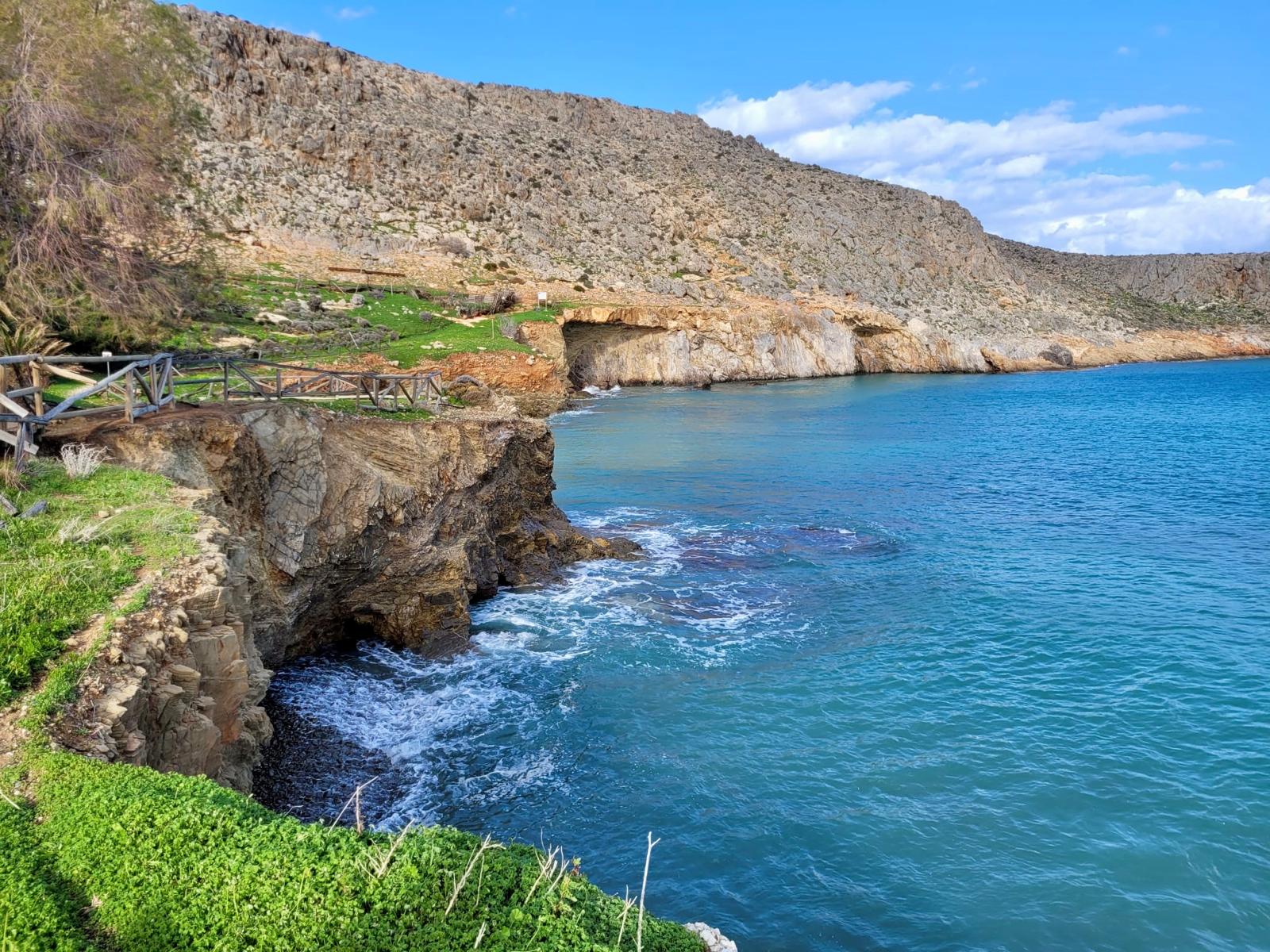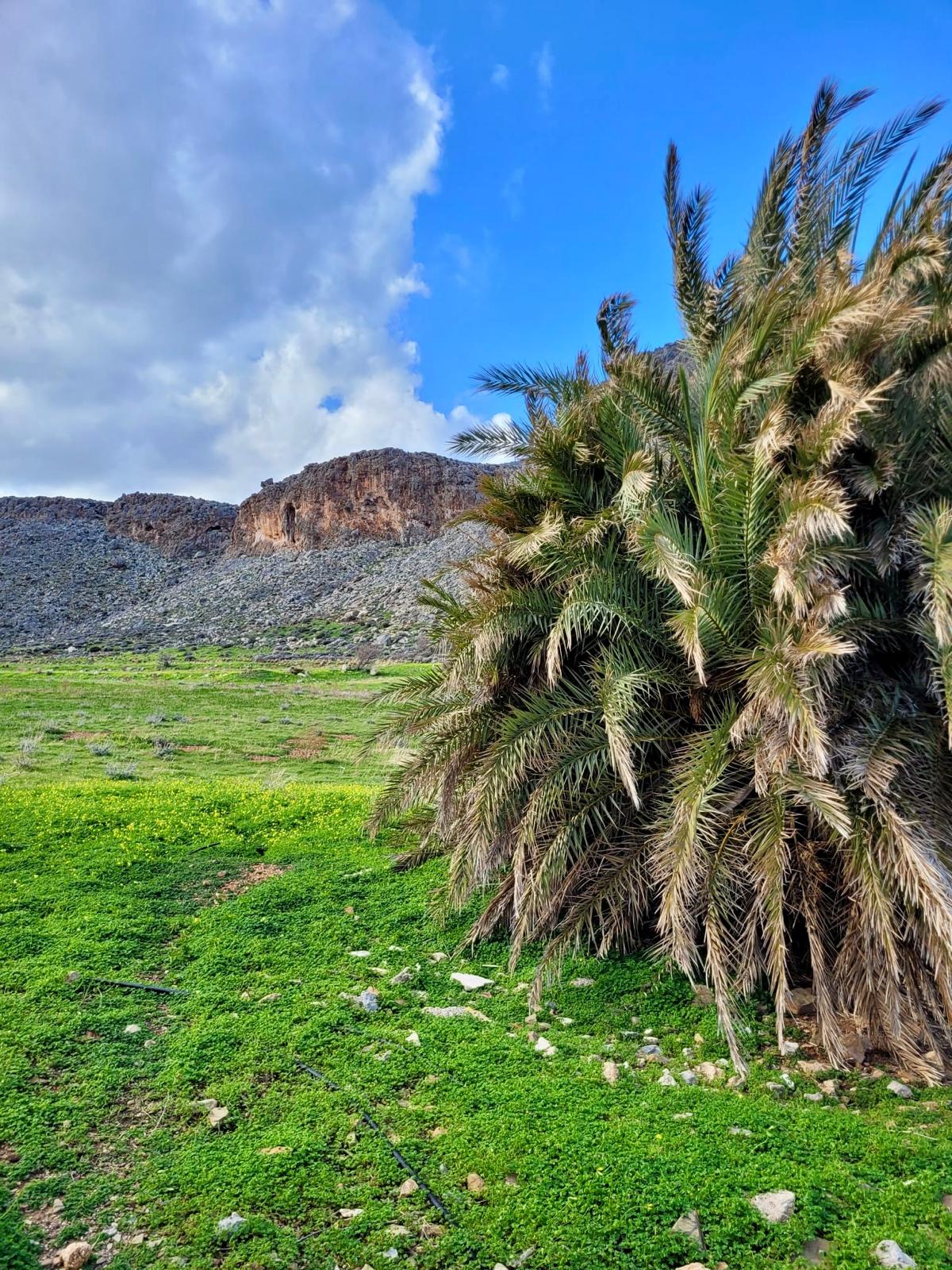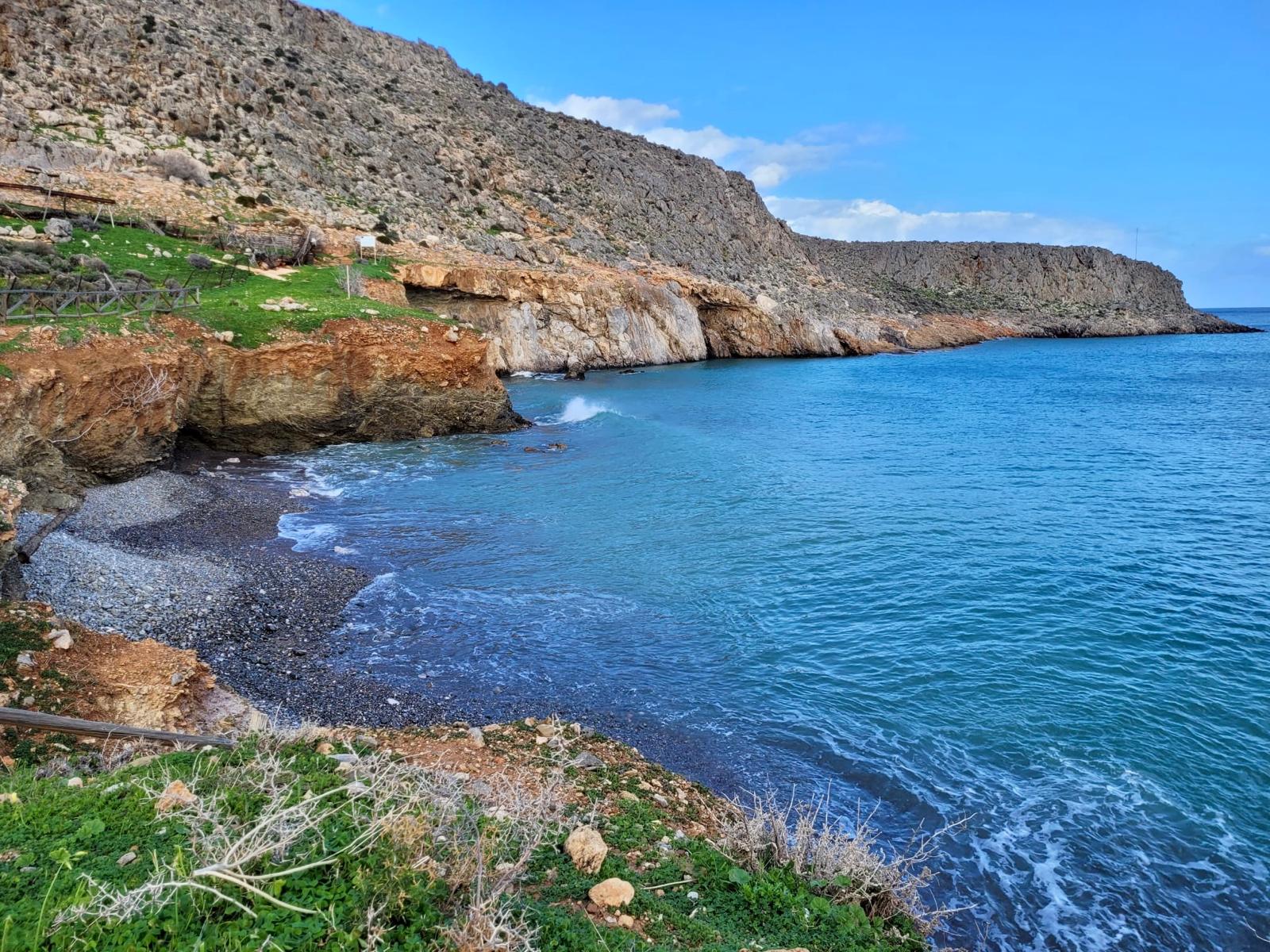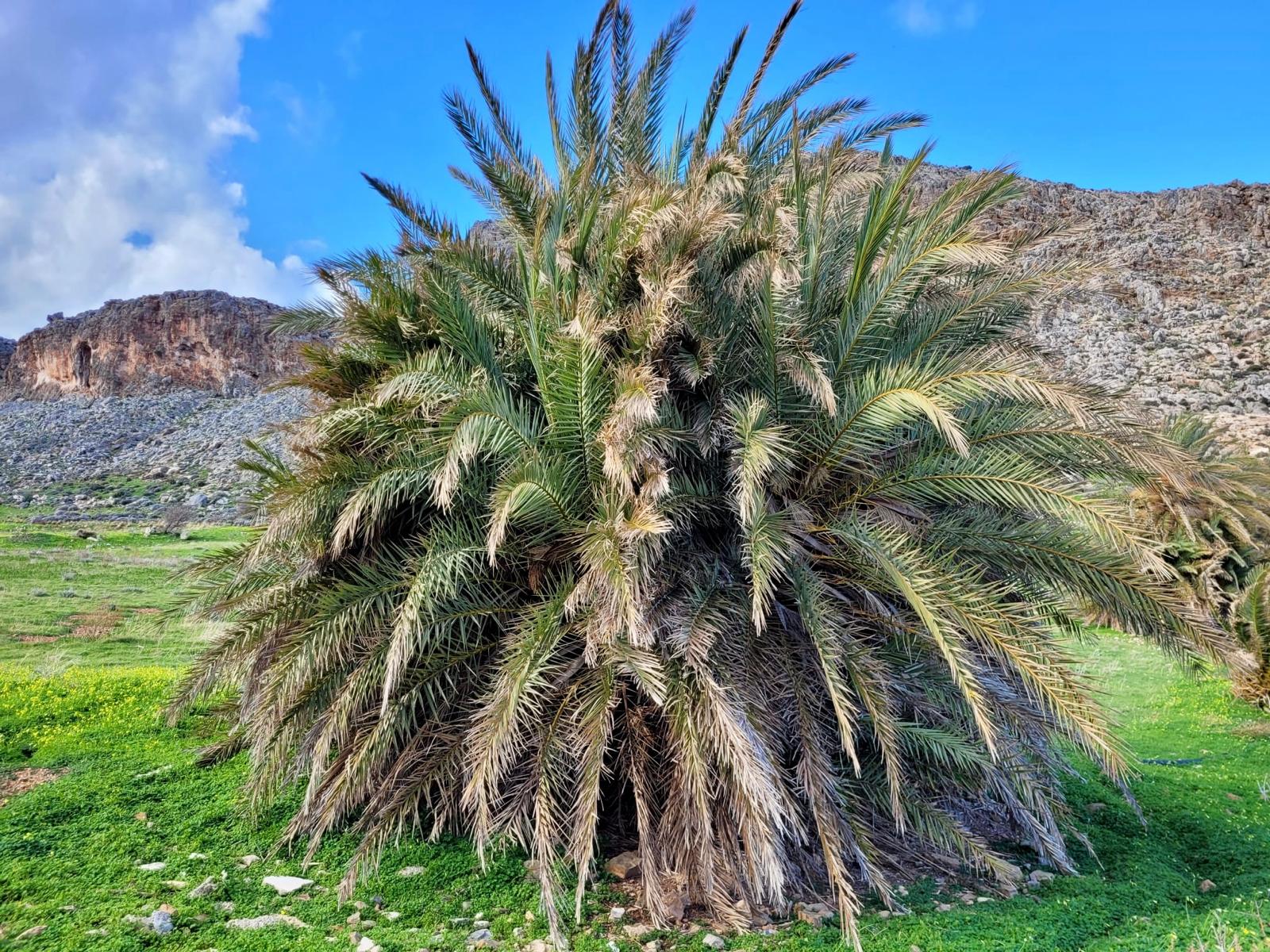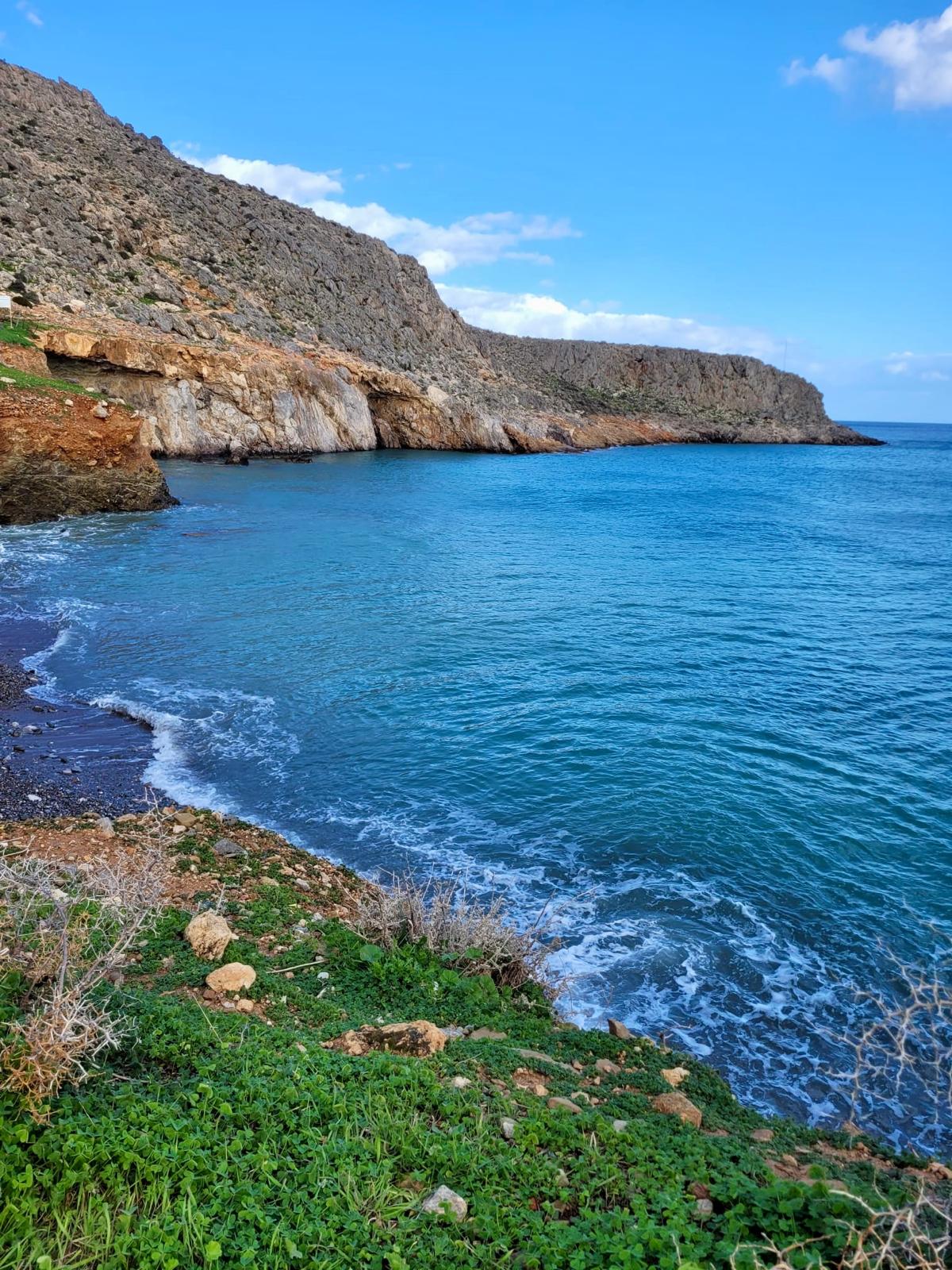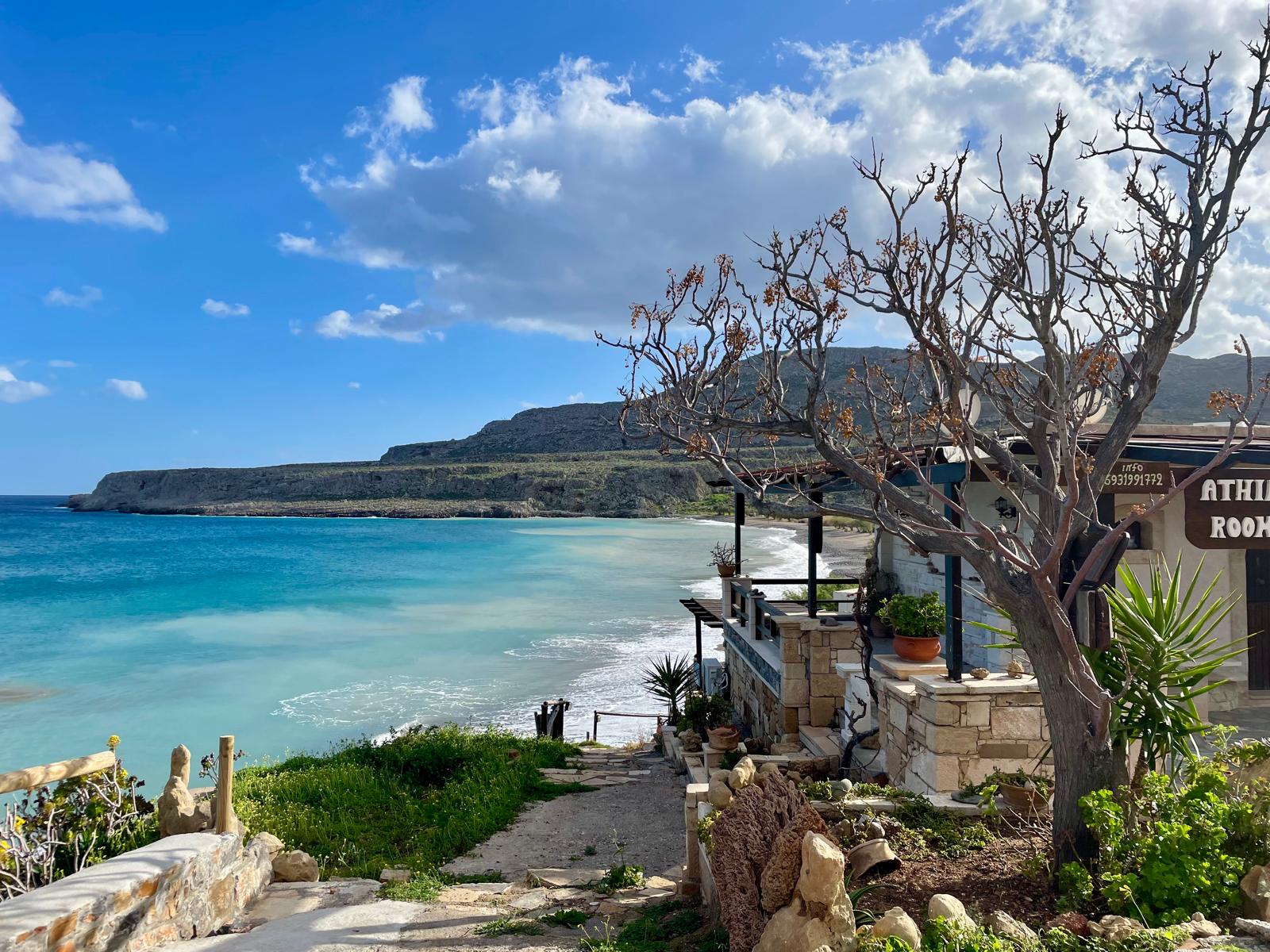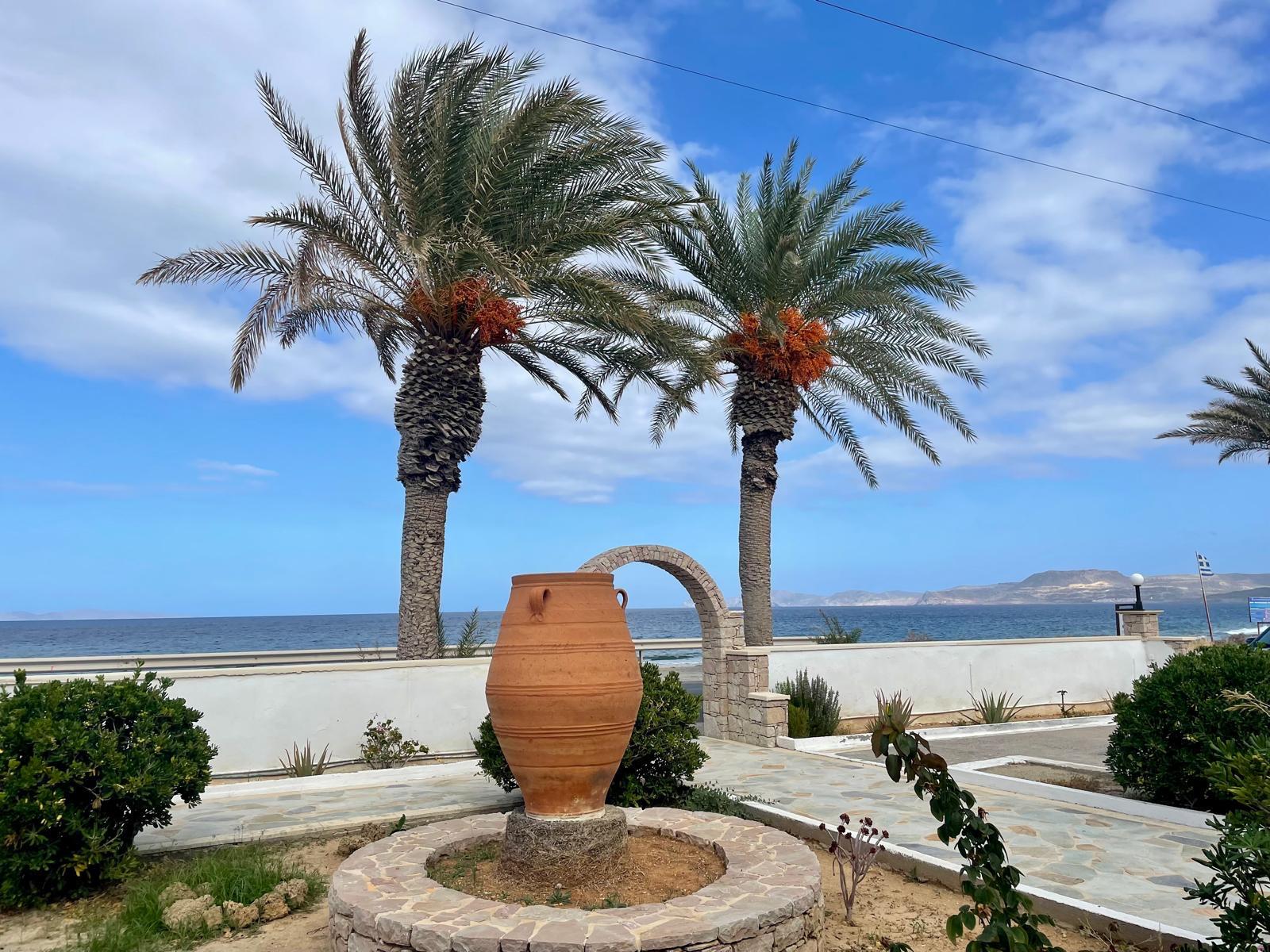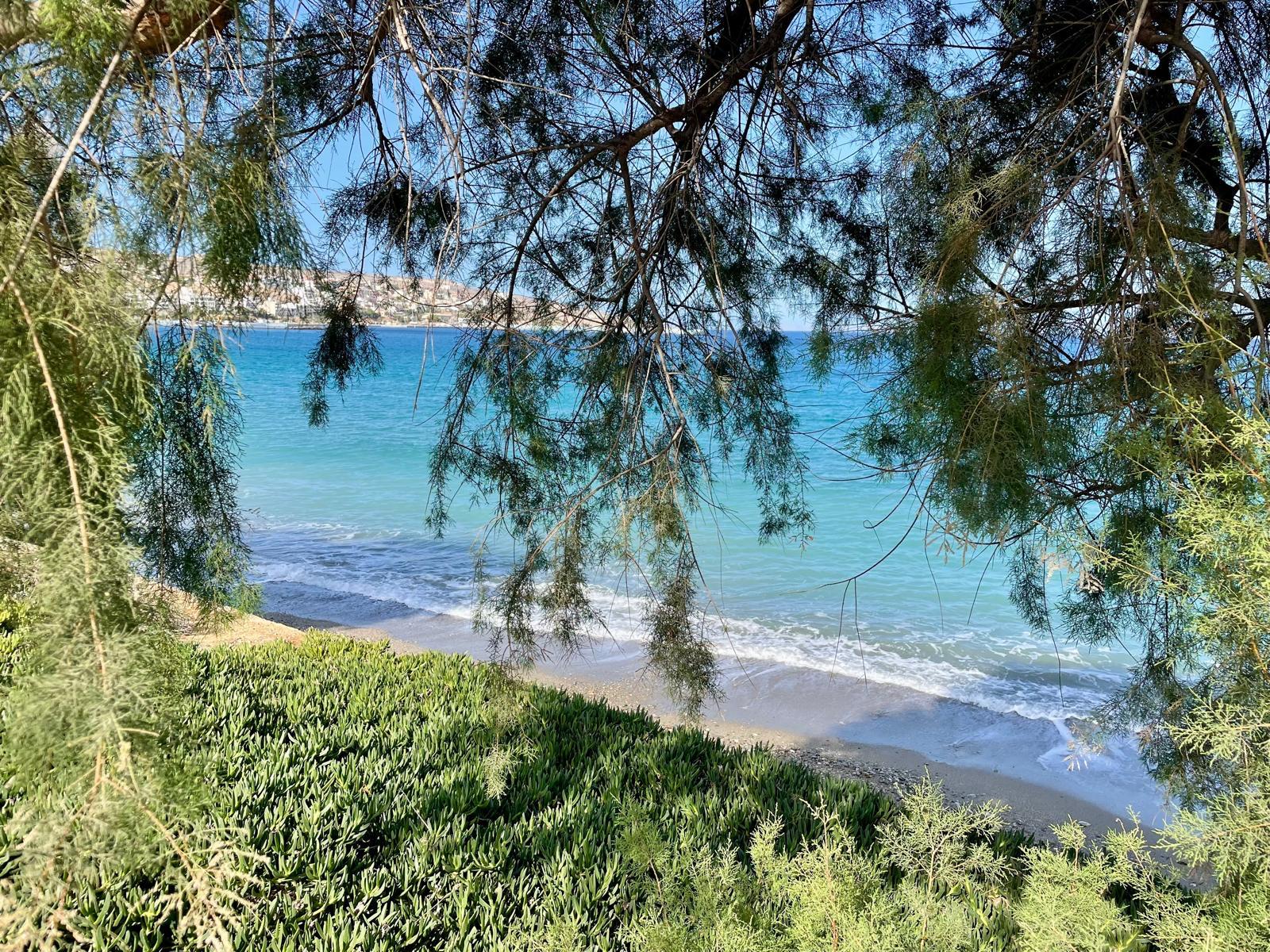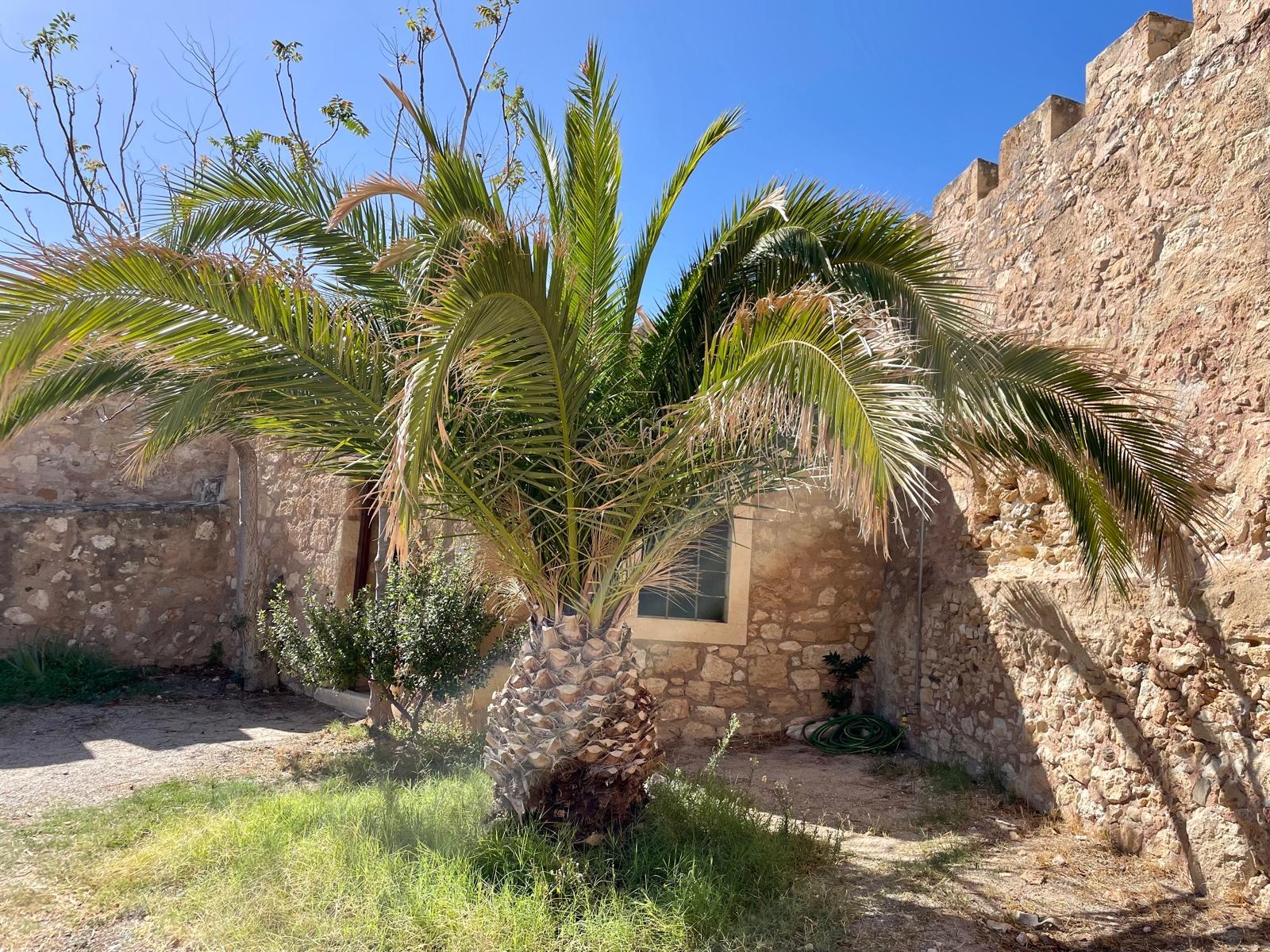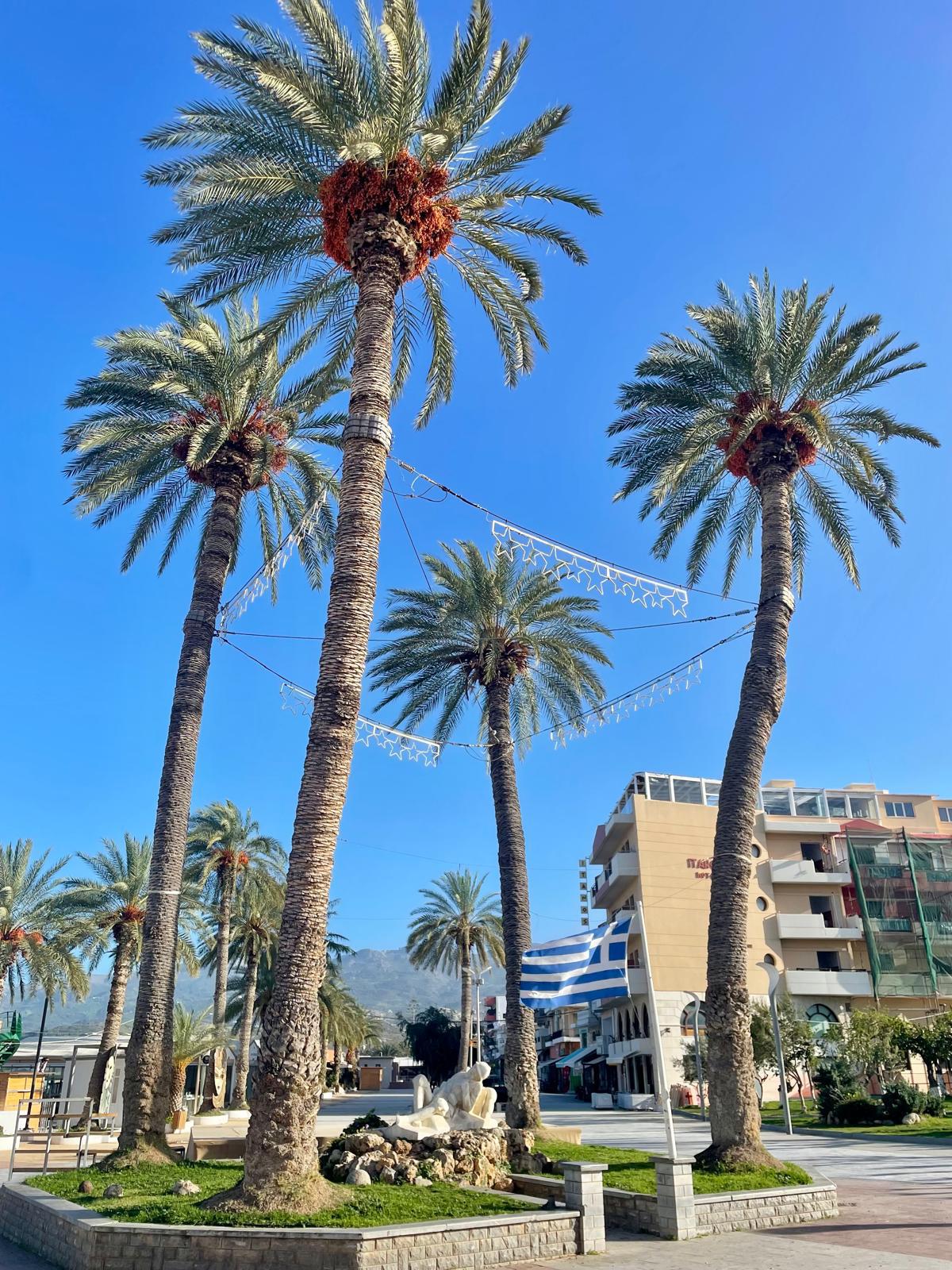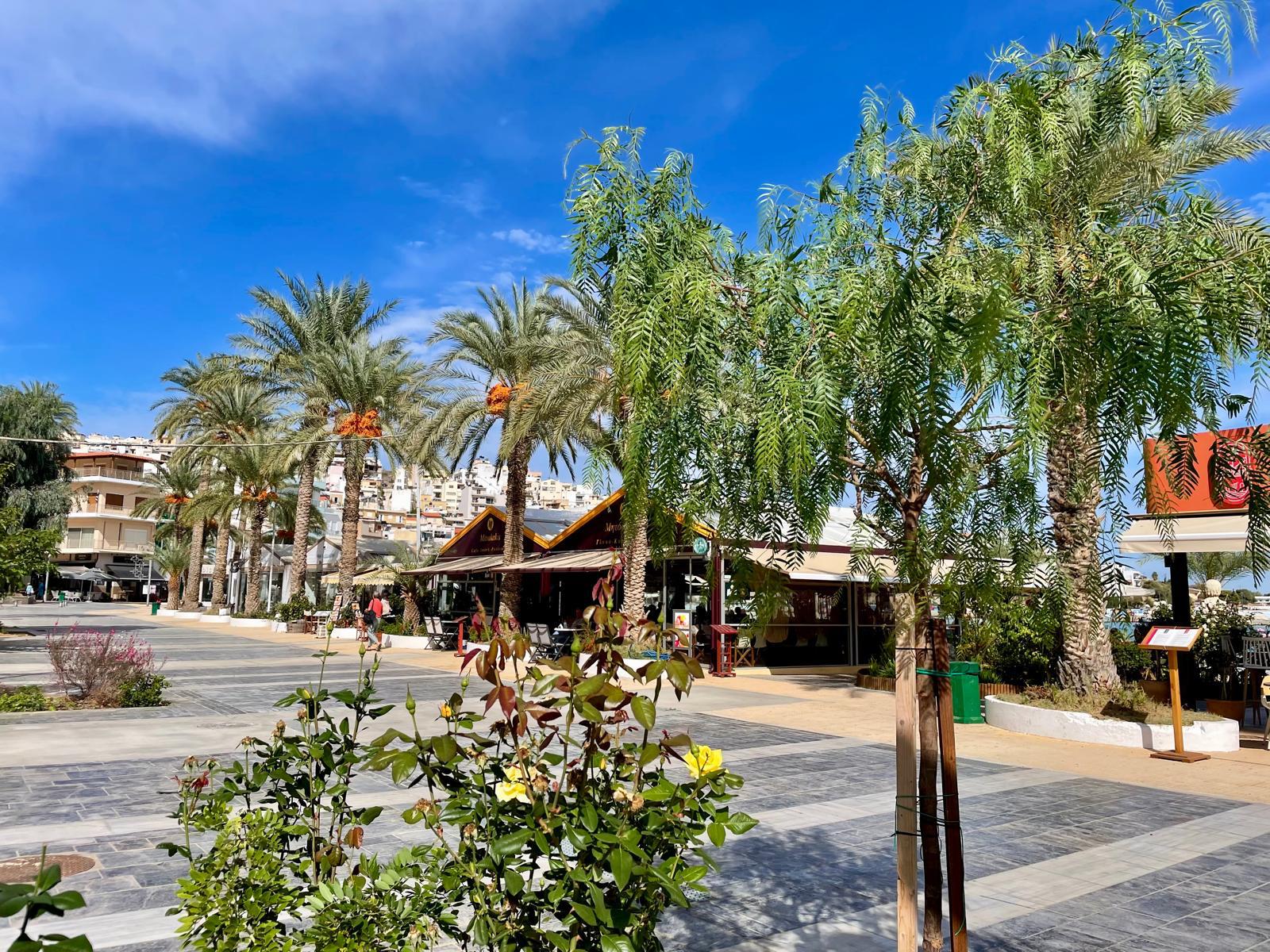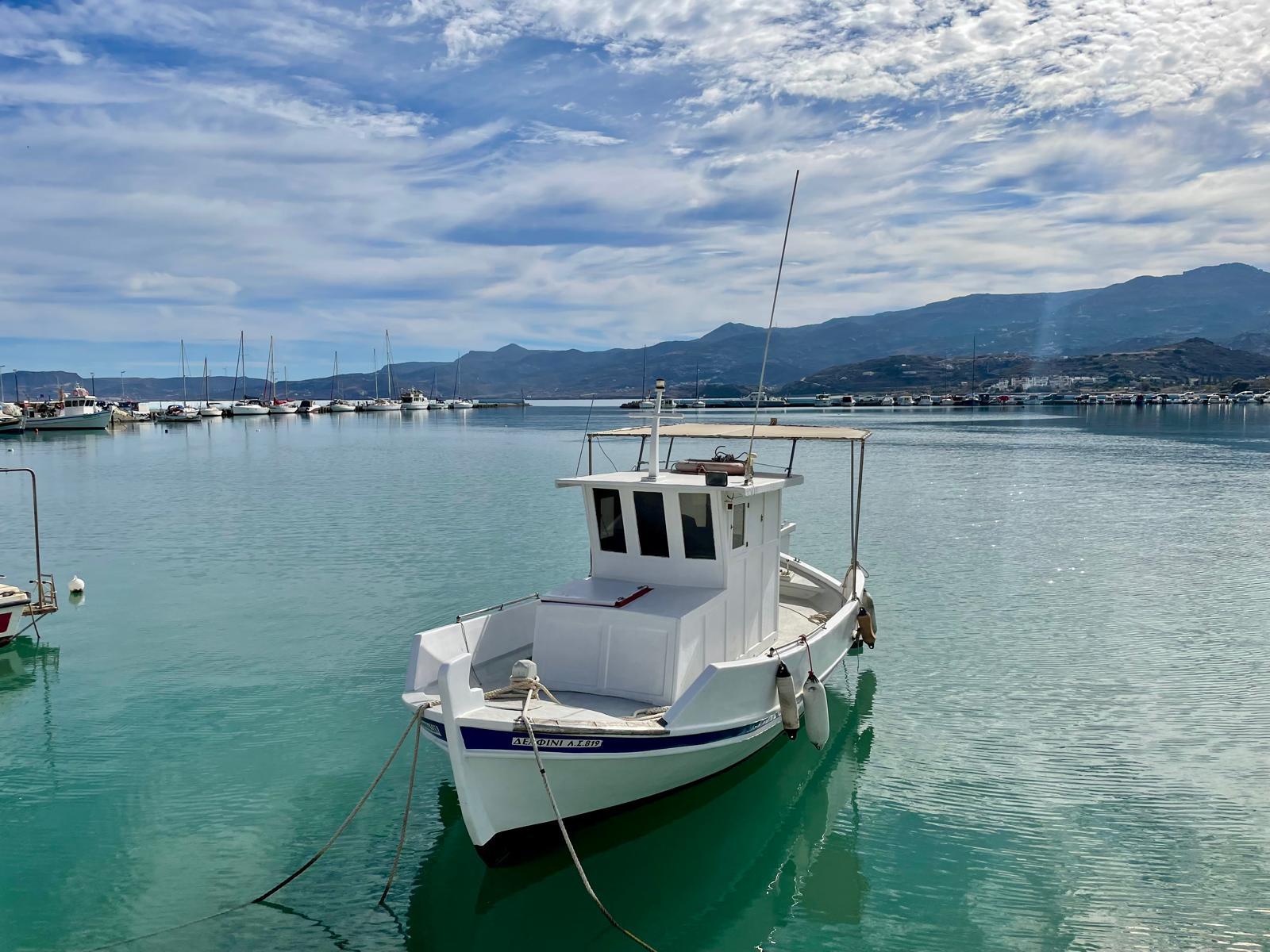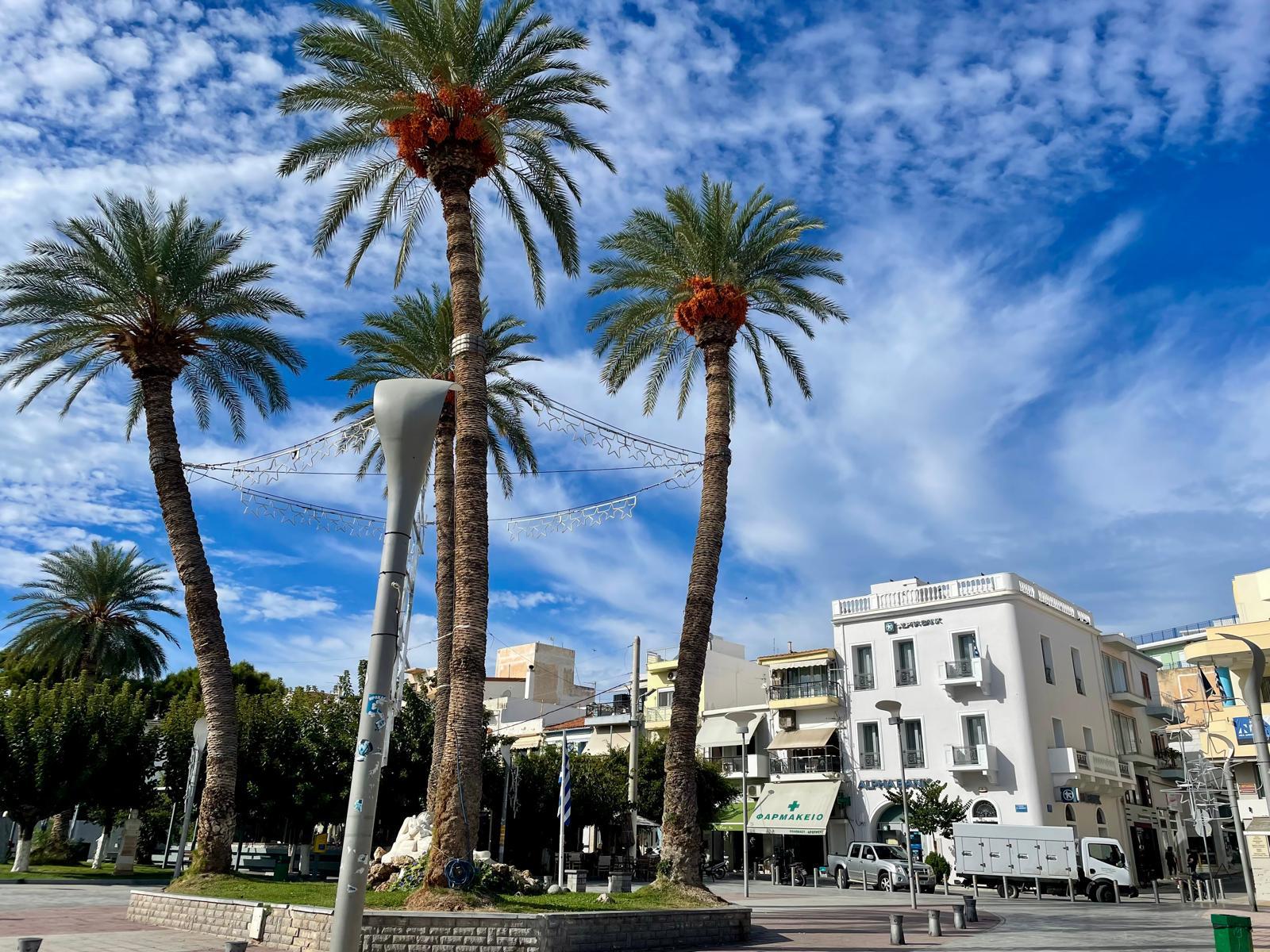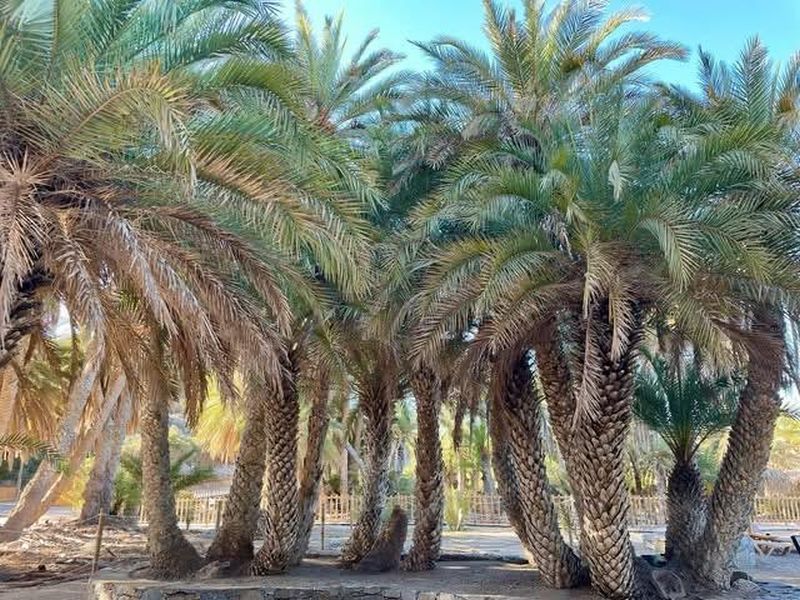
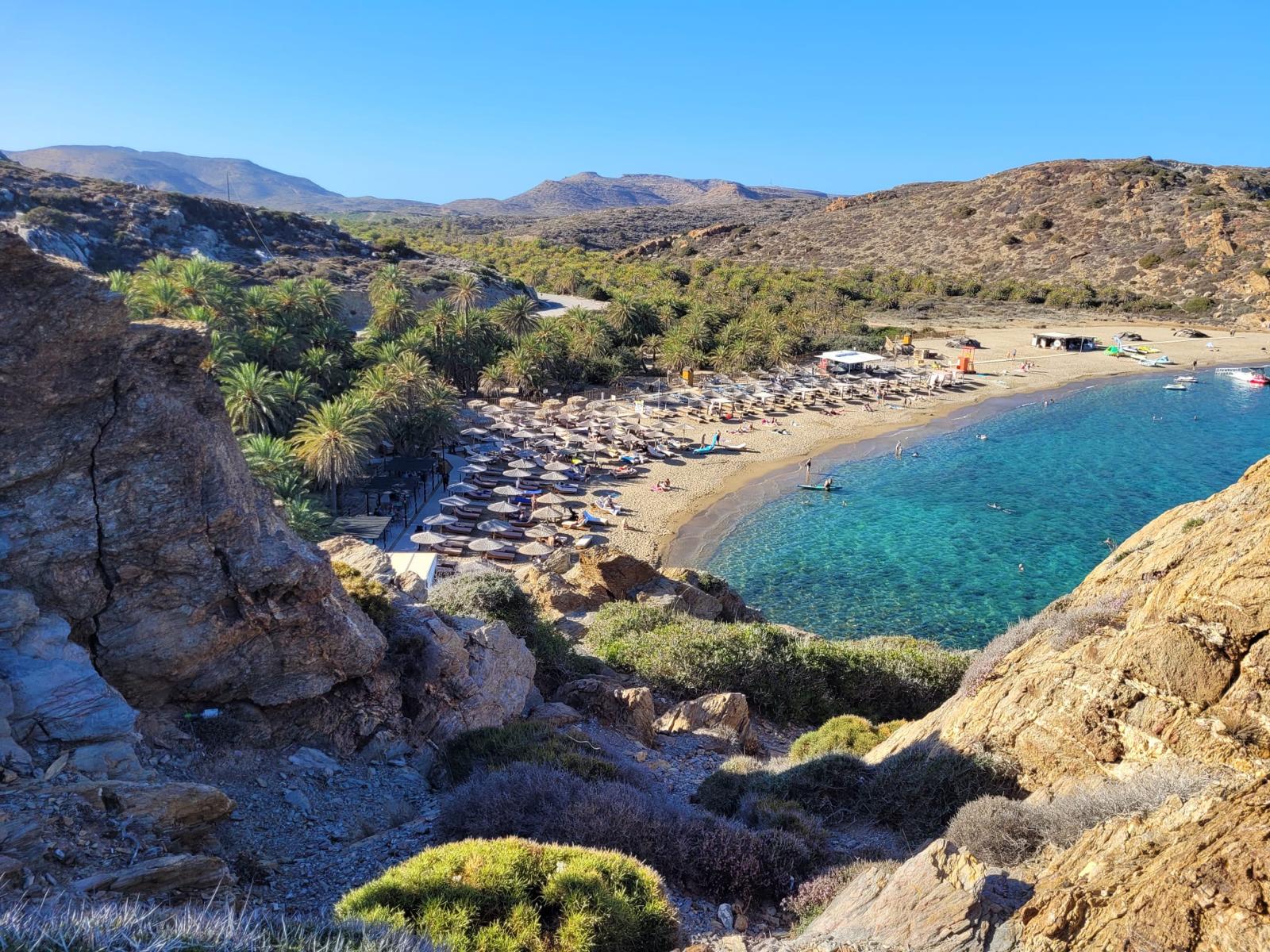
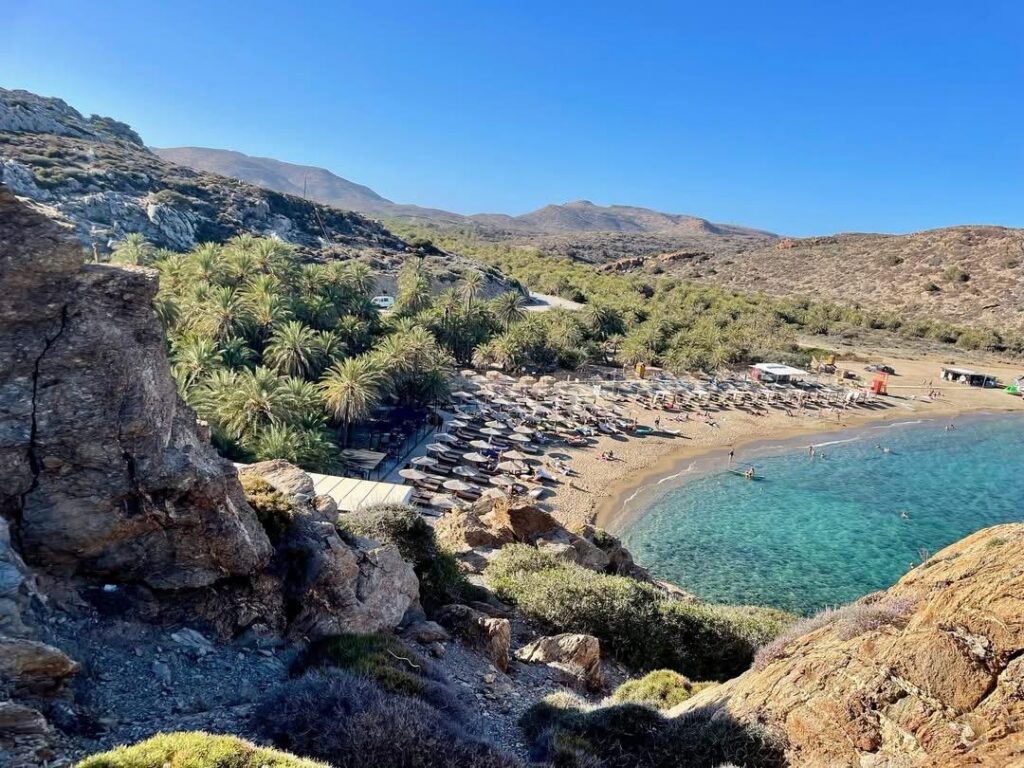
Vai Beach 🏝️ is one of the most beautiful beaches on Crete, located at the very tip of the island’s eastern peninsula — 35 km from the Delfini Studio 🐬 and 25 km from the town of Sitia. It is a breathtaking place with crystal clear, blue water 🌊, fine light sand, and an exotic palm forest 🌴.
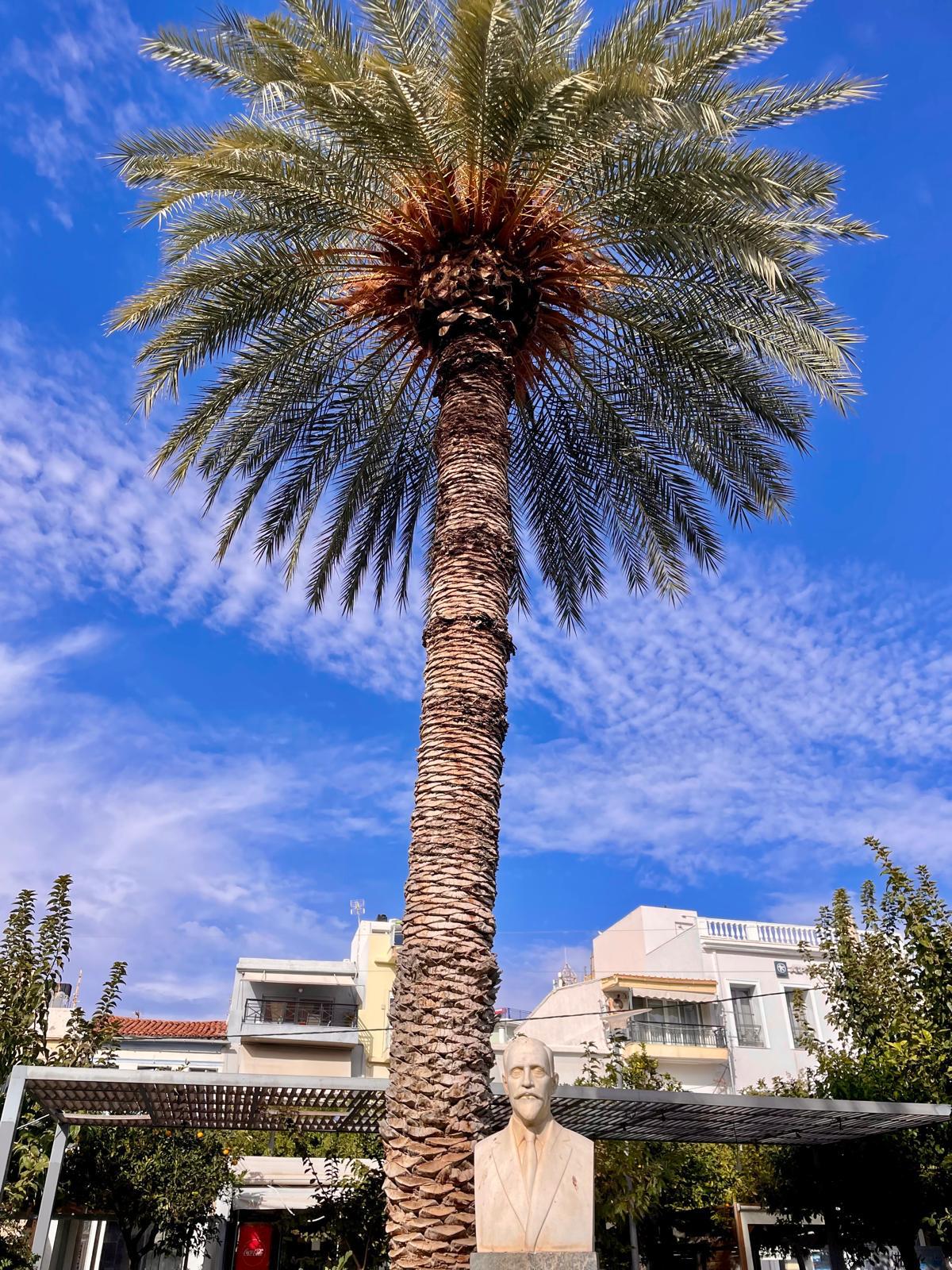
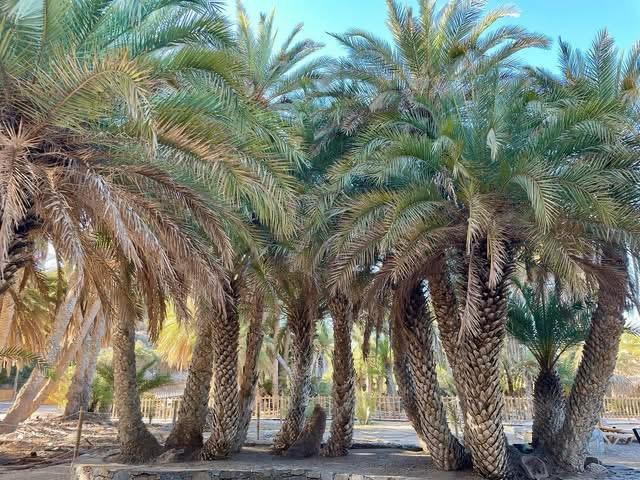
Vai is home to the largest palm grove in Europe, with more than 5,000 Cretan date palms (Phoenix theophrasti). The entire area belongs to the historic Toplou Monastery, located nearby.
There are several stories about how this unique palm grove came to be. One legend says the trees grew from date pits thrown away by Saracen pirates, later washed ashore. Another claims the palms were planted by the Phoenicians, who sailed the Mediterranean twenty centuries ago. The real explanation is probably simpler — the palm is an endemic species, naturally growing on Crete, and here it found exceptionally favourable conditions.
Due to increasing visitor numbers and the fact that not all tourists respected nature, the grove was declared a protected area and incorporated into the National Park. Thanks to this, it can still be admired today in its pristine, unchanged form.
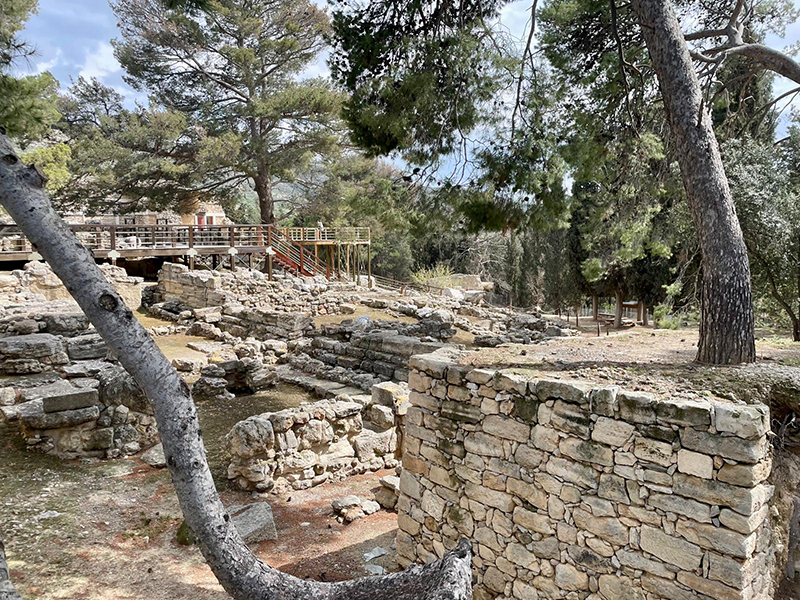
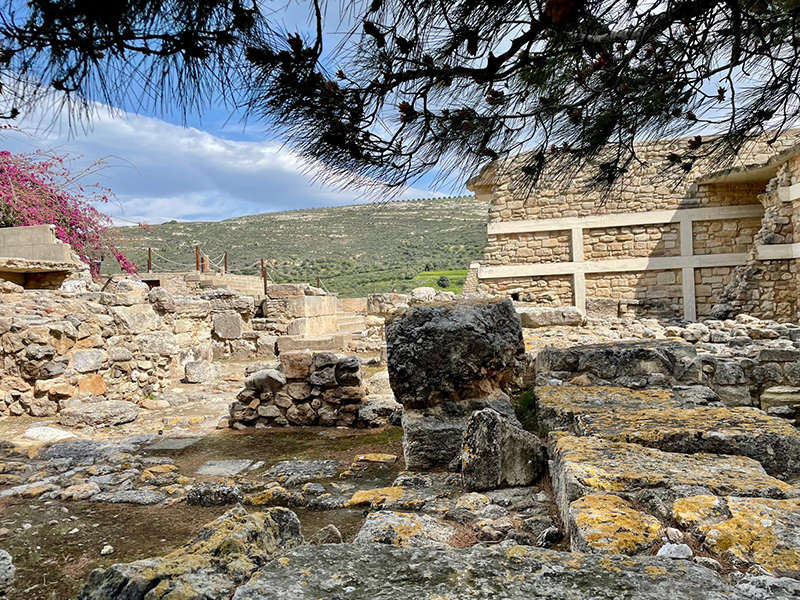
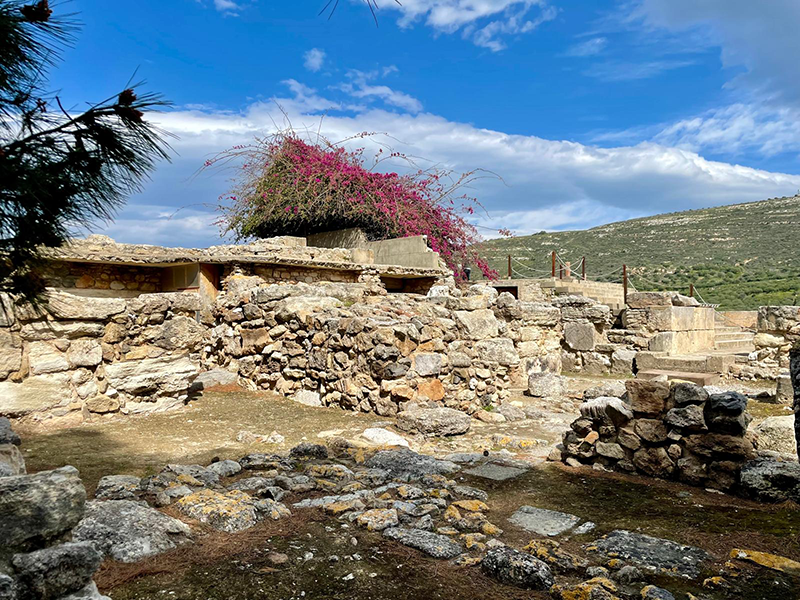
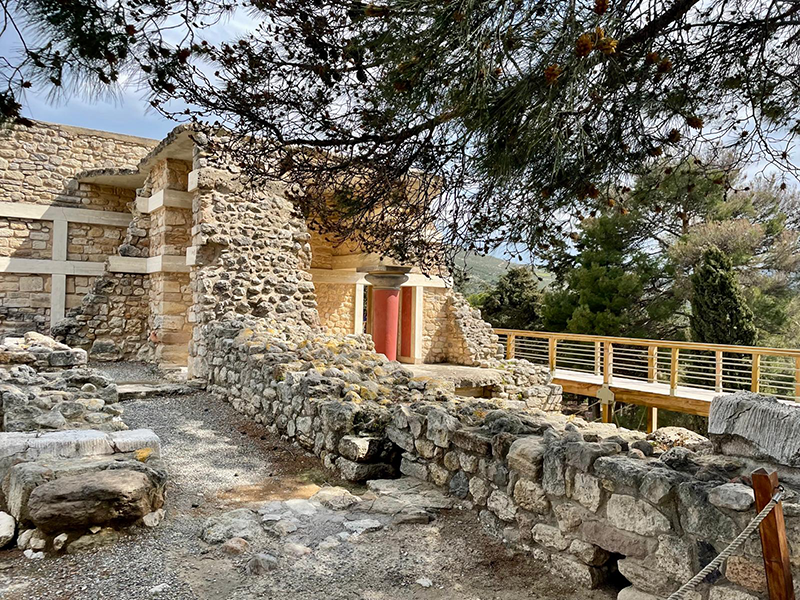
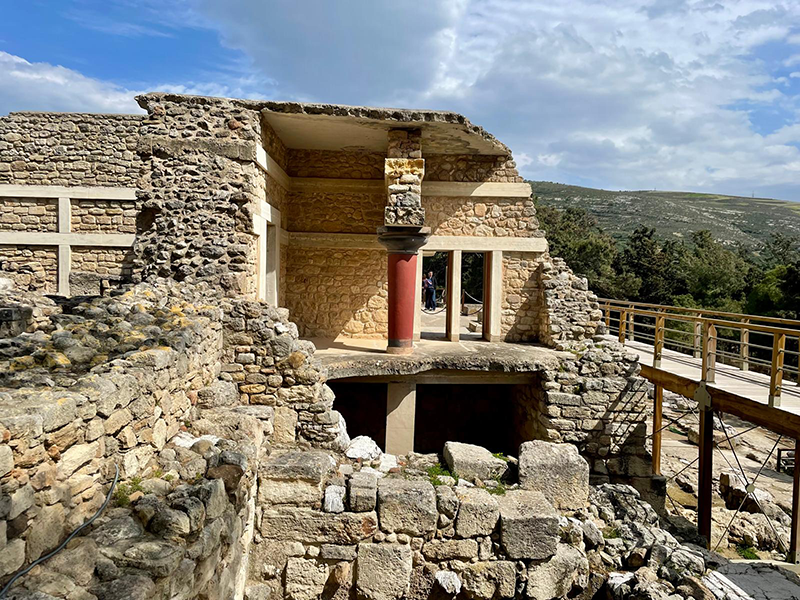
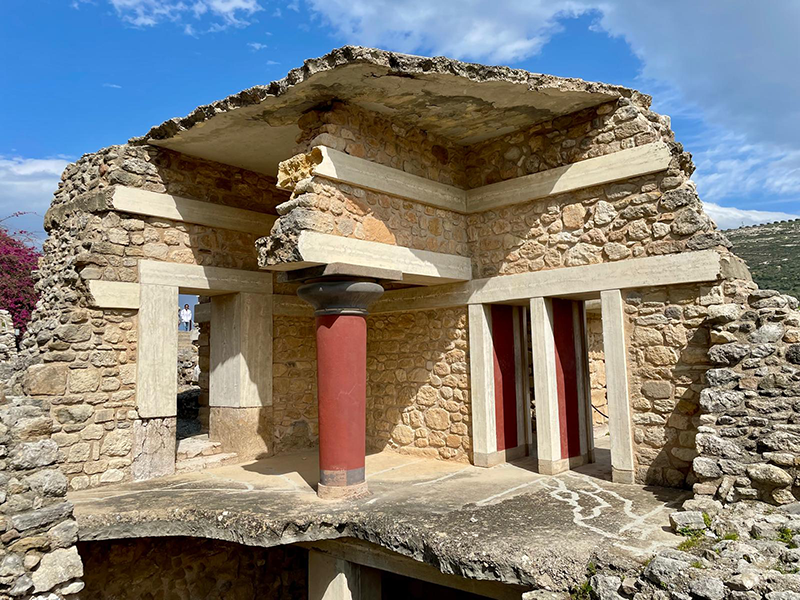
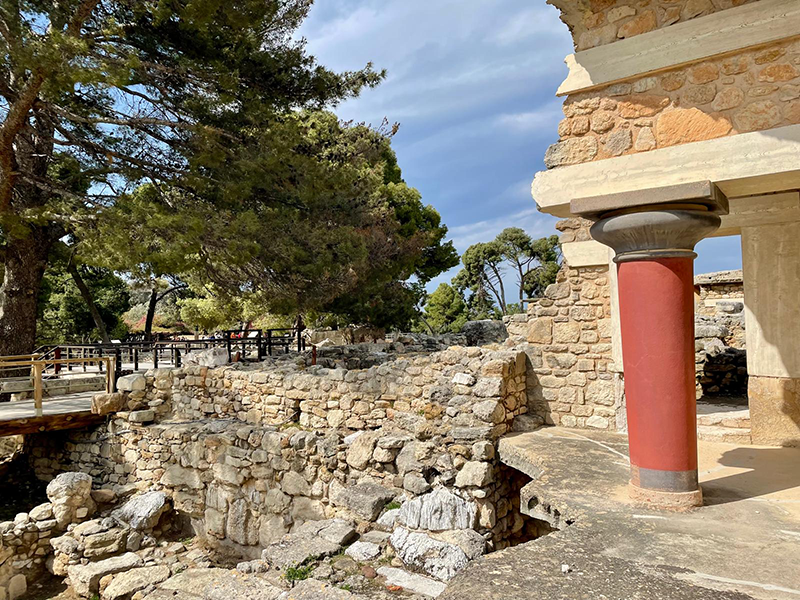
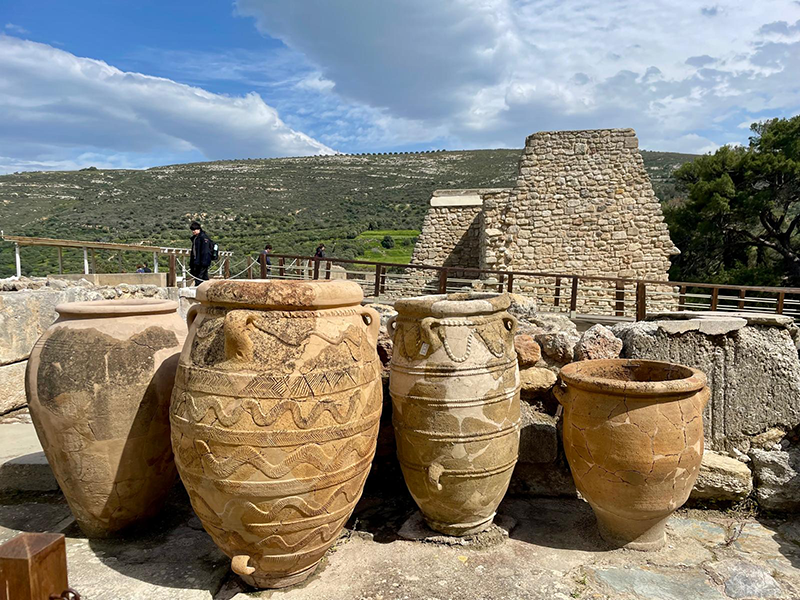
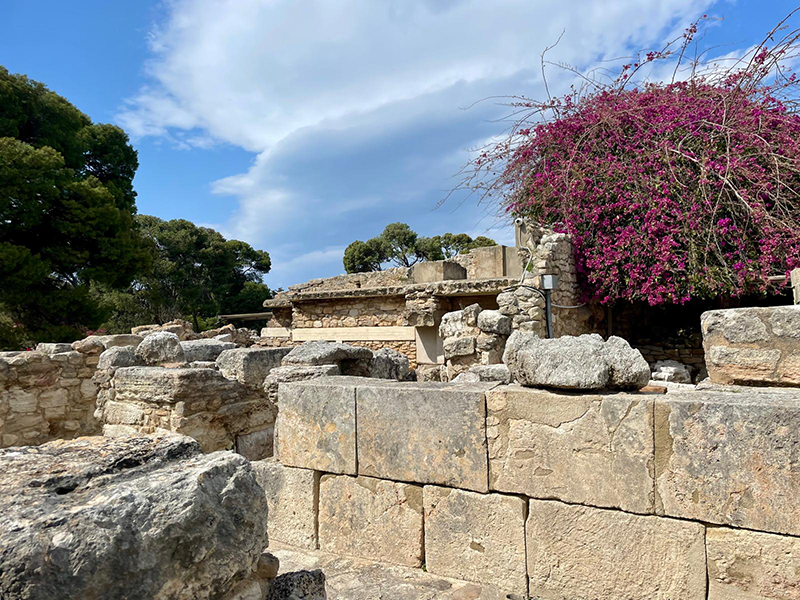
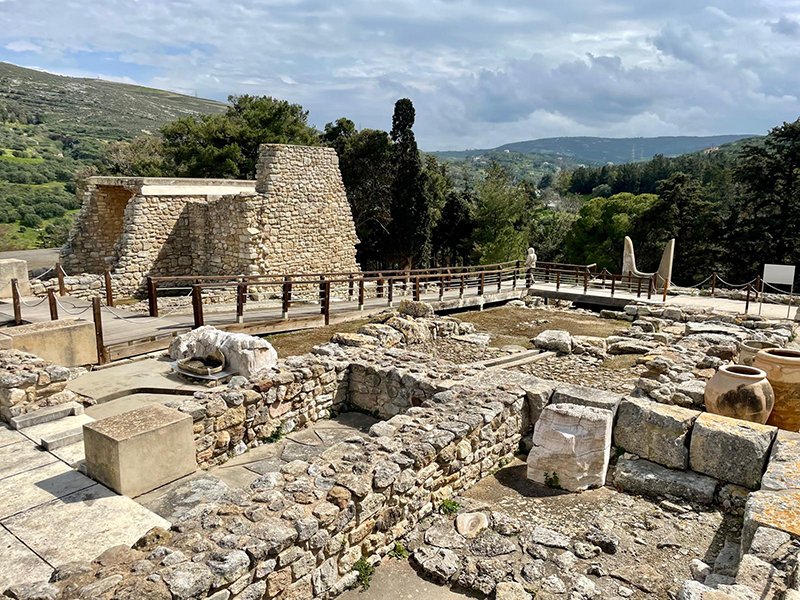
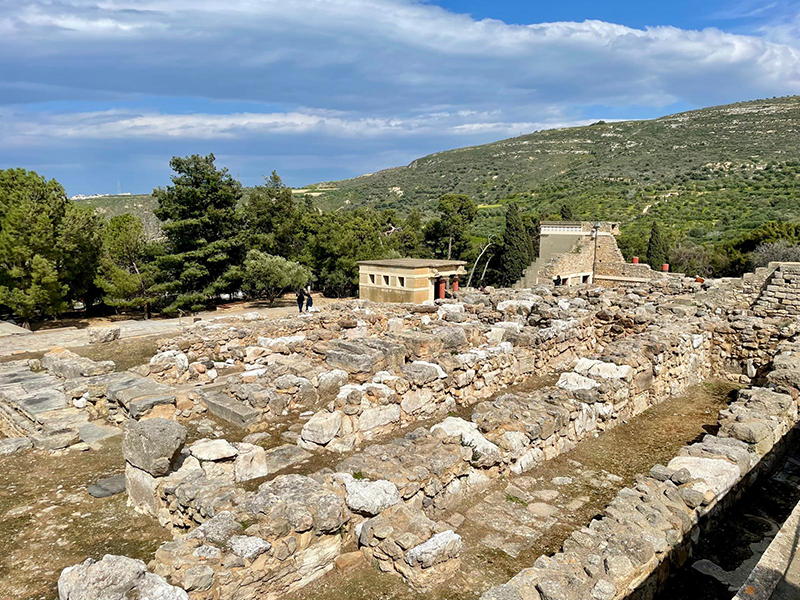
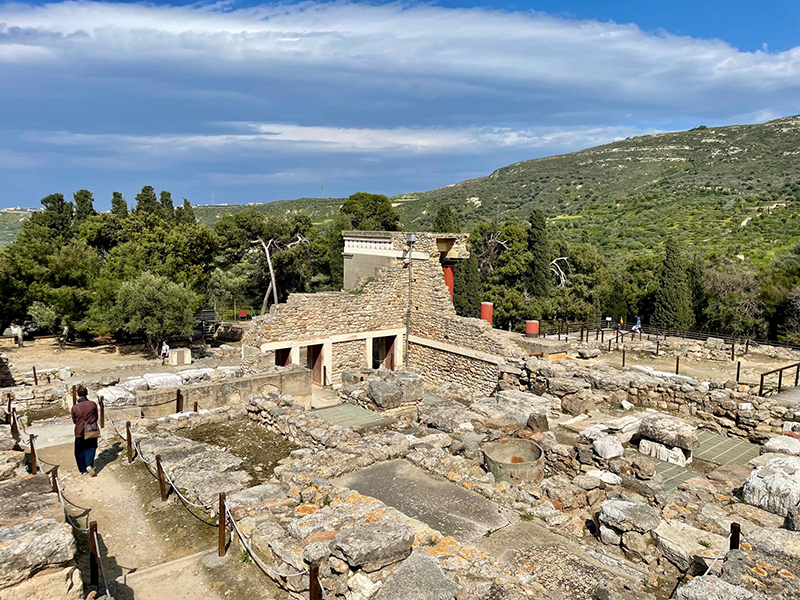
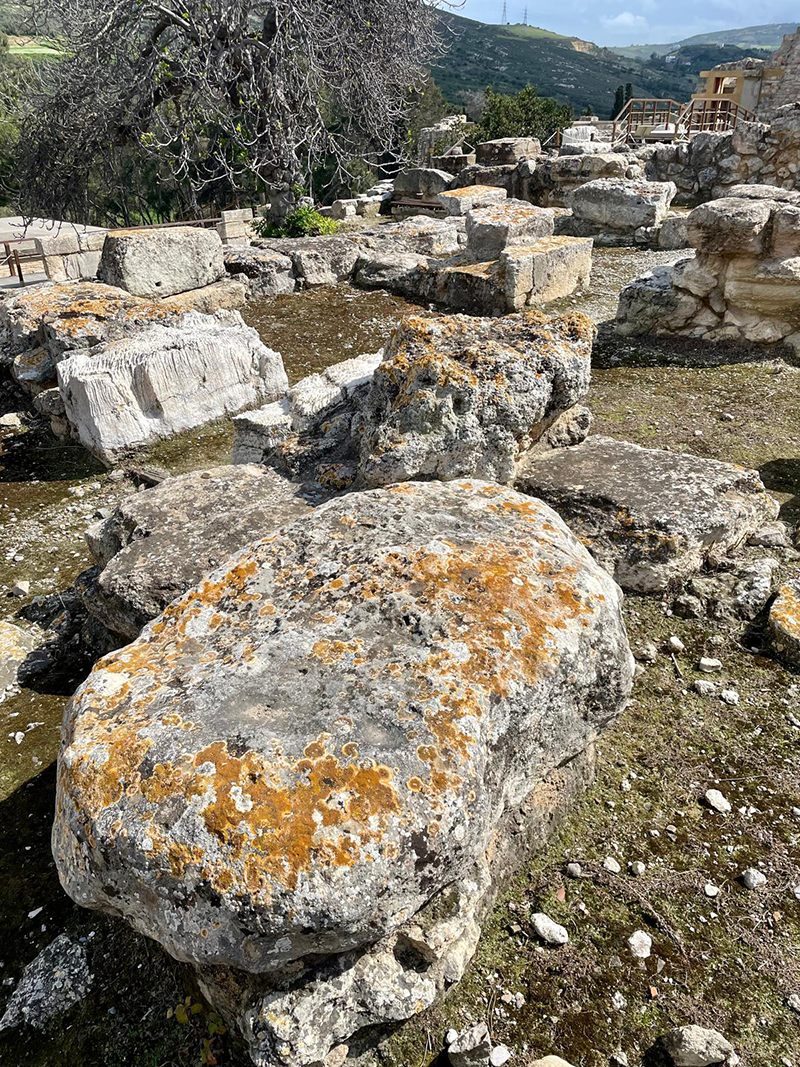
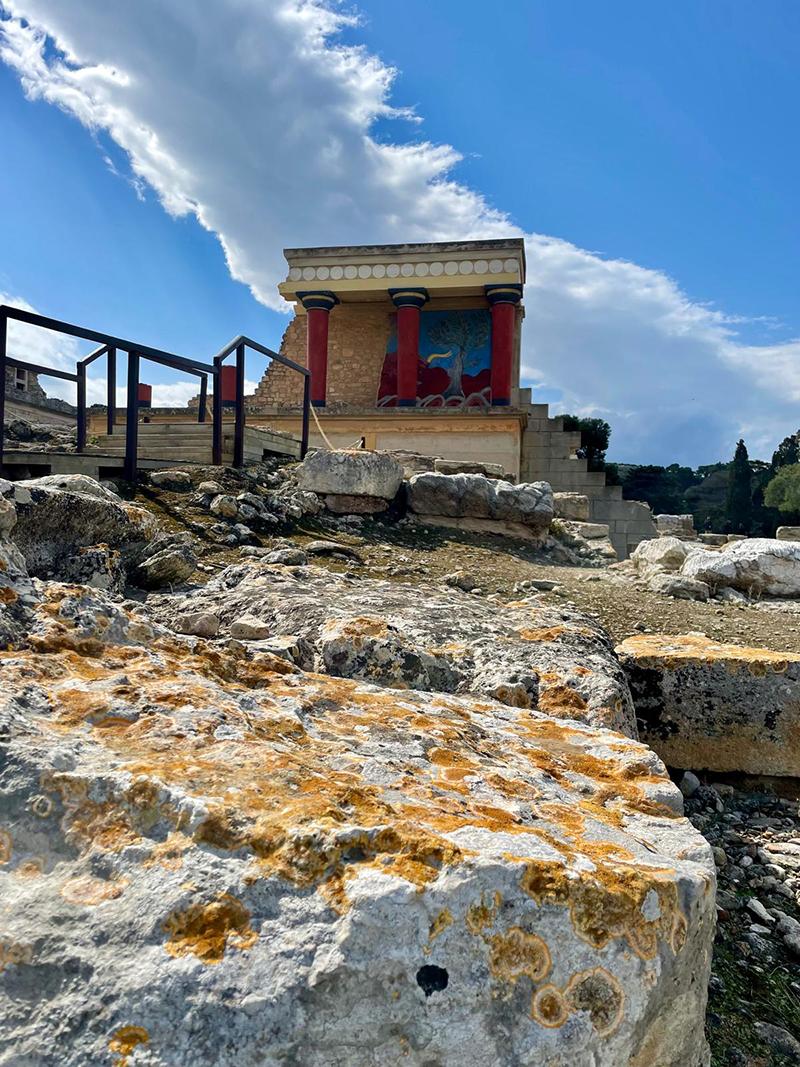
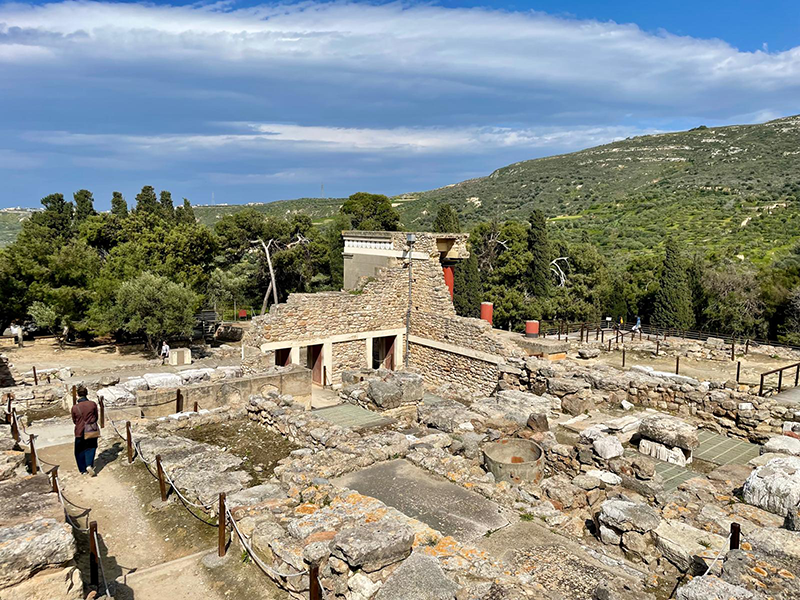
The Knossos complex is the most important centre of Minoan civilisation on Crete and one of the most fascinating archaeological sites in Europe. Considered the oldest city on the continent, it is listed by UNESCO. Located near Heraklion, in the central part of the island, it is the best preserved palace complex from the Minoan period, the earliest civilisation in Europe.
Minoan civilisation developed from 3000 to 1100 BC and left behind many intriguing monuments. Its birthplace was the unique island of Crete. Knossos is regarded as its largest and most important centre, functioning continuously from 2000 to 1400 BC.
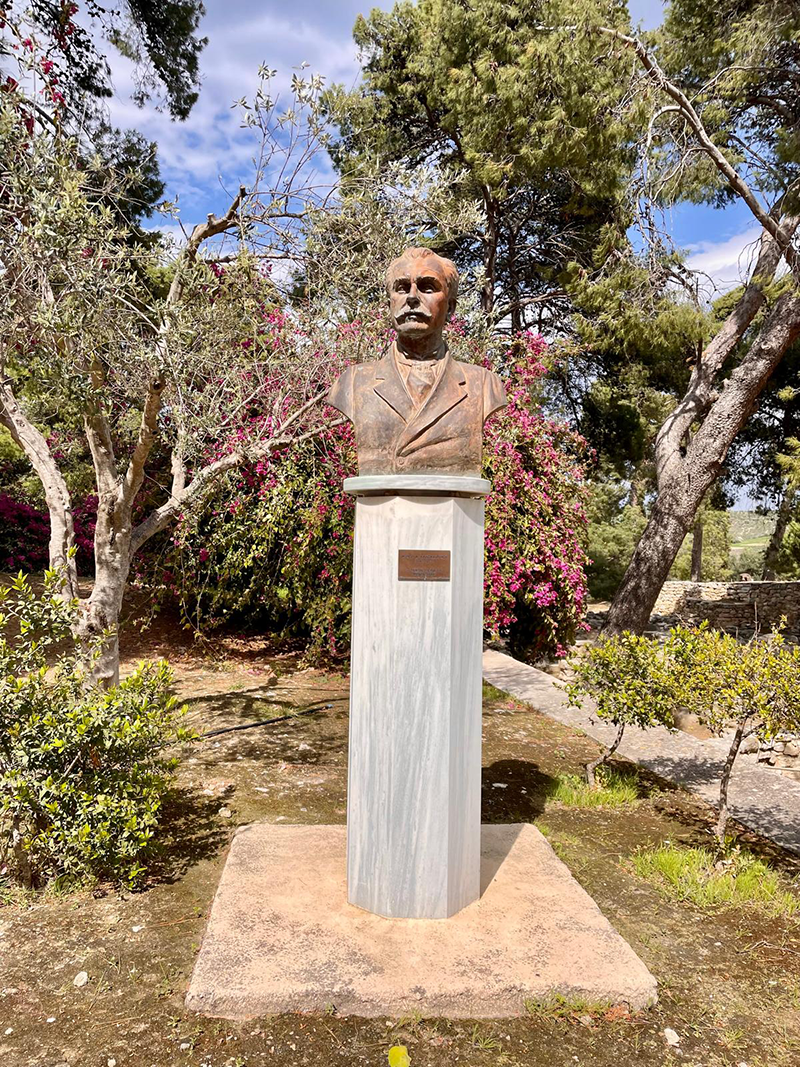
The discoverer of the Knossos complex — covering around 20,000 square metres — was the British amateur archaeologist Arthur Evans (1851–1941). It was nearly discovered earlier by his colleague Heinrich Schliemann, who, following Homer’s clues, found the ruins of Troy and Mycenae. Evans devoted his entire life to Minoan civilisation, beginning excavations in Knossos in 1900. He was fascinated by the possible links between the ruins and the mythological labyrinth of King Minos. The name “Minoan civilisation” refers to this legendary ruler of Crete. Myths of the Minotaur, Theseus and Ariadne, and Daedalus and Icarus are all connected to his reign. Scholars believe that “Minos” may not have been a personal name but rather a dynastic title — similar to “pharaoh” in Egypt.
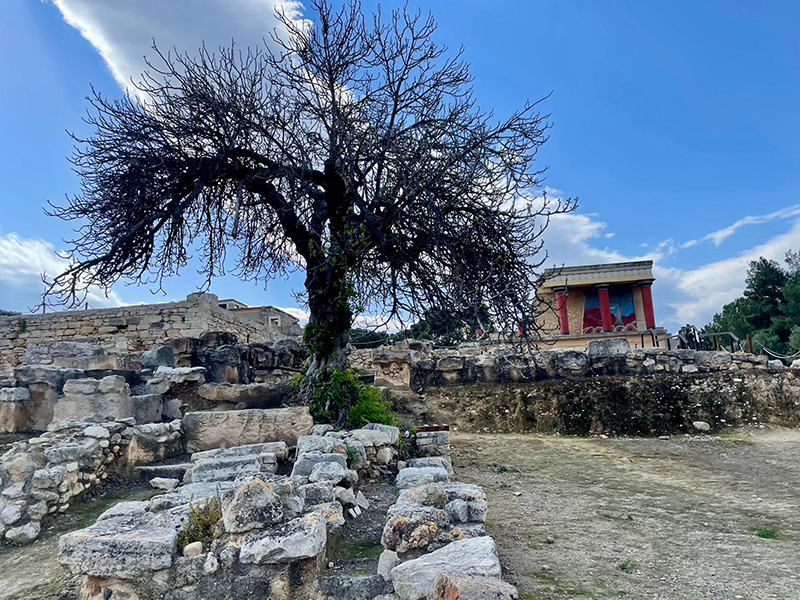
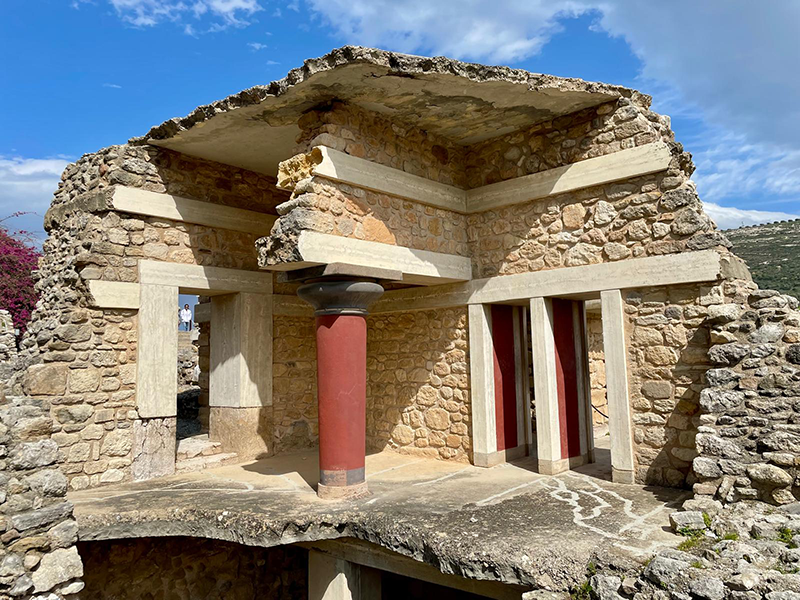
The Minoans maintained many trade and political connections with neighbouring cultures. Their civilisation extended beyond Crete. Researchers study their links with the later Mycenaean culture and with the island of Thira (Santorini), where the ancient city of Akrotiri flourished. Some scholars trace the beginnings of Minoan culture to the massive volcanic eruption on Santorini around 1650 BC. The final blow to the civilisation was likely the invasion of the Mycenaeans from the mainland. The first destruction of the palace occurred around 1700 BC, with further destructions in the 15th and 14th centuries BC.
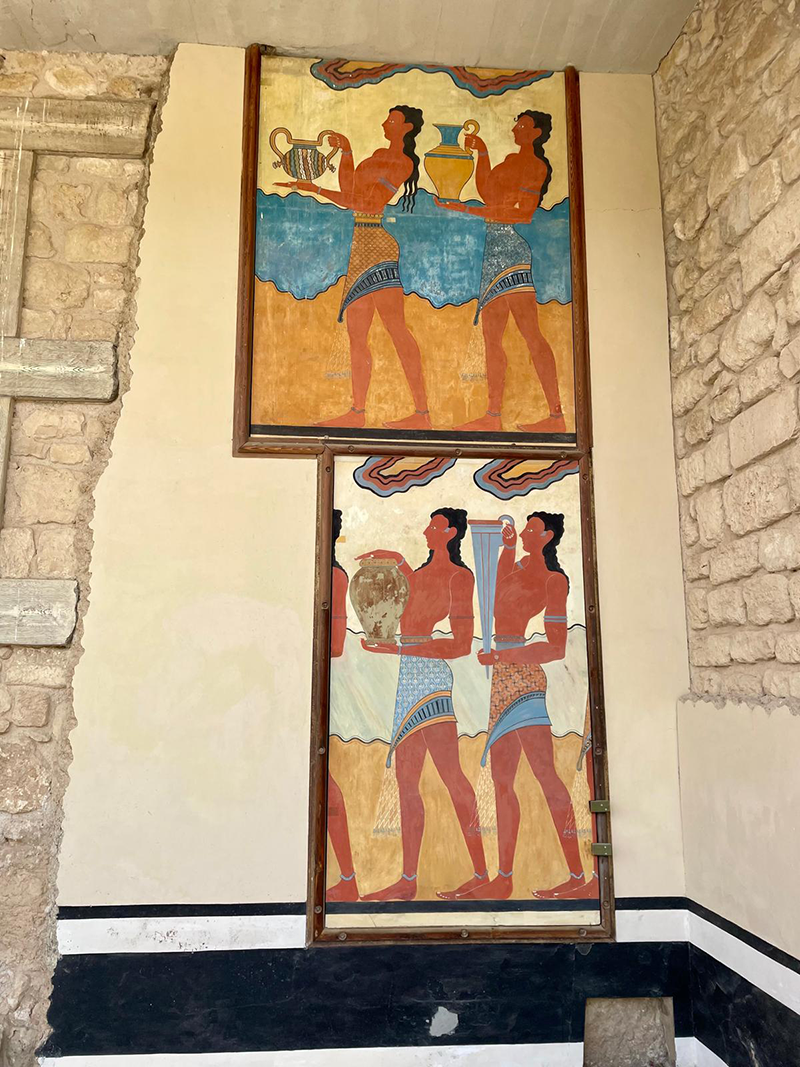
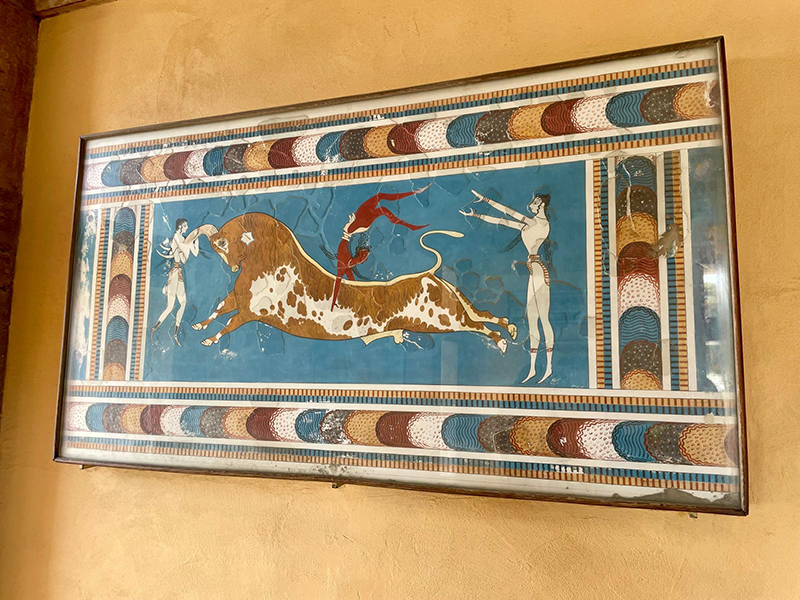
Evans’ work resulted in concrete reconstructions at Knossos and freely interpreted frescoes discovered in the ruins. Decorative paintings with numerous plant and animal motifs were found. One fresco shows a man leaping over a bull — likely depicting tauromachy, a ritual spectacle characteristic of Mediterranean cultures. Crete also yielded figurines of women with exposed breasts (probably priestesses or goddesses) holding snakes.
For a long time, these artefacts led scholars to believe the Minoans were a peaceful, somewhat hedonistic society in which women played a significant role. However, the writing systems used on Crete have not been fully deciphered. And this was not a purely peaceful civilisation — the symbol of Knossos was the double axe, and the island is full of ancient weapons and traces of fires and battles.
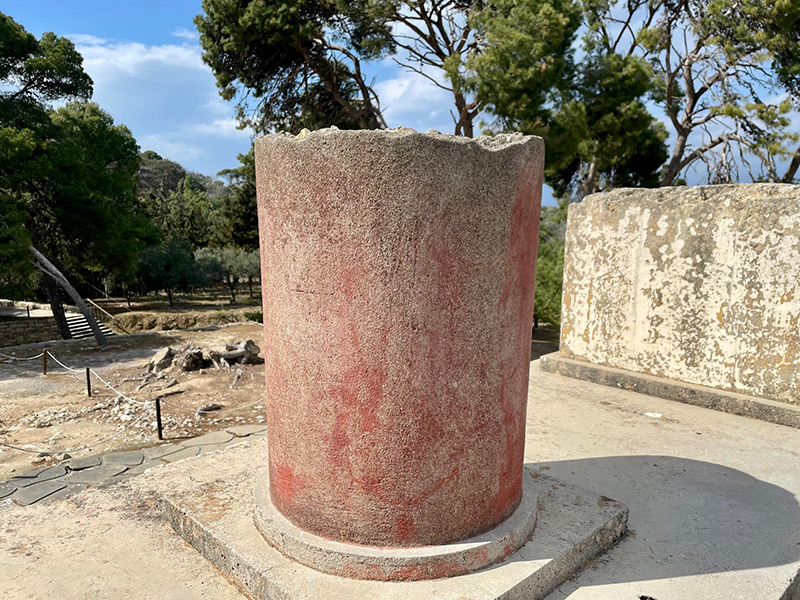
Knossos is commonly called a palace. Visitors can see the throne room, ceremonial chambers, royal apartments, temples, guardrooms and storerooms. Much of this is a free interpretation of the ruins. To some researchers, the numerous buildings, corridors and passages resemble the mythological labyrinth built for Minos by the ingenious Daedalus — the place where the Minotaur, half man and half bull, was said to hide.
The truth remains unknown — there are studies and theories. Whatever the case, today the Knossos complex is a magnet for travellers, and everyone can find their own version of its story.
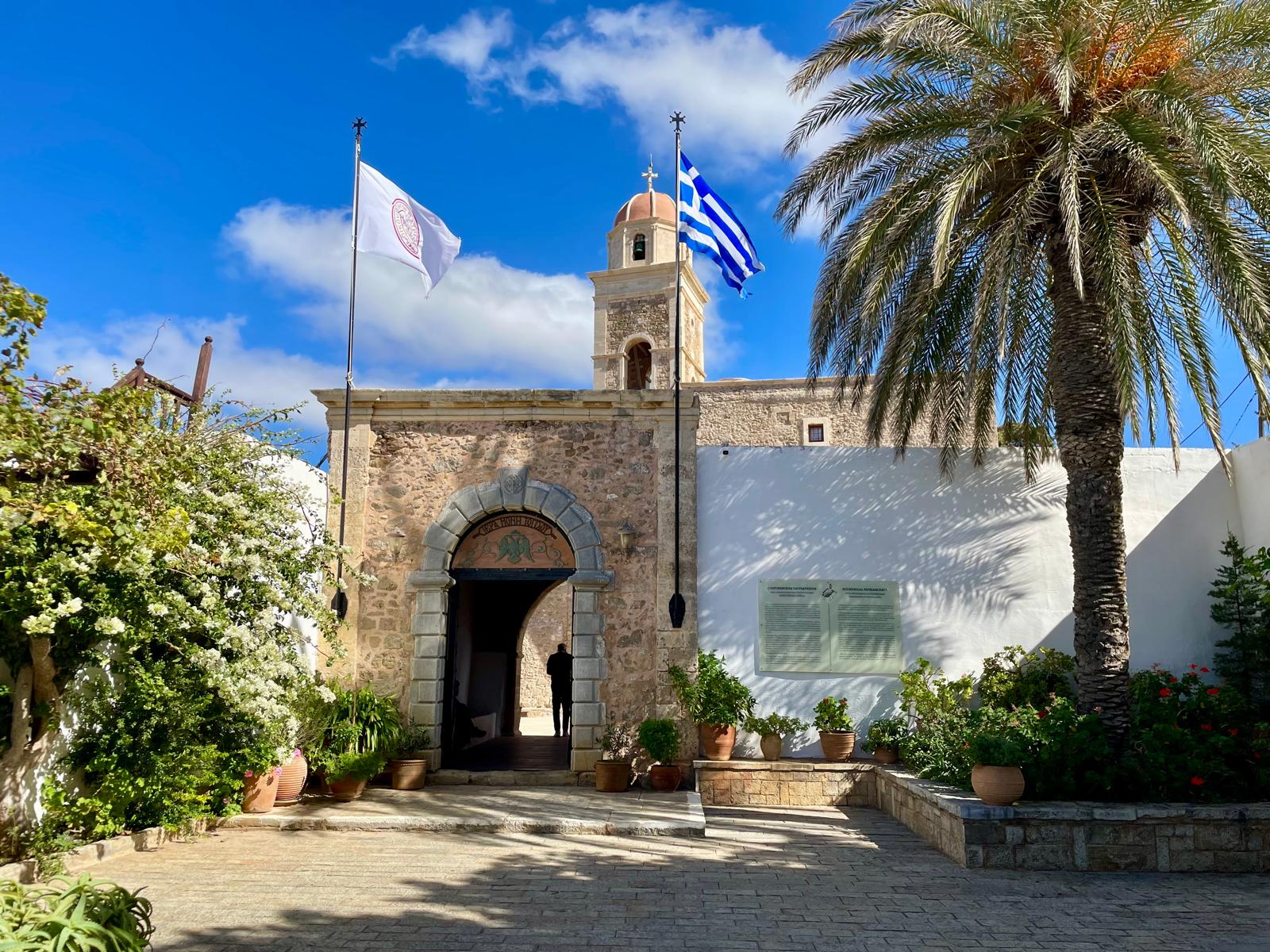
Toplou Monastery is a jewel among the places worth visiting in the far east of Crete. This powerful monastic complex stands on an almost desert like plateau. It is an important site in the island’s history and today a key destination for visitors, as well as one of the most dynamic local enterprises. It is the only monastery on the eastern tip of Crete preserved in such excellent condition.
The full name of the monastery is “The Monastery of the Virgin Mary of the Cape” (gr. Μονή Παναγίας Ακρωτηριανής). The commonly used name “Toplou” was given by the Turks (the word top means “cannon”). The monastery was a true fortress, equipped with its own artillery, and the monks were trained to defend it. Thanks to this, they successfully repelled pirate attacks along the Cretan coast. It was one of the wealthiest monastic communities on the island.
The exact date of the monastery’s foundation is unknown, but it certainly existed during the Venetian period. In 1530, it was plundered by the Knights of Malta, and in 1612 it survived a powerful earthquake. The Venetians helped rebuild it, recognising the strategic value of a fortified outpost in the face of the growing Ottoman threat. In 1646, eastern Crete was conquered by the Ottoman army. The monks returned only after 1704, when the Turkish authorities allowed the monastery to function again.
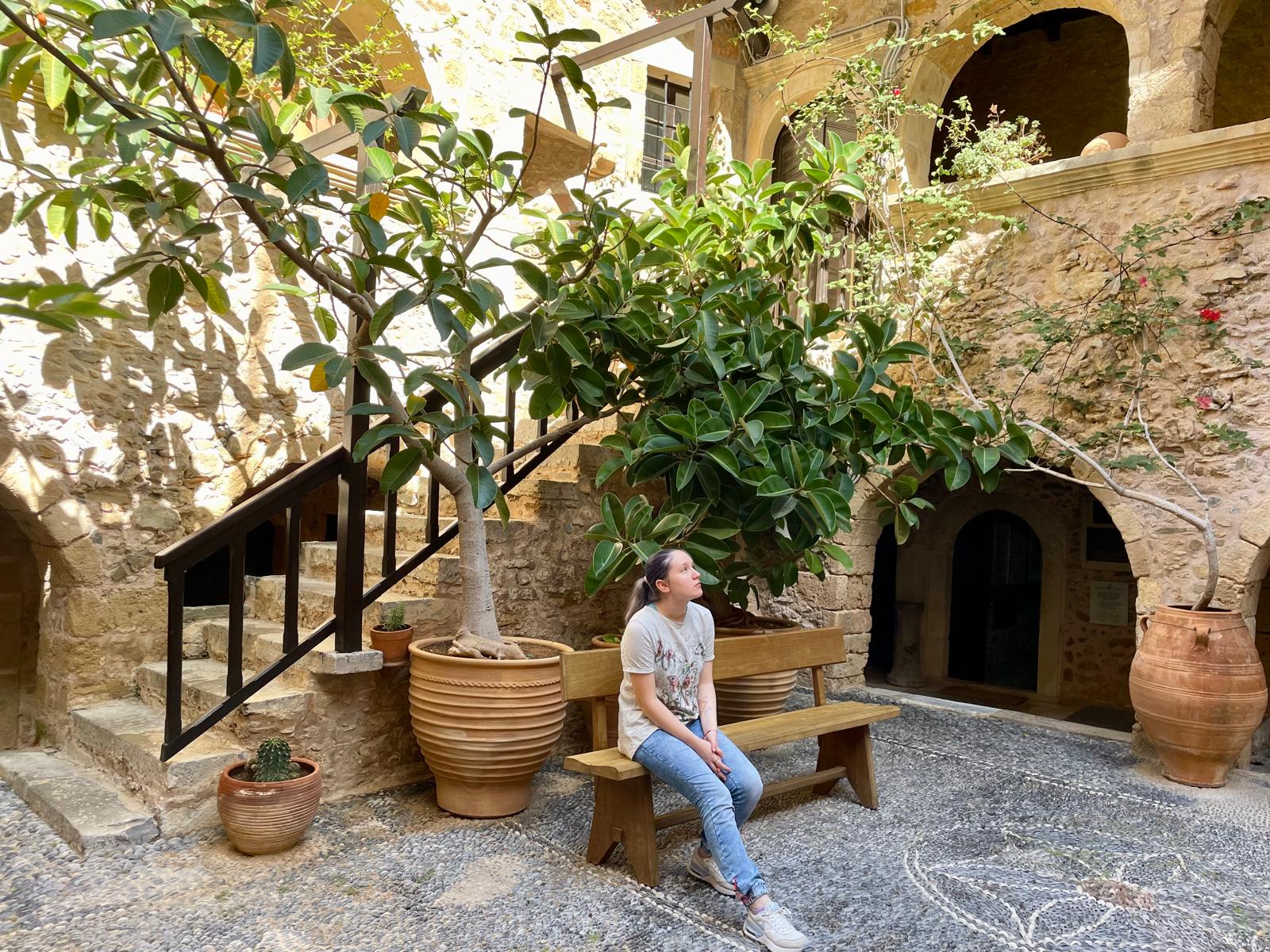
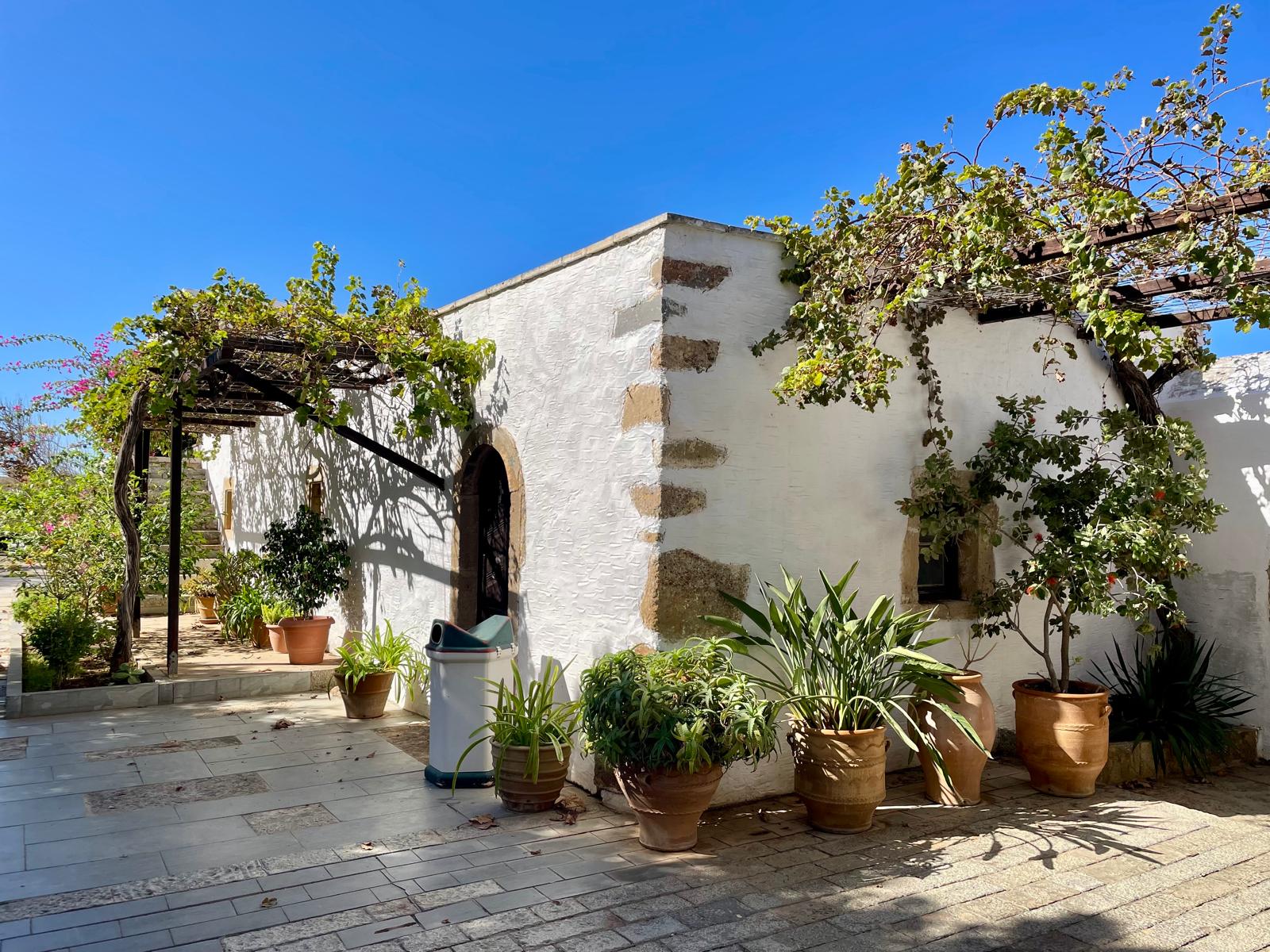
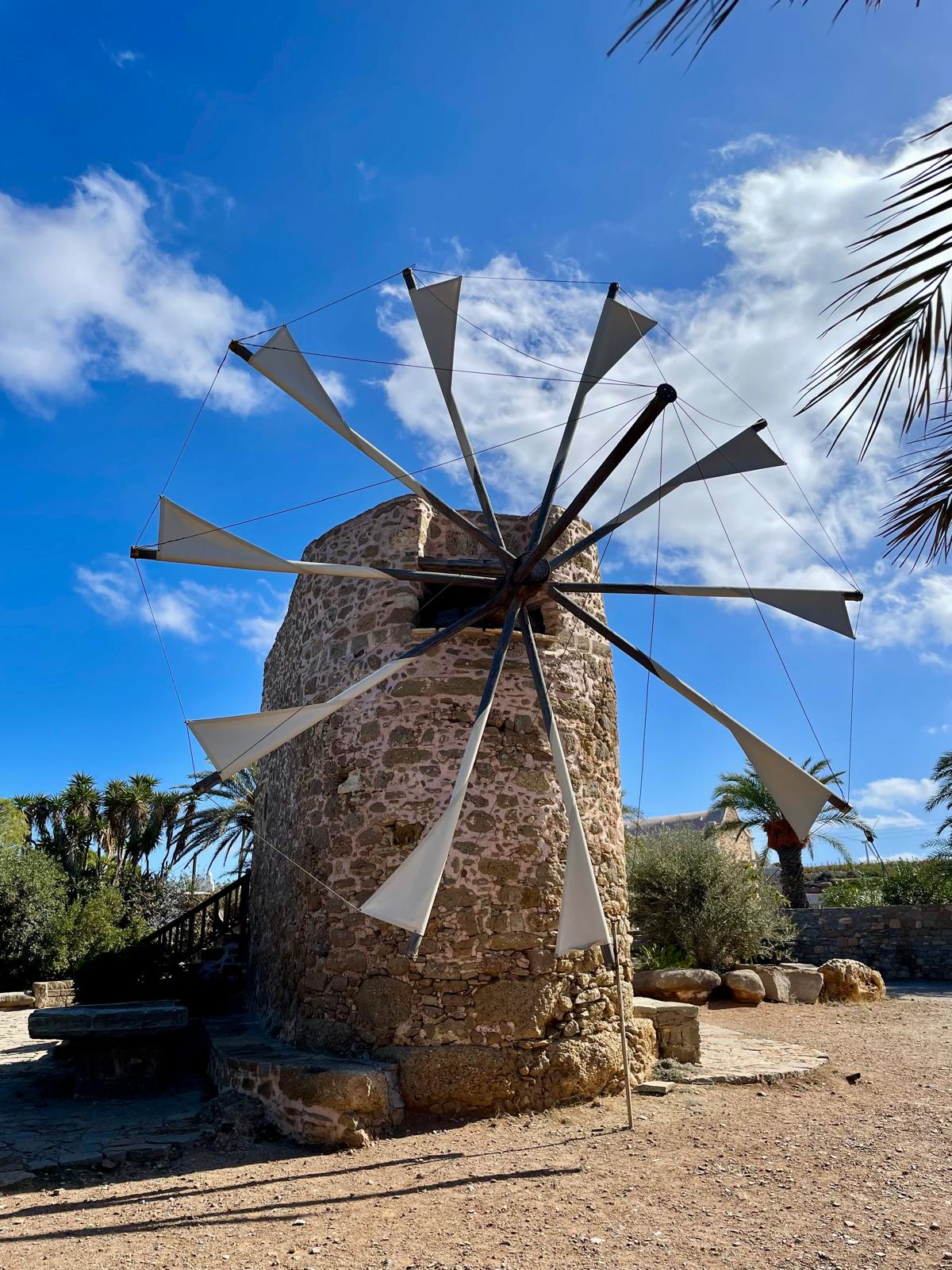
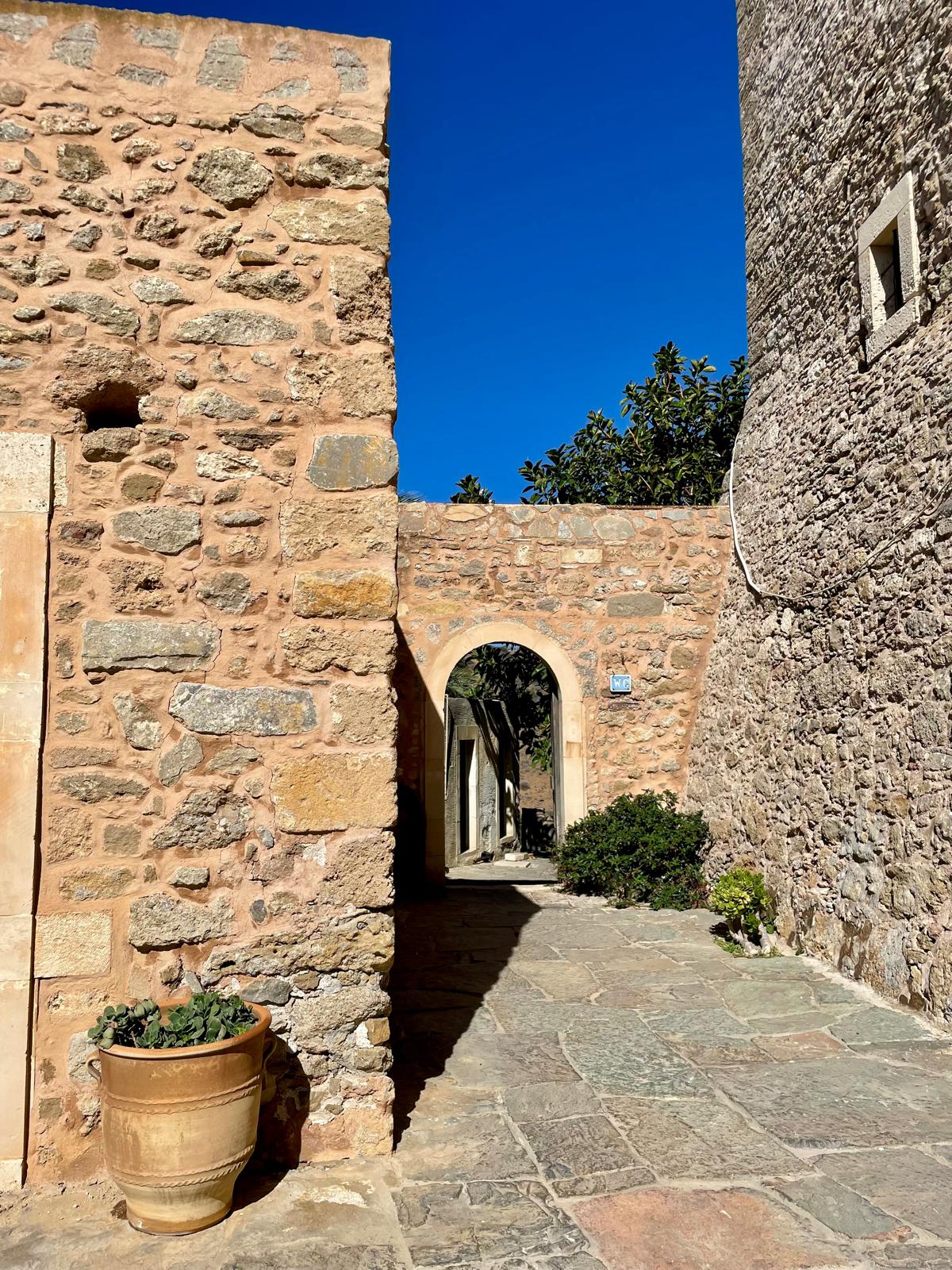
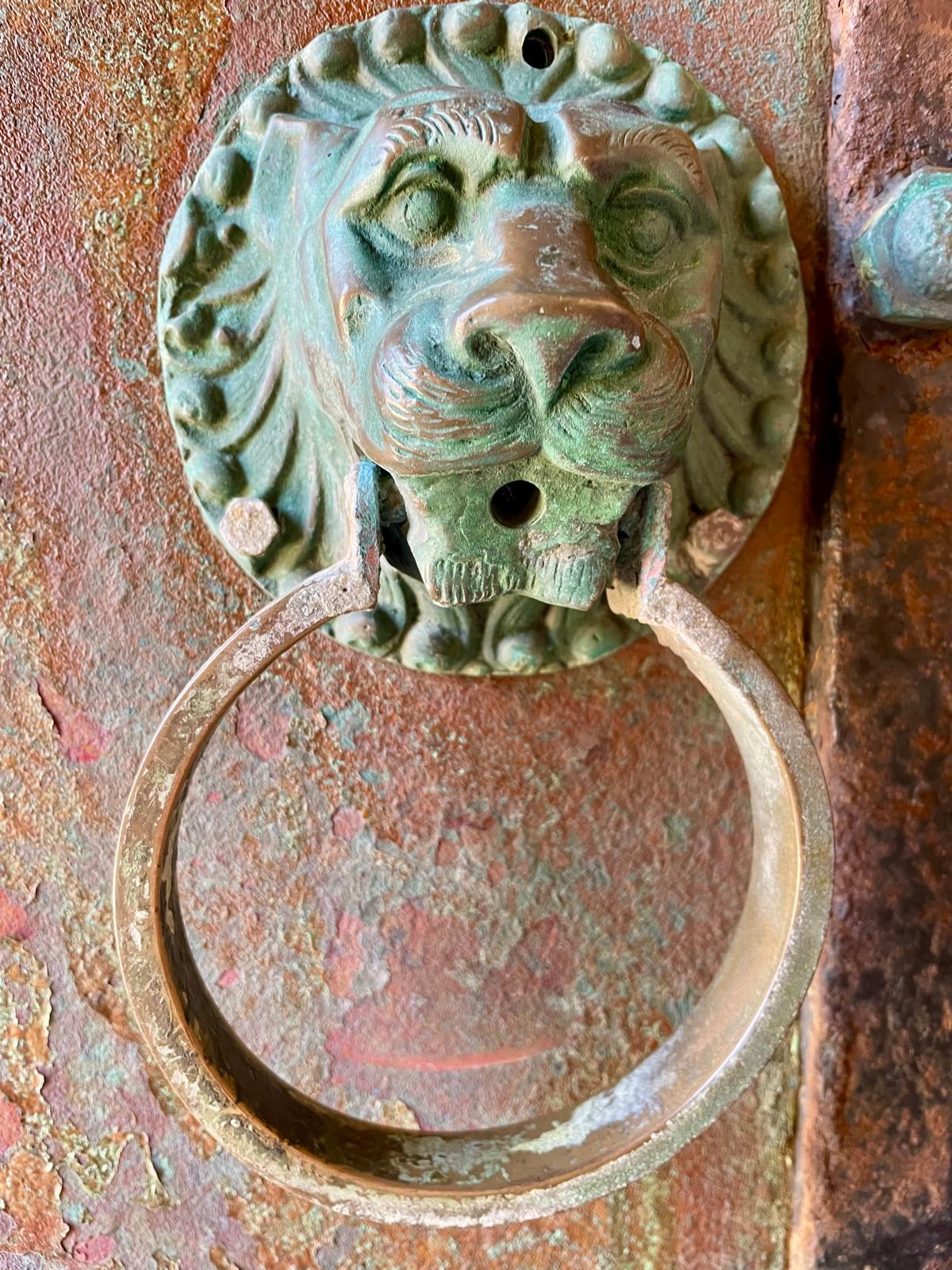
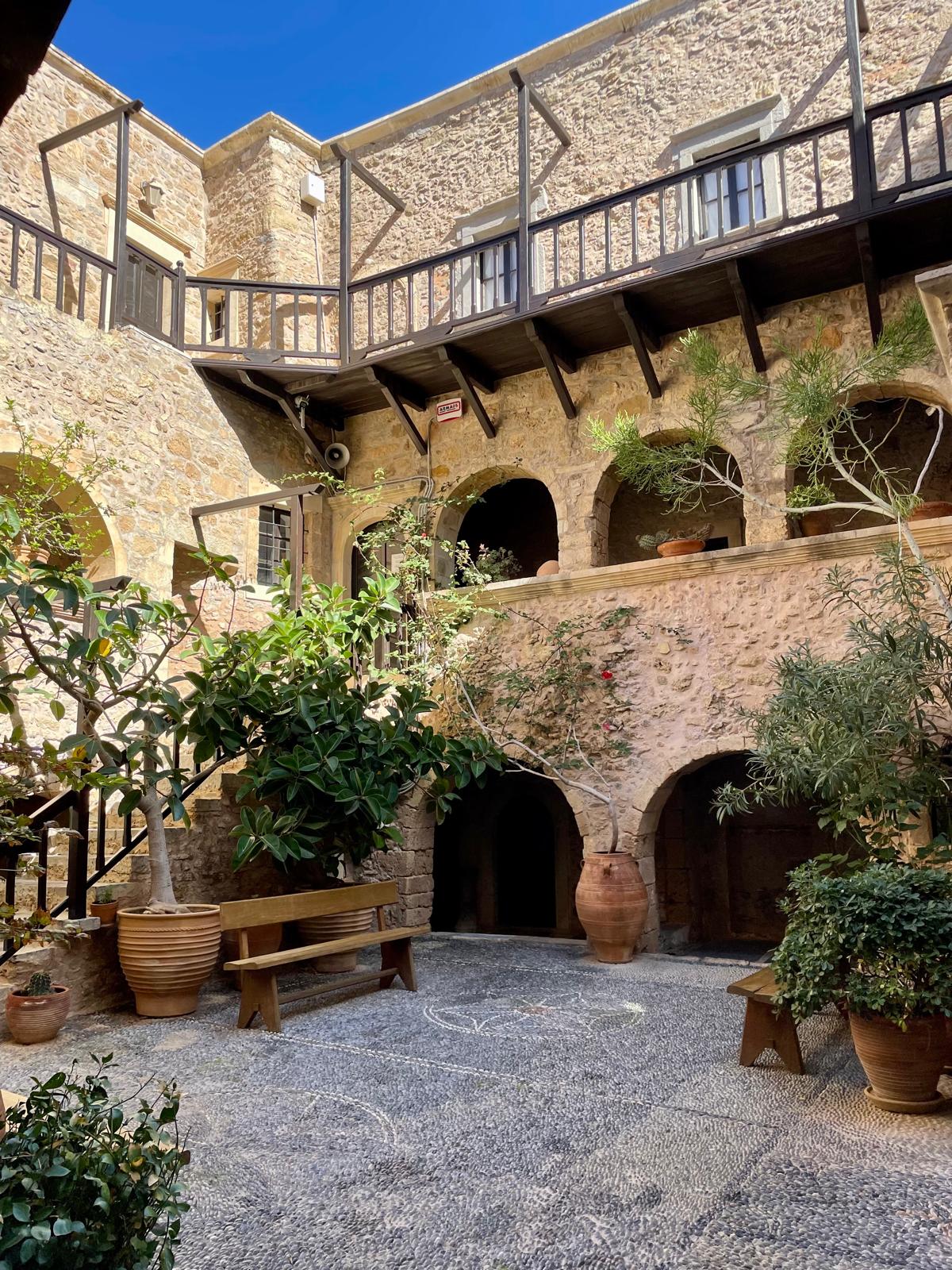
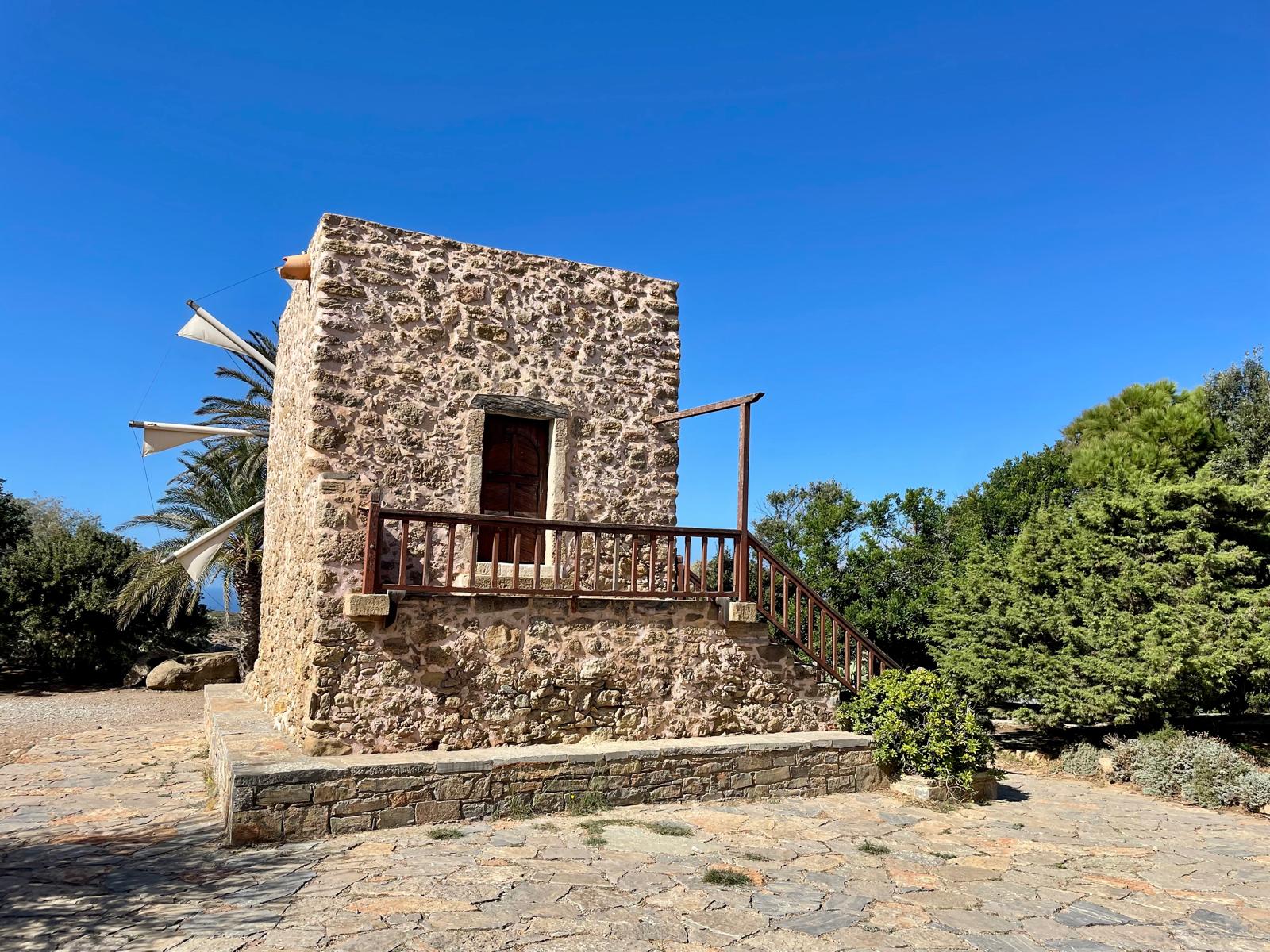
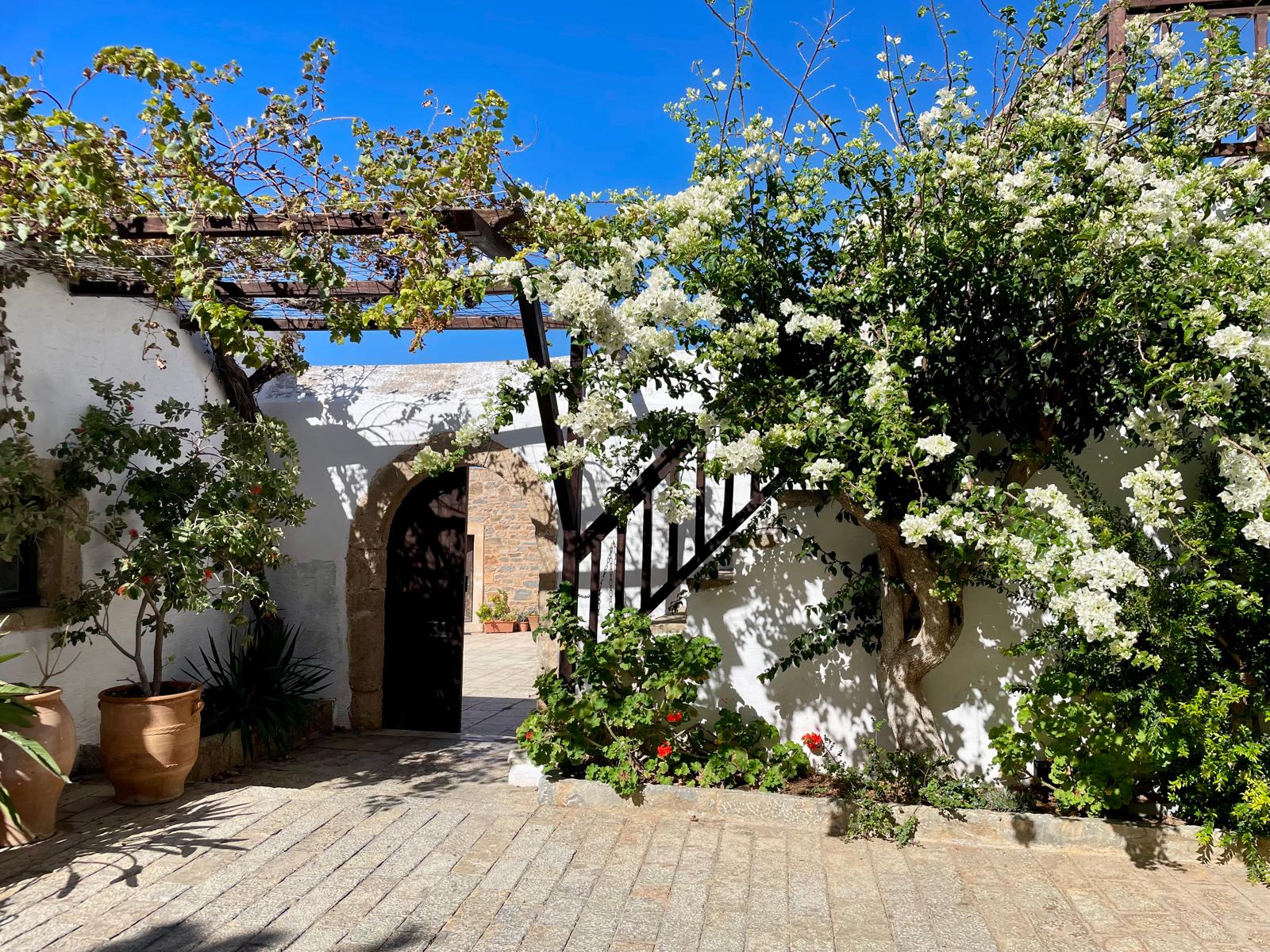
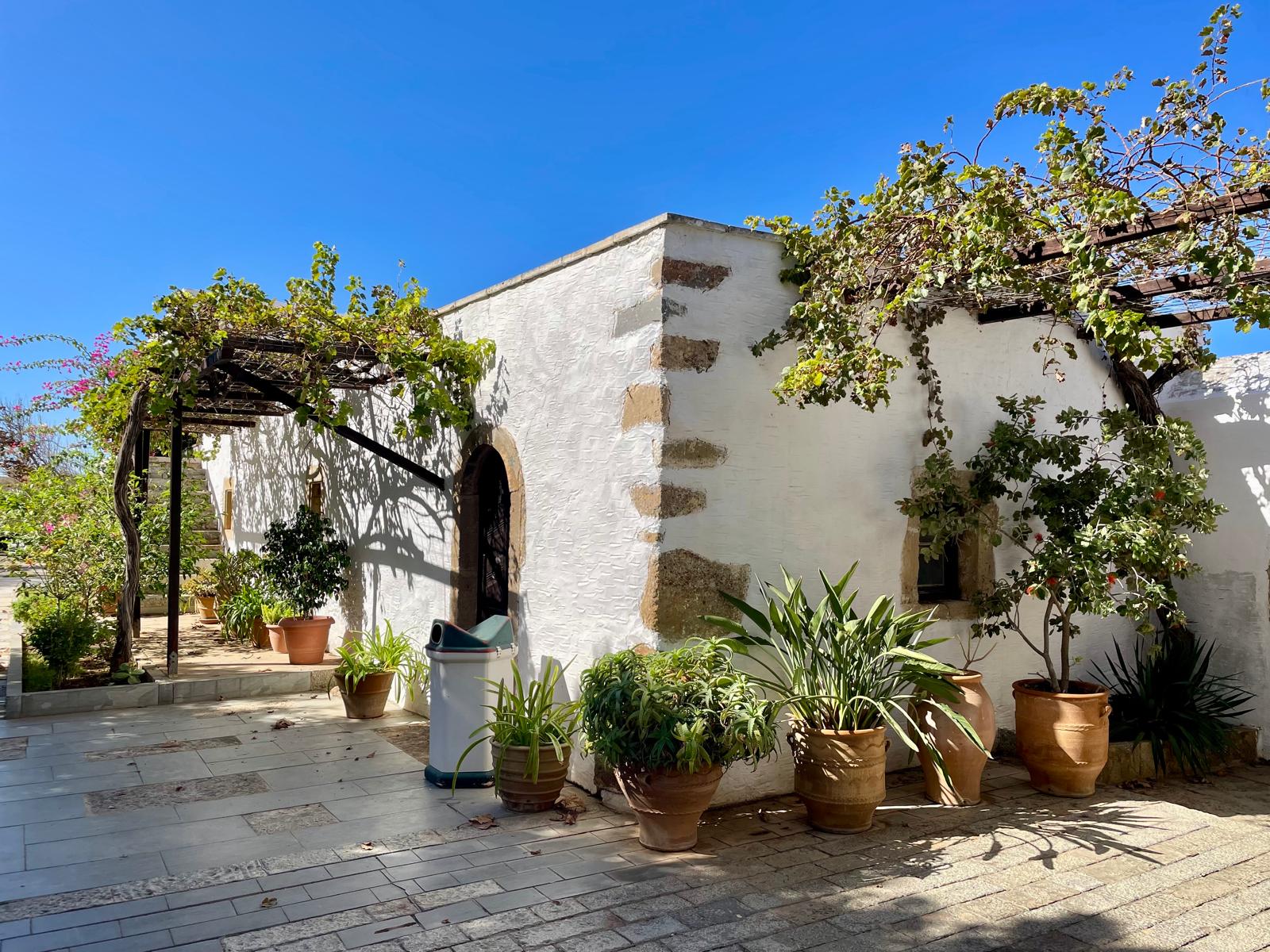
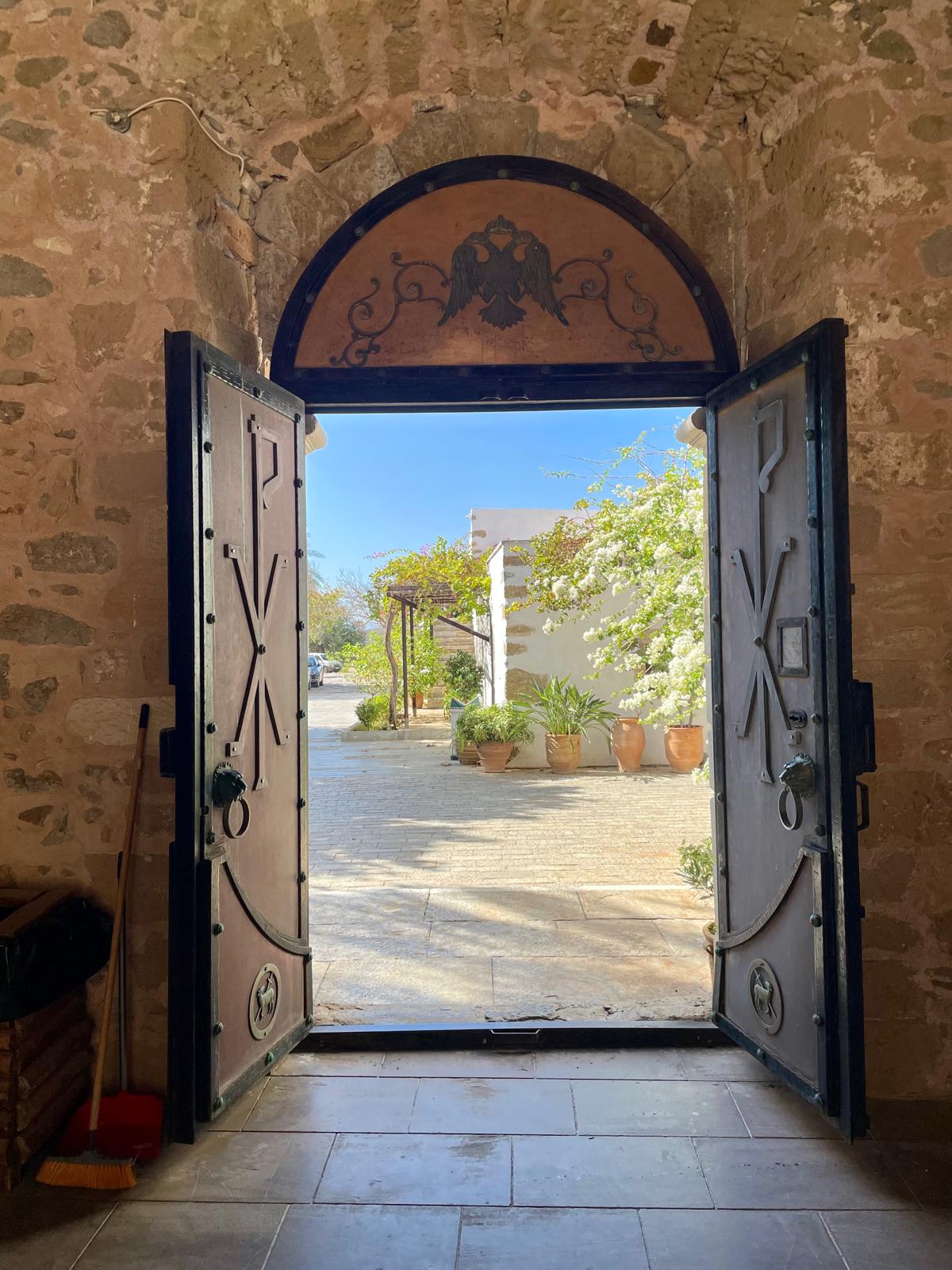
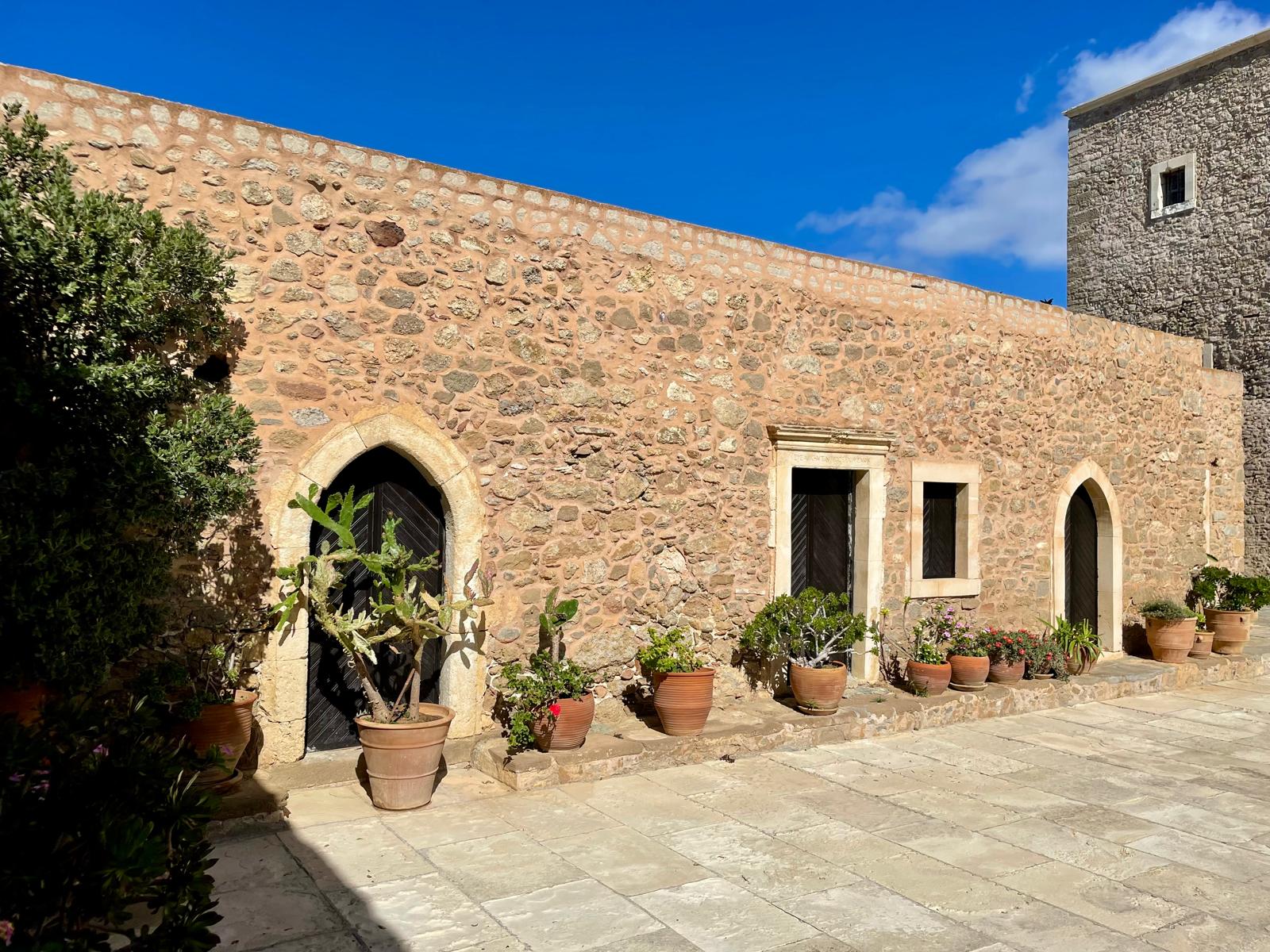
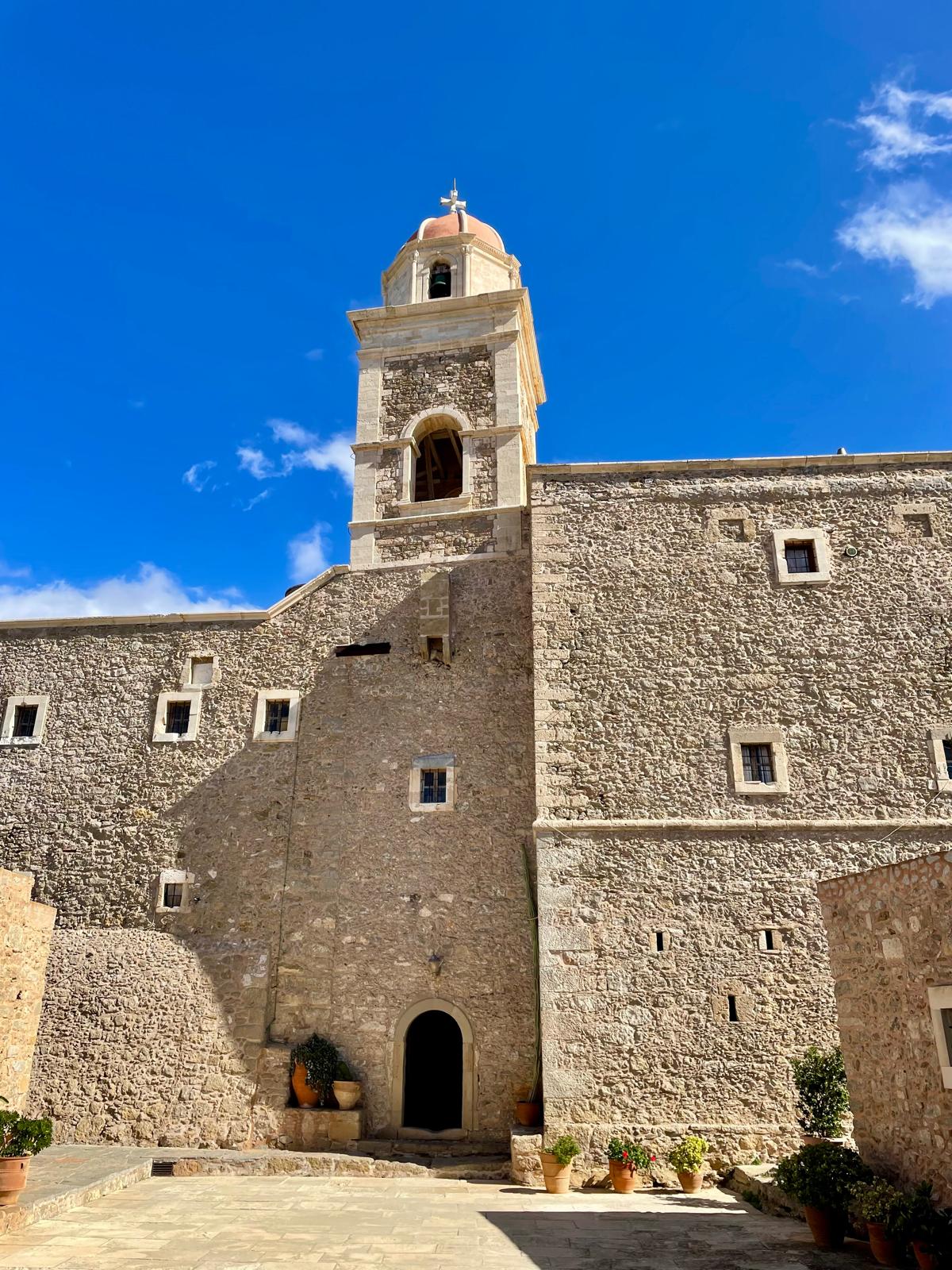
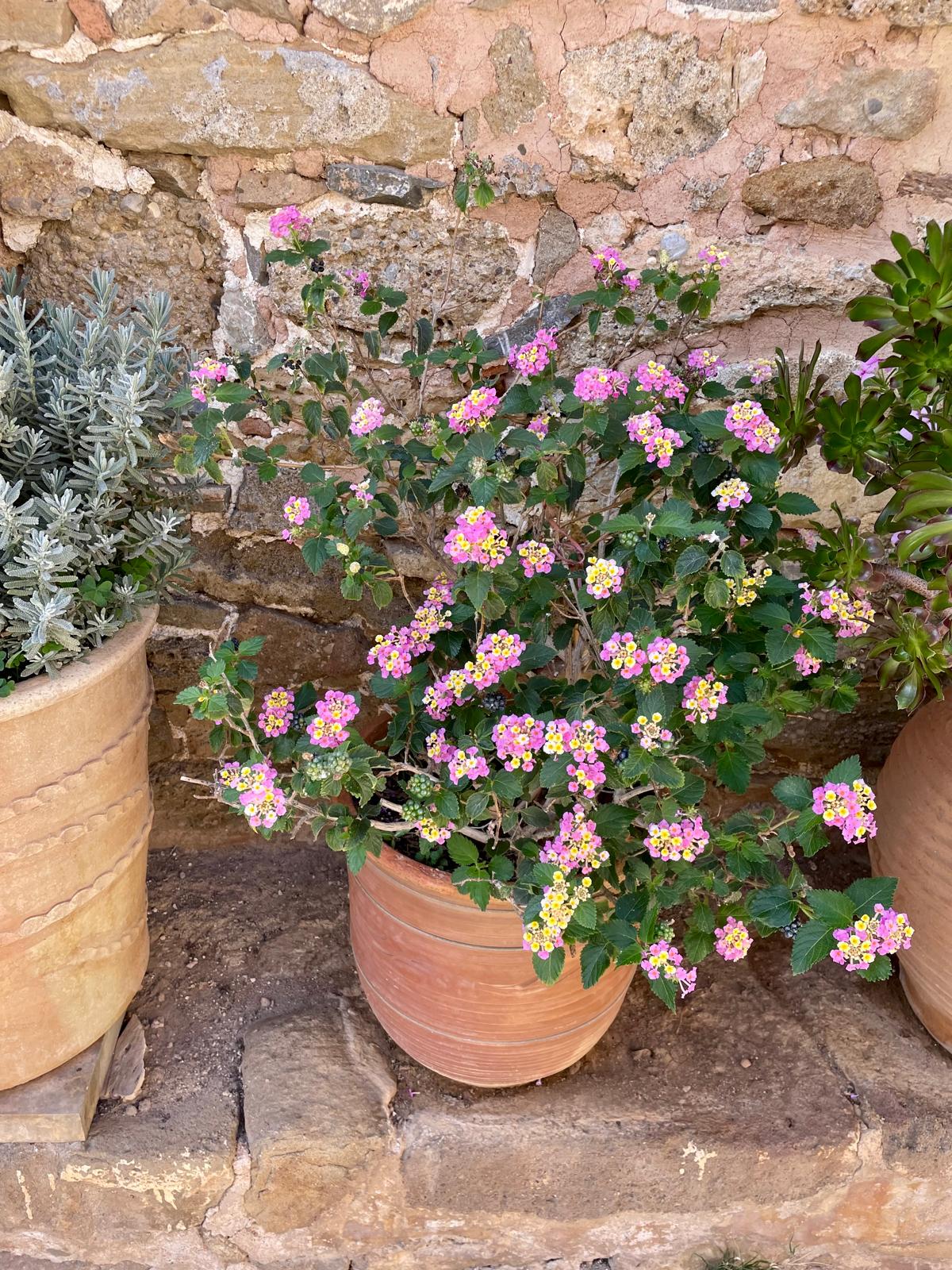
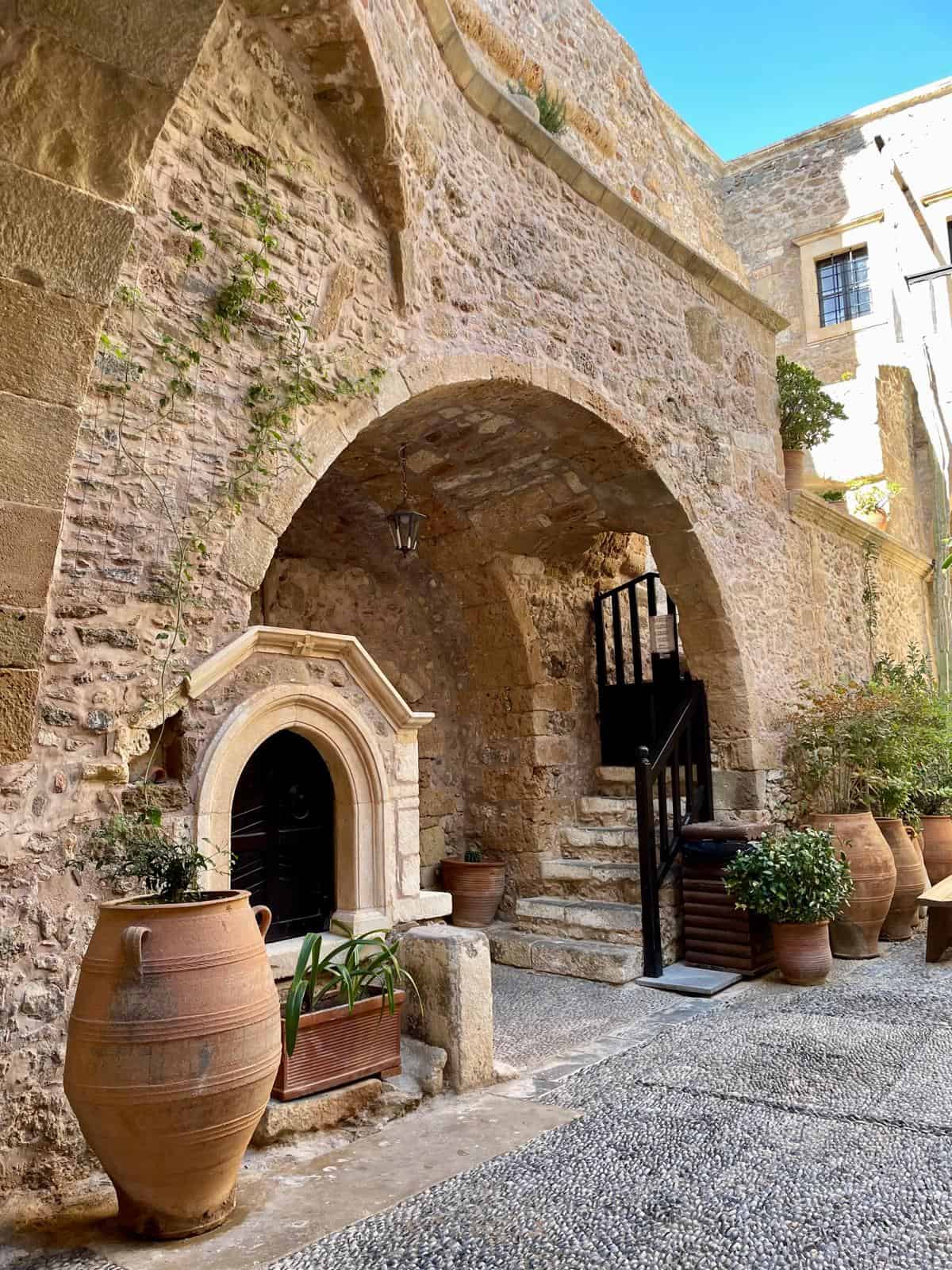
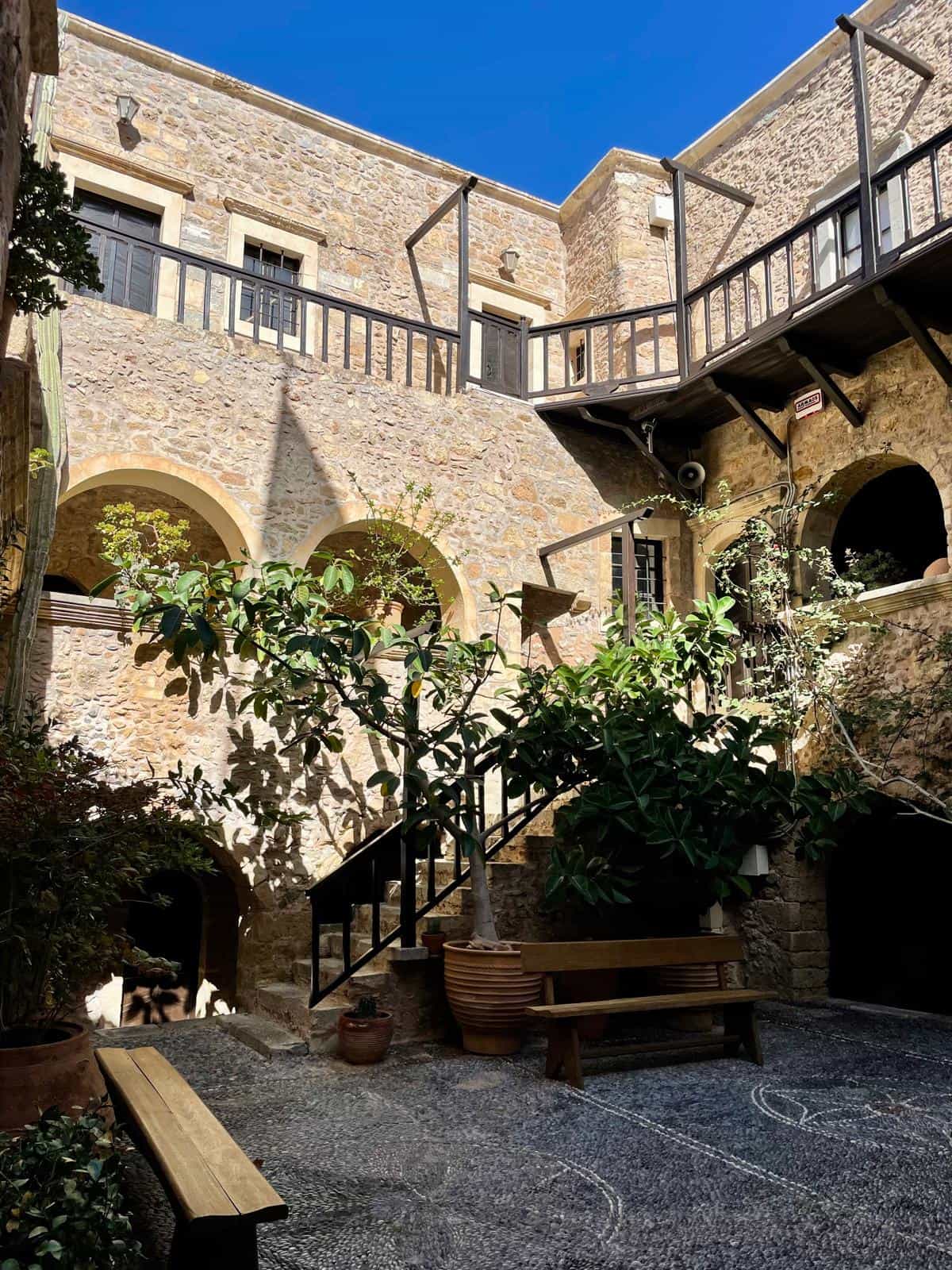
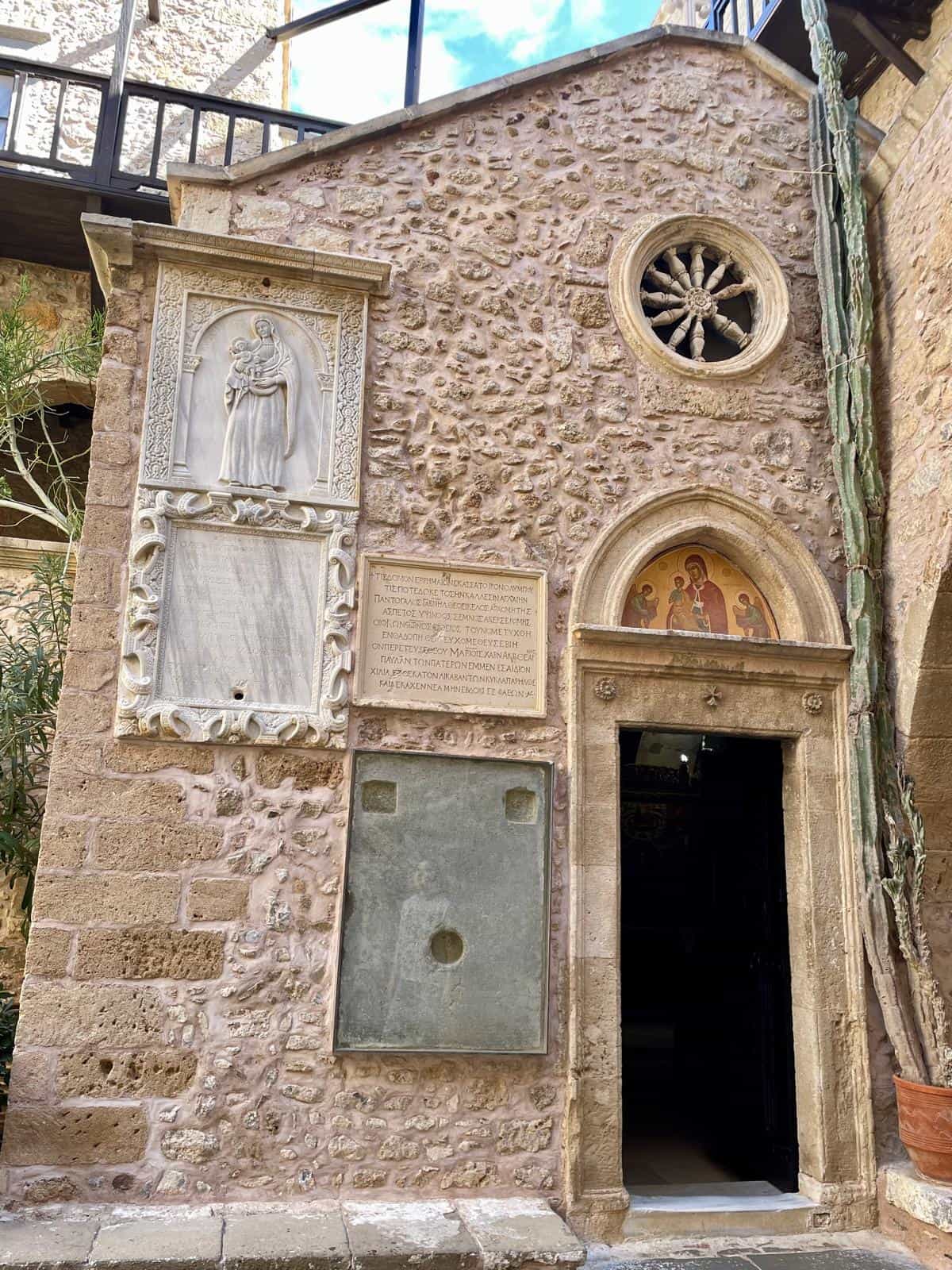
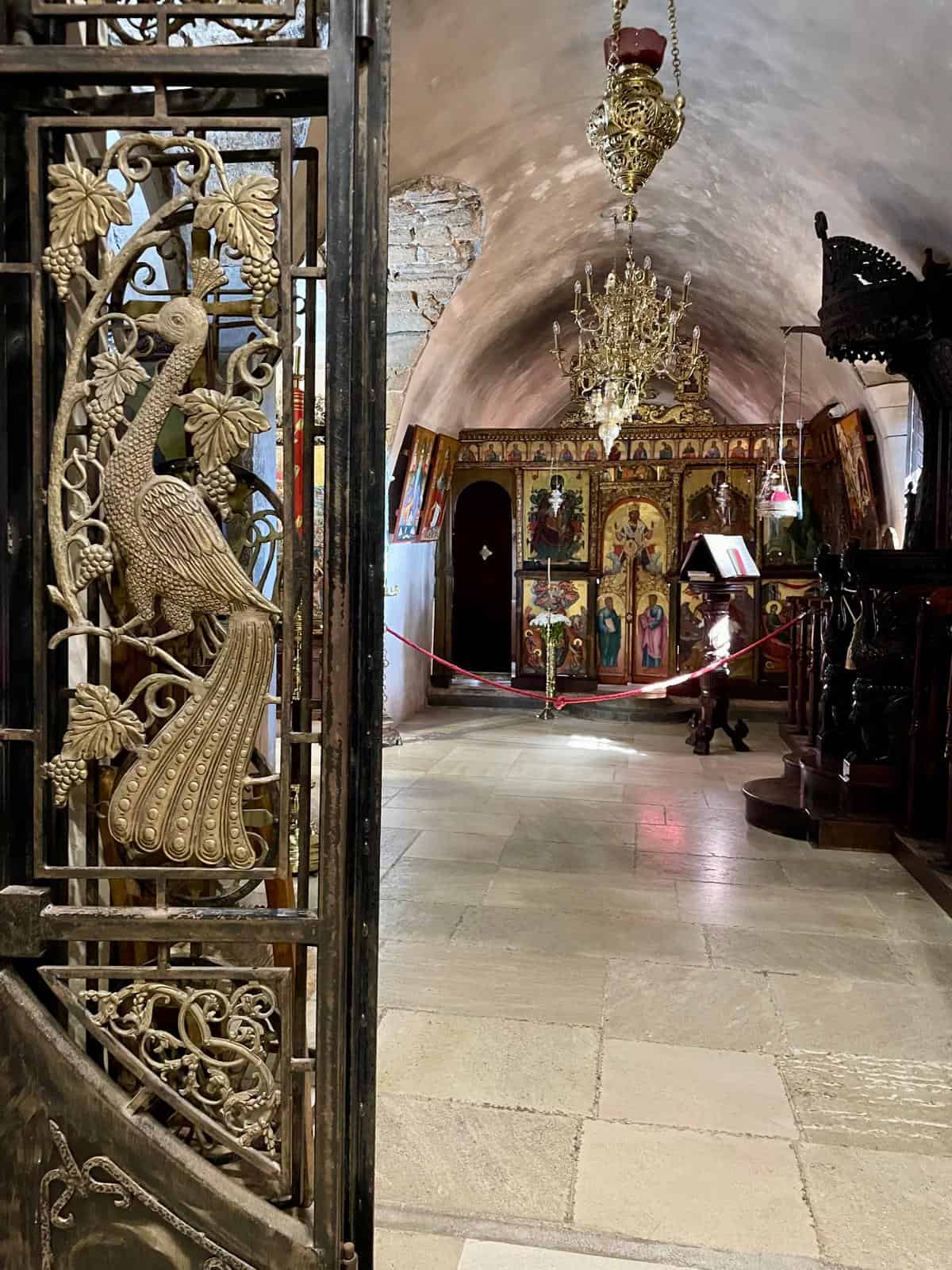
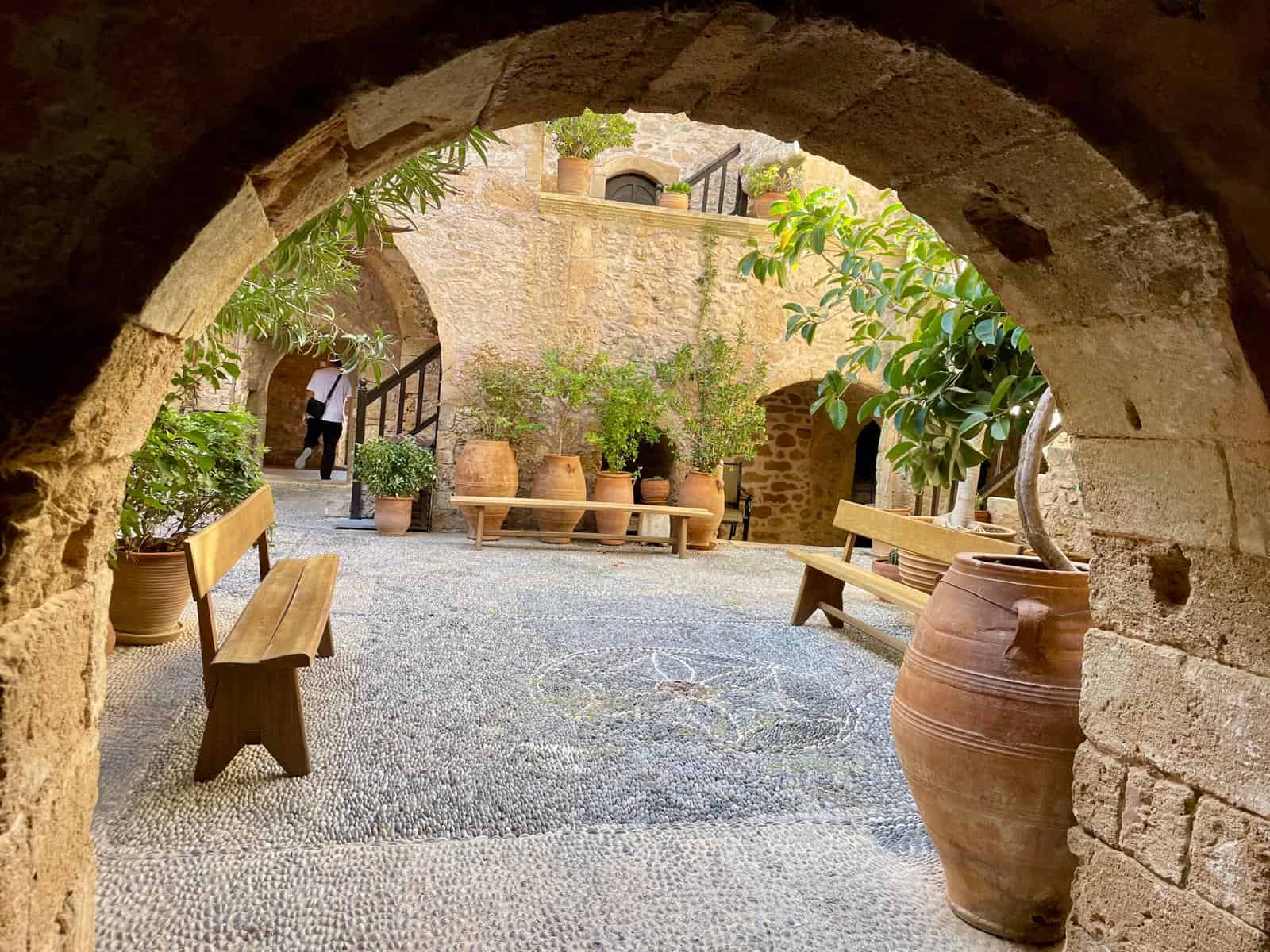
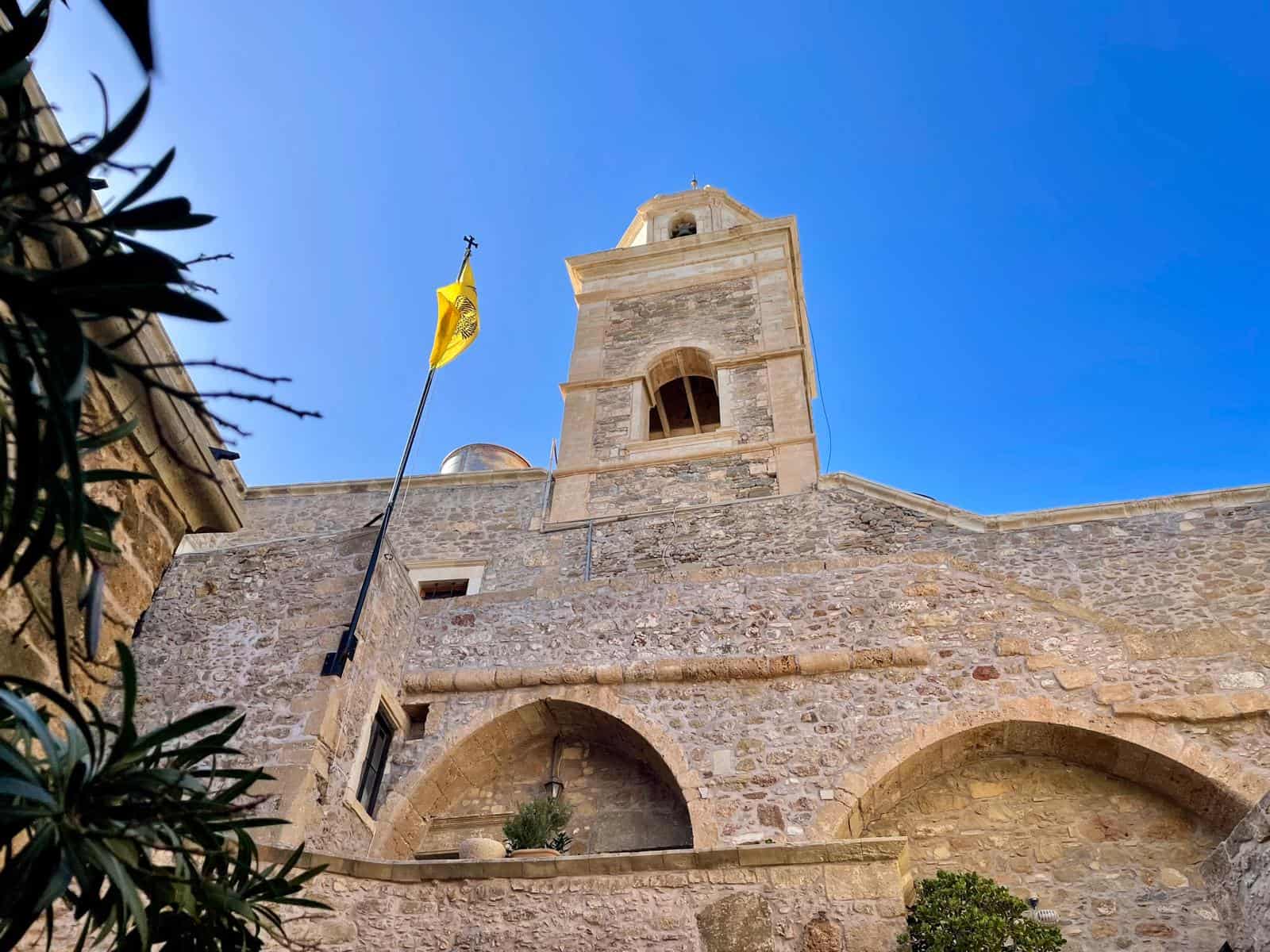
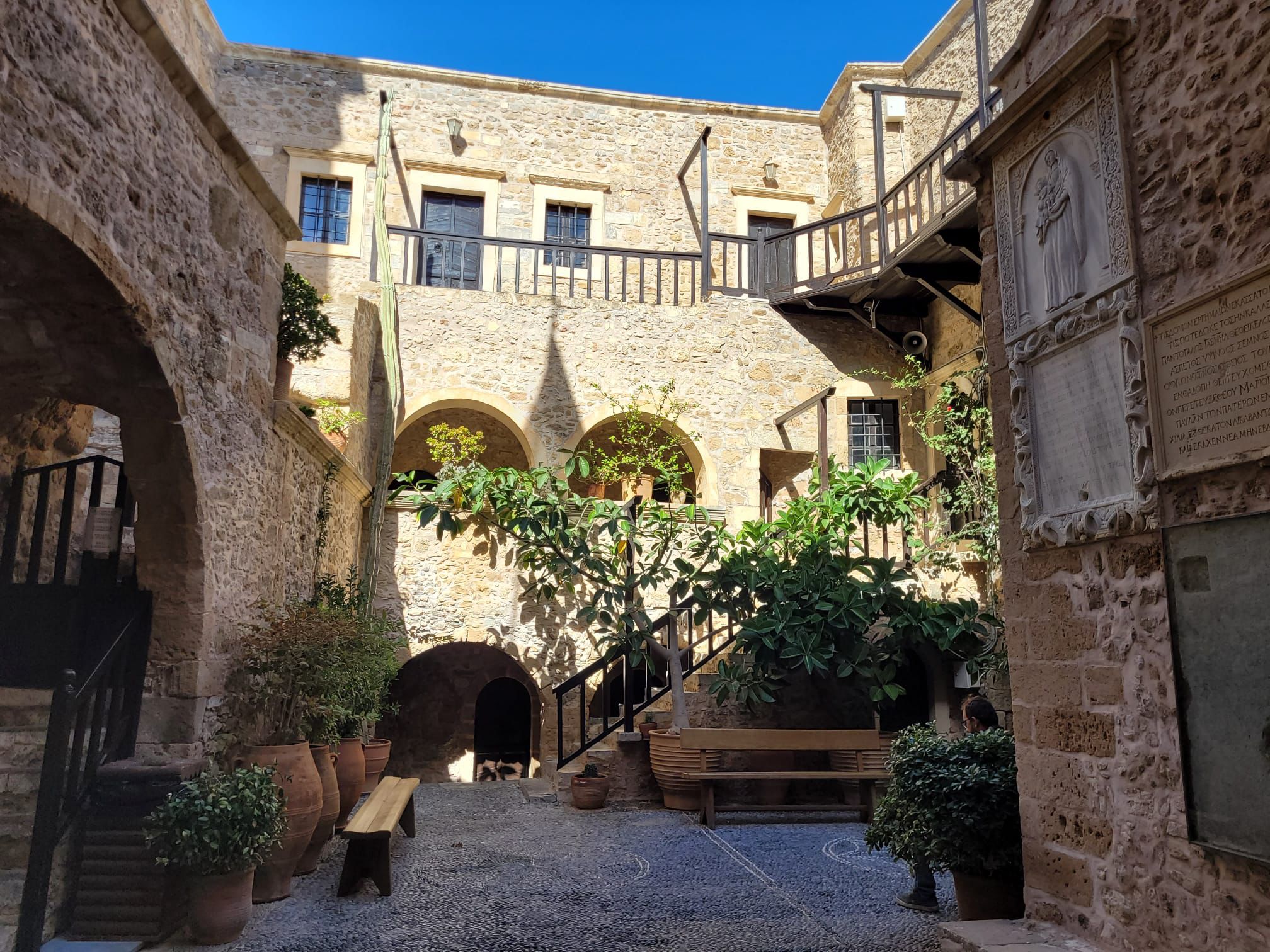
When visiting the monastery, it is worth remembering its defensive character. The entrance consists of two separate gates — a decorative one and a defensive one — separated by a small courtyard. Above the courtyard and surrounding buildings rises a 33 metre high Renaissance bell tower built in the 17th century. The main courtyard is paved with pebbles and decorated with pots of fragrant flowers. It is surrounded by stone buildings with wooden galleries leading to the monks’ cells and communal rooms — the kitchen, dining hall and storerooms. At the centre stands the monastery church. The church is adorned with stone plaques, including one with an inscription from 132 BC (an ancient document known as the Arbitration of Magnesia). The small monastic church (katholikon) contains beautiful 14th century frescoes and 18th century icons. The most precious of them are said to be kept out of sight, stored in the sacristy — including the famous icon “Great Are You, O Lord” painted by Ioannis Kornaros in 1770, composed of dozens of miniature biblical scenes. The monastery also houses a museum presenting its long history. Visitors can see engravings, documents, old Bibles, crosses and seals. There is also an exhibition dedicated to the monastery’s role in the Cretan struggle for independence in the 19th century and during the Nazi occupation. The monks continue traditional agriculture. A restored 19th century windmill at the entrance symbolises this heritage. Today, the monastery’s agricultural estate is far more modern than it appears. Under the Toplou brand, the monks produce olive oil, raki and wine — white (from Vilana and Thrapsathiri grapes) and red (from Merlot, Shiraz and Liatiko). Each year, the monastery’s vineyard produces tens of thousands of bottles, sold both in Greece and across continental Europe. Visitors can taste the wines in the nearby winery and purchase all monastery products and souvenirs. The monastery is open daily from 09:00 to 18:00. Admission costs a symbolic 3–5 euros. There is a small free car park in front. As in all religious sites on Crete, visitors should dress appropriately. Toplou Monastery is located about 15 minutes from Vai Palm Beach (gr. Παραλία Βάι). On 26 September, the monastery celebrates its feast day, marked by a large festival attended by pilgrims from all over Crete.
Mnisi z klasztoru zajmują się tradycyjnym rolnictwem. Ich tradycje rolnicze symbolizuje odrestaurowany, XIX – wieczny wiatrak, znajdujący się przed wejściem do monastyru. Współczesne gospodarstwo klasztorne jest dużo bardziej nowoczesne niż się wydaje. Pod marką Toplou mnisi produkują oliwę, raki oraz wino (białe z odmian vilana i thrapsathiri, oraz czerwone z odmian merlot, shiraz i liatiko). Każdego roku klasztorna winnica produkuje kilkadziesiąt tysięcy butelek, trafiających nie tylko na greckie stoły i na rynki kontynentalnej Europy. Win klasztornych można skosztować w winiarni znajdującej się nieopodal klasztoru. Można tam także kupić wszystkie produkty klasztorne i pamiątki z obiektu. Klasztor jest czynny codziennie od 09:00 do 18:00. Wstęp kosztuje symboliczne 3-5 Euro Przed klasztorem znajduje się niewielki, bezpłatny parking. Odwiedzając klasztor, podobnie jak inne religijne budowle na Krecie, trzeba ubrać się odpowiednio. Klasztor Toplou do palmowej plaży Vai (gr. Παραλία Βάι) dzieli około 15 minut drogi… W dniu 26 września klasztor świętuje, odbywa się wielki festyn, na który przyjeżdżają wierni z całej Krety.
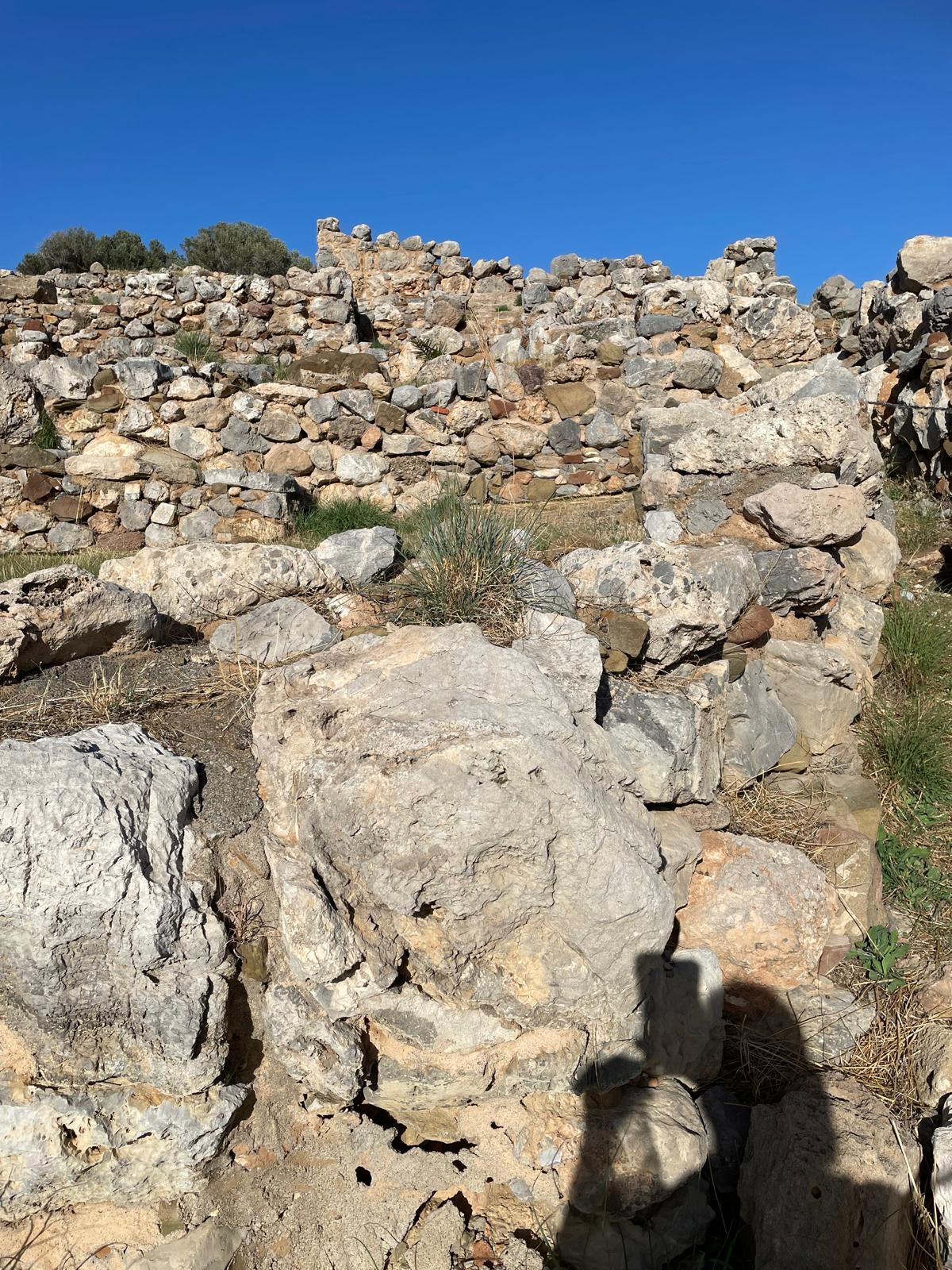
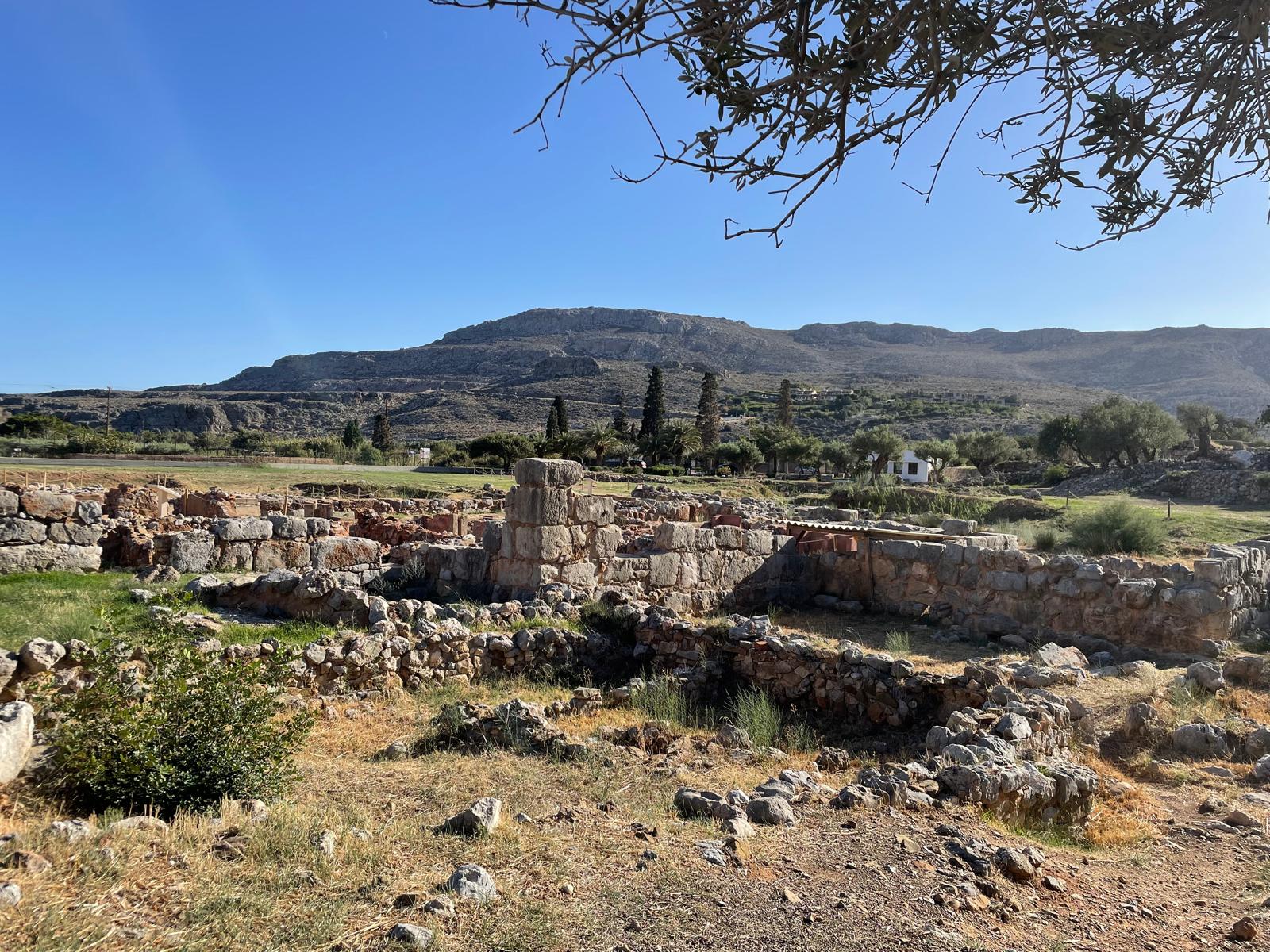
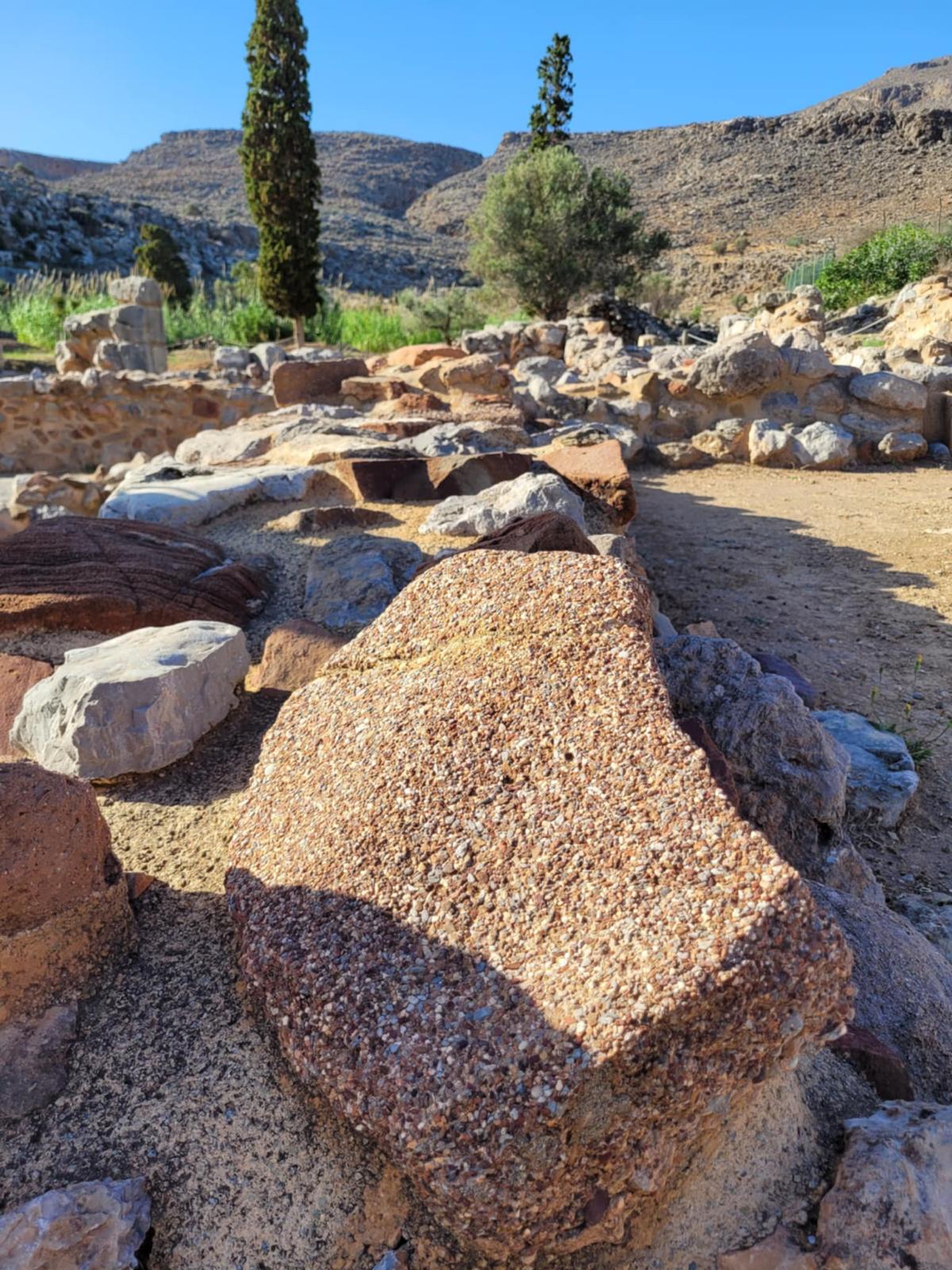
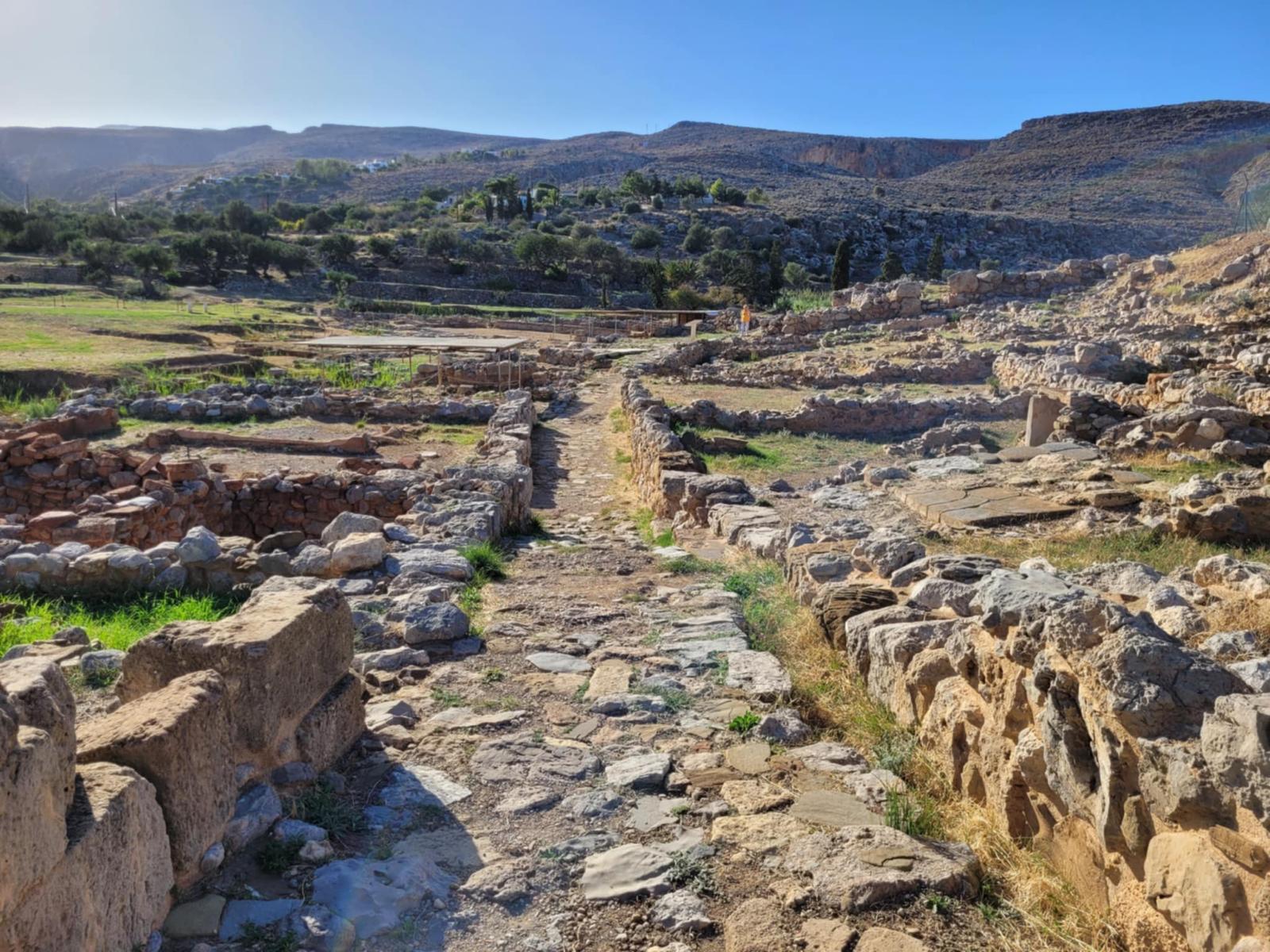
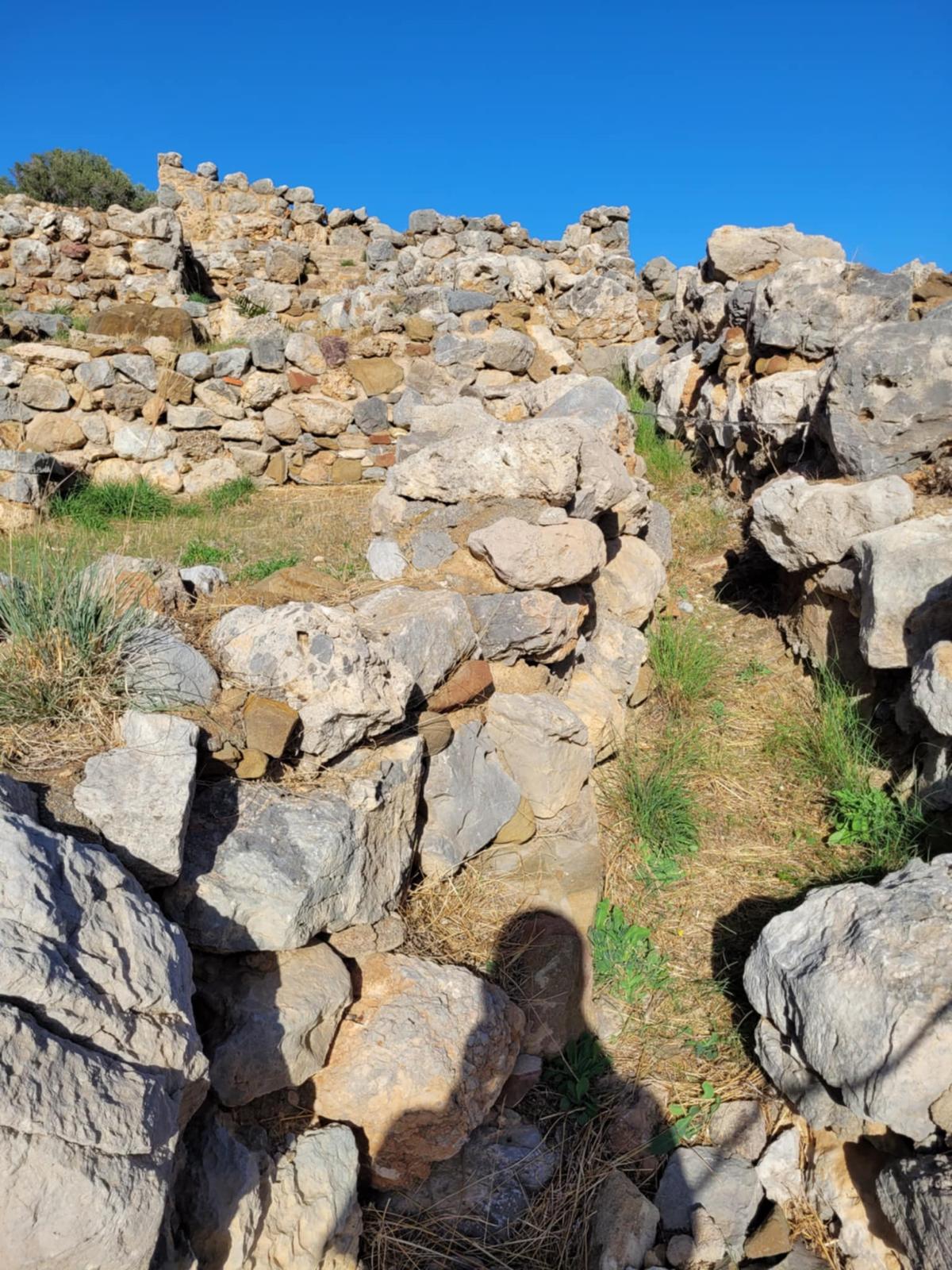
Kato Zakros is a charming fishing village located in a beautiful Mediterranean bay in the southeastern part of Crete. The drive by car through mountain serpentines and gorges offers unforgettable views and many natural and cultural surprises. In its heyday, Kato Zakros was an important centre of trade with Egypt and the East. At the beginning of the 20th century, excavations began here, during which the remains of a Minoan palace and the surrounding town were discovered. It is believed that the palace had around 300 rooms, including a temple, treasury, storerooms, royal chambers, administrative rooms and various workshops (of a blacksmith, goldsmith, stonemason, potter and perfume maker). Today, the entire archaeological site is open to visitors.
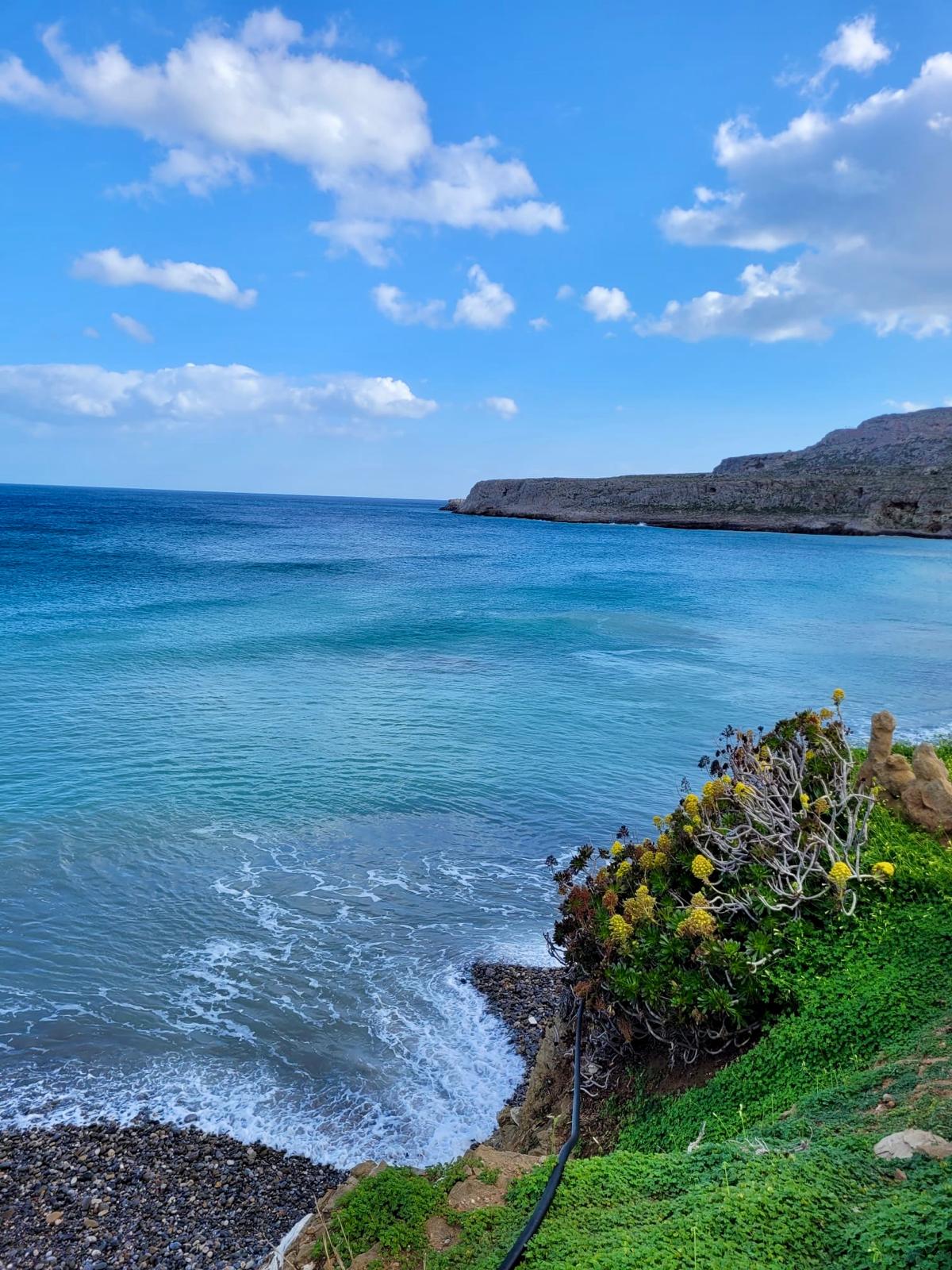
In the village of Kato Zakros, along the bay, there is a small, picturesque pebble and stone beach. The shoreline is lined with atmospheric tavernas serving traditional Greek food and small, cosy studios for rent.
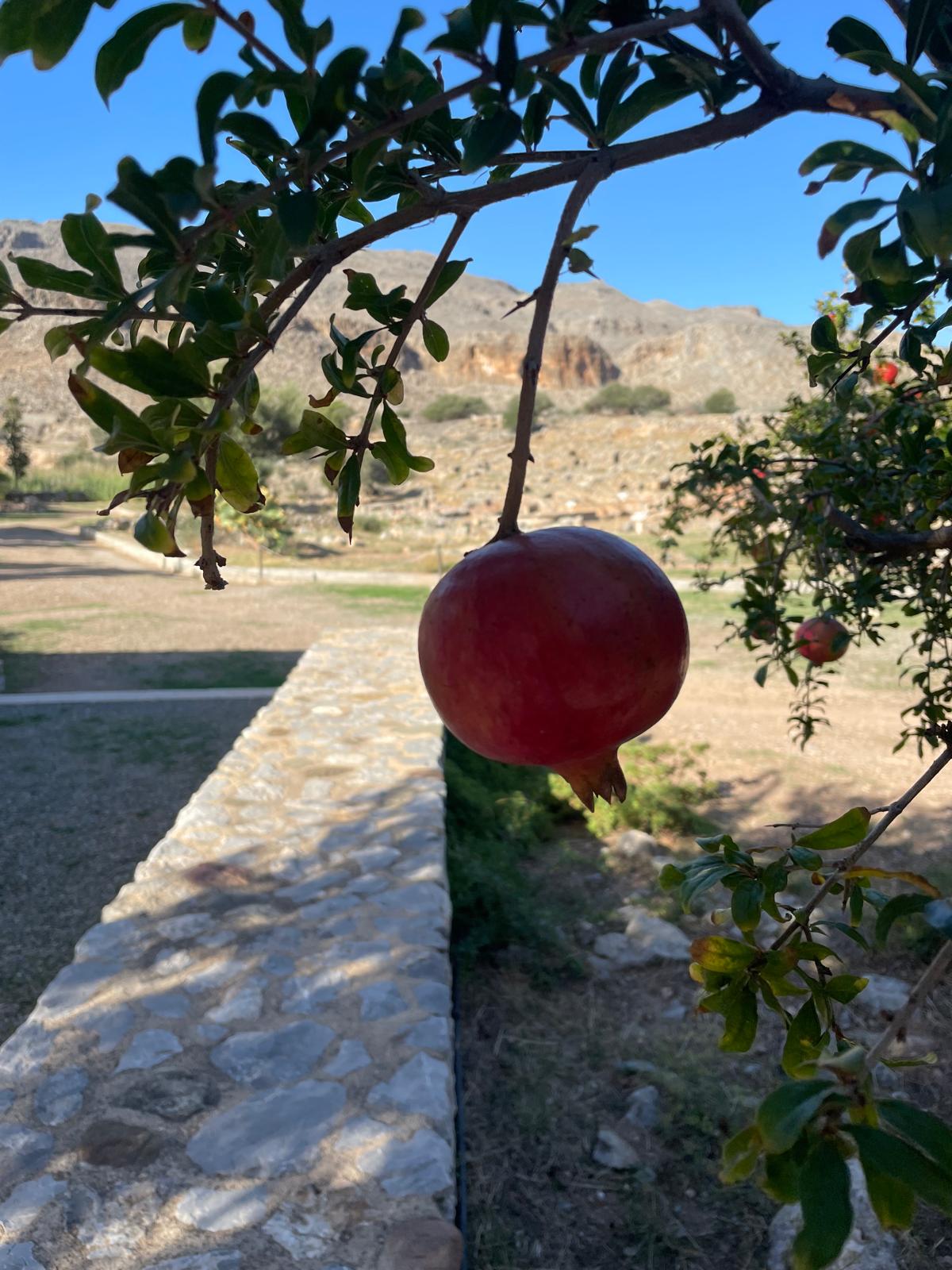
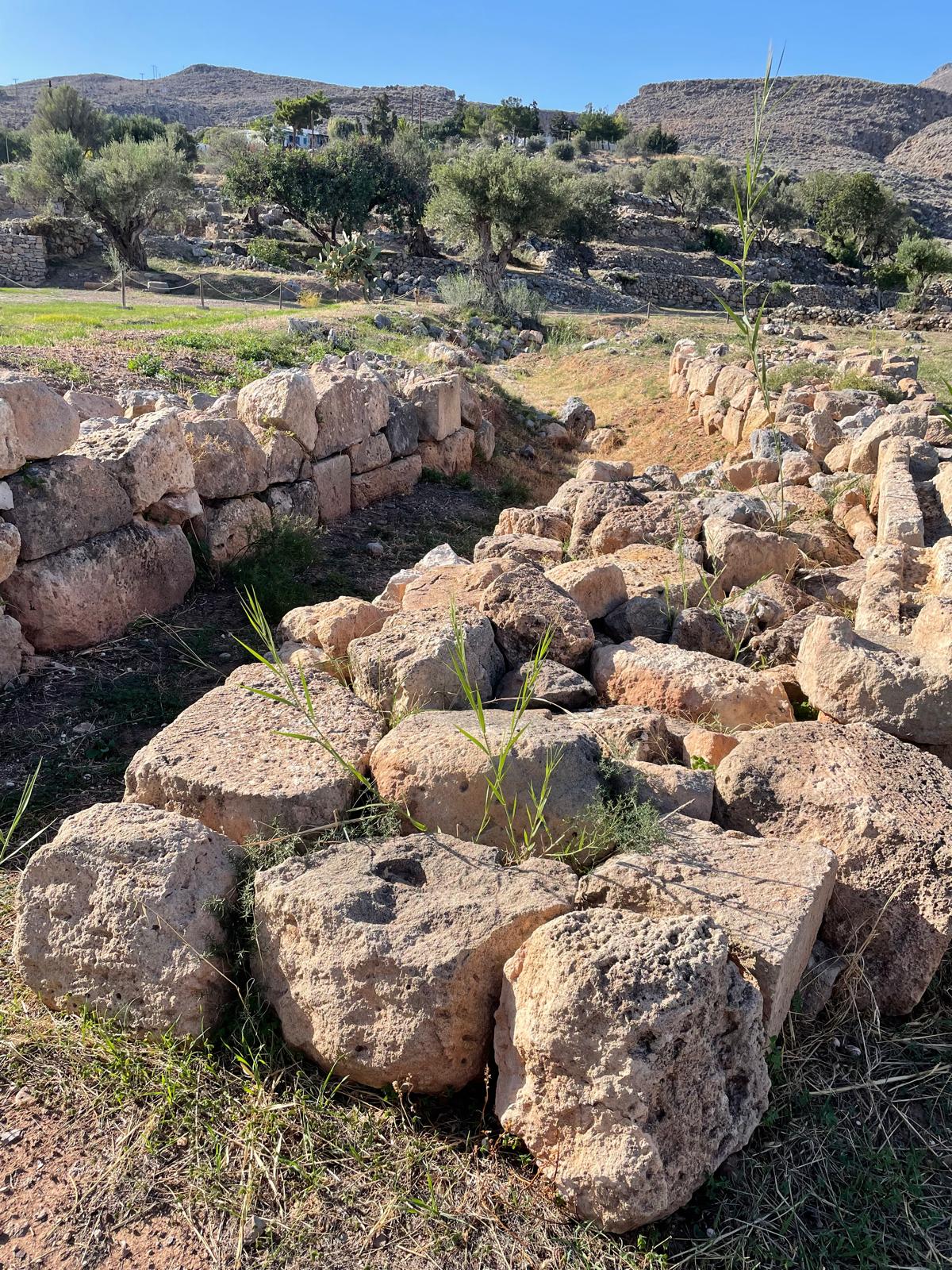
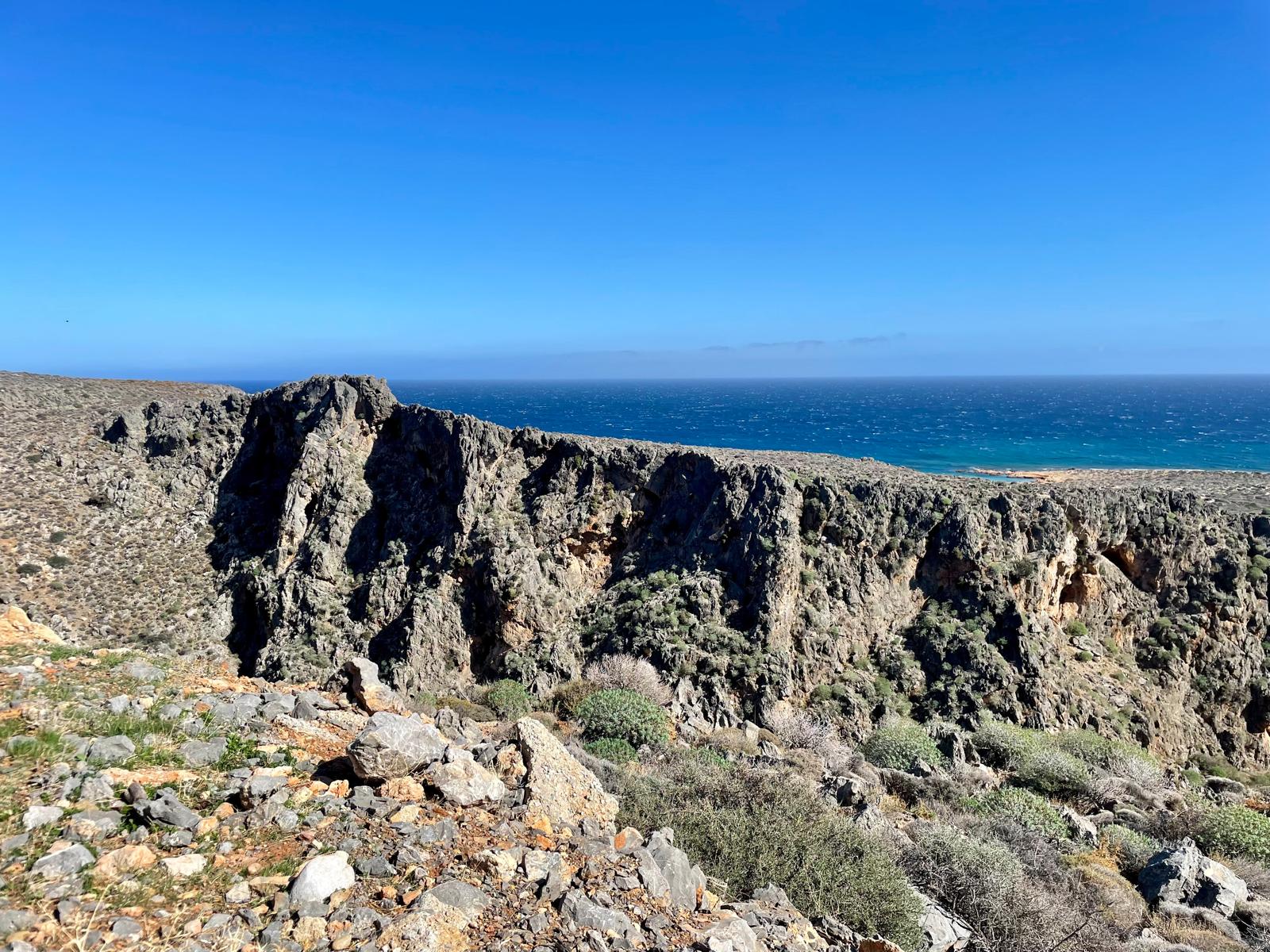
While in Kato Zakros, you can walk the trail through the Valley of the Dead. In Minoan times, the caves in the gorge were likely used as burial sites.
The route to Kato Zakros — through mountain paths, the ruins of the Minoan town and traditional tavernas — creates unforgettable impressions of Crete’s old and new traditions.
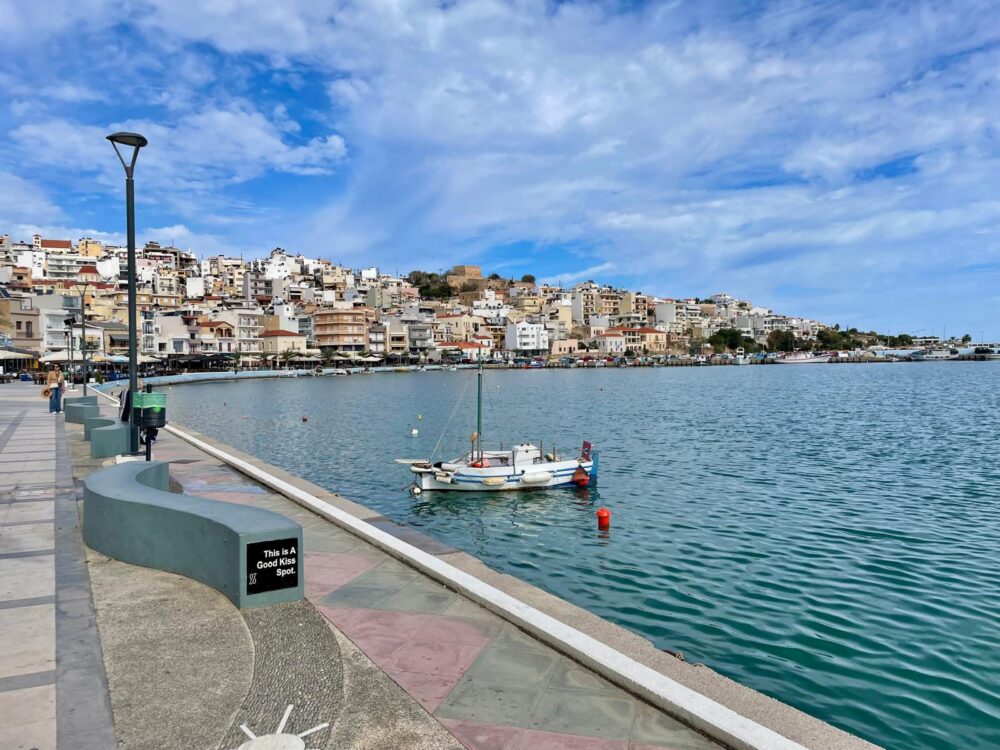
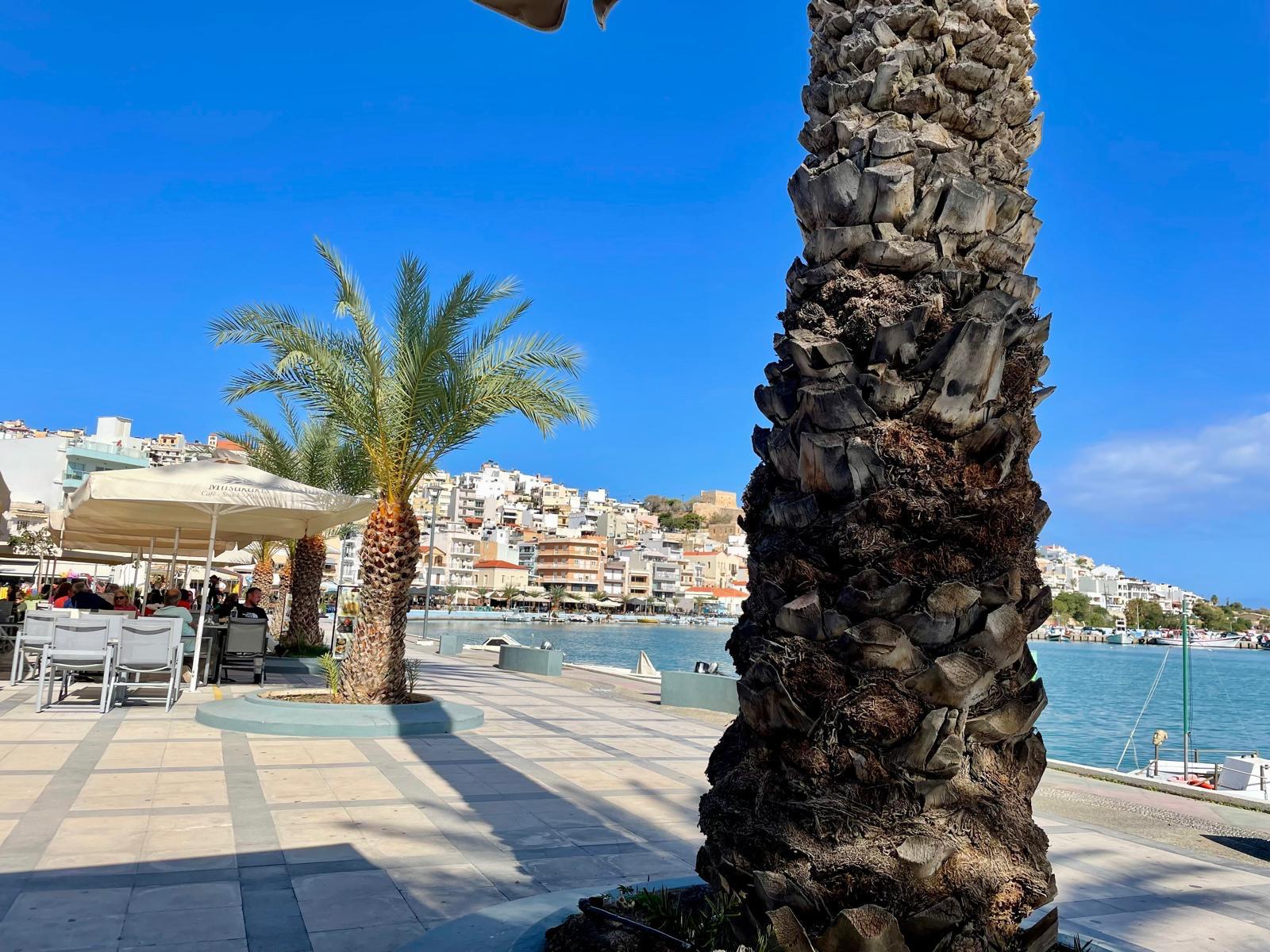
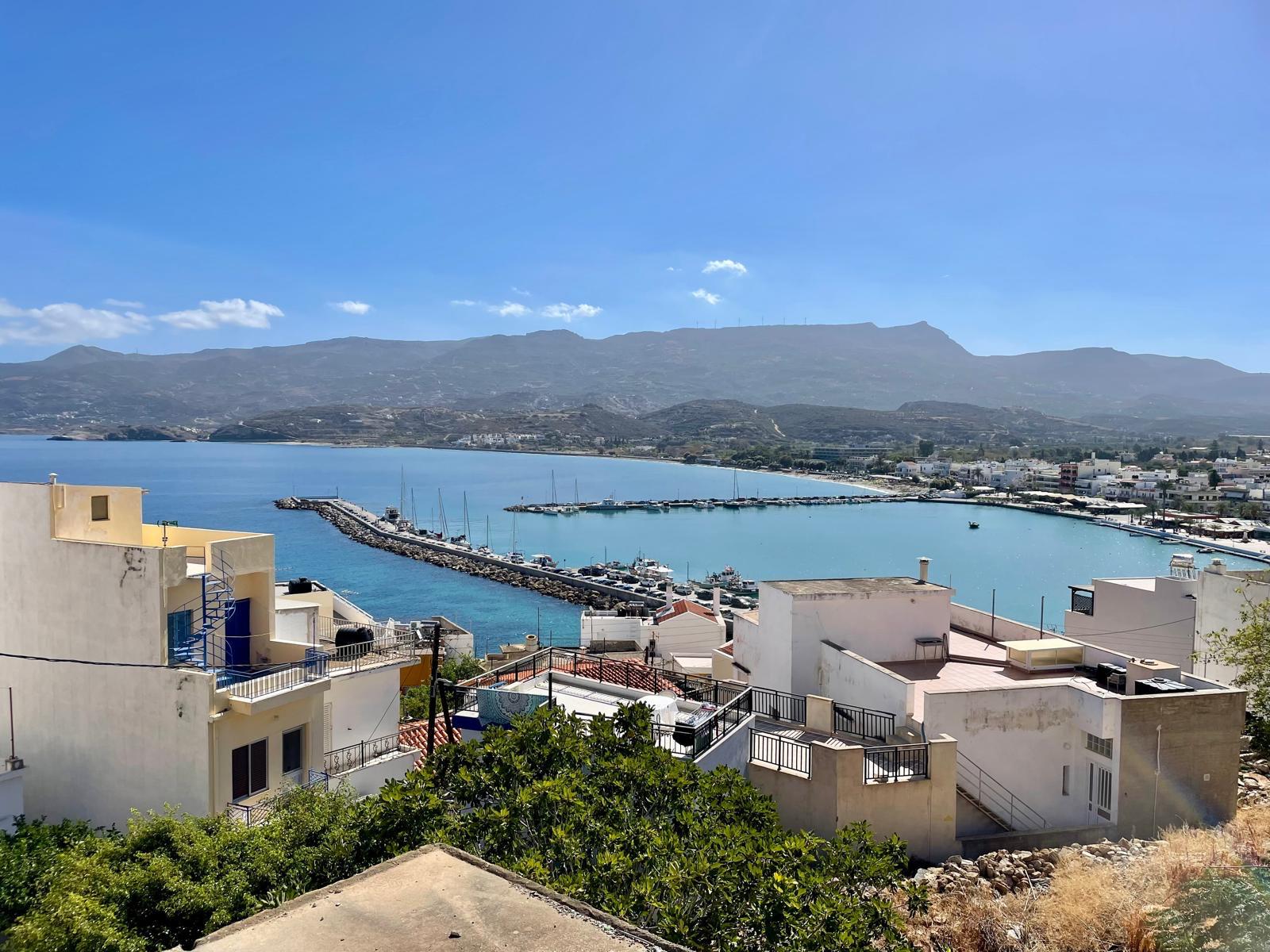
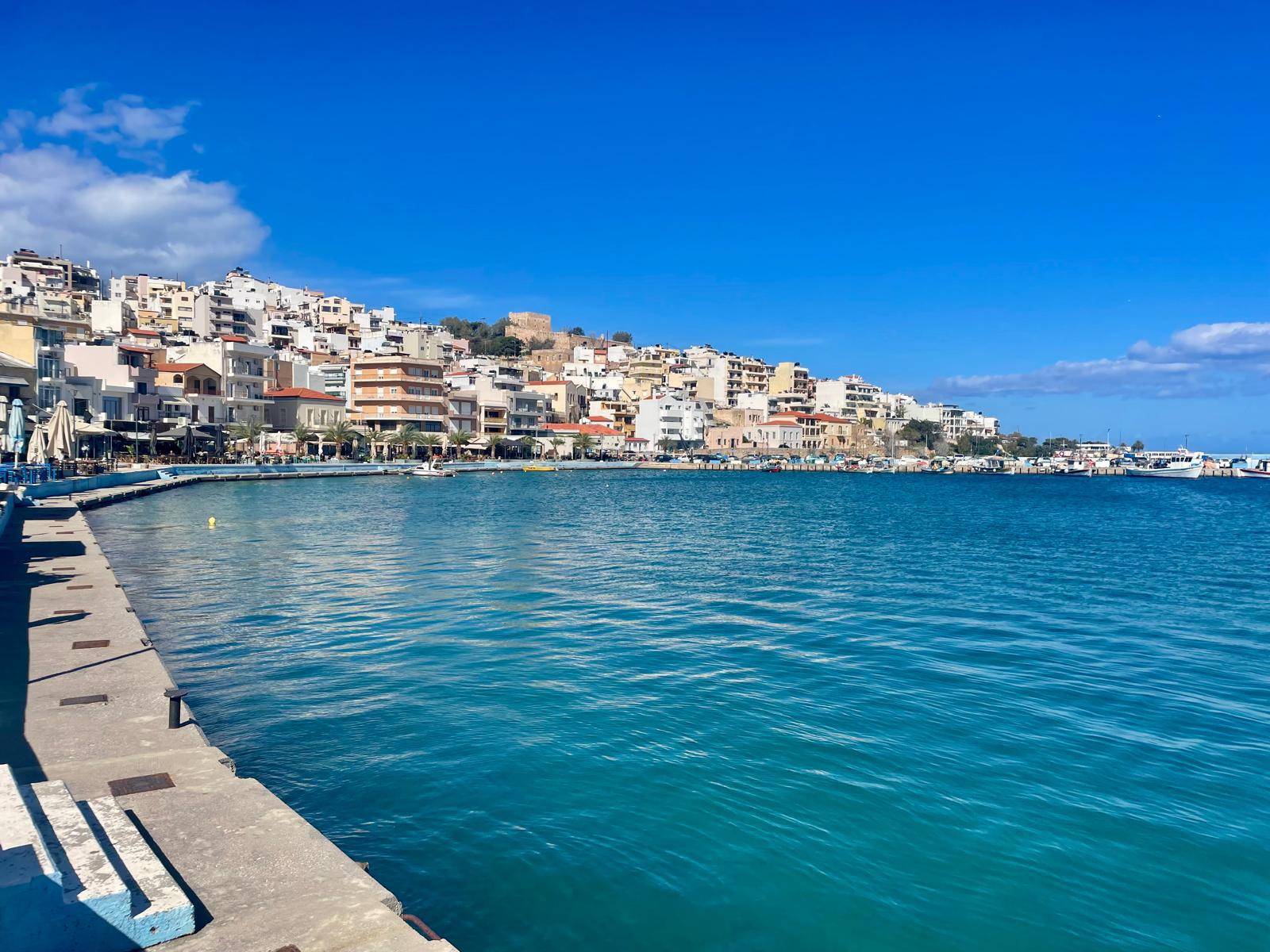
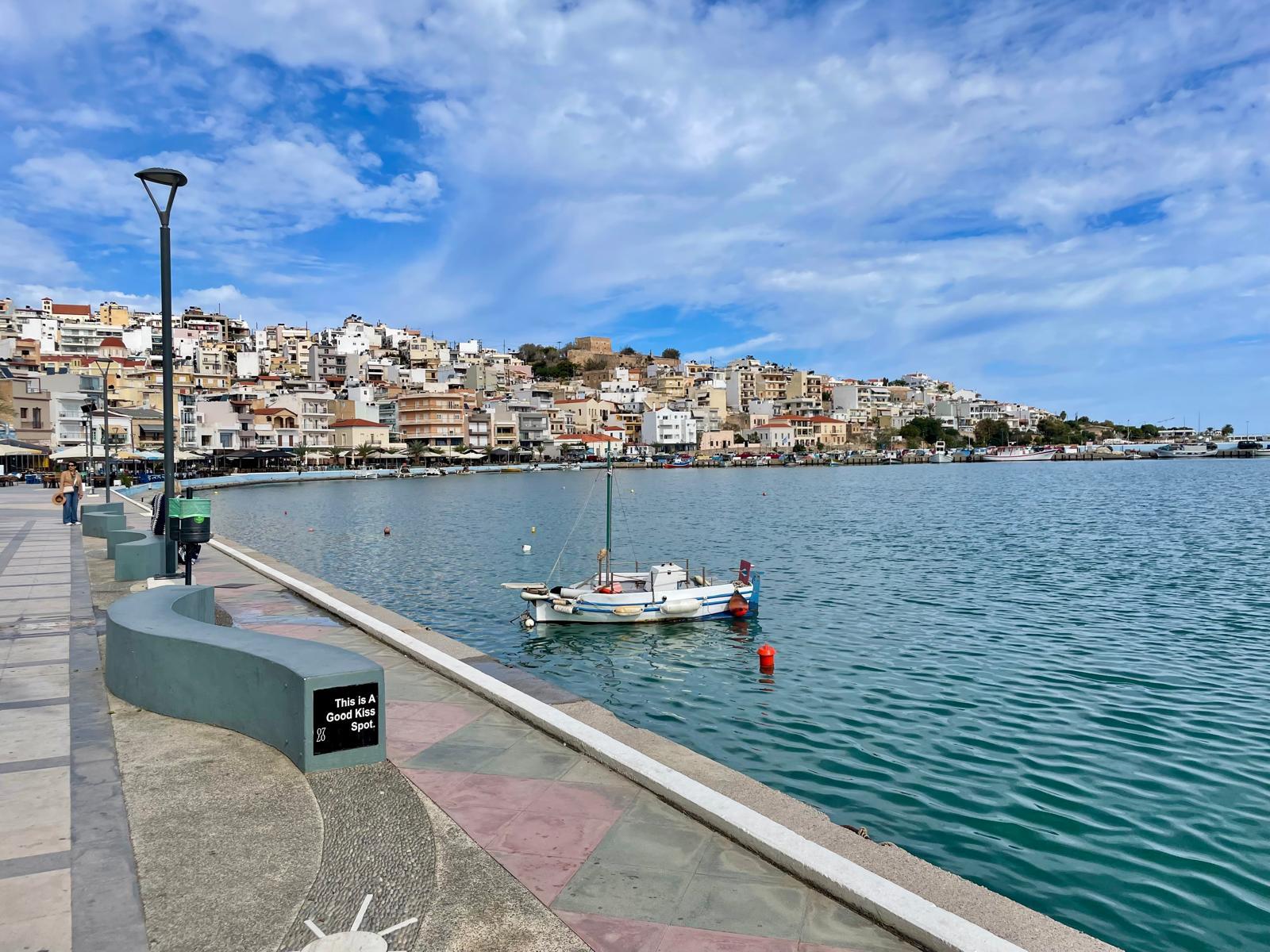
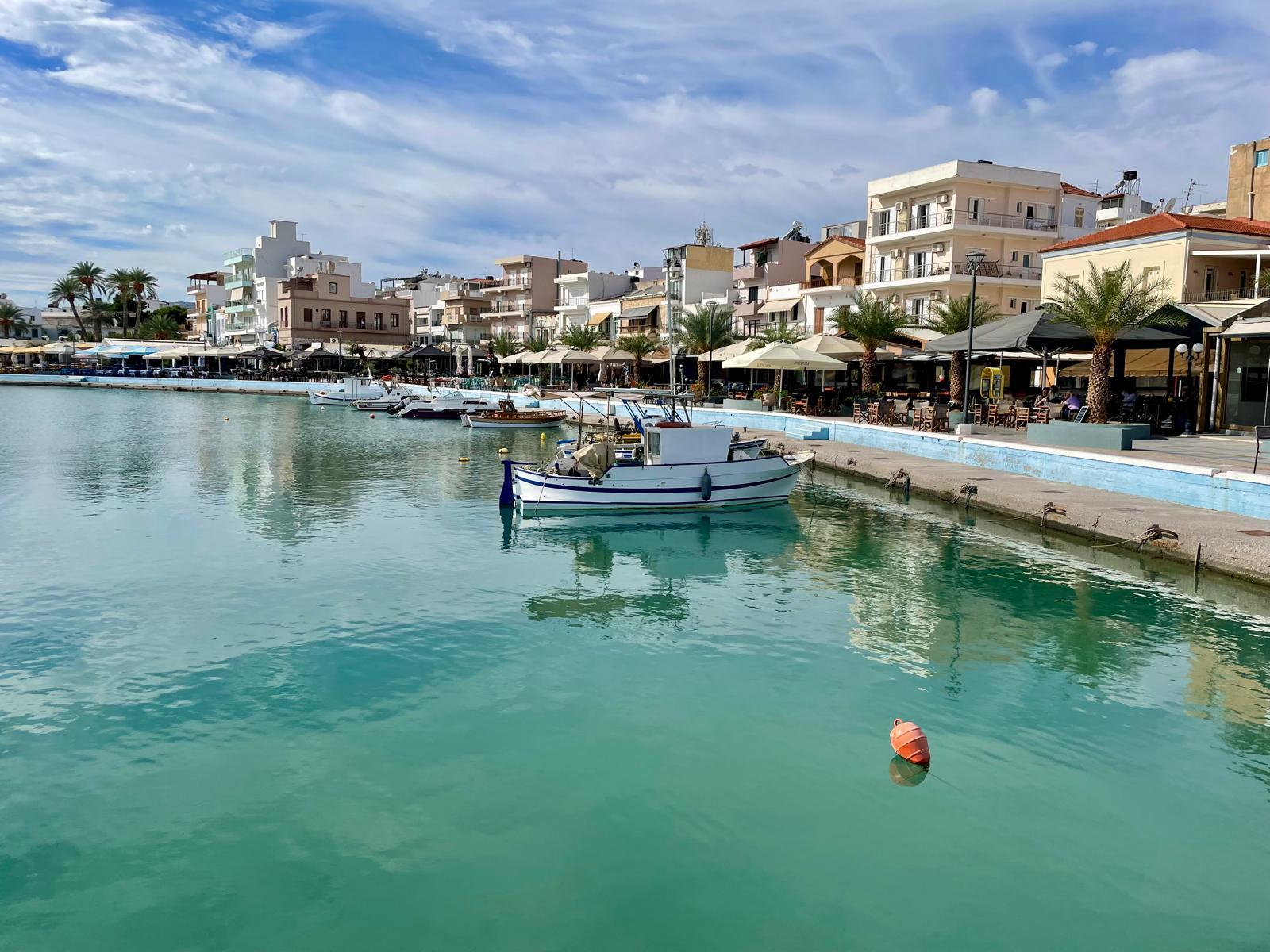
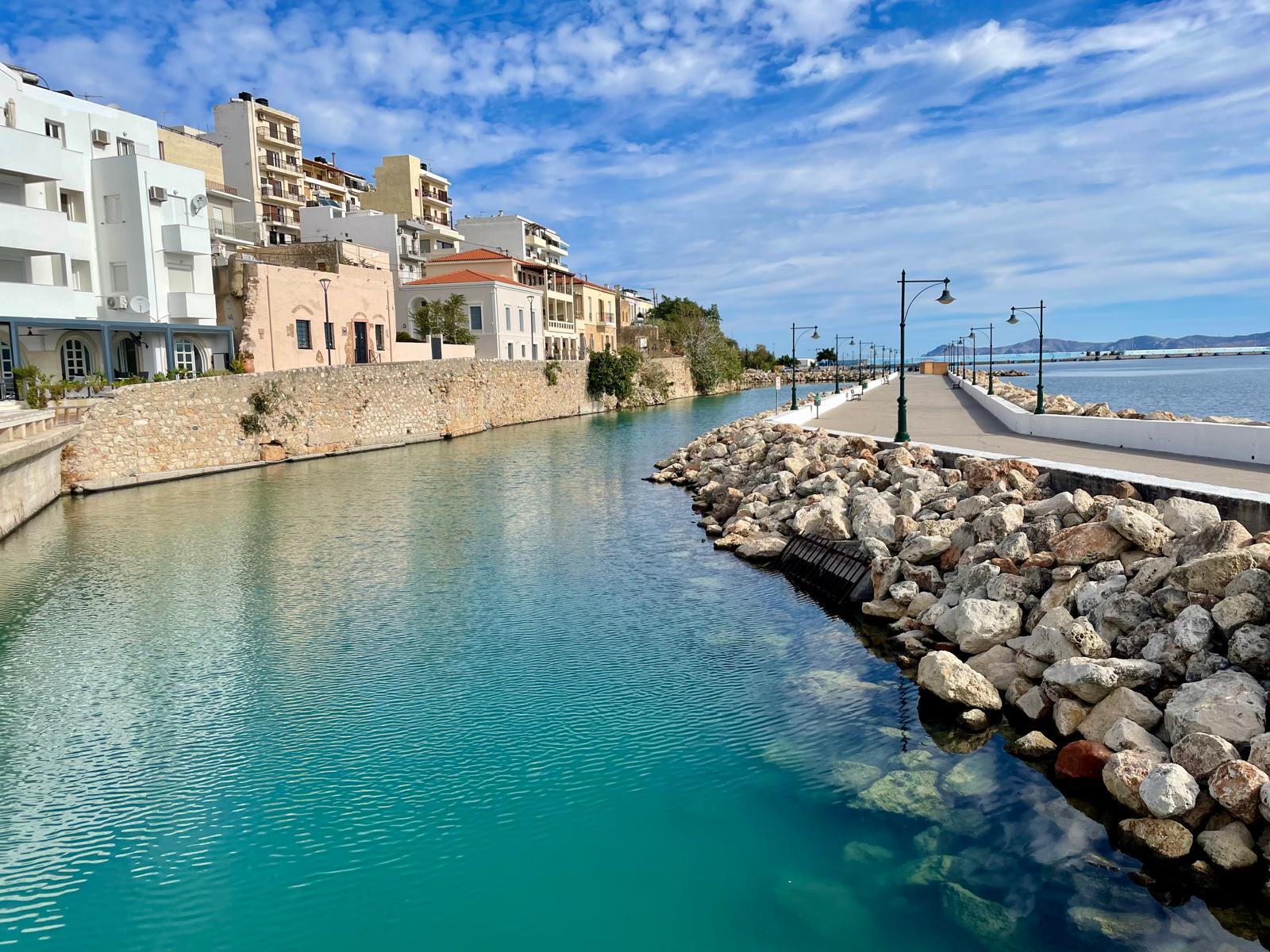
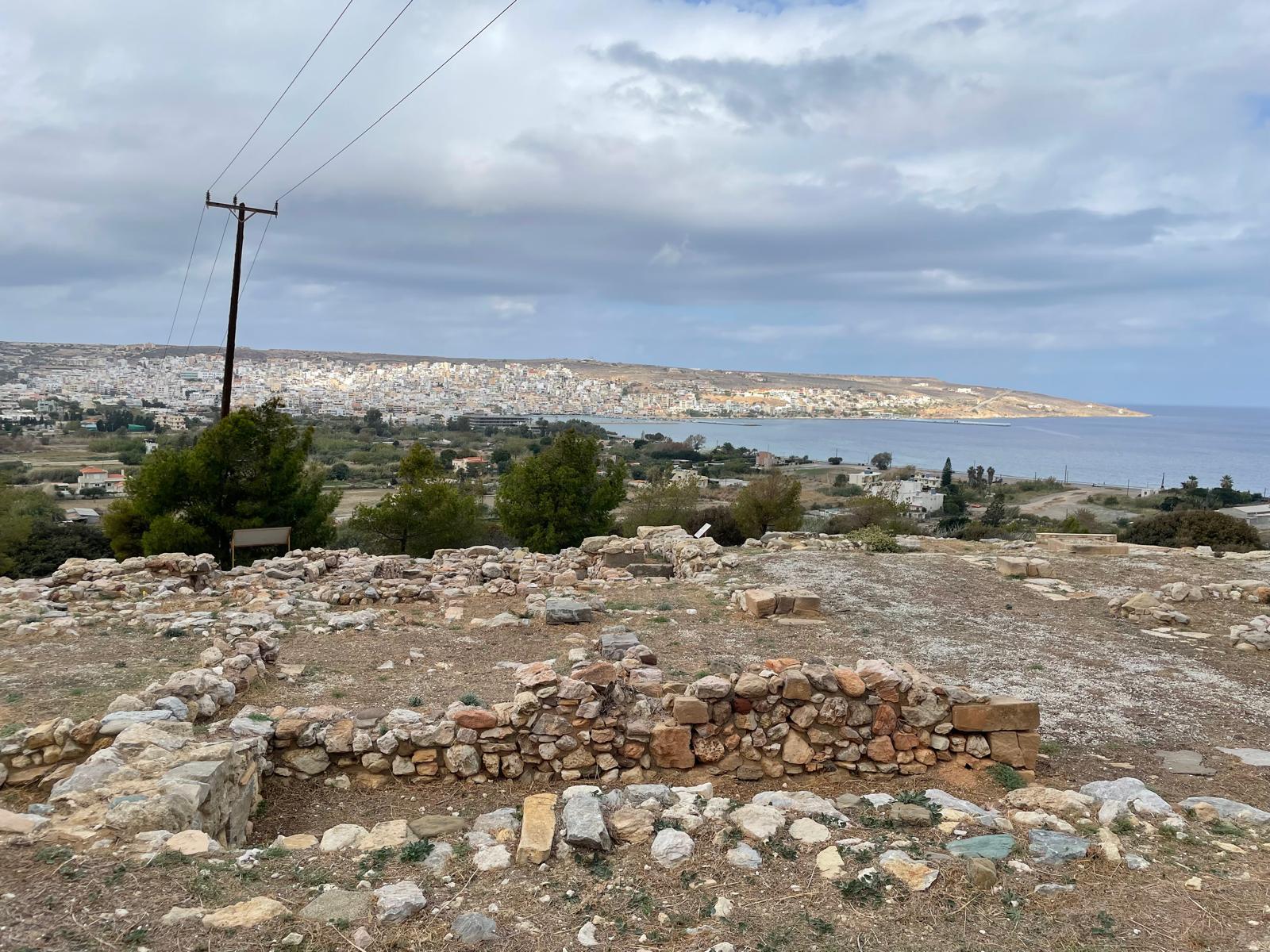
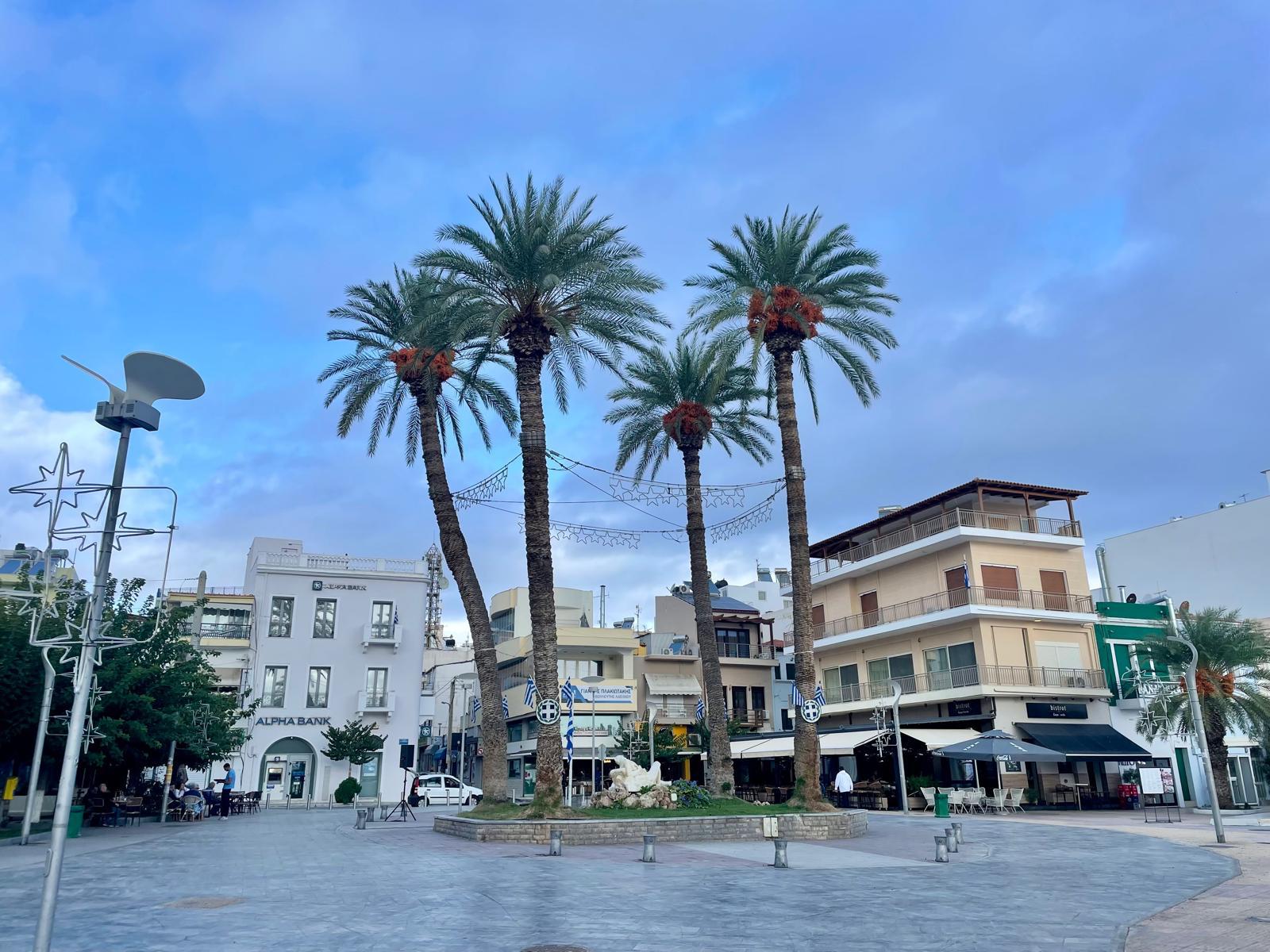
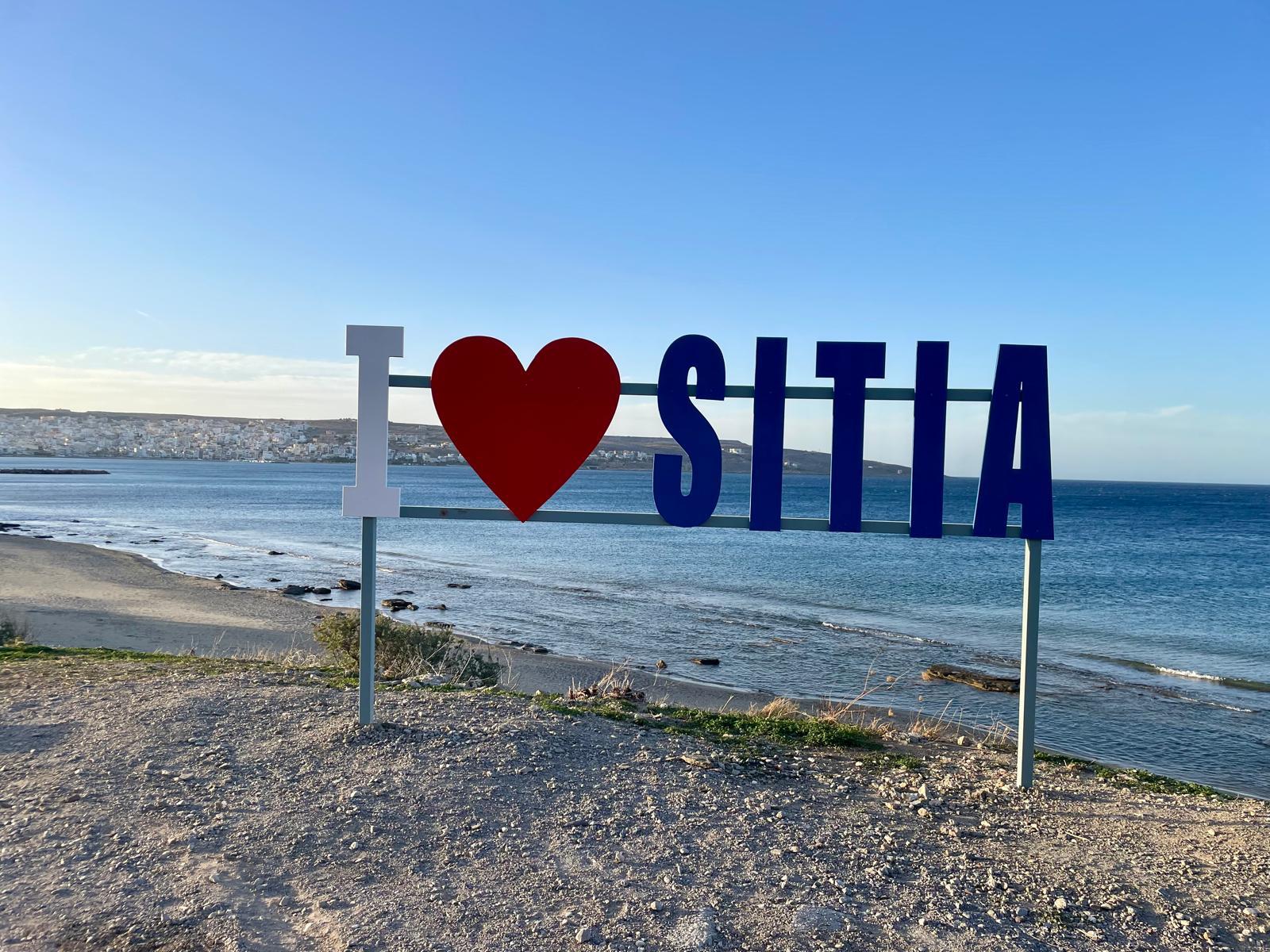
Sitia (Sitea) is a charming, intimate town located on the northeastern coast of Crete. It is a peaceful oasis, very different from the large, bustling cities of western Crete such as Heraklion, Rethymno or Chania. It is an ideal place for those who value tranquillity and a cosy, almost family like atmosphere. Strolling along the seafront promenade or enjoying coffee in seaside cafés feels different here than in the crowded tourist centres of the west. And interestingly… there is plenty to see.
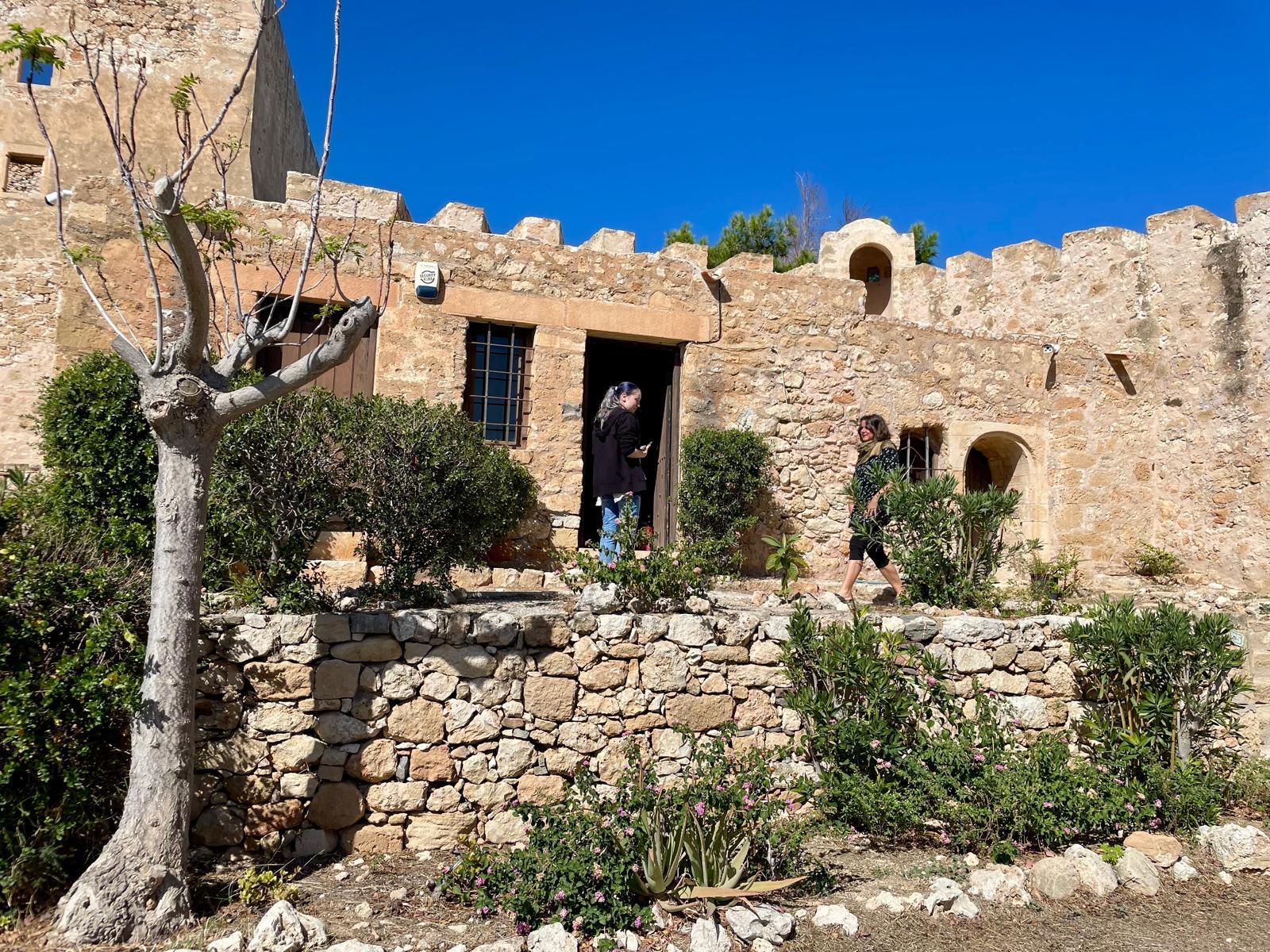
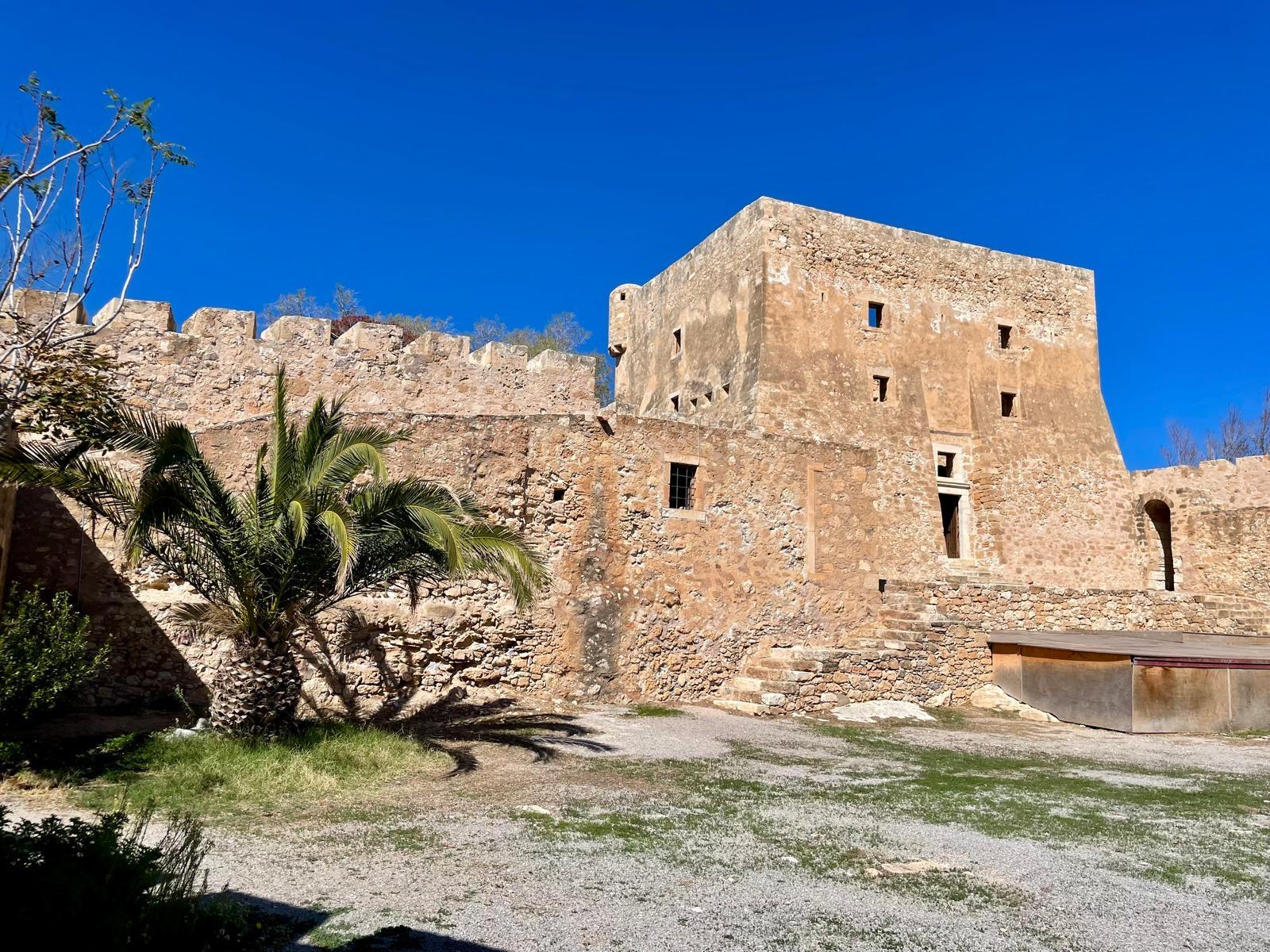
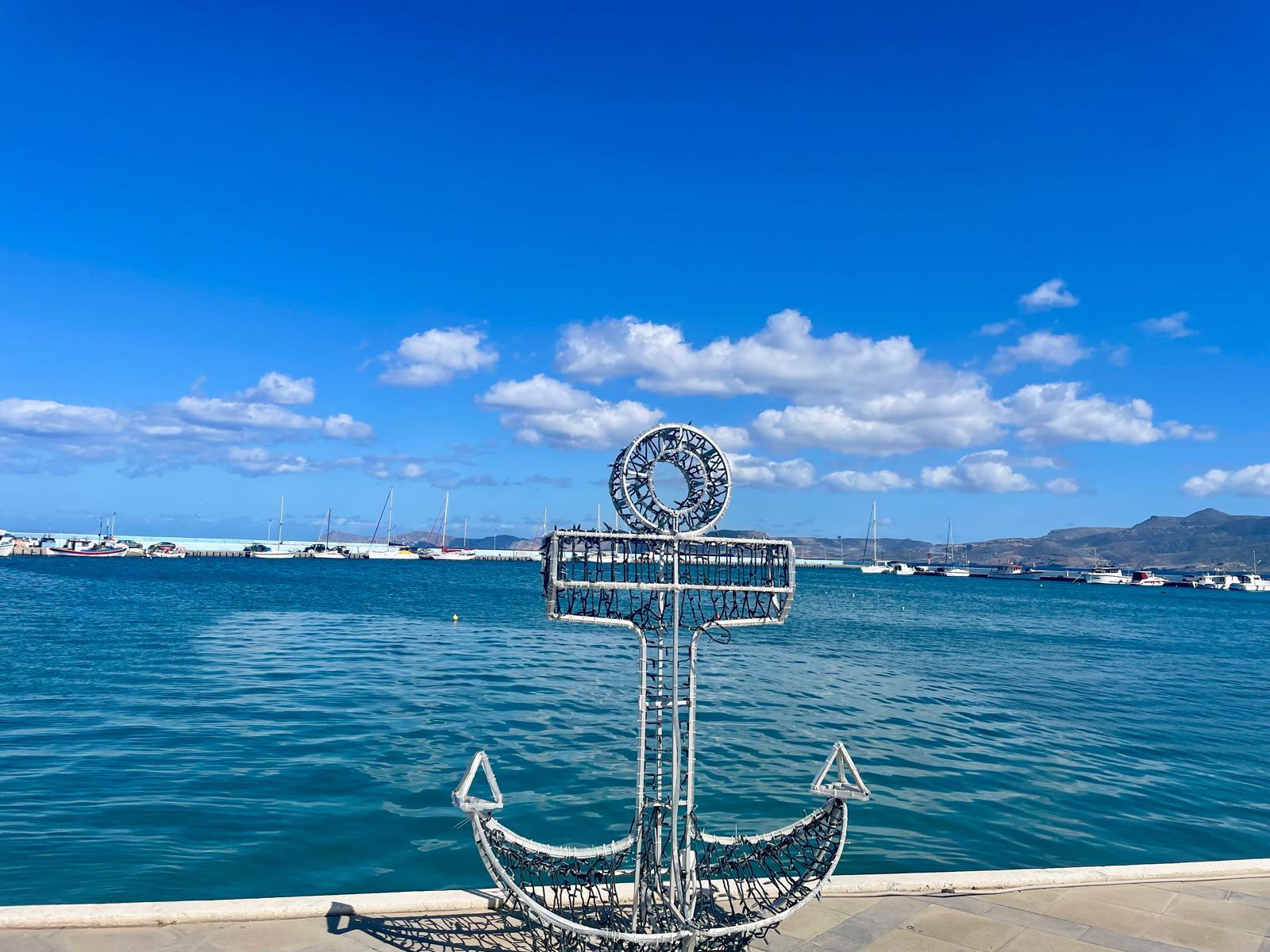
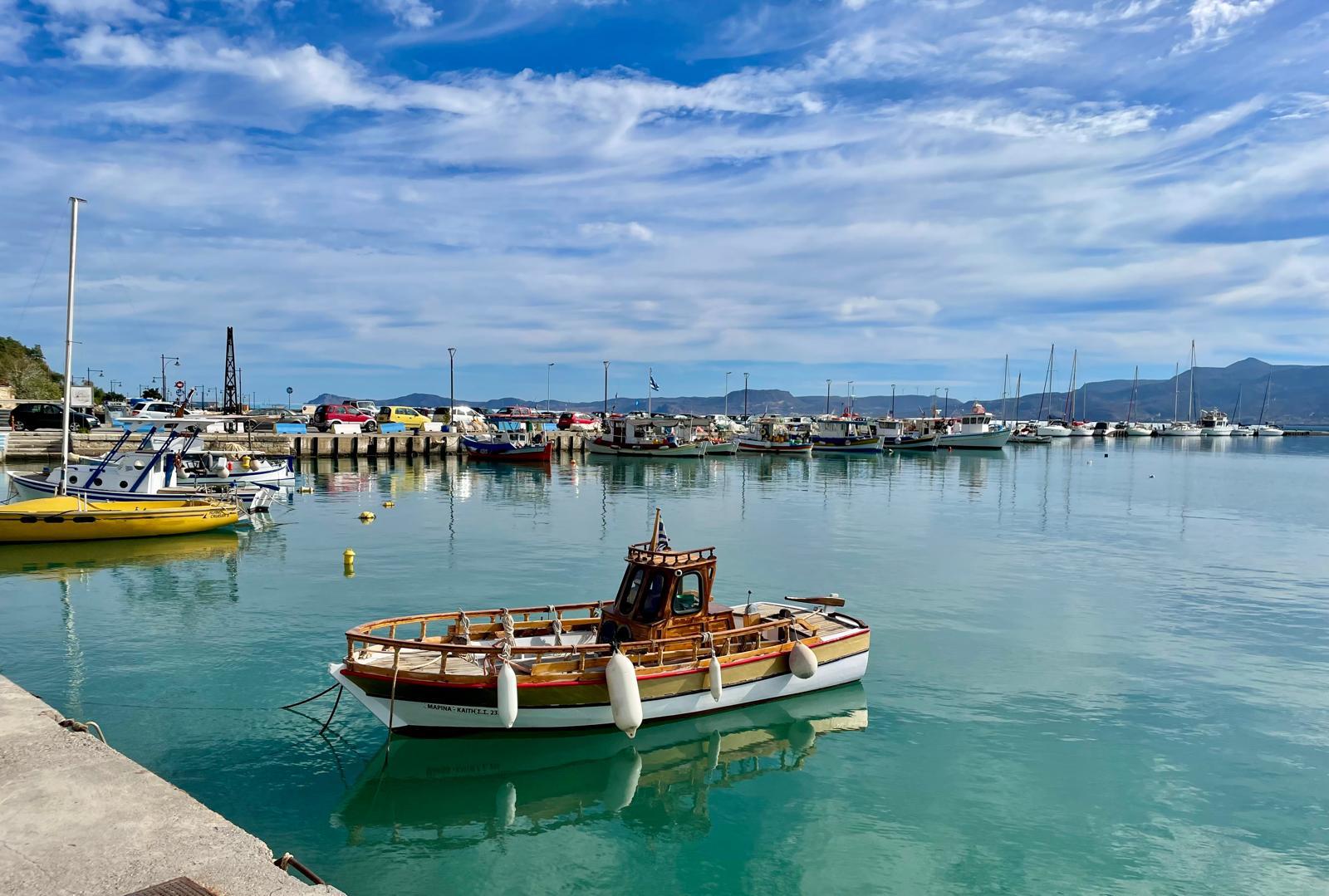
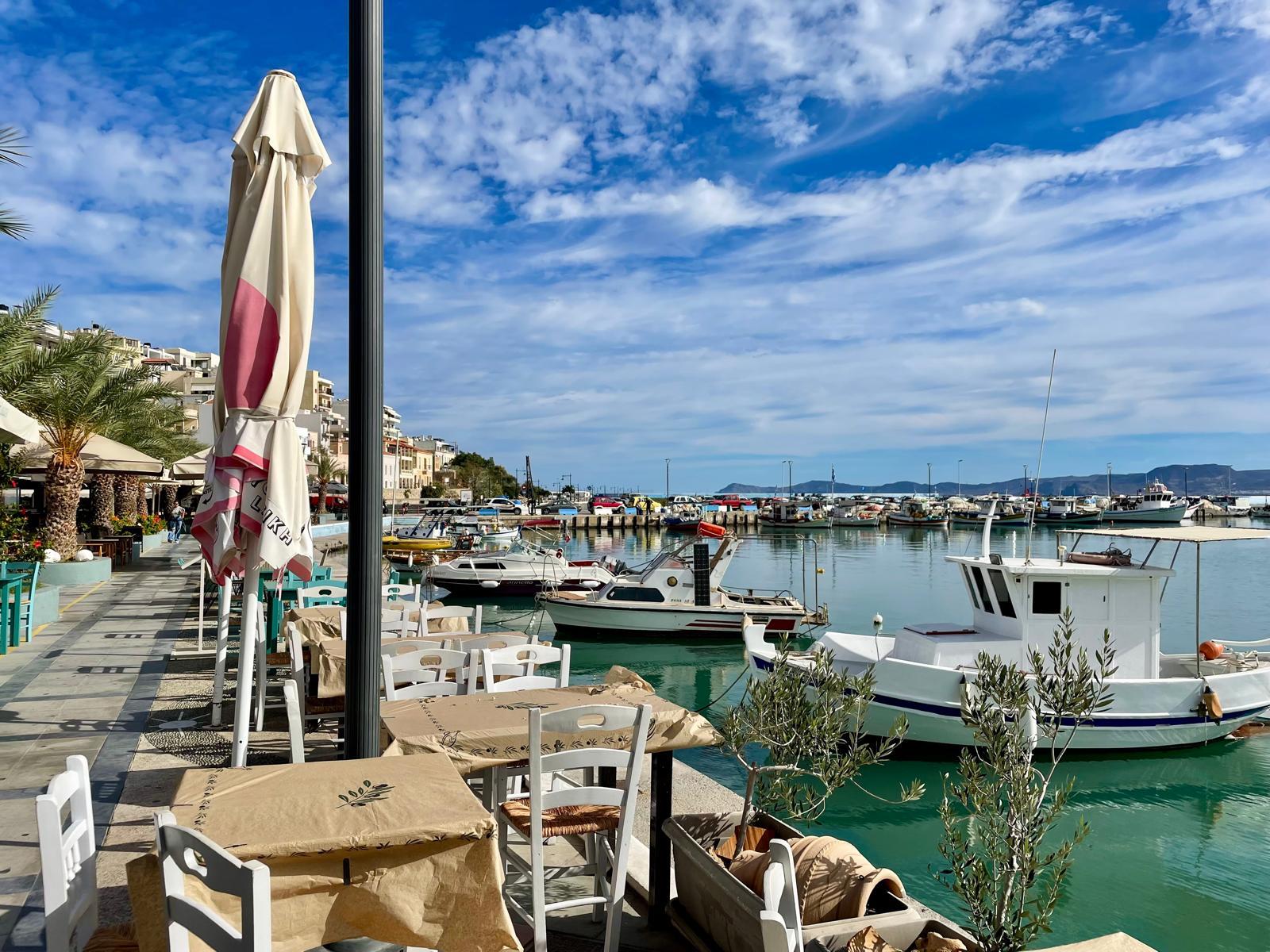
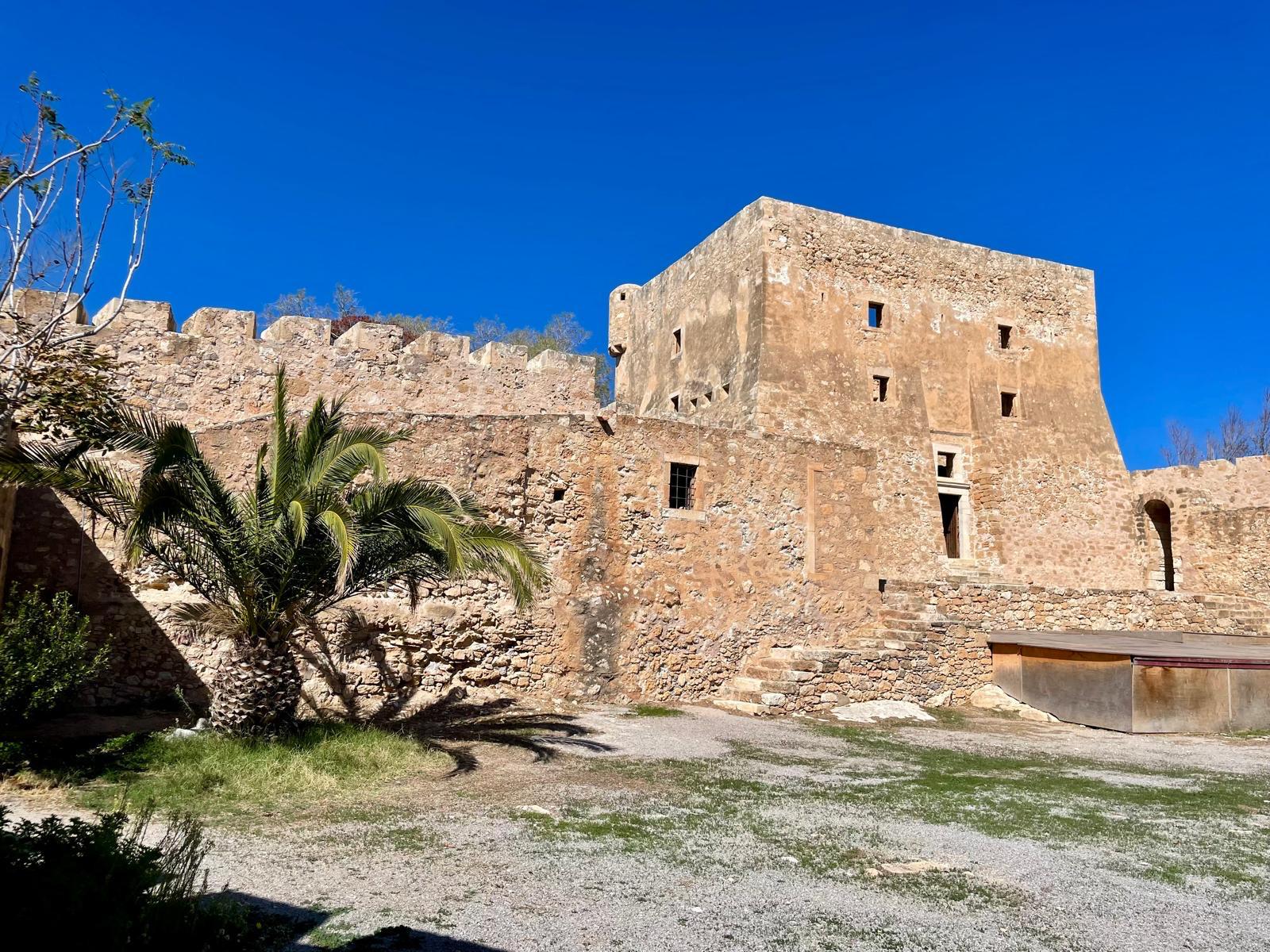
The port — surrounded by a promenade decorated with pebble mosaics of fish — and the nearby ponds where swans, geese and cormorants swim add charm to the town’s atmosphere. The Venetian Kazarma Fortress, standing on a hill above the town, recalls the turbulent history of Sitia and the region. It once served as a military garrison during Venetian rule. Archaeological sites in Sitia itself, in Petras and in nearby Palekastro offer unforgettable encounters with antiquity. The regional archaeological museum is modest and intimate, yet well worth a visit.
Picturesque hillside streets, family run shops and the traditional Tuesday market reflect the living traditions, crafts and agriculture of the region. From Sitia, it is only a short distance to many attractions on the eastern tip of the island — Vai Beach, Toplou Monastery, the Minoan palace in Kato Zakros and the Richtis Gorge.
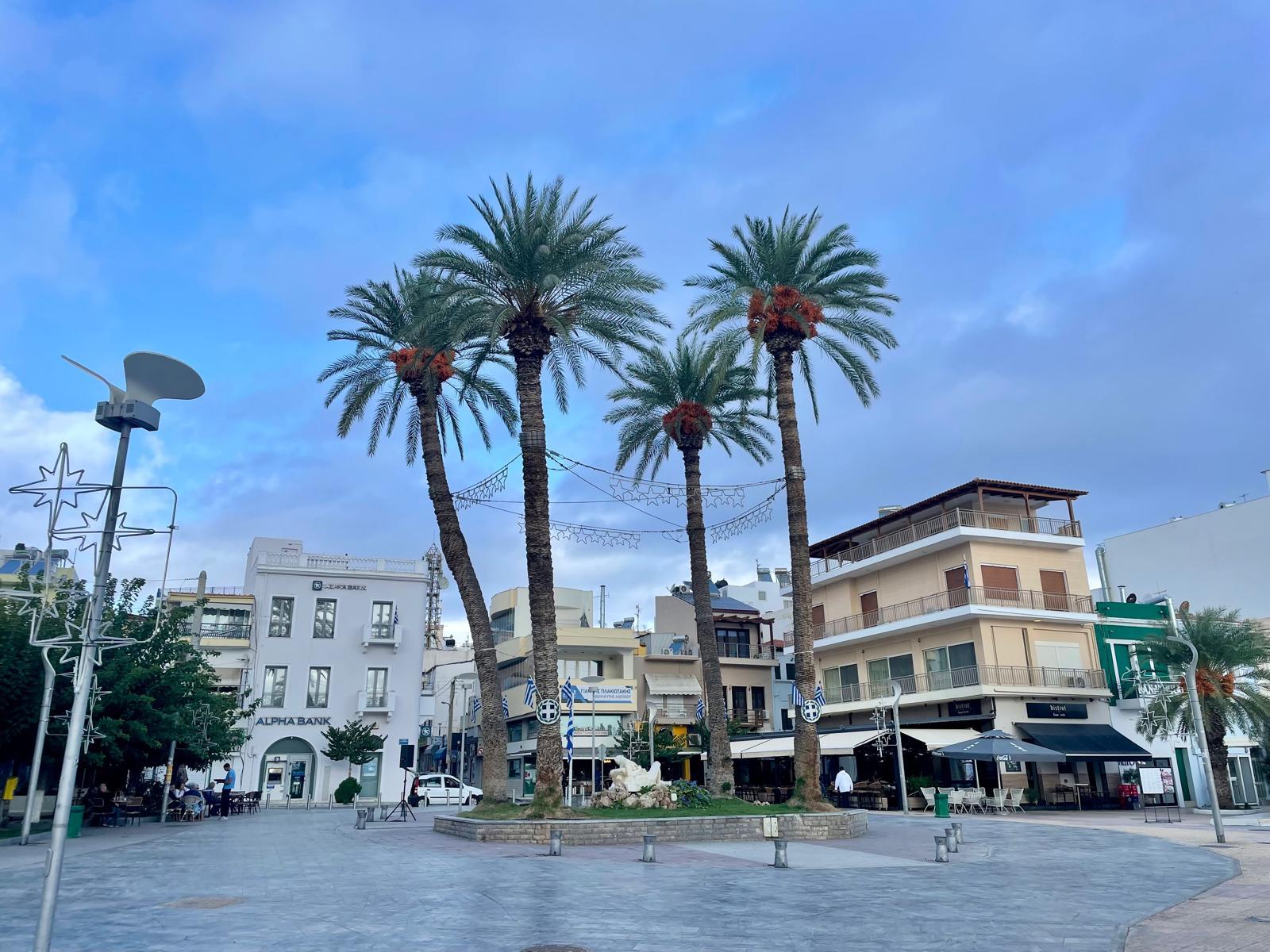
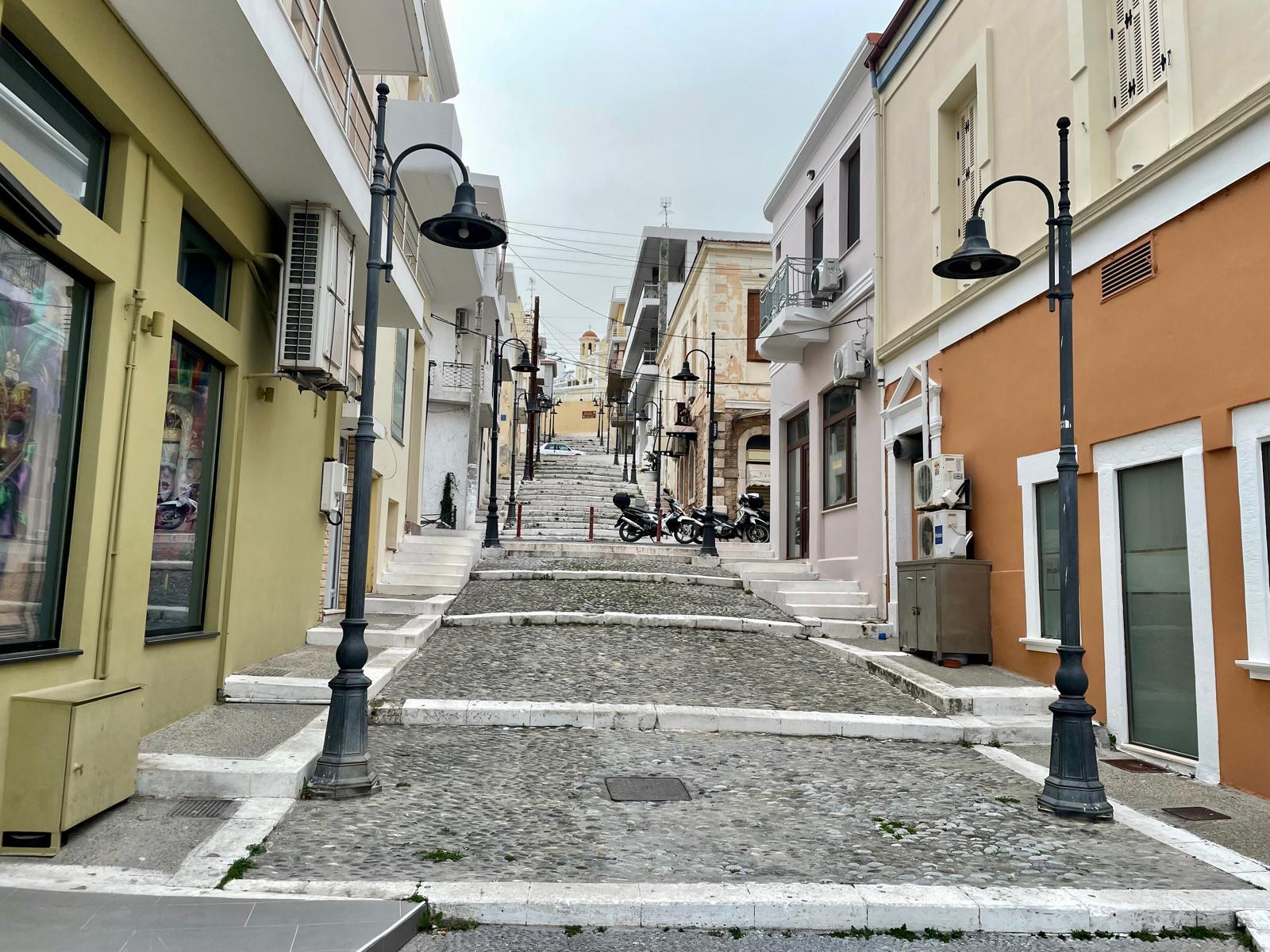
Like all of Crete, Sitia has had a turbulent history. The town was under Venetian rule, and because of its strategic location, the occupiers fortified it, creating one of their bases in the eastern part of the island (Kazarma Fortress). Over the centuries, the town suffered even more: an earthquake in 1508, a bloody pirate attack in 1538, and finally destruction by the Venetians themselves in 1651, fearing an Ottoman invasion. For nearly two centuries, Sitia remained abandoned. The Turkish occupiers did not encourage locals to return. Only in the second half of the 19th century, when the Ottoman governor rebuilt the town, did the population slowly come back.
Today, Sitia is a charming, quiet Greek town with an almost family like atmosphere. It is a perfect place for a peaceful siga siga holiday and for discovering the hidden treasures of Minoan culture and the traditional customs of the region.
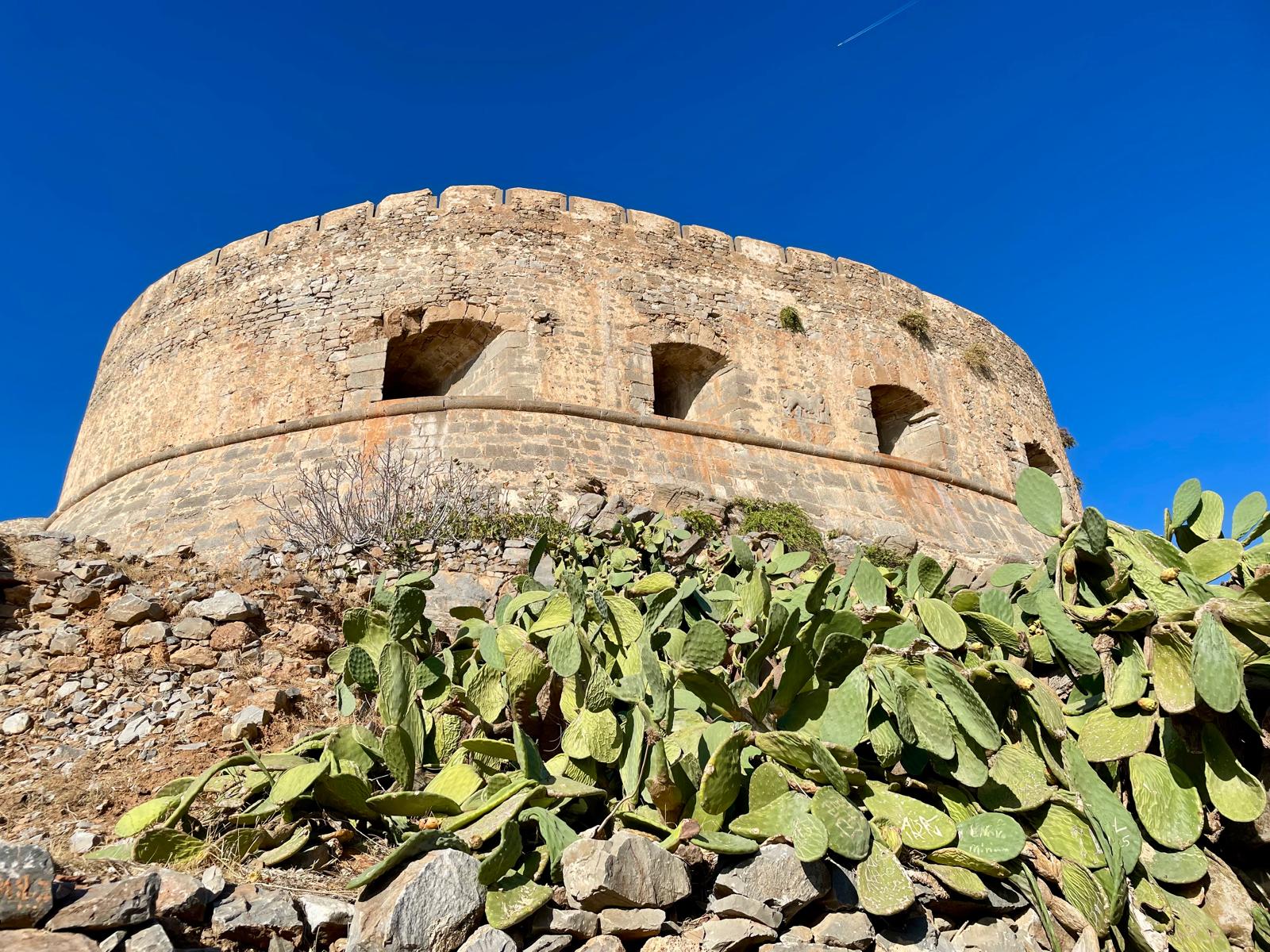
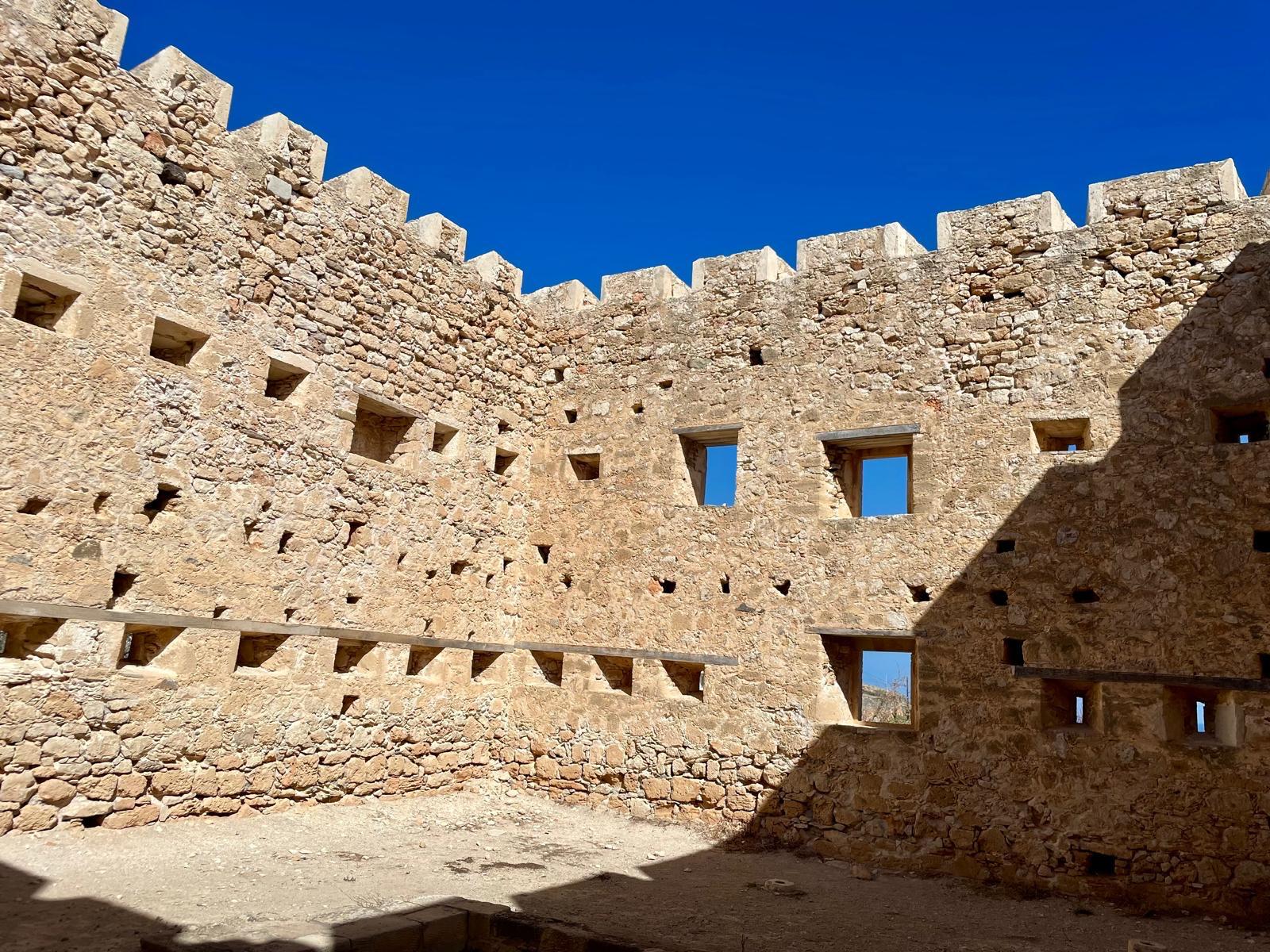
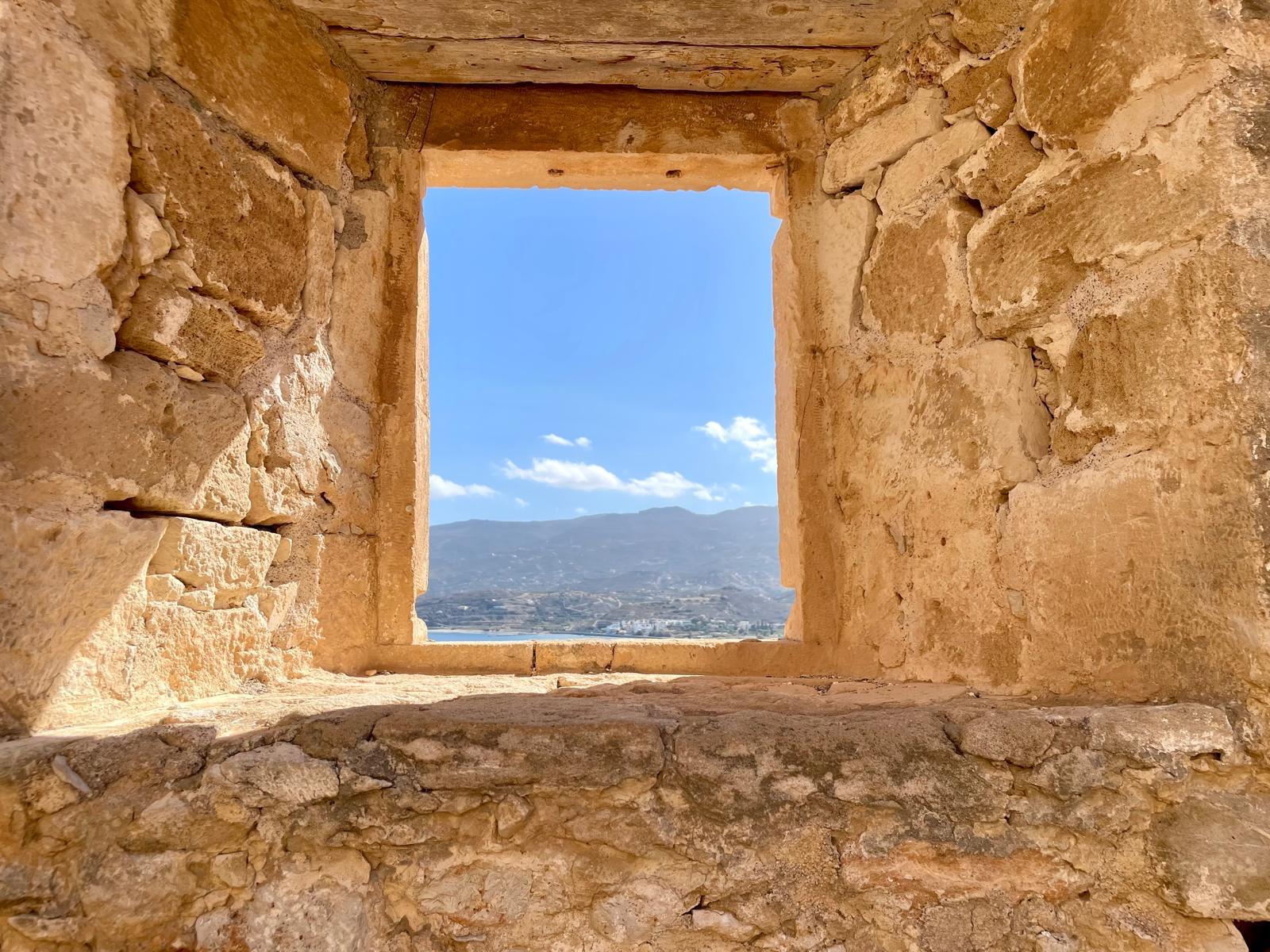
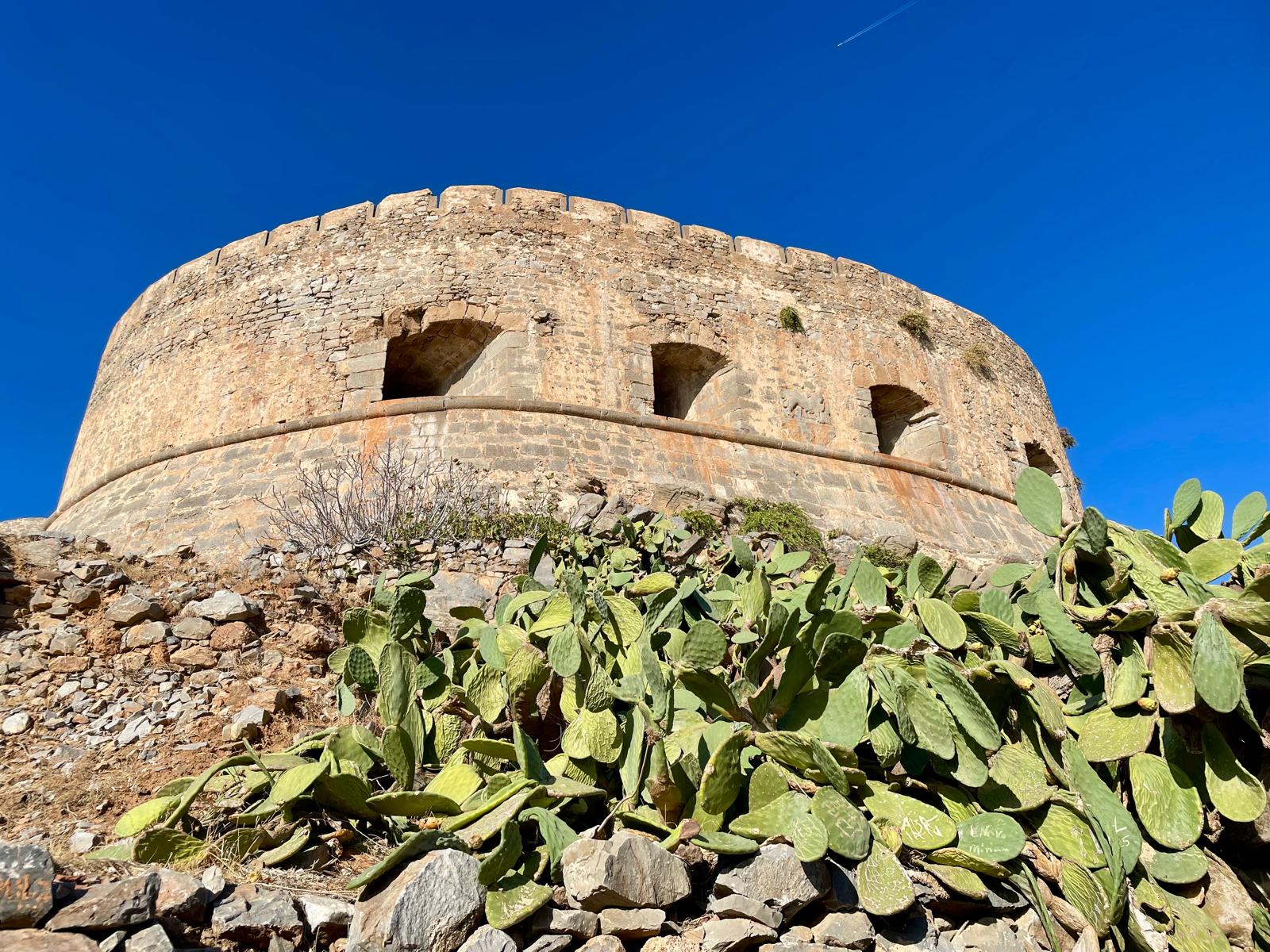
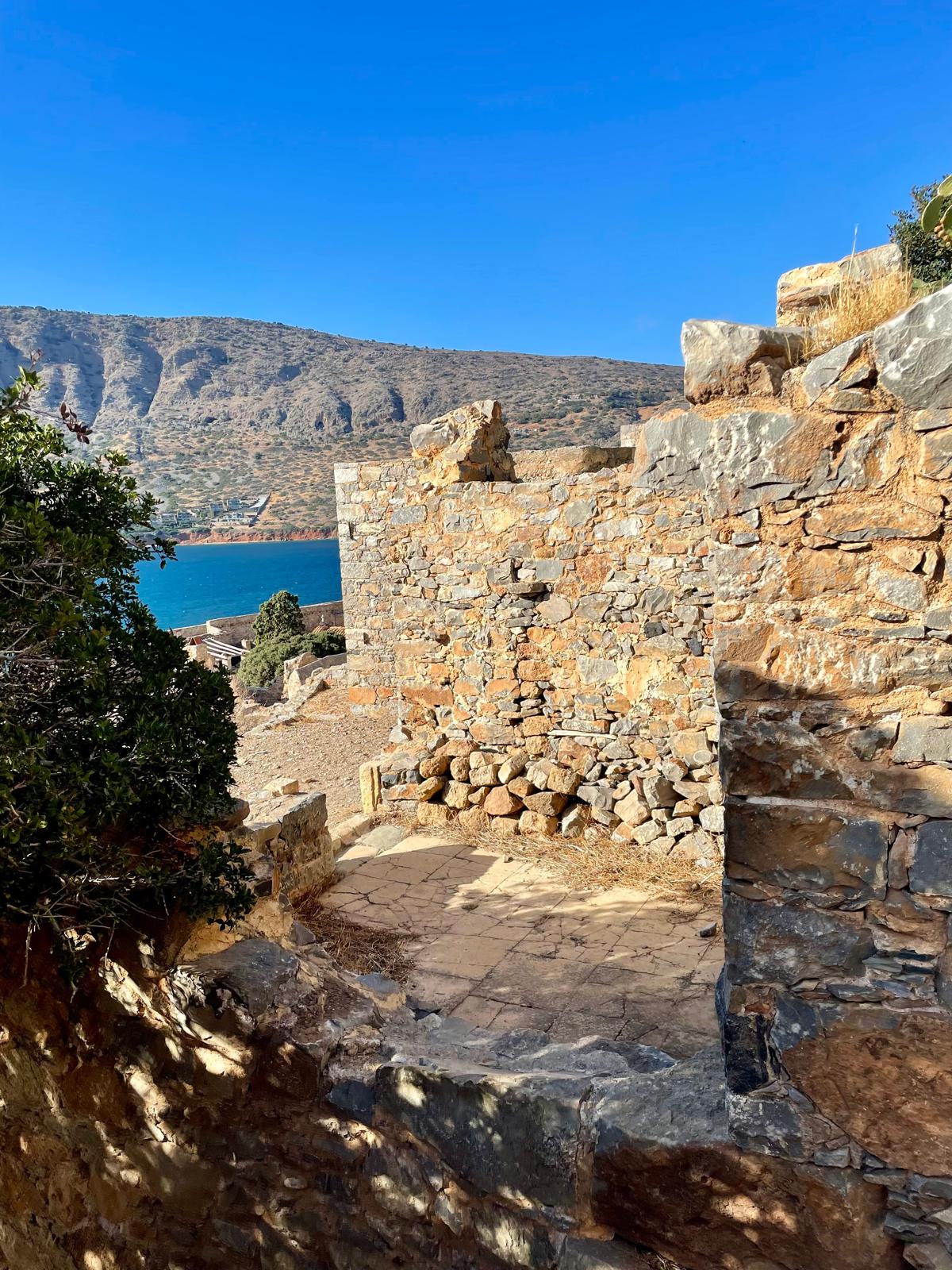
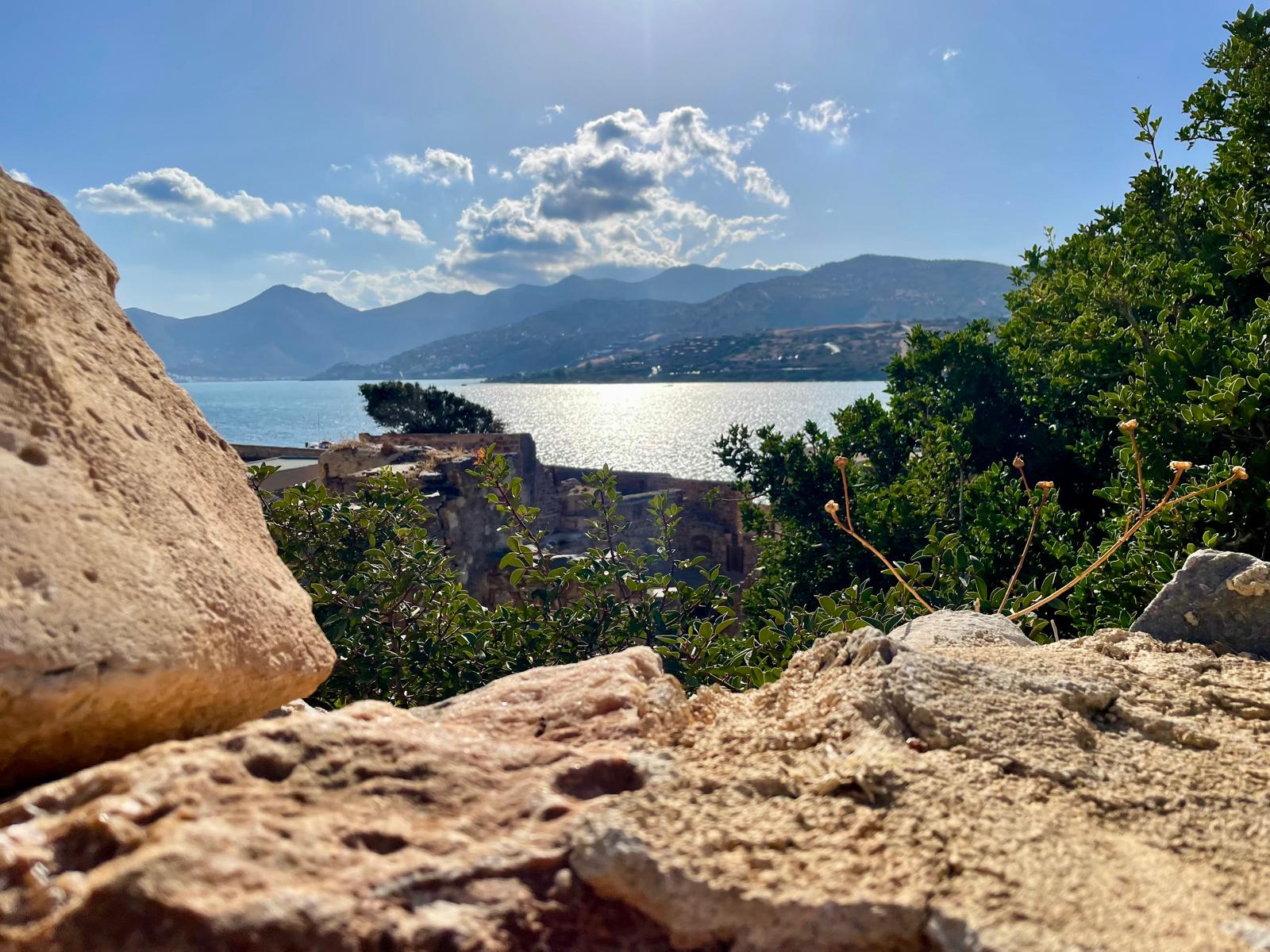
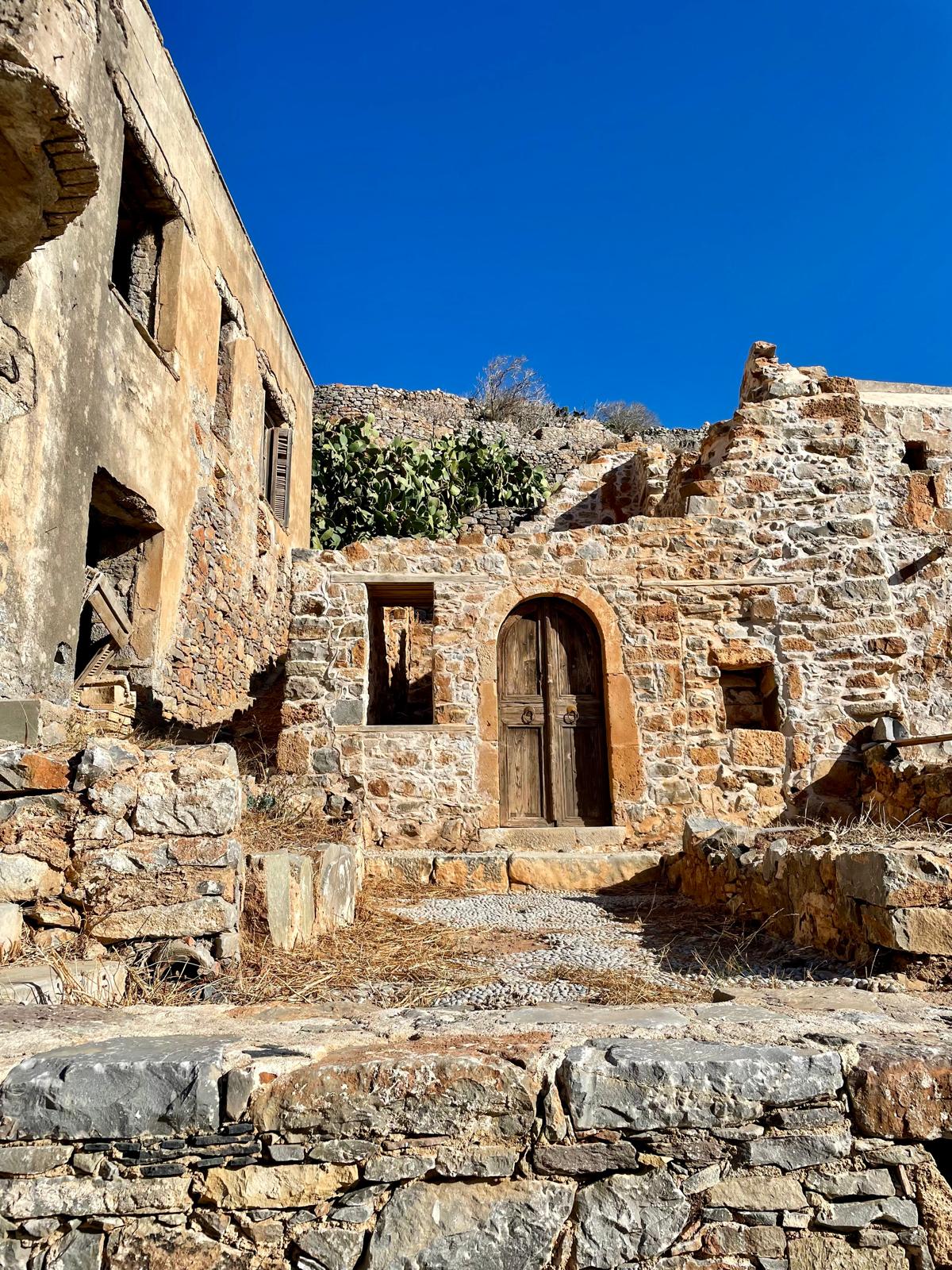
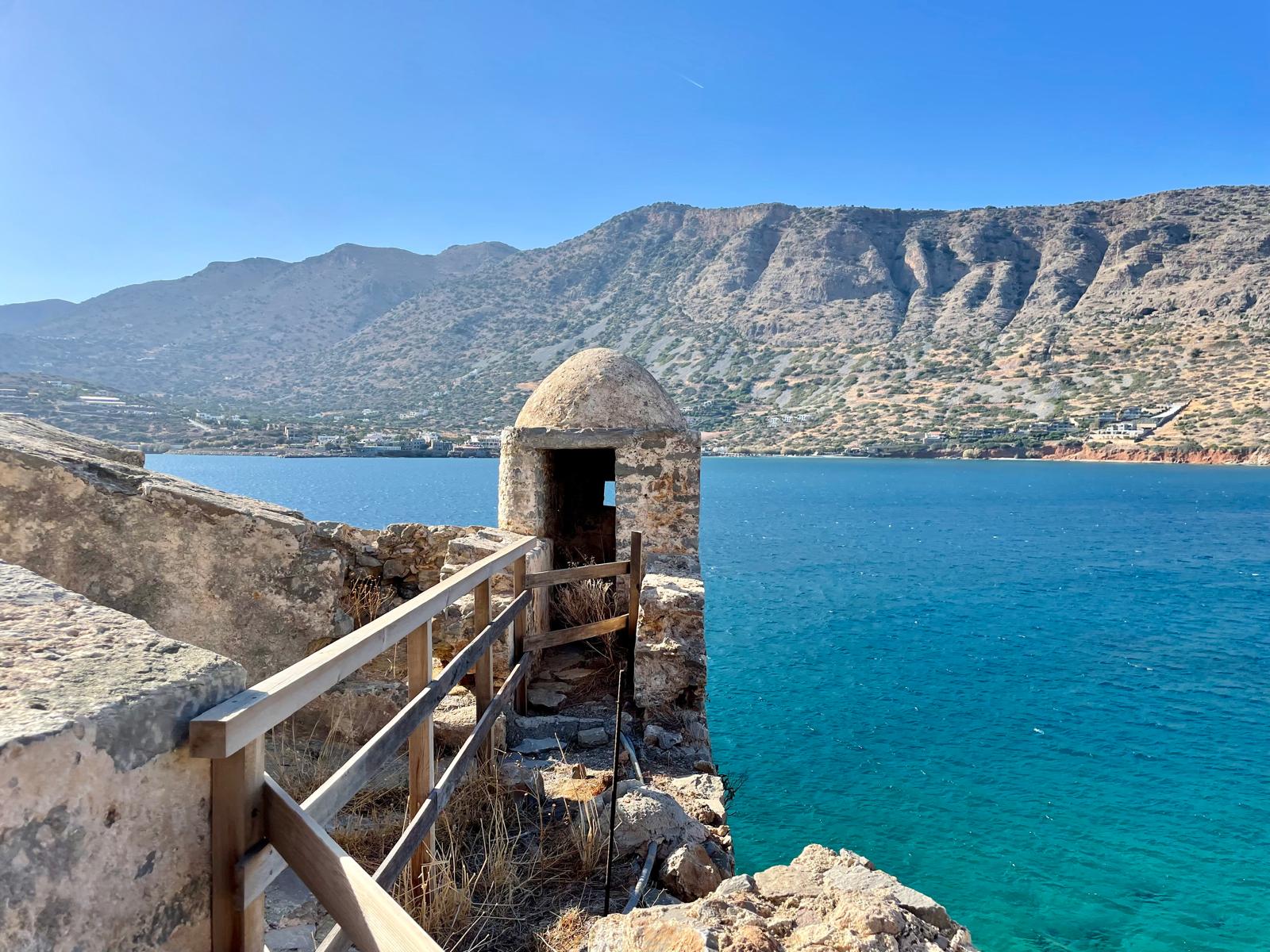
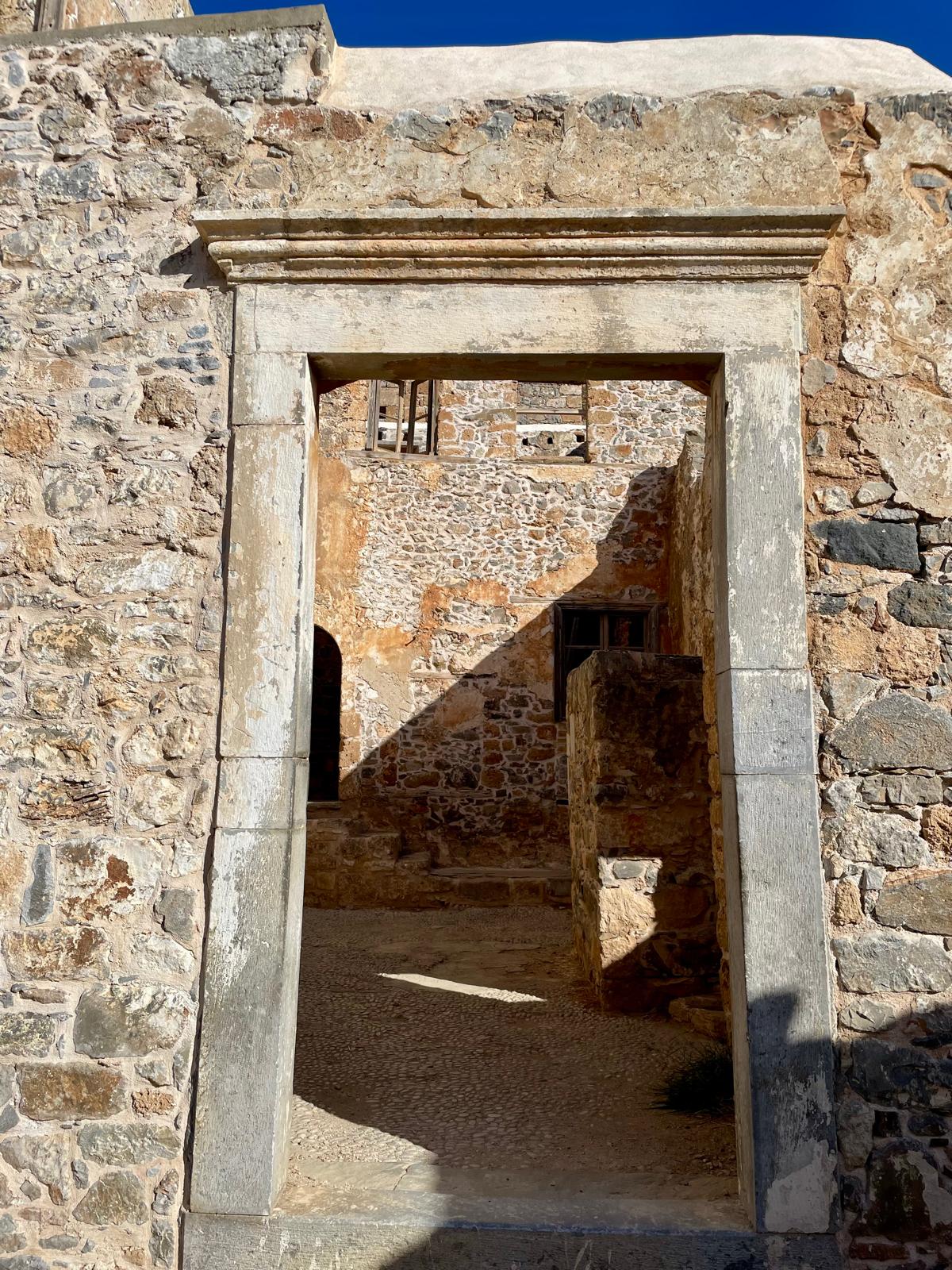
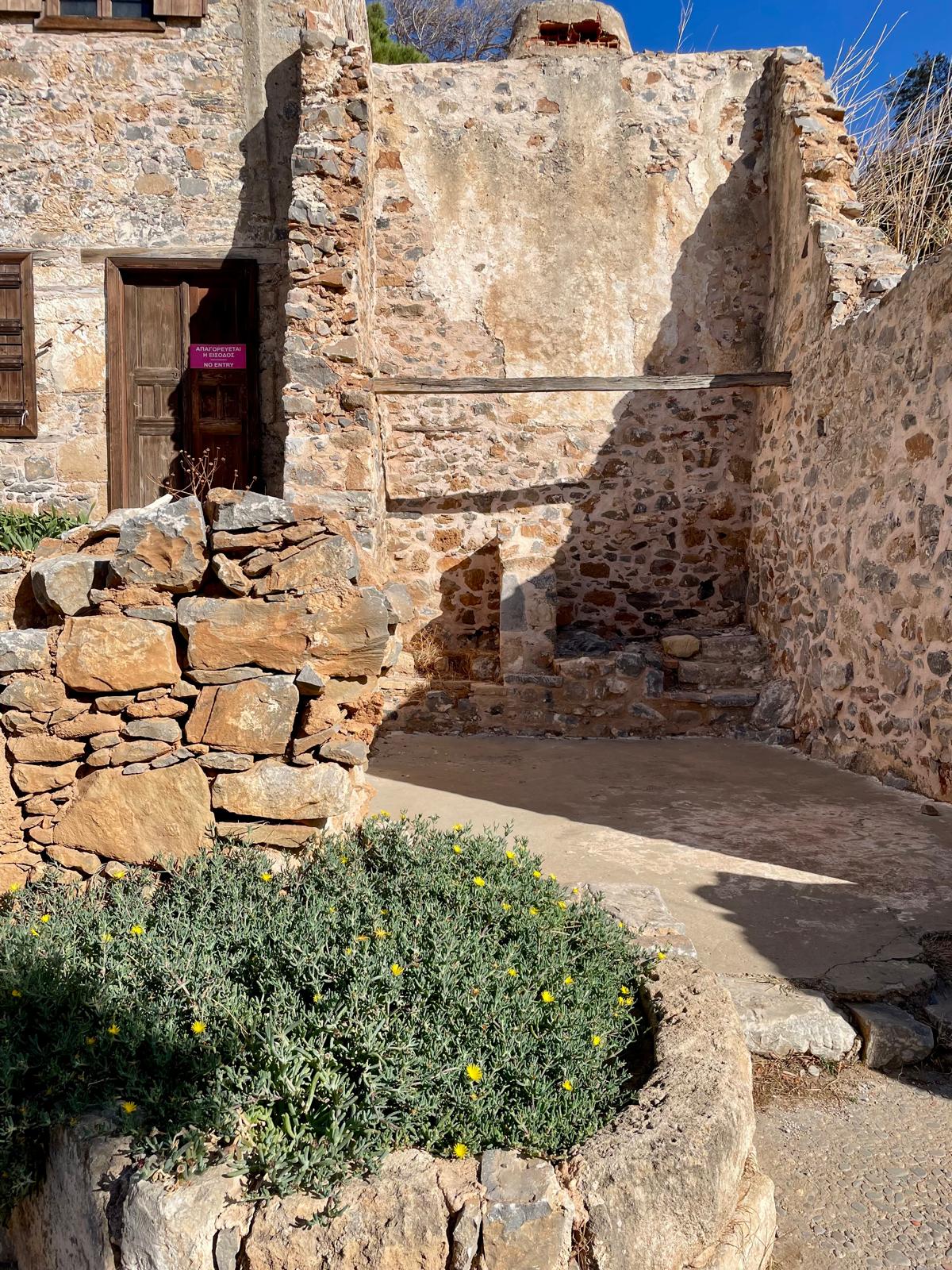
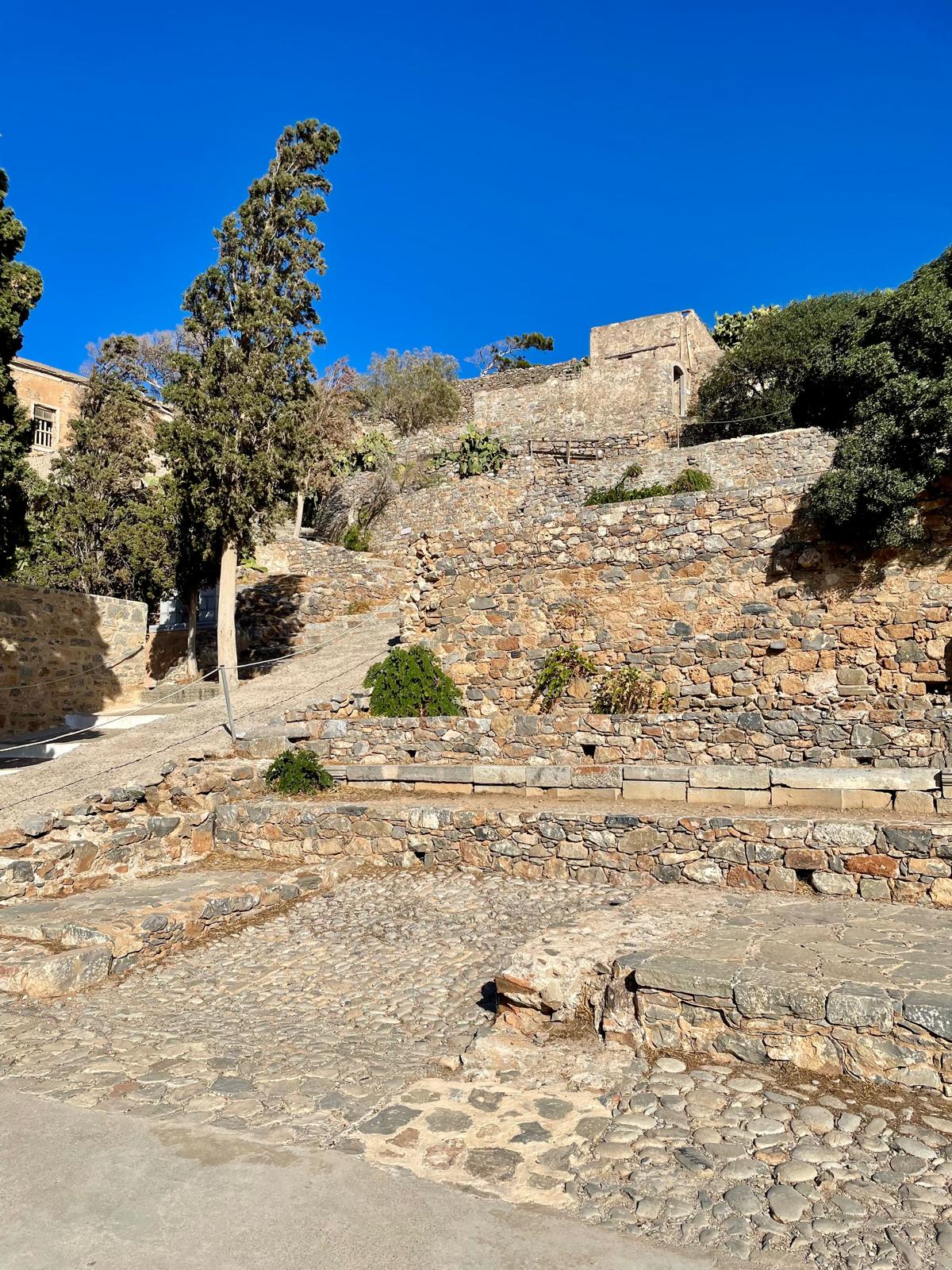
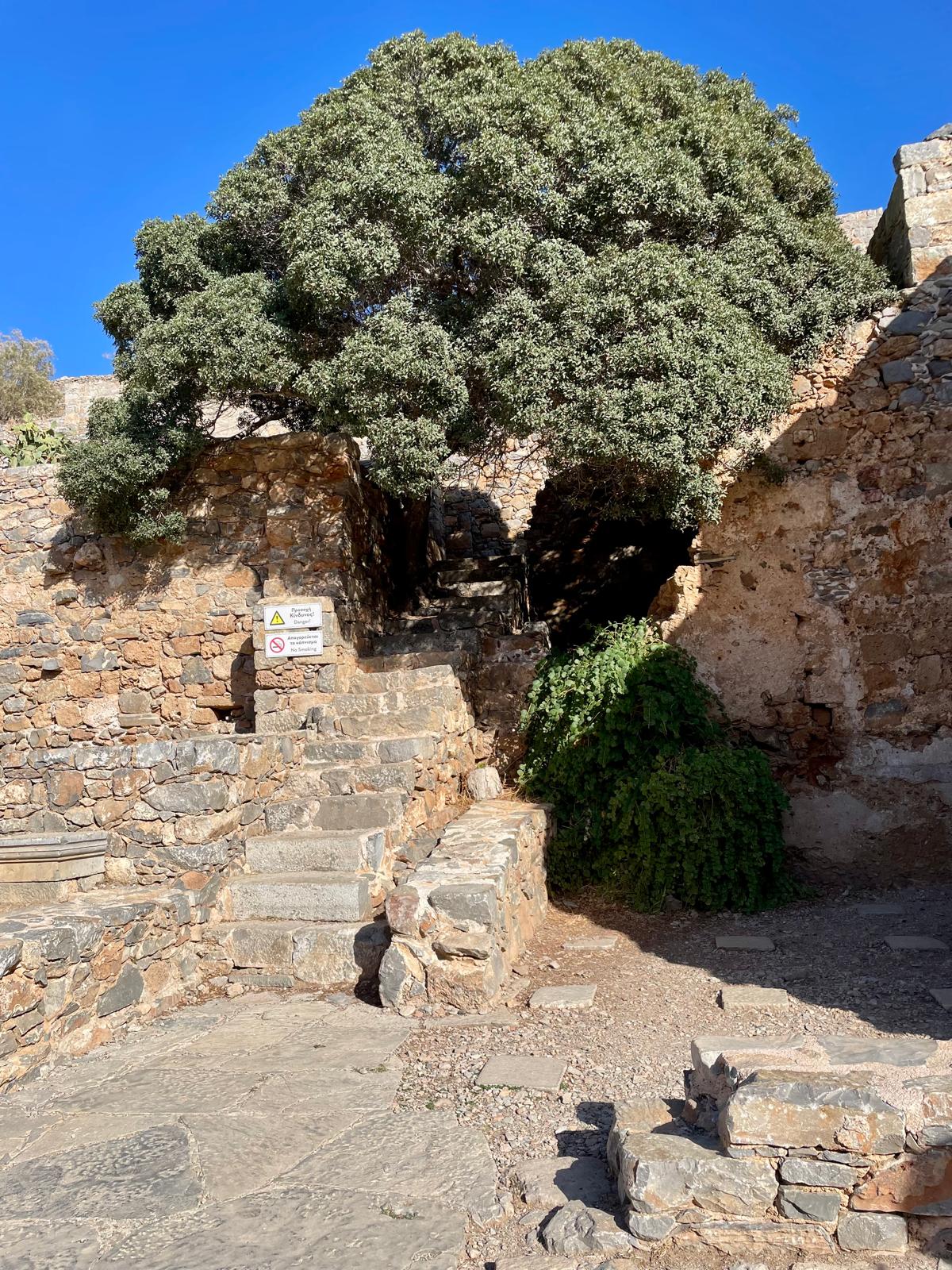
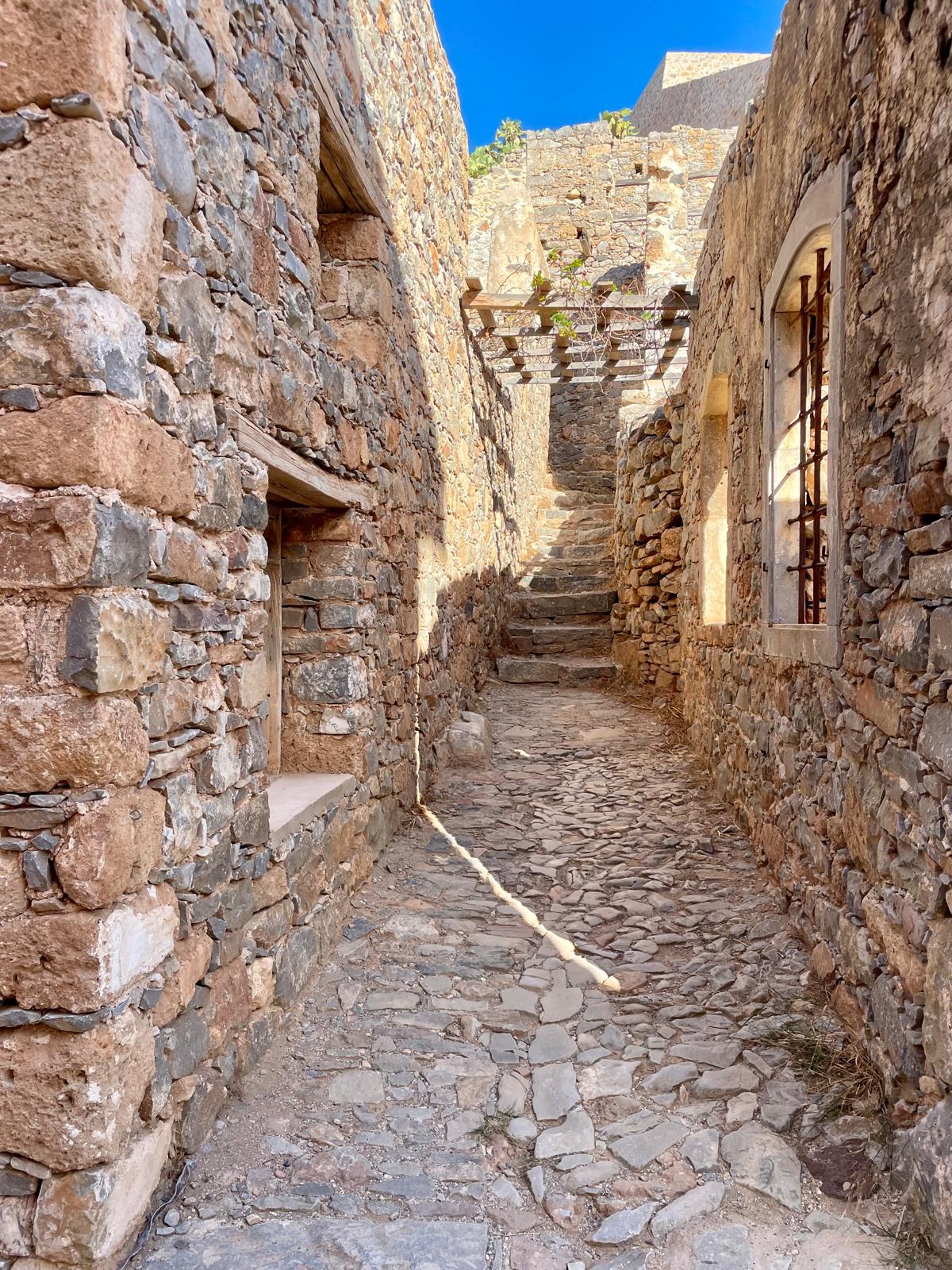
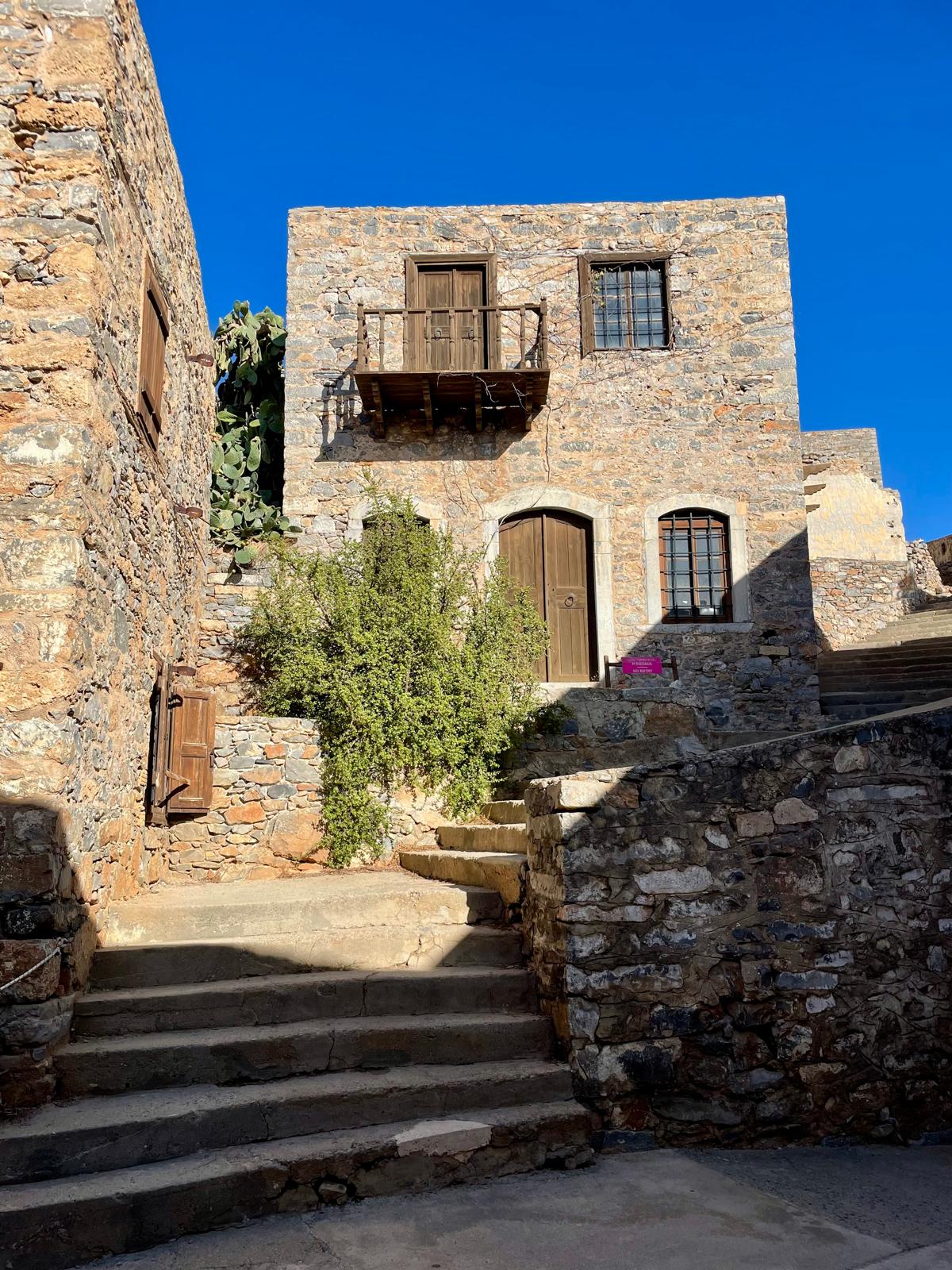
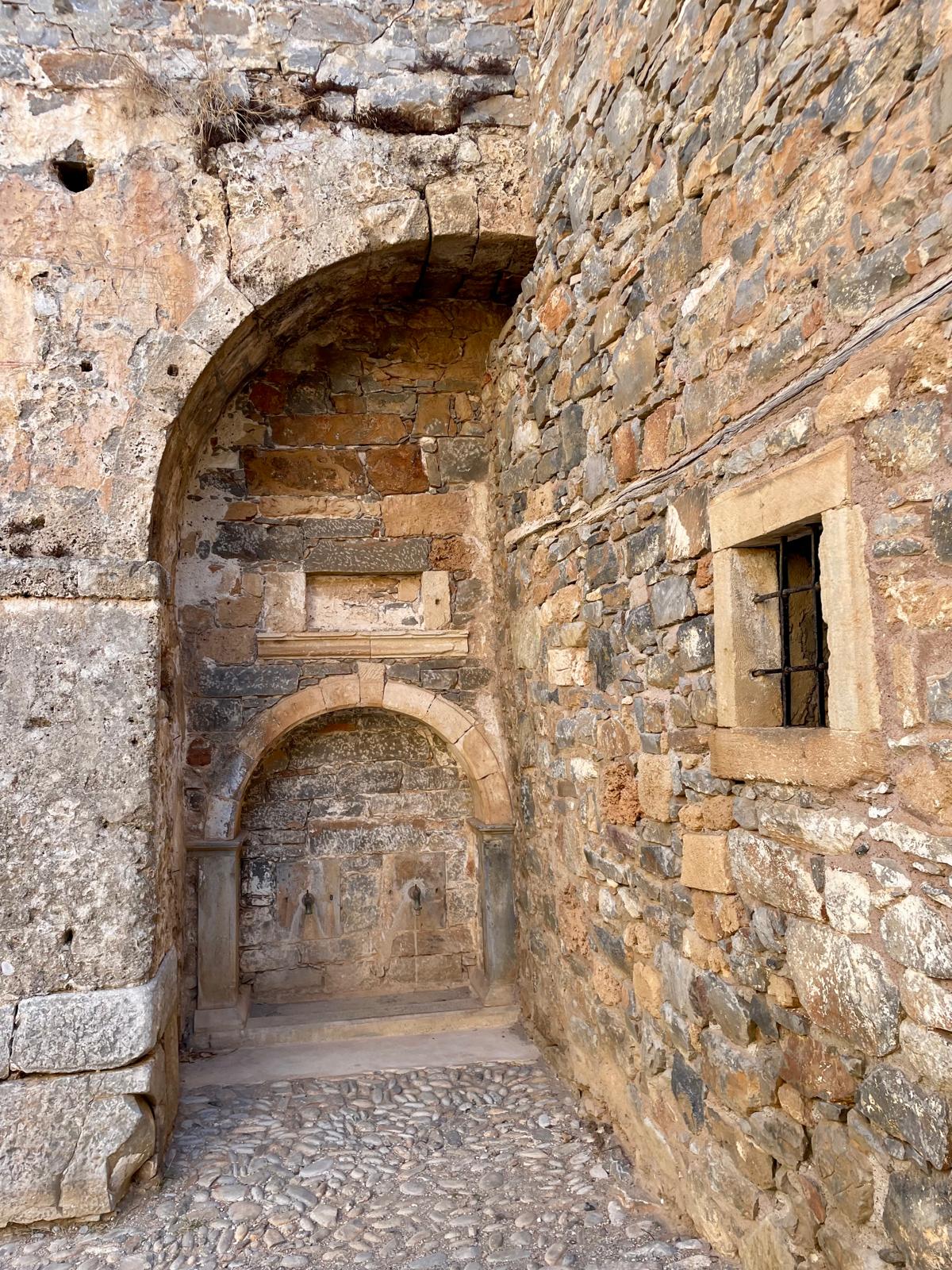
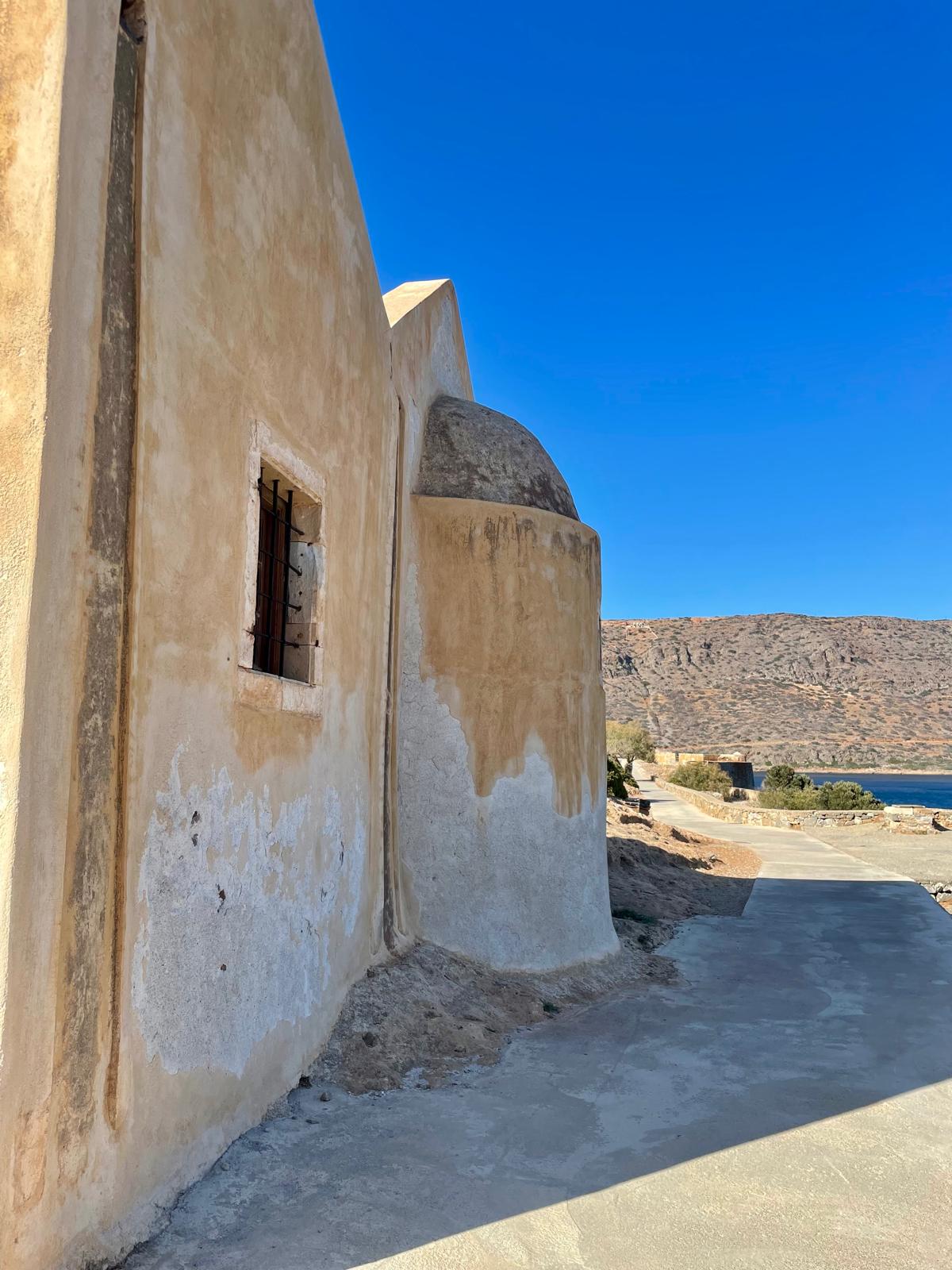
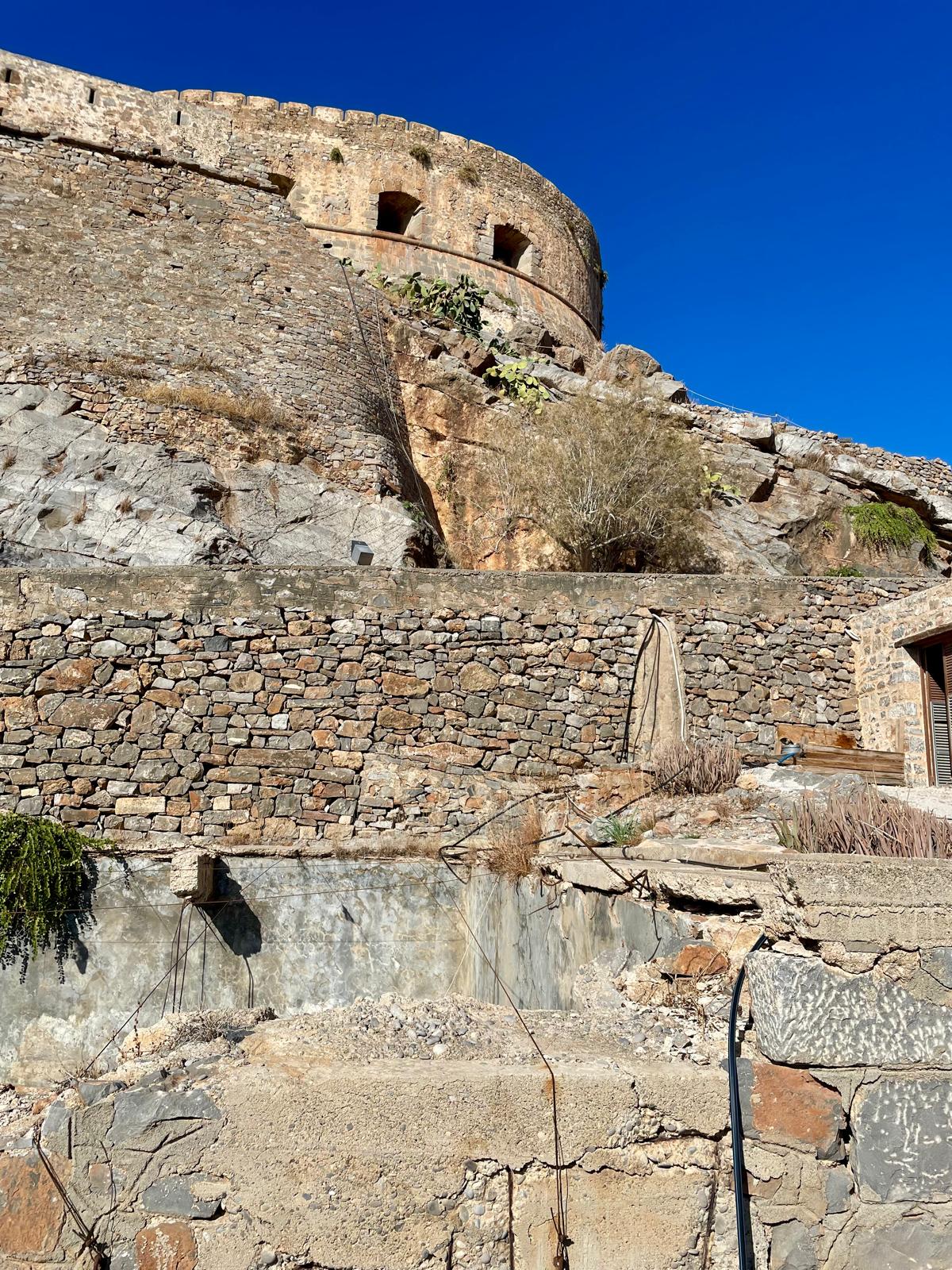
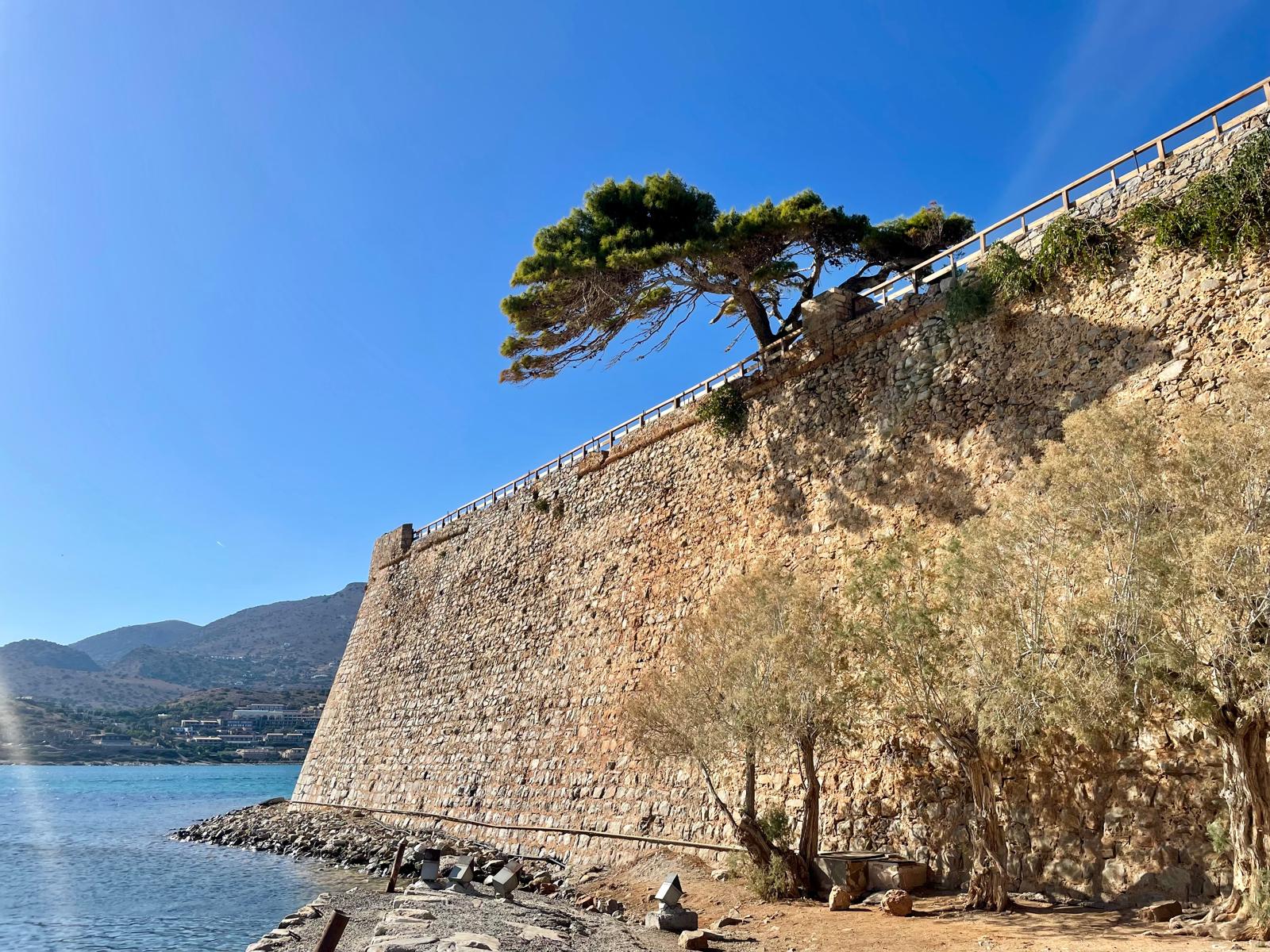
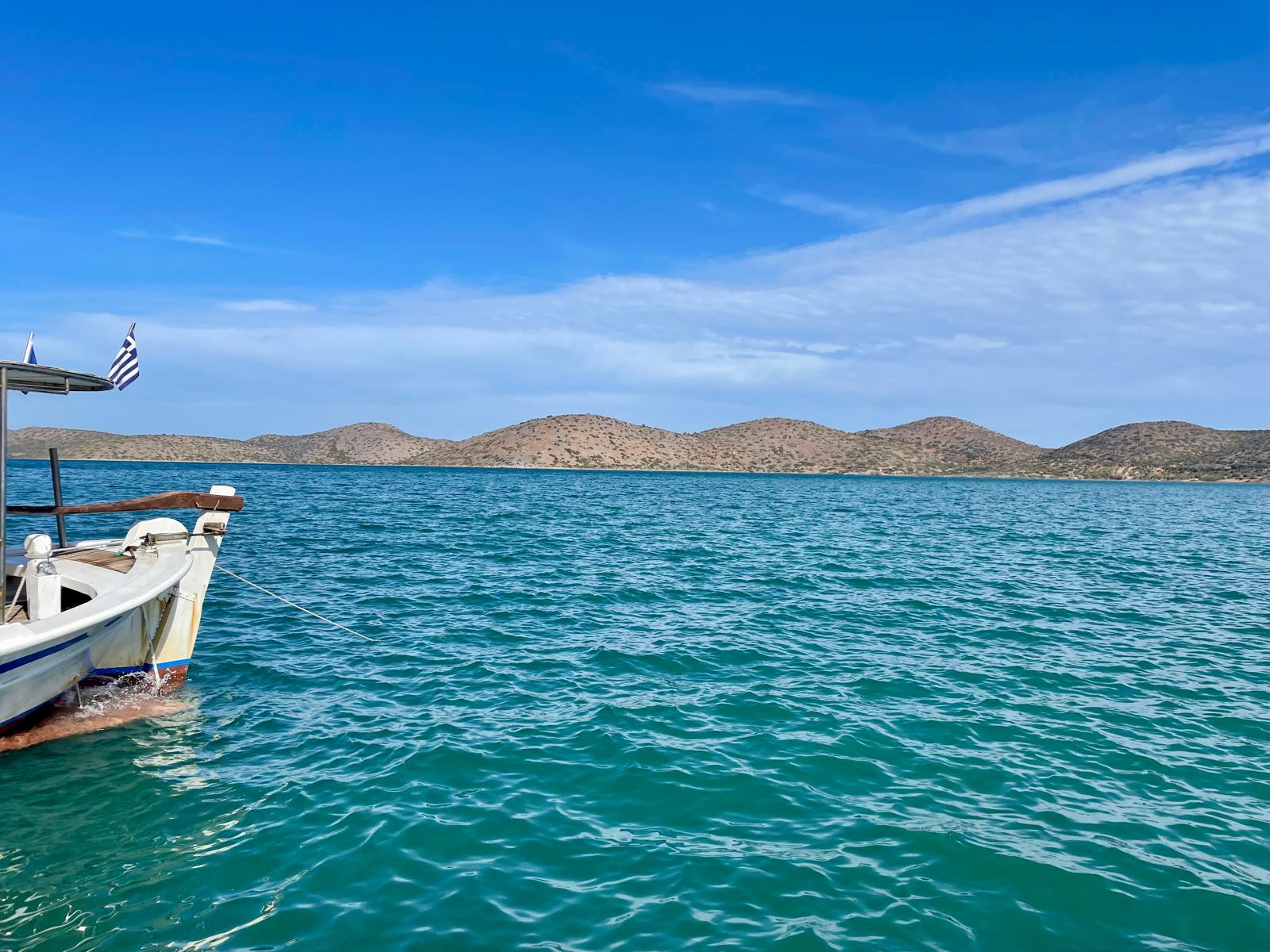
Spinalonga is an island located in the picturesque Mirabello Bay, about one kilometre off the northern coast of eastern Crete. It is a place with a fascinating history. First, it was a powerful Venetian fortress that protected Crete from invaders for centuries. Later, it became the largest and last active leper colony in Europe. Because of its past, the island has become a symbol of exclusion and the extraordinary strength of spirit of the people who lived and died there in solitude.
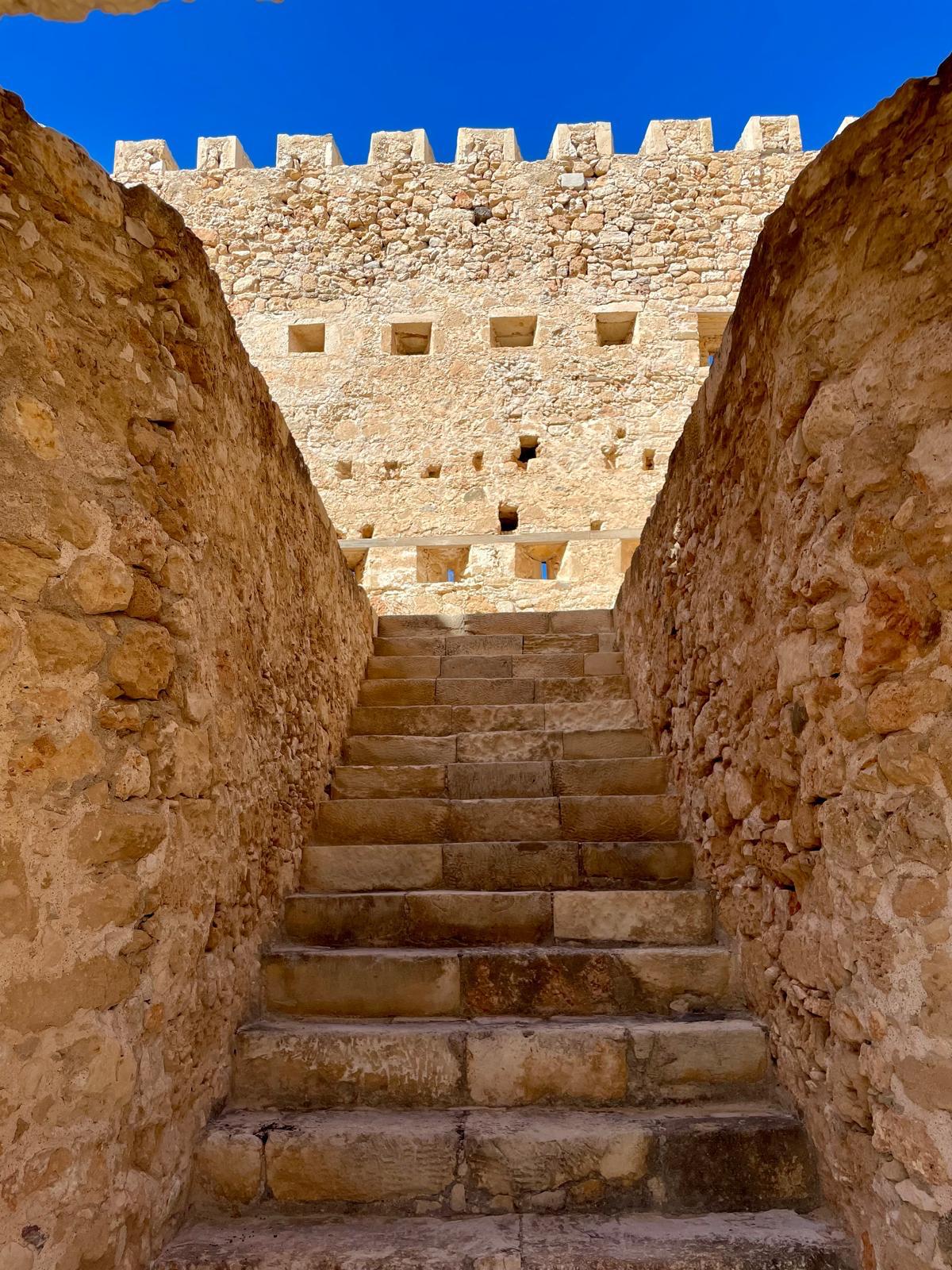
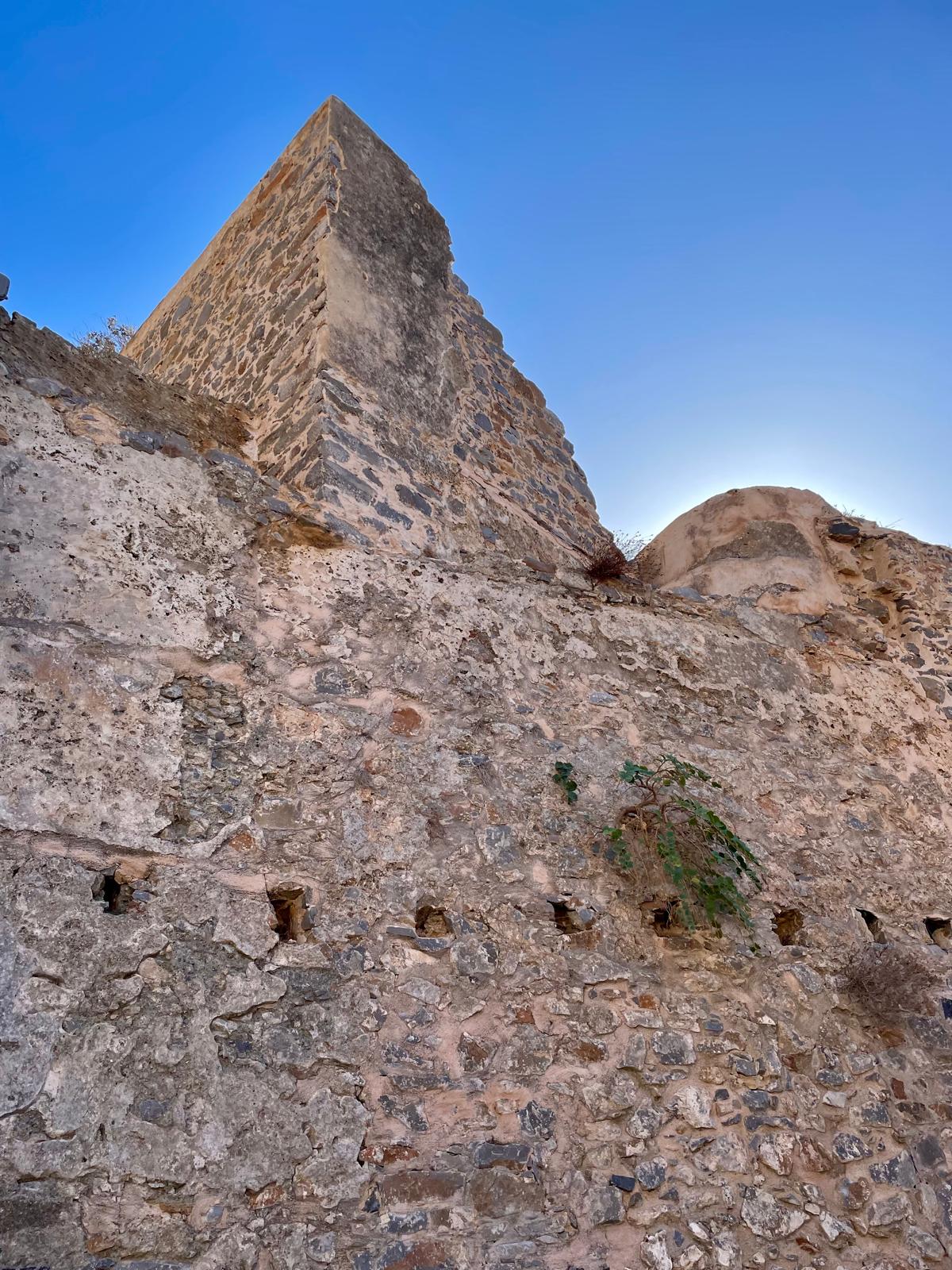
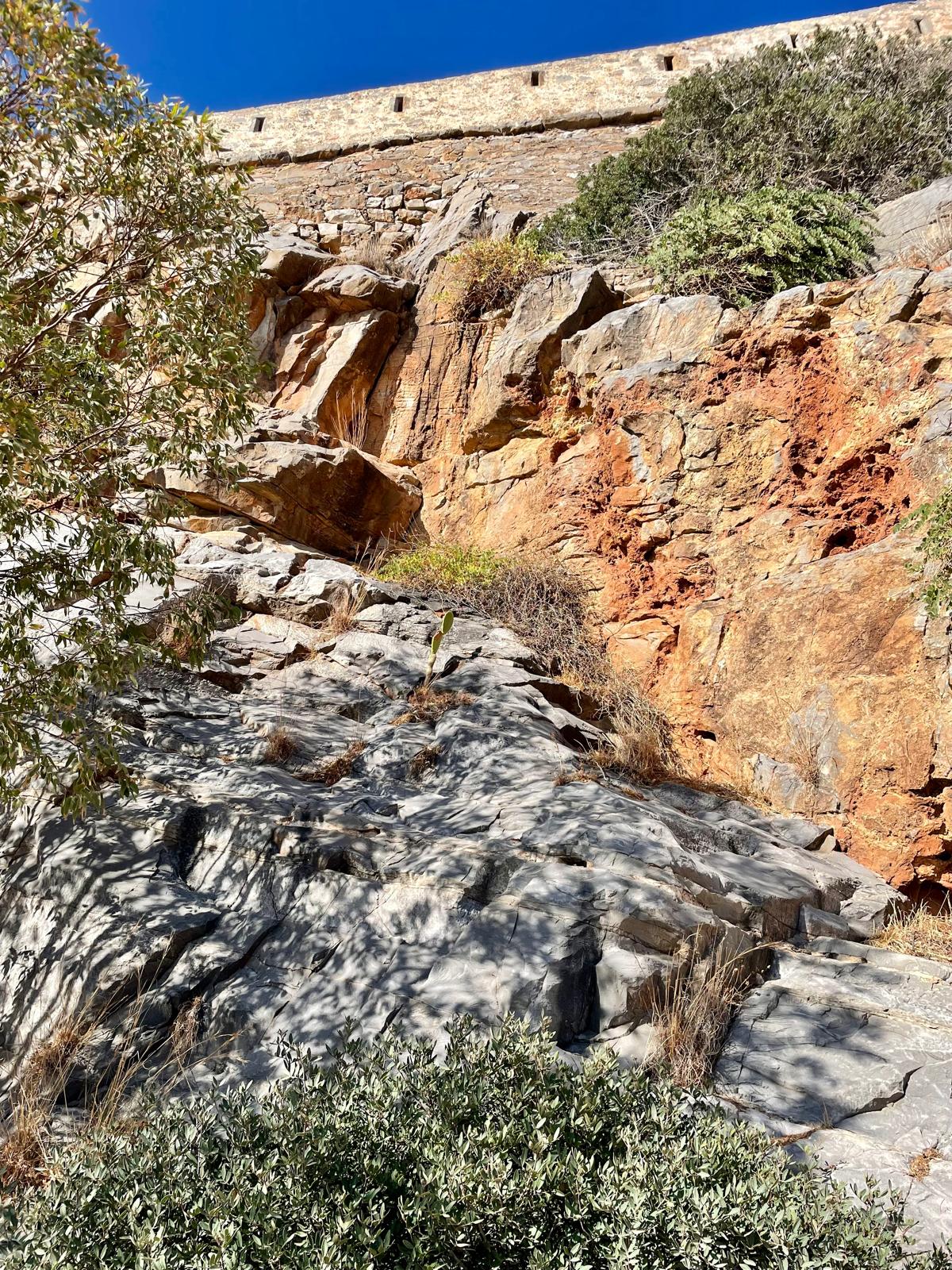
Its history is long and complex. The Venetian period lasted from 1579 to 1715. In 1579, the Venetians began building a massive fortress on the island. Its purpose was to protect Crete from pirate raids and Ottoman attacks due to its strategic location. Crete lies at the crossroads of three continents — Europe, Africa and Asia — and has always been crucial for trade routes across the Mediterranean. For more than a century, Spinalonga was an important part of the Venetian defence system. The fortress served both as a military stronghold and as a refuge for civilians during sieges. The Venetians controlled the island until 1715, when it was taken over by the Ottoman Turks.
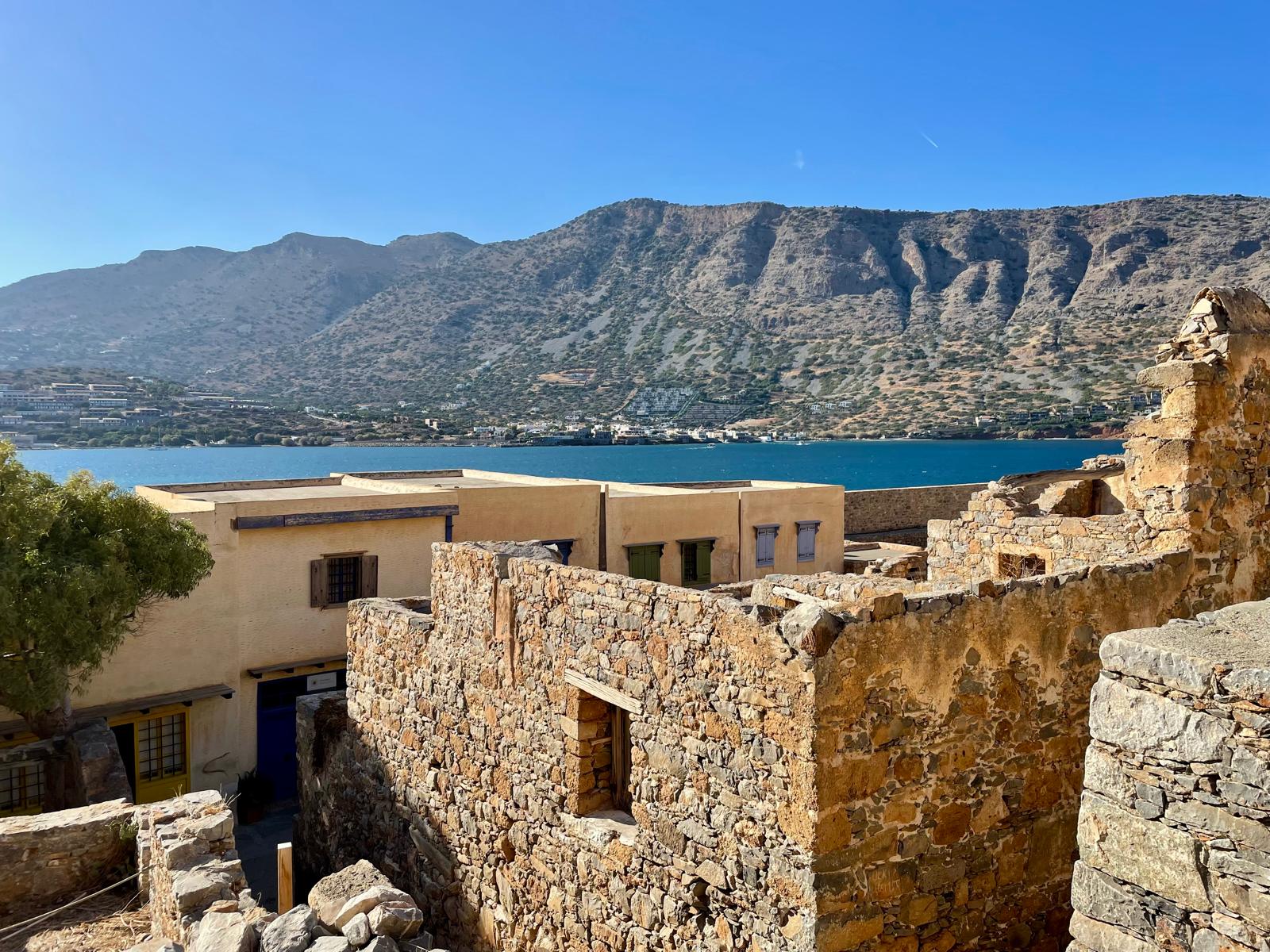
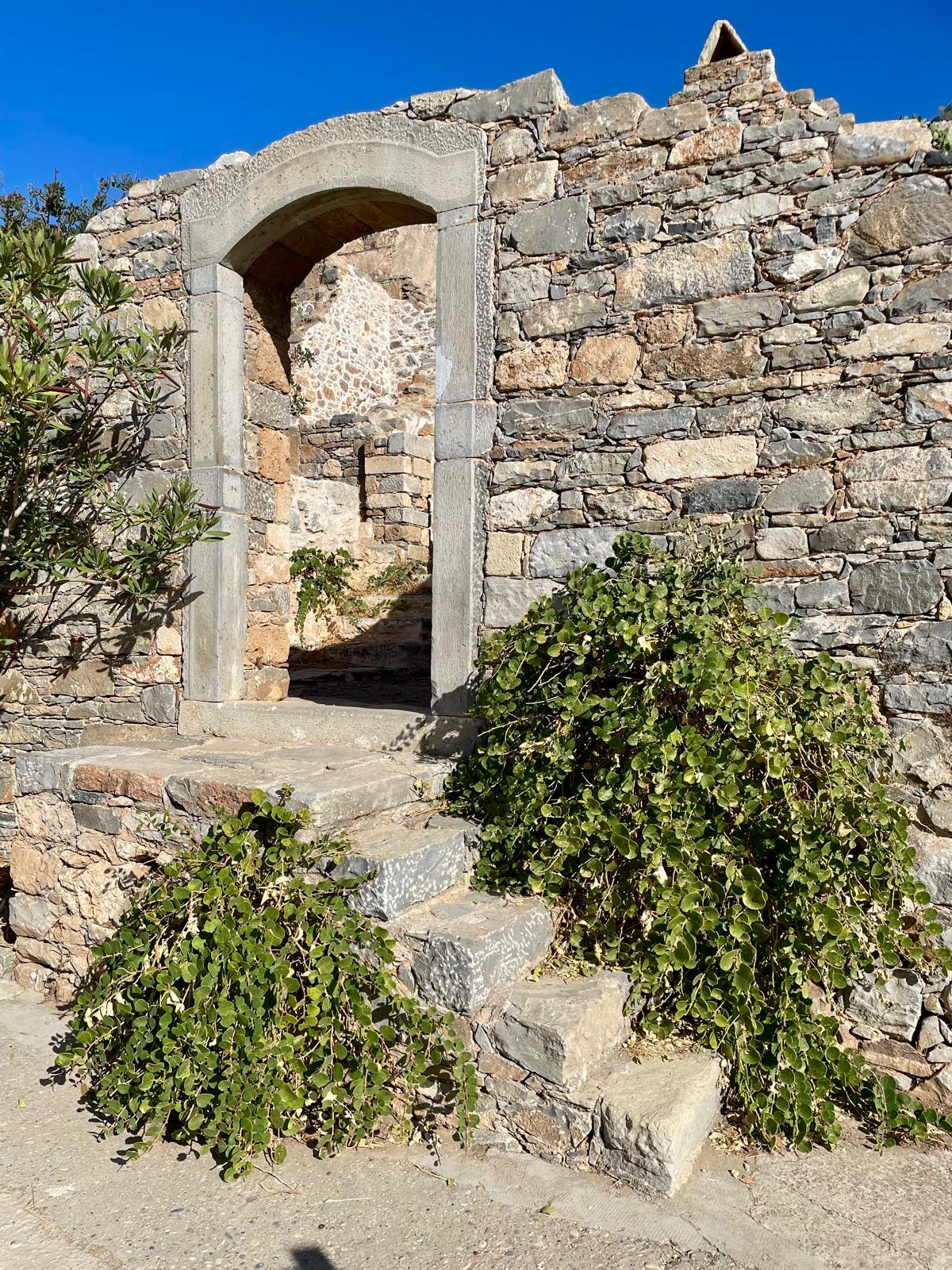
For nearly 200 years (1715–1903), the island was under Ottoman rule. After taking control, the Turks settled on Spinalonga, turning it into a thriving community and an international port. During this time, the island experienced significant development — mosques, baths and residential houses were built, many of which can still be seen today. The Turkish settlement grew and became an important trading point in the region. Because of the island’s defensive character, Muslim soldiers and their families lived there, and it also served as a place of exile and imprisonment for convicts from across Crete.
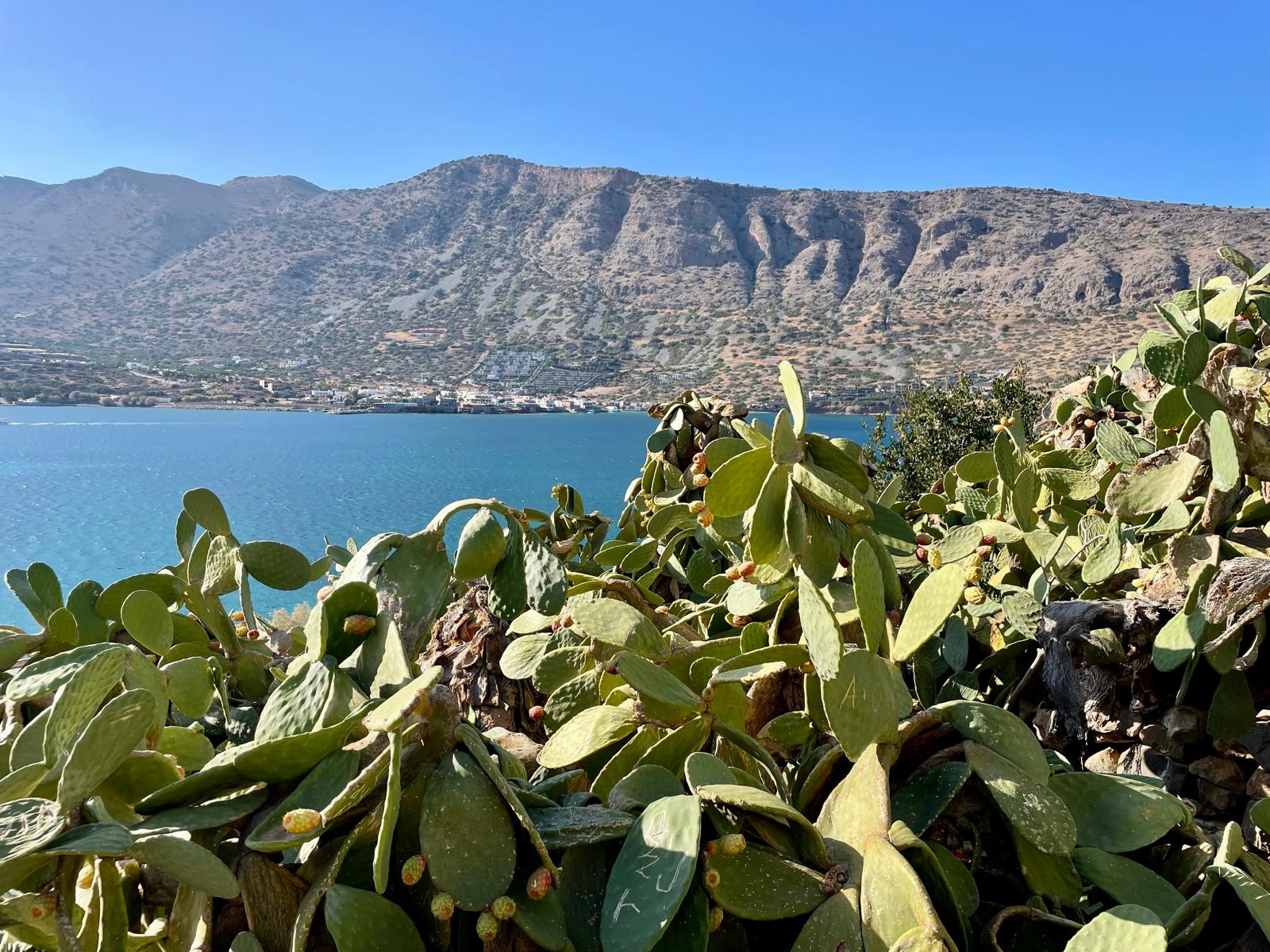
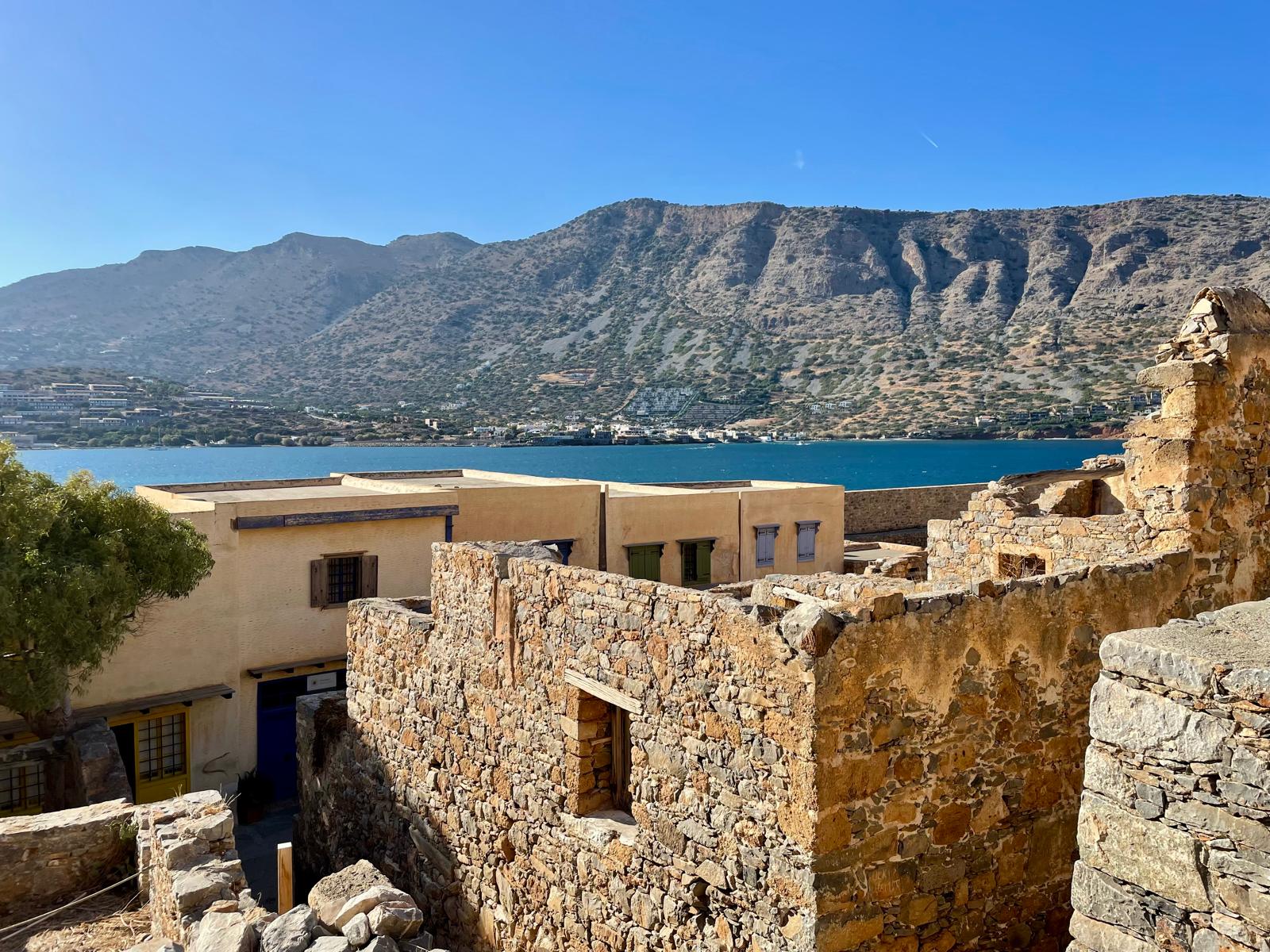
For almost two centuries, the island’s inhabitants engaged in lively trade, and Spinalonga’s port became an important transit point for ships sailing across the southeastern Aegean Sea.
In 1903, the island was transformed into a leper colony. The Turks left, but their architectural legacy remained.
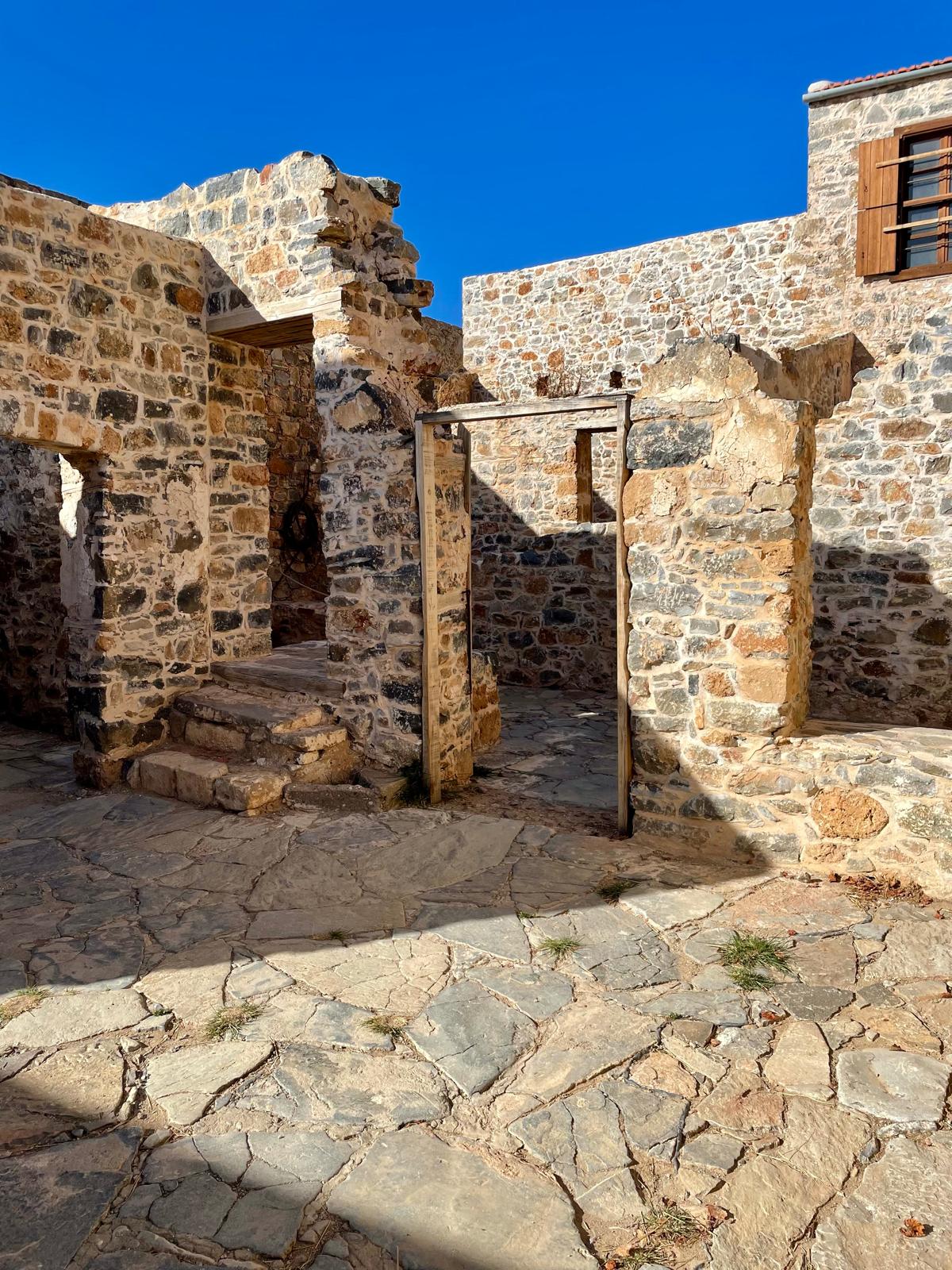
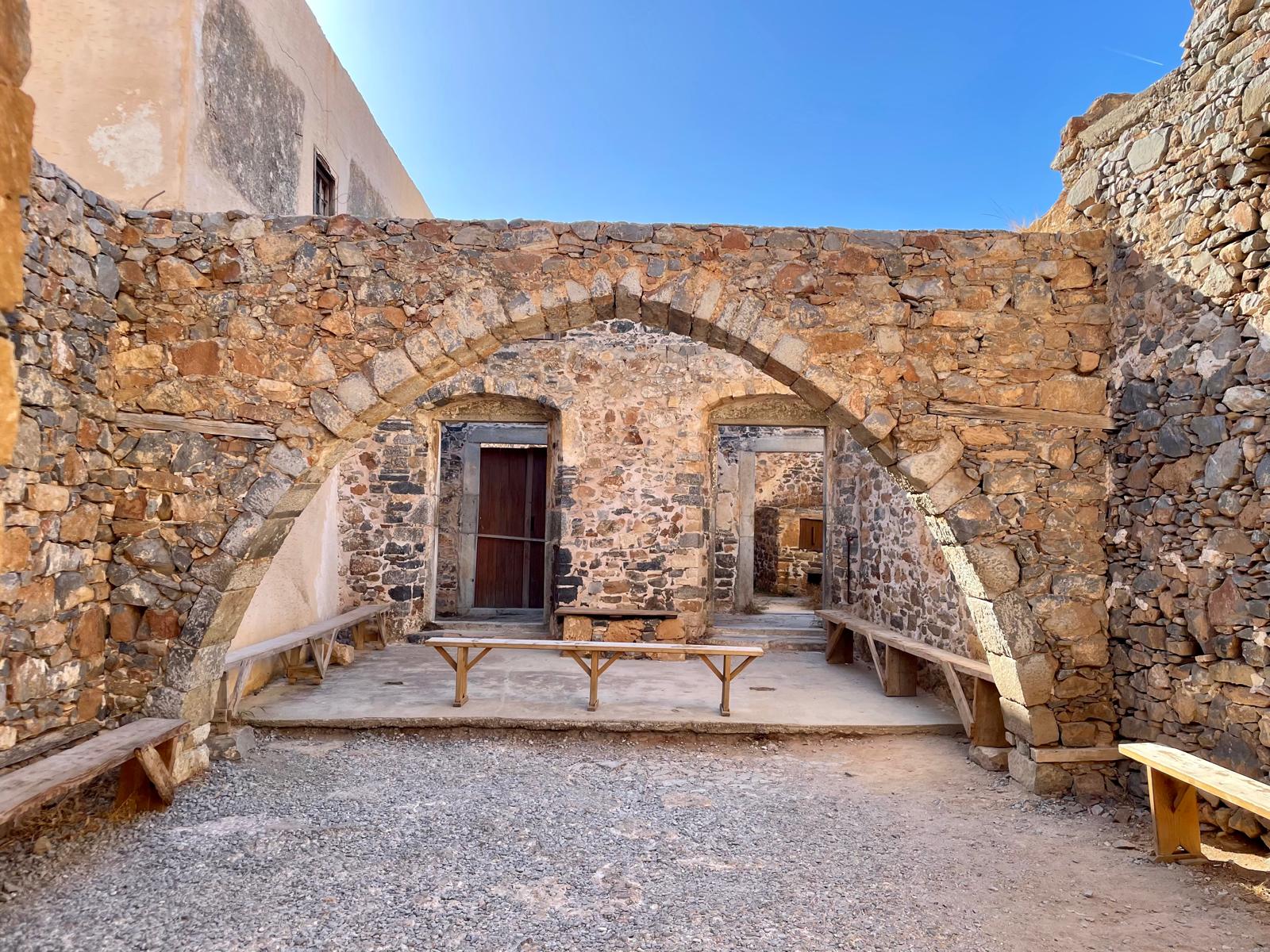
From 1903 to 1915, people diagnosed with leprosy from all over Crete were sent to live on the island. They had to face not only their illness but also harsh living conditions. Over time, the colony functioned like any other community — with shops, workshops, schools and even theatres. The residents tried to lead normal lives, supporting one another and forming a strong, close knit society.
Boats to Spinalonga depart from Plaka, Elounda and Agios Nikolaos.
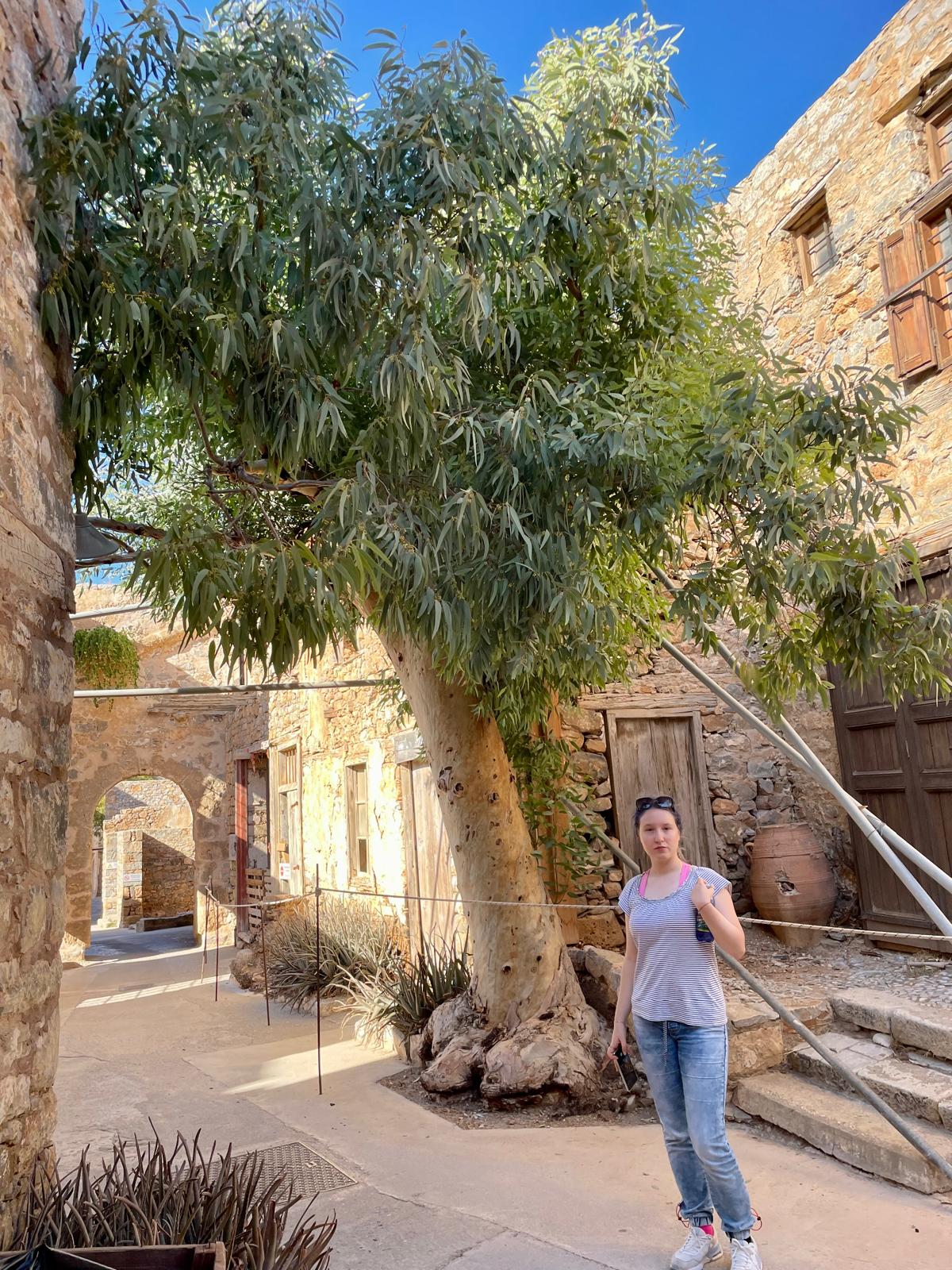
The well preserved fortress, Ottoman buildings and remains of the leper settlement leave a lasting impression on all who visit.